






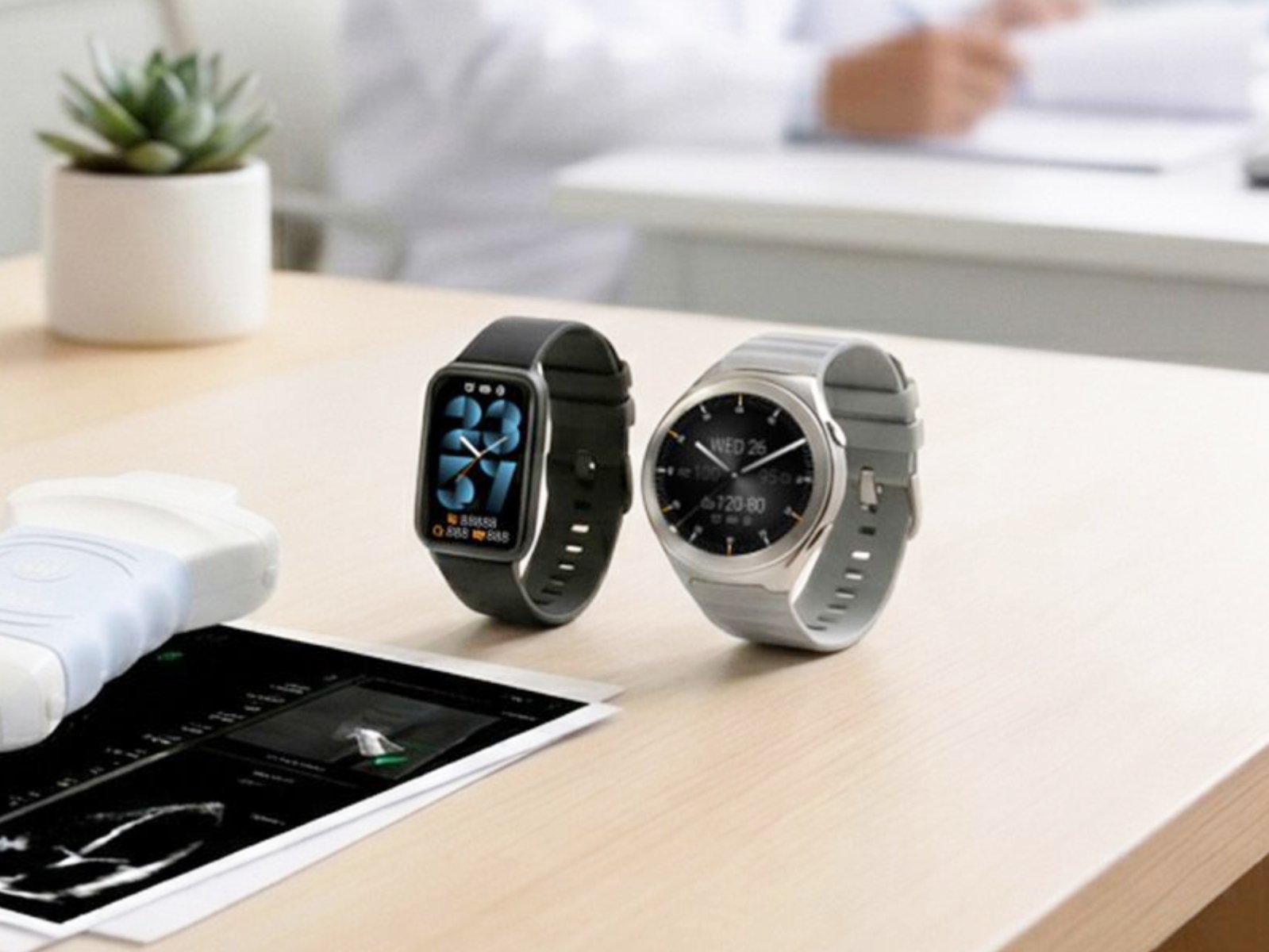
ASUS is continuing its push into health-focused wearables with the launch of the new VivoWatch 6 Plus at Computex 2026. And unlike many smartwatches currently flooding the market with vague AI promises and fitness buzzwords, ASUS is aiming for something more practical: real-time health tracking backed by medical-style sensors and AI-driven wellness guidance.
The VivoWatch 6 Plus arrives with built-in ECG monitoring, blood pressure tracking, body composition analysis, sleep monitoring, and stress tracking packed into a relatively compact smartwatch design. ASUS is also heavily promoting the watch’s new AI-powered wellness coach, which analyzes health data and offers personalized recommendations based on user habits and biometric readings.
The move reflects how aggressively wearable brands are shifting toward preventive health monitoring rather than simply counting steps or tracking workouts.
A health-focused smartwatch built around sensors and AI
The VivoWatch 6 Plus includes both ECG and PPG sensors capable of measuring heart rhythm and cardiovascular-related data directly from the wrist. ASUS says the smartwatch can track blood pressure trends without requiring a bulky cuff accessory, although, like most consumer wearables, it is not intended to replace professional medical equipment.
The device also supports blood oxygen monitoring, skin temperature tracking, sleep analysis, activity tracking, and stress measurement. ASUS claims the watch uses AI-powered analysis to generate insights about overall wellness patterns rather than presenting isolated raw numbers.
One of the bigger additions is the integrated wellness coach, which provides personalized health suggestions based on long-term data collection. The company says the system can identify lifestyle patterns, recovery needs, and stress indicators to help users manage sleep, activity, and recovery more effectively.
Battery life also remains a major focus. ASUS claims the VivoWatch 6 Plus can deliver multiple days of runtime on a single charge while continuously monitoring health metrics in the background. The watch itself keeps a relatively understated design compared to more fitness-heavy smartwatches. ASUS appears to be positioning it less as a rugged sports wearable and more as an everyday health companion for general consumers.

Why Asus thinks health tech is the next big wearable battle
The broader wearable industry has increasingly shifted toward health monitoring as hardware innovation in smartphones begins slowing down. Companies like Apple, Samsung, and Huawei are all investing heavily in medical-style wearable features ranging from ECG readings to sleep apnea detection and body composition tracking.
ASUS appears to be following the same direction, but with a stronger emphasis on AI-assisted wellness analysis rather than purely fitness-focused branding. That strategy could matter because wearable buyers increasingly want actionable health insights instead of endless streams of biometric data they do not fully understand.
Of course, accuracy will remain the biggest question. Consumer-grade blood pressure tracking has historically been difficult to perfect, and regulatory limitations still prevent most smartwatches from functioning as true medical devices.
Still, the VivoWatch 6 Plus shows how quickly wearables are evolving beyond simple notification machines. The smartwatch market is increasingly turning into a competition over who can become your everyday digital health assistant – and ASUS clearly wants a place in that conversation.