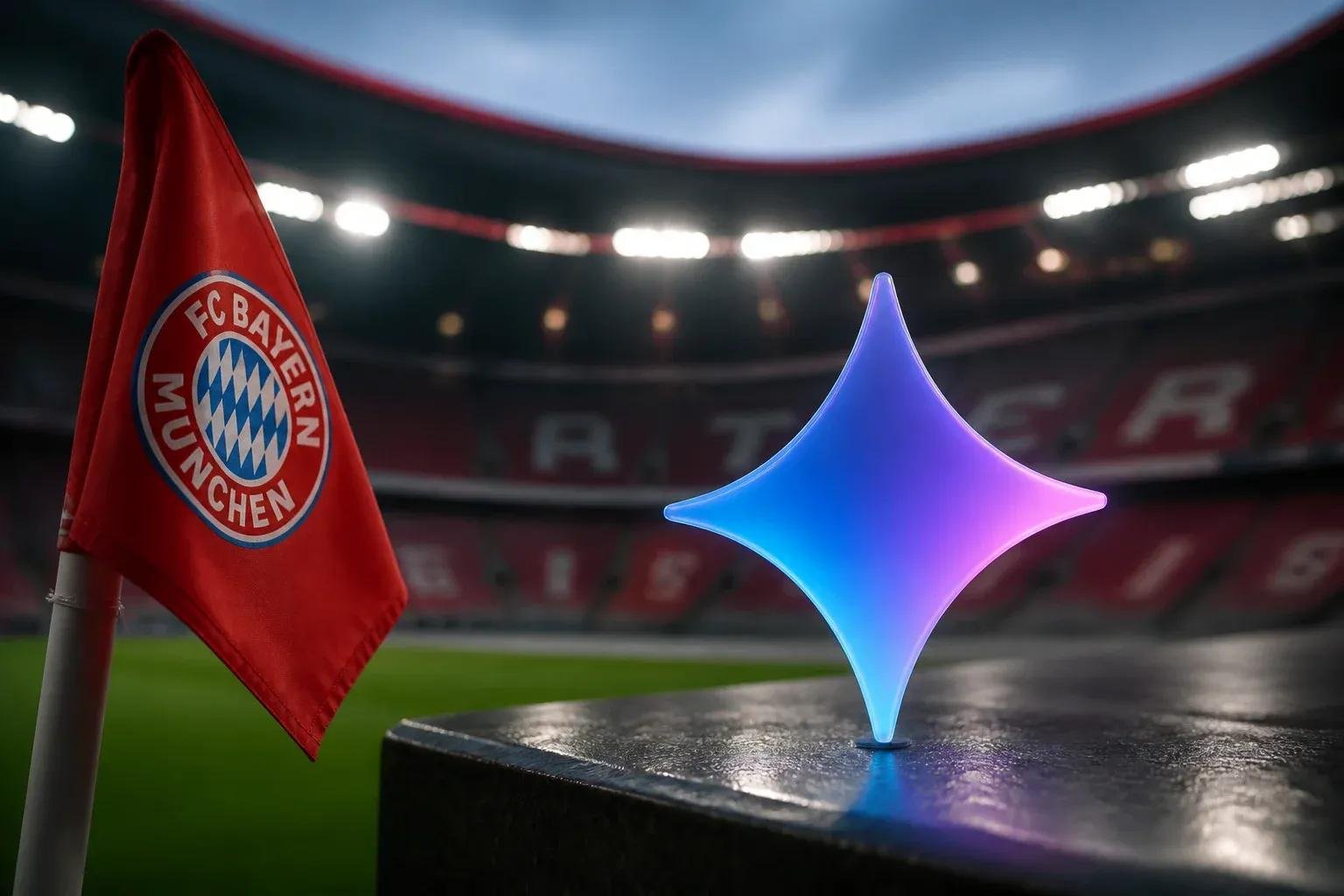
Google Has Found a New Playground for AI: Football
Artificial intelligence is moving into almost every part of everyday life.
Now it is entering one of the world’s biggest entertainment industries: football.
Google has announced major long-term partnerships with five of Europe’s most recognizable football clubs — Arsenal, FC Barcelona, Bayern Munich, Liverpool and Paris Saint-Germain.
Under the new agreements, Google’s Gemini AI and Pixel smartphones will become official consumer AI and smartphone partners of the clubs.
The goal goes beyond putting a Google logo around a stadium.
Google wants to use AI to change how supporters consume football — from match information and tactical analysis to club content and the way fans interact with their favorite teams.
And that could be much bigger than a conventional sponsorship deal.
Why Google Is Putting Gemini Inside Football
Football has something that most technology companies desperately want:
millions of highly engaged users who return every week.
A football fan may watch matches, follow transfer news, check statistics, watch interviews, browse social media and discuss tactics for hours.
That creates an enormous amount of information.
AI can potentially turn all of that information into a personalized experience.
Instead of searching through websites for statistics, a fan could eventually ask Gemini:
“How has Liverpool performed against Arsenal in their last ten meetings?”
Or:
“Compare Barcelona’s midfield this season with last season.”
Or even:
“Explain why Bayern changed its formation during the second half.”
The difference is that the user doesn’t necessarily need to know where the information is stored.
They simply ask.
That is precisely the type of interaction Google wants Gemini to provide.
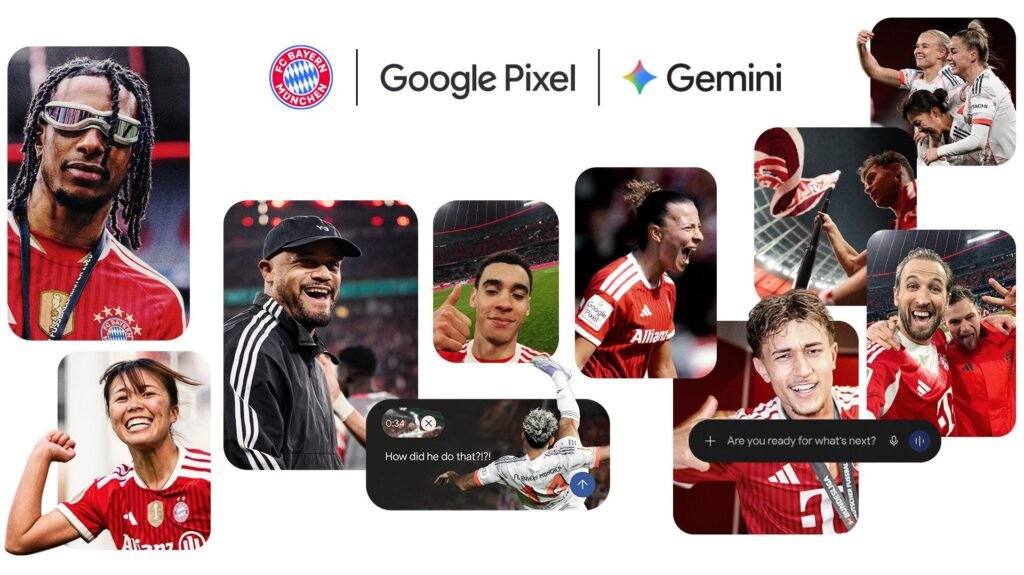
Five Clubs, Five Massive Audiences
The scale of the partnerships is one of the most important parts of the announcement.
Google is not working with one club.
It is connecting Gemini and Pixel with five major European football brands:
- Arsenal
- FC Barcelona
- FC Bayern Munich
- Liverpool
- Paris Saint-Germain
Each club has a massive international following.
That gives Google access to audiences across Europe, Asia, the Middle East, Africa and the Americas.
For Google, the opportunity is obvious.
Football is already a global media platform.
Gemini can become another layer on top of it.
The Smartphone Becomes the Second Screen
For decades, football fans watched matches on television.
Then smartphones changed the experience.
Fans started checking statistics while watching games.
They began following live commentary, social media reactions, fantasy football and video highlights simultaneously.
Now AI could become the next step.
Instead of simply displaying information, the phone could understand what the fan is interested in.
Imagine watching a match and asking your Pixel:
“Who is having the best game right now?”
The assistant could potentially combine live statistics, player information and historical data to provide an answer.
Or imagine asking:
“Show me every goal this player has scored against this opponent.”
That turns the smartphone from a second screen into an interactive football assistant.
Gemini Could Change Tactical Analysis
One of the most interesting applications is tactics.
Football generates enormous amounts of data.
Player positions.
Passing networks.
Possession.
Shots.
Pressing.
Distance covered.
Expected goals.
Defensive actions.
For professional analysts, understanding all of this information can require specialized software and expertise.
AI could make some of that analysis accessible to ordinary fans.
A supporter could ask Gemini to explain why a team is struggling to create chances.
Instead of receiving a list of numbers, the user could receive a natural-language explanation.
That could make advanced football analysis much easier to understand.
AI Could Also Change Club Media
Football clubs are now media companies.
They produce interviews, documentaries, short videos, social content, podcasts and behind-the-scenes material.
AI can potentially help personalize that content.
A Barcelona supporter might want content focused on a particular player.
A Liverpool fan might want tactical analysis.
An Arsenal supporter might prefer transfer news.
Another fan might only want short video highlights.
AI can potentially organize that enormous amount of content around the individual user.
This is where the partnership becomes particularly interesting.
Google isn’t simply selling phones.
It is trying to become part of the way people experience football.
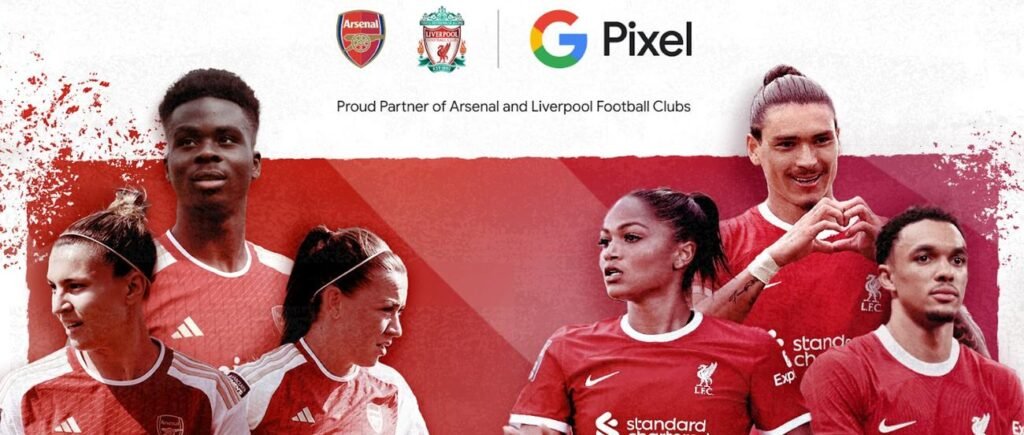
Pixel Gets a Huge Marketing Opportunity
The partnership also gives Google’s Pixel smartphones something Apple and Samsung already understand very well:
cultural relevance.
Technology companies increasingly compete not only on specifications but on identity.
A smartphone can become associated with photography, music, fashion, gaming or sport.
Football offers Google a massive global stage.
Every major match provides opportunities for Pixel cameras, Gemini features and other Google services to appear in front of millions of viewers.
That can be extremely valuable.
Especially in markets where Google is trying to expand Pixel’s presence.
Google Is Not the Only Technology Company Chasing Sports
The move also reflects a broader trend.
Technology companies increasingly see sports as a way to demonstrate artificial intelligence in real-world situations.
AI can analyze performance.
Generate statistics.
Translate interviews.
Create personalized content.
Help broadcasters.
Assist coaches.
Improve fan engagement.
And potentially make stadium experiences more interactive.
Football is particularly attractive because it combines enormous audiences with huge amounts of structured data.
That makes it almost perfect for AI experimentation.
The Real Competition May Be About Personalization
The most important word in Google’s announcement may not be Gemini.
It may be personalization.
Imagine two fans watching the same match.
One wants statistics.
Another wants tactical explanations.
A third wants historical comparisons.
A fourth wants transfer implications.
Traditional broadcasting gives everyone essentially the same experience.
AI can potentially give every viewer a different one.
That could become a major transformation in sports media.
What Happens Inside the Stadium?
The technology could eventually extend beyond the smartphone.
Imagine entering a stadium and receiving personalized information about the players on the pitch.
Or asking an AI assistant about the stadium’s history.
Or getting recommendations for food and merchandise.
Or receiving directions to your seat.
Or automatically translating announcements into your language.
The possibilities are enormous.
But they depend on clubs, technology companies and broadcasters being willing to connect their systems.
The new Google partnerships could be an early step toward that kind of ecosystem.
Gemini Could Become the Football Fan’s Assistant
The biggest opportunity is that fans don’t have to learn a new interface.
They can simply ask questions.
That’s one of the fundamental advantages of generative AI.
Instead of navigating menus, users can communicate naturally.
That matters enormously on a smartphone.
People don’t necessarily want another application.
They want answers.
And Google already has the infrastructure to provide them.
Search.
Maps.
YouTube.
Android.
Pixel.
Gemini.
Together, these services could create a much more integrated football experience.
But There Are Difficult Questions
AI in football will not be completely straightforward.
There are questions about data rights.
Who owns match statistics?
Who controls player data?
Can AI generate analysis from copyrighted broadcasts?
How should clubs handle misinformation?
What happens when an AI assistant makes a mistake?
And perhaps most importantly:
How much of football should be automated?
Fans don’t necessarily want AI to replace human journalists, commentators or analysts.
They may want AI to help them understand the game — while keeping the human element intact.
That balance will be important.
The Business Opportunity Is Huge
For Google, the football partnerships could become much more than marketing.
They could create a real-world testing environment for AI.
Millions of fans interacting with Gemini could generate valuable insight into how consumers actually use conversational AI.
The company could learn which questions people ask.
Which information they want.
Which features they use most.
And which AI experiences actually become habits.
That information could influence the future development of Gemini far beyond football.
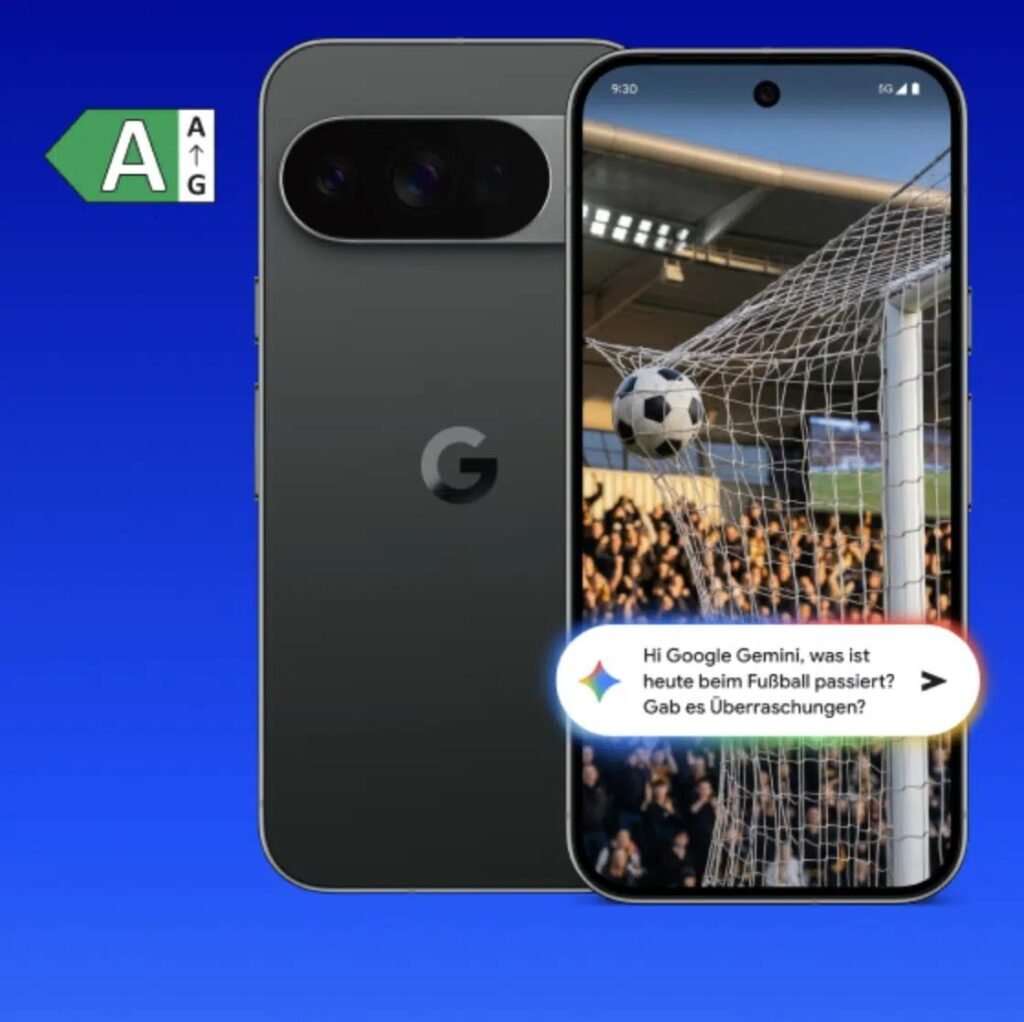
The Bigger Battle: Google vs. Apple
There is also a larger technology competition happening in the background.
Google is pushing Gemini deeper into Android and Pixel.
Apple is trying to make Apple Intelligence and Siri more useful.
Samsung is integrating AI across its devices.
Microsoft is putting AI into Windows and productivity software.
OpenAI is developing increasingly powerful consumer AI systems.
The competition is no longer simply about who makes the best smartphone.
It is increasingly about who becomes the assistant people use every day.
Football could be one of the places where that battle becomes visible.
Why This Matters for the Future of Smartphones
For years, smartphone innovation was measured by hardware.
Better cameras.
Faster processors.
Brighter displays.
Longer battery life.
Thinner designs.
But AI is changing the definition of a smartphone.
The most important feature may eventually be the intelligence sitting behind the screen.
The phone could understand what you’re watching.
What you’re interested in.
What you want to know.
And what you want to do next.
Football is an ideal environment for demonstrating that concept because the amount of information surrounding every match is enormous.
TheTechSpot Verdict
Google’s partnership with Arsenal, Barcelona, Bayern Munich, Liverpool and PSG is more significant than a normal sports sponsorship.
It represents a much larger experiment:
Can AI become part of the way billions of people experience live entertainment?
Football may be the perfect testing ground.
It has passionate fans, huge audiences, endless statistics and constant demand for information.
Gemini could eventually transform the smartphone from a device that simply displays football content into a personal assistant that understands the match with you.
And if Google succeeds, the same model could spread into other sports, entertainment and everyday experiences.
The smartphone revolution changed how fans watched football.
The AI revolution could change how they understand it.
And Google wants Gemini to be sitting right in the middle of that transformation.