





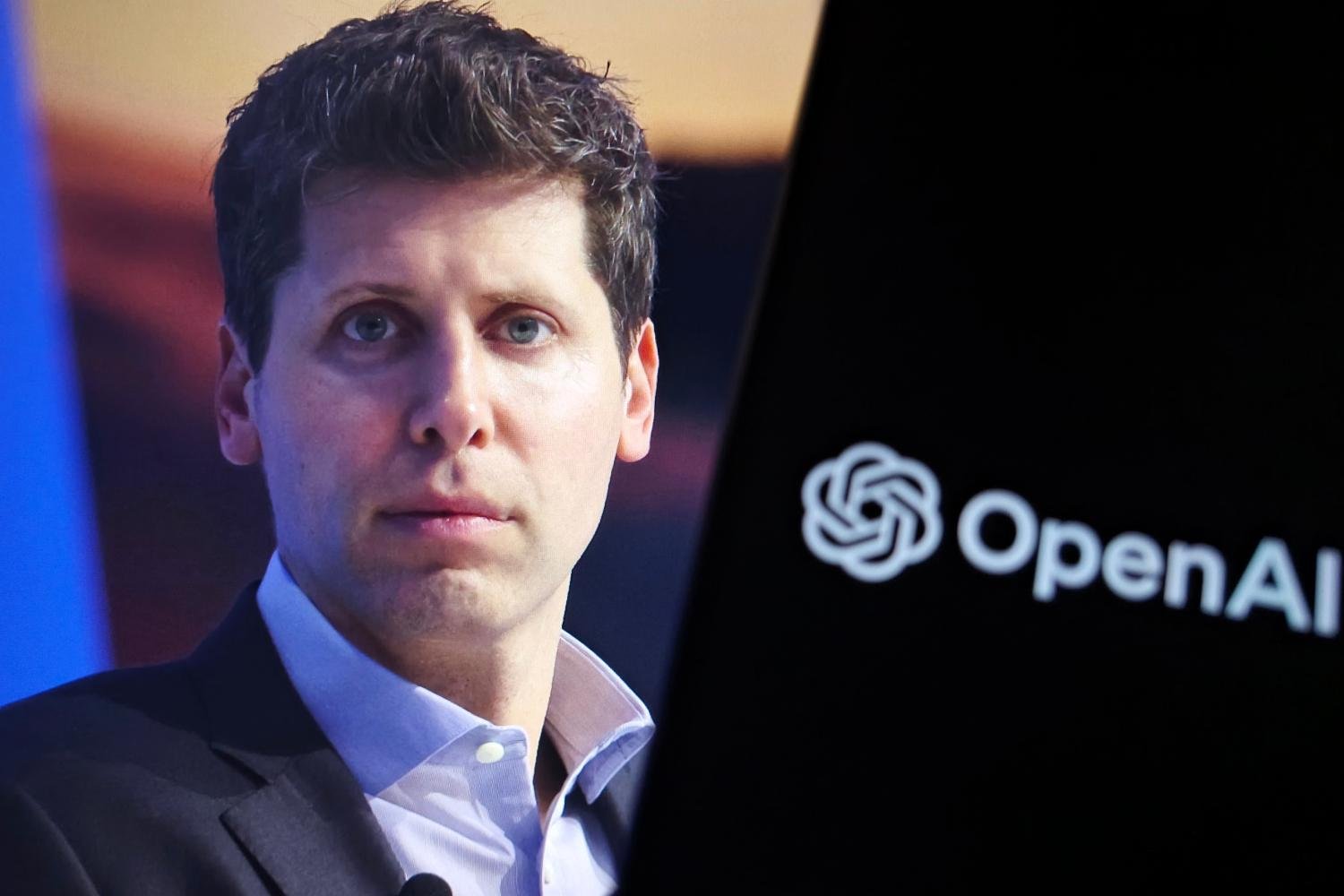
OpenAI plans to cut off its AI models from Cursor after Elon Musk’s SpaceX acquired the company behind the popular coding platform, escalating the already bitter rivalry between Musk and OpenAI CEO Sam Altman.
The battle between Elon Musk and OpenAI has entered a new phase — and this time, developers using one of the world’s most popular AI coding tools could be caught in the middle.
OpenAI says it plans to stop providing its AI models to Cursor, the AI-powered coding platform operated by Anysphere, following SpaceX’s acquisition of the company.
The decision was announced on Friday and represents another escalation in the long-running conflict between Musk and OpenAI CEO Sam Altman.
OpenAI says it is concerned that SpaceX may not use its technology according to the terms of its agreement.
The proposed shutdown date is November 12, 2026.
Meanwhile, Cursor says discussions with OpenAI are still ongoing, while Anthropic has already said it plans to increase computing capacity for its Claude models on the platform.
What began as a corporate dispute could therefore turn into a major shift in the AI coding ecosystem.
SpaceX Bought Cursor’s Parent Company for $60 Billion

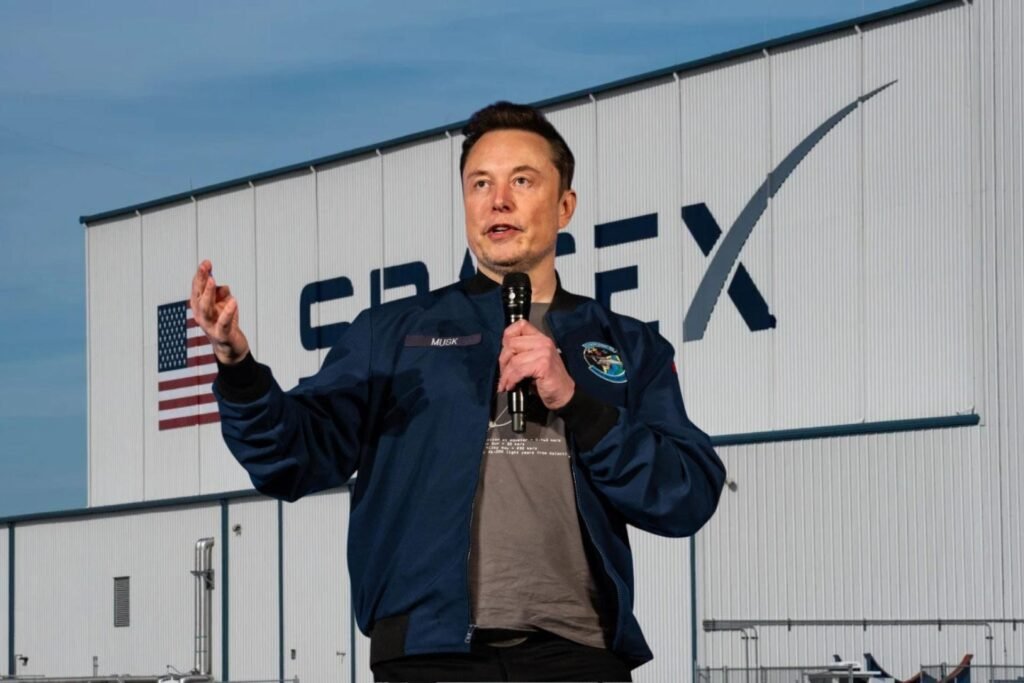
The story begins with one of the year’s biggest technology acquisitions.
SpaceX agreed to acquire Anysphere, the company behind Cursor, in an all-stock transaction valued at approximately $60 billion.
The deal was completed earlier this month.
Cursor has become one of the most prominent AI-powered development platforms, allowing programmers to use AI models directly inside their coding workflow.
Instead of simply asking an AI chatbot for an answer, developers can use Cursor to analyze codebases, modify files, generate code and assist with complex programming tasks.
That makes access to advanced AI models strategically important.
Cursor is not just another chatbot.
It is becoming part of the software development infrastructure used by professional developers.
And SpaceX now owns it.
OpenAI Says It Does Not Trust the New Ownership Structure
OpenAI’s explanation centers on contracts and compliance.
The company says it cannot be confident that SpaceX will use OpenAI technology within its terms of service.
OpenAI specifically pointed to its previous experience with companies controlled by Musk.
According to the company, its decision was influenced by what it described as previous contract violations involving Musk-owned businesses.
OpenAI said that working with a company as large as SpaceX normally requires customized agreements to ensure that the technology is used safely and according to contractual requirements.
The change in ownership triggered a contractual window allowing OpenAI to terminate the agreement.
The result is the November 12 deadline.
Musk’s Response Was Immediate
Musk did not respond quietly.
After OpenAI announced its decision, he dismissed the move on X, saying he “couldn’t care less.”
He also repeated his accusations against Altman and OpenAI President Greg Brockman, calling them untrustworthy and continuing to argue that OpenAI abandoned its original nonprofit mission.
The comments demonstrate that the dispute between Musk and OpenAI remains deeply personal as well as commercial.
The two sides have been fighting for years.
Musk was one of the original figures involved in the creation of OpenAI.
He later left the organization and eventually launched a competing AI company.
His conflict with OpenAI has since expanded into lawsuits, public accusations and increasingly direct competition in artificial intelligence.
Now the dispute is affecting another major technology company.
Cursor Is Trying to Keep Both Sides
Cursor’s position is more complicated.
The company is now owned by SpaceX.
But its developers still rely on access to powerful AI models from multiple providers.
Losing OpenAI models could therefore be a significant change for the platform.
Cursor co-founder Michael Truell said the company is speaking with OpenAI in an attempt to resolve the situation.
That leaves the possibility that the November deadline could change.
The companies still have time to negotiate.
But the announcement makes one thing clear:
the relationship is no longer guaranteed.
Anthropic Sees an Opportunity
While OpenAI is preparing to leave, one of its biggest competitors is moving in the opposite direction.
Anthropic said it plans to increase computing capacity to support its Claude models on Cursor.
That is a potentially important development.
If Cursor loses access to OpenAI models, Anthropic could become a much more important AI provider for the platform.
The company already has an ongoing partnership with SpaceX.
That means the ownership structure could ultimately strengthen the relationship between Cursor and Anthropic.
A dispute that begins with OpenAI could therefore create a direct advantage for one of its biggest competitors.
AI Coding Is Becoming a Strategic Market
The importance of this dispute goes beyond one software product.
AI-powered programming has become one of the fastest-growing applications of generative AI.
Developers are increasingly using AI to:
- generate software
- debug code
- explain unfamiliar codebases
- automate repetitive programming tasks
- refactor applications
- write tests
- search through large repositories
- build prototypes
- create entire software features
The technology is changing how software is developed.
That makes AI coding platforms strategically valuable.
Companies that control the models powering those platforms can influence how developers work.
Companies that control the coding interfaces can influence which models developers use.
And companies that control both can potentially build powerful ecosystems.
Cursor sits directly in the middle of that competition.
SpaceX Is Becoming More Than a Rocket Company


The acquisition also highlights how dramatically SpaceX has expanded beyond its original identity.
SpaceX is still primarily known for rockets, satellites and Starlink.
But the company is increasingly involved in artificial intelligence, software and computing infrastructure.
The acquisition of Anysphere adds another important technology asset.
Cursor gives SpaceX exposure to a developer ecosystem.
That could eventually become strategically important if SpaceX expands its own software, AI and computing ambitions.
The company already operates Starlink, one of the world’s largest satellite internet networks.
It is developing Starship.
It is building increasingly sophisticated software infrastructure.
And it now owns a major AI coding platform.
That combination is unusual.
Cursor Could Become Part of a Larger AI Strategy
It is still too early to know exactly what SpaceX intends to do with Cursor.
But the possibilities are significant.
SpaceX could continue operating Cursor independently.
It could integrate Cursor more deeply with its own AI infrastructure.
It could expand AI coding capabilities for developers building software for SpaceX and Starlink.
Or it could use Cursor as part of a broader strategy around AI-powered software development.
The acquisition therefore deserves attention beyond the initial $60 billion price tag.
It may become an important part of SpaceX’s long-term technology ecosystem.
OpenAI Has Its Own Reasons to Be Careful
From OpenAI’s perspective, the decision also makes strategic sense.
SpaceX is controlled by Musk.
Musk is one of OpenAI’s most aggressive competitors.
He operates xAI, which is competing directly in the AI model market.
He also controls X and now owns the company behind Cursor.
Providing advanced OpenAI models to a company controlled by a major competitor creates obvious strategic concerns.
Even if contractual requirements are technically satisfied, OpenAI has to consider where its models are being deployed and who ultimately benefits from access to them.
The situation is therefore not simply about a contract.
It is also about competitive strategy.
The AI Model War Is Becoming an Ecosystem War
For years, the AI race was primarily about model performance.
Which model is smarter?
Which model reasons better?
Which model writes better code?
Which model generates better images?
That competition is changing.
The next stage is increasingly about ecosystems.
Who owns the hardware?
Who controls the cloud?
Who has the developers?
Who owns the applications?
Who controls the distribution?
Who provides the models?
Who has access to the data?
Cursor sits at the intersection of several of these questions.
That is why its ownership by SpaceX has attracted so much attention.
Developers Could Have More Choices — or More Restrictions
There is also an important lesson here for developers.
Many AI applications rely on multiple model providers.
That creates flexibility.
If one model becomes unavailable, another can potentially take its place.
Cursor’s relationship with Anthropic demonstrates this.
But it also reveals a vulnerability.
When AI providers and application companies become deeply integrated, corporate disputes can affect the tools developers rely on.
A developer may not care about the rivalry between Musk and Altman.
But if a preferred AI model disappears from their coding environment, they will notice immediately.
Could Cursor Replace OpenAI Models Completely?
Technically, Cursor has alternatives.
Anthropic is already available.
Other model providers can potentially be integrated.
Open-source models are also improving.
That means the loss of OpenAI models would not necessarily destroy Cursor.
But OpenAI’s models are among the most widely used AI systems in software development.
Removing them could still affect user preferences, performance and workflow.
The impact would depend on how quickly Cursor can expand its alternatives.
Anthropic Could Be the Biggest Winner

If OpenAI ultimately exits Cursor, Anthropic may have the most obvious opportunity.
The company could increase its presence inside one of the most important AI coding platforms.
That would put Claude in front of developers who might otherwise rely heavily on OpenAI.
Developer loyalty is extremely valuable.
Once programmers build their workflows around a particular AI model, switching can become inconvenient.
A strong position inside Cursor could therefore help Anthropic gain long-term market share.
Musk’s Larger AI Strategy Is Becoming Clearer
Musk’s technology empire is becoming increasingly interconnected.
SpaceX controls Starlink.
SpaceX acquired the company behind Cursor.
xAI is developing competing AI models.
X provides a large social platform and distribution network.
Tesla is investing heavily in AI and robotics.
Each business operates independently in many respects.
But they also share infrastructure, capital and strategic leadership.
The Cursor acquisition fits into that larger picture.
It gives Musk another major foothold in the software development ecosystem.
The OpenAI-Musk Rivalry Has Become a Technology Industry Story
The dispute between Musk and OpenAI has already involved lawsuits and public accusations.
But the consequences are no longer limited to the two sides.
Other companies are becoming involved.
Anthropic is now positioned to benefit.
Cursor developers could be affected.
SpaceX’s technology strategy is becoming part of the discussion.
And investors are watching how AI companies structure partnerships with competitors.
The rivalry is therefore becoming a broader industry story.
What Happens on November 12?
For now, there is no final outcome.
OpenAI has proposed November 12 as the cutoff date.
Cursor and OpenAI are still discussing the issue.
Anthropic is preparing to increase support.
And SpaceX has not indicated that it intends to reverse its acquisition.
That means the next few months could be important.
If no agreement is reached, Cursor users could lose access to OpenAI models in November.
If the companies reach a compromise, the deadline could disappear.
Either way, the dispute has already exposed how dependent modern AI applications are on agreements between model providers and software platforms.
The Bigger Problem: Who Controls AI Infrastructure?
This may ultimately be the most important question.
AI is increasingly becoming infrastructure.
Models are infrastructure.
Cloud computing is infrastructure.
Developer tools are infrastructure.
Data centers are infrastructure.
Semiconductor supply chains are infrastructure.
As companies become more dependent on these systems, ownership matters.
If one company controls the model, another controls the application and a third controls the hardware, business relationships become increasingly important.
A single acquisition can change those relationships overnight.
That is exactly what happened with Cursor.
The OpenAI-Cursor dispute is much bigger than one contract.
It represents a new stage in the AI industry where models, applications, hardware and corporate ownership are becoming tightly connected.
SpaceX’s $60 billion acquisition of Cursor’s parent company placed one of the world’s most important AI coding platforms inside Elon Musk’s growing technology empire.
OpenAI has now responded by preparing to withdraw its models.
Anthropic is moving in to expand Claude support.
And developers are watching to see whether the dispute changes the tools they use every day.
The most interesting part is what happens next.
If Cursor can replace OpenAI’s models without losing users, it would demonstrate that AI applications can survive even when their model supplier changes.
If OpenAI’s departure causes significant disruption, it would reveal just how dependent major AI applications have become on a small number of model providers.
Either way, the lesson is clear.
The next AI war will not be fought only over who builds the smartest model.
It will also be fought over who controls the platforms where developers, businesses and consumers actually use those models.