Microsoft’s latest plans reportedly focus on making the PC and smartphone experience feel seamless. For years, Phone Link has felt like that one app everyone knows exists but rarely remembers to open. Microsoft apparently wants to change that. According to a report from Windows Central, the company is working on a major overhaul of how smartphones integrate with Windows 11, making phones feel like a native part of the operating system instead of something users access through a separate app.
Phone Link is coming out of hiding
One of the biggest changes reportedly involves the Phone Companion panel in the Start menu. Instead of simply showing basic device information, Microsoft is said to be expanding it to display recent phone activity that users can scroll through without opening Phone Link. Hovering over these activities could even reveal additional details, such as an entire message or photo preview.
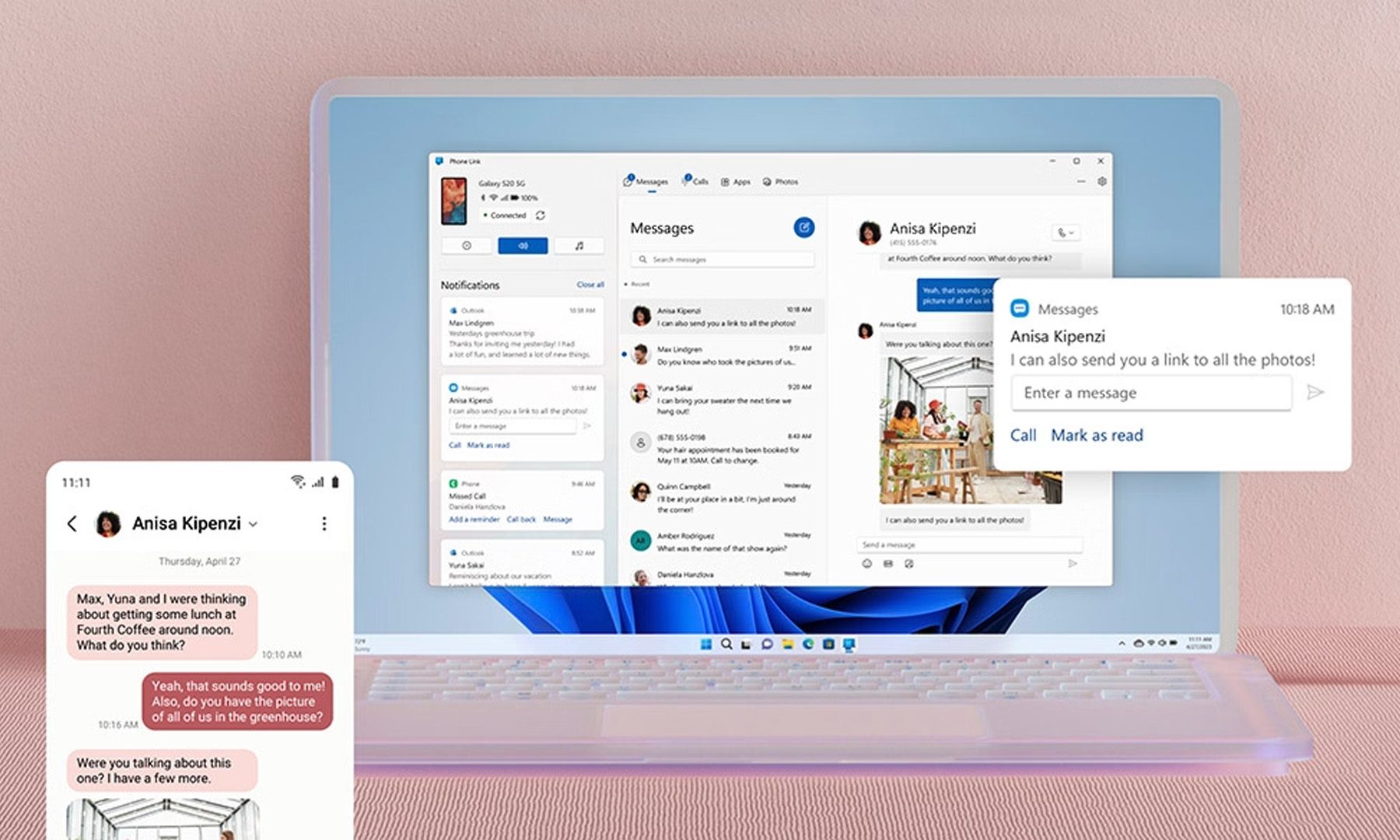
Microsoft is also testing a brand-new smartphone flyout in the Windows 11 system tray. Whenever a connected phone is nearby, a dedicated phone icon will appear next to the Wi-Fi and battery indicators. Clicking it would open quick controls for features such as Do Not Disturb, vibrate mode, and find phone settings, while also showing battery level and connection status. Perhaps the neatest addition is support for dragging files directly onto the phone icon, instantly transferring them to the connected device.
Clipboard history, messages, and a more connected PC
Microsoft isn’t stopping there. The company is also exploring clipboard history syncing between Windows 11 and smartphones using the native Windows Clipboard feature. While clipboard sync already exists today, it only remembers the last copied item. The new approach would reportedly synchronize an entire clipboard history, allowing users to access a synced list of previously copied text and content across both devices.
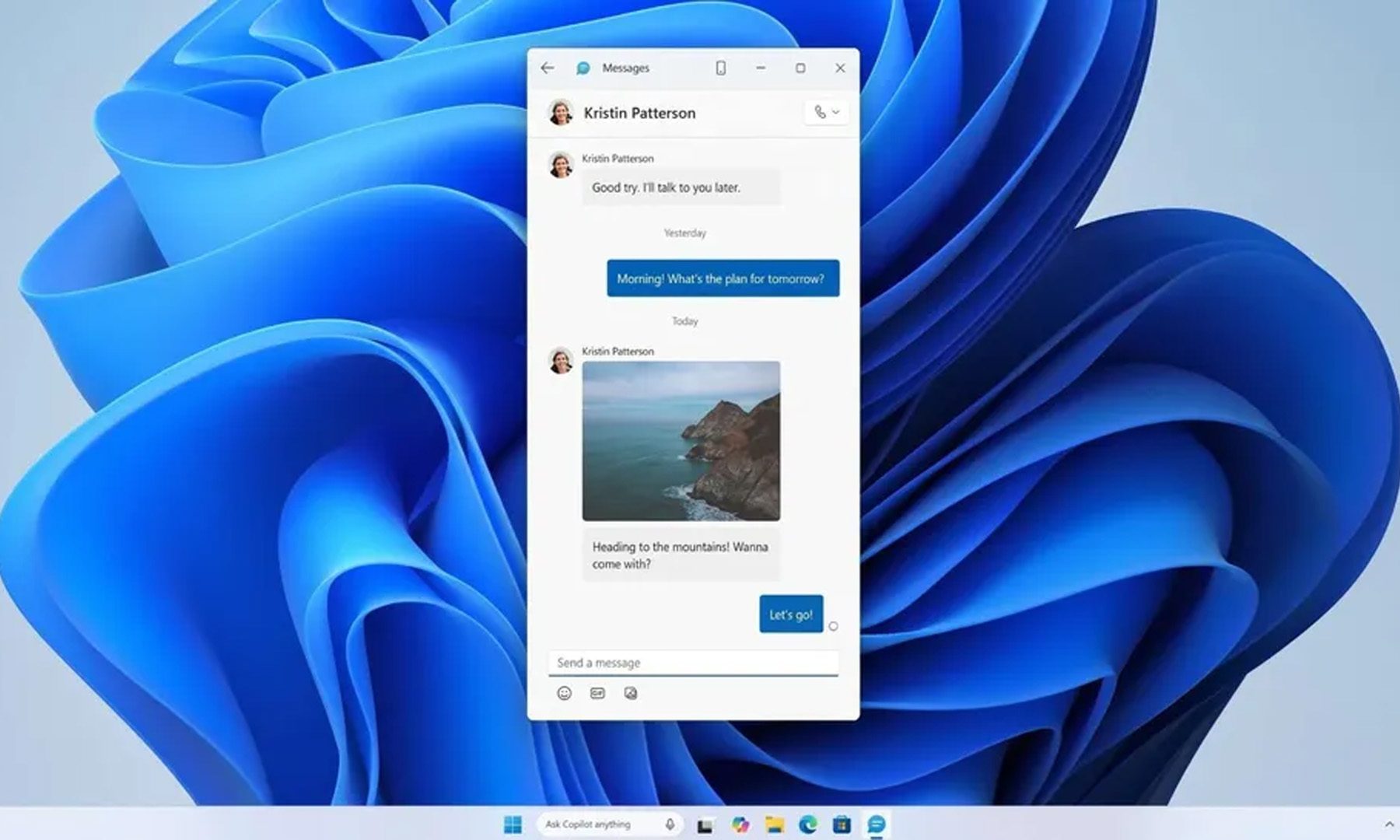
Another interesting addition is a dedicated Messages app for Windows 11. Rather than living inside Phone Link, SMS conversations would get their own standalone application that can be pinned to and launched from the Start menu, making texting from a PC feel much more like using a native Windows experience.
According to the report, all of these features are currently being explored and prototyped internally, meaning there’s no guarantee they’ll all ship as described. Microsoft is expected to gather feedback from Windows Insiders before committing to shipping anything concrete into future Windows 11 updates.
Windows is finally embracing the smartphone era
If all of this sounds familiar, that’s because Microsoft has been moving in this direction for a while. Windows 11 already lets users browse their phone’s storage directly from File Explorer and even use supported smartphones as wireless webcams. The reported changes build on that foundation by making smartphone features feel less like an add-on and more like they’re baked directly into the Windows UX shell.
The funny thing is, Microsoft spent years trying to convince people to buy Windows Phones. That obviously didn’t work out. Now, instead of fighting Android and the iPhone, it’s embracing them, and honestly, that might be the smarter strategy. If these features arrive as described, Windows 11 could finally make the jump between PC and phone feel almost invisible.
Moving Beyond the “Phone Link” App
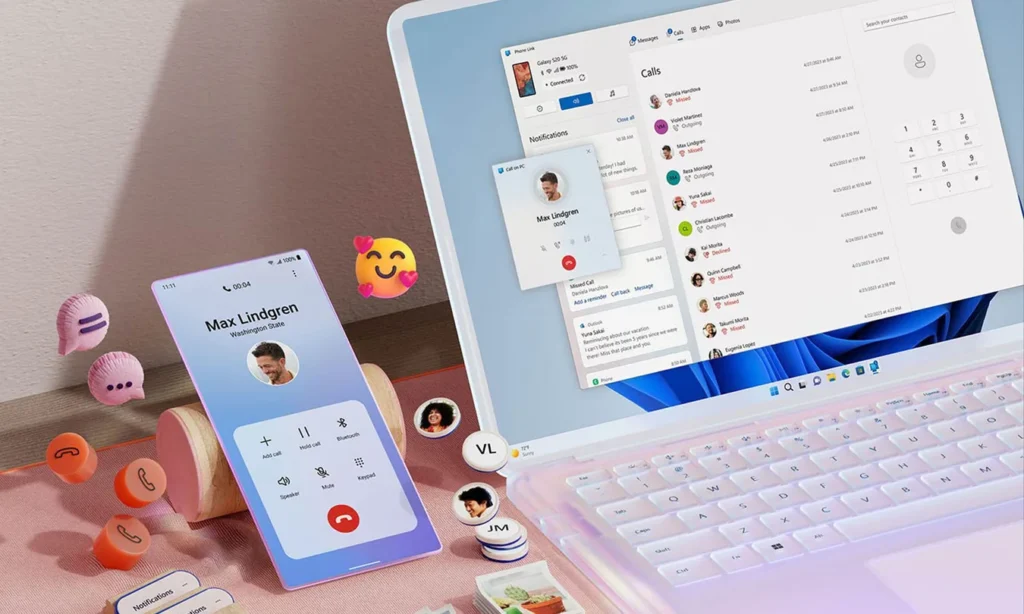
For years, the Phone Link app was the only bridge between your PC and mobile device. While it works great for checking texts or making calls from your desktop, Microsoft is now moving those features out of the app sandbox and embedding them directly into the Windows shell:
- The Taskbar Smartphone Flyout: Microsoft has been prototyping a dedicated system tray icon for your phone. Clicking it opens a quick dashboard showing your phone’s battery life, signal strength, connection status, and quick toggles for modes like Do Not Disturb or Vibrate.
- The Start Menu Companion: The Windows 11 Start menu is gaining a phone companion panel that lets you scroll through your phone’s recent activities, unread messages, or new photos just by hovering over or clicking the Start menu—no need to launch a separate app.
- A Standalone Messages App: Instead of burying your texts inside the Phone Link utility, a native, pinnable Messages app is in the works to let you manage SMS and RCS threads cleanly from your desktop layout.
- Deeper File Explorer Integration: You can already view your phone’s entire wireless storage system directly in File Explorer as if it were a native drive, making photo and file management seamless.
- System-Wide Clipboard History: While cross-device copy-and-paste has existed for select devices, Microsoft is expanding this to sync your entire clipboard history, letting you access multiple items you copied on your phone earlier in the day.
The Android vs. iPhone Divide
While Microsoft wants everyone to be best friends, the level of friendship still heavily depends on what hardware you carry.
| Feature Capability | Android (Standard) | Android (Flagship Integration*) | Apple iOS |
| Notifications & Calls | Full Sync | Full Sync | Basic Sync via Bluetooth |
| SMS / Texting | Full Sync | Full Sync + RCS Support | Basic SMS (No group chats/media) |
| Photo Access | View/Edit recent 2,000 | View/Edit recent 2,000 | Limited by local session |
| App Mirroring | ✗ | Yes (Open phone apps in Windows) | ✗ |
| File Drag-and-Drop | ✗ | Yes (Wireless drag-and-drop) | ✗ |
| Phone Camera as Webcam | Yes | Yes | ✗ |
Flagship integration applies primarily to select Samsung Galaxy, OnePlus, Oppo, and Honor devices that have the “Link to Windows” service deeply integrated into the factory operating system firmware.
The Ultimate Goal: Frictionless Ecosystems
Microsoft is trying to eliminate “device friction.” They want you to sit down at a laptop and never have to reach into your pocket or pick up your phone to reply to a text, look at a photo you just took, or check a notification.
By turning your mobile phone into an extension of the Windows 11 interface, they are trying to match the ecosystem synergy Apple handles natively between iPhones and Macs.