


As artificial intelligence accelerates the discovery of software vulnerabilities, companies are racing to deploy security fixes. Experts warn that rushed updates may be creating new reliability risks across critical digital infrastructure.
A growing wave of technology disruptions affecting airlines, banks, workplaces and online services may be linked to the increasing pressure on companies to patch software vulnerabilities faster, cybersecurity experts have warned.
The issue is emerging as artificial intelligence tools make it easier and cheaper to identify weaknesses in software, forcing organisations to respond to a rapidly expanding number of security threats.
In a report published on November 18, Reuters cited cybersecurity experts and US officials who said that the growing pace of software patching could be contributing to recent disruptions.
The warning comes after a series of outages affected Microsoft services, air travel, banking operations, United Airlines, the US National Security Agency and Apple services.
Importantly, officials have said there is no evidence that the incidents were part of one coordinated cyberattack.
AI is accelerating vulnerability discovery
Artificial intelligence is changing the way security researchers and attackers identify software weaknesses.
Tools powered by large language models can help analyse code, identify potential flaws and speed up vulnerability research. This can give defenders more opportunities to secure their systems, but it also increases the pressure to respond quickly.
According to cybersecurity firm Qualys, Microsoft addressed more than 1,200 software vulnerabilities during November 2026, nearly 20 times the number recorded in the same month a year earlier.
Cybersecurity experts cited by Reuters said that AI has made the discovery of critical vulnerabilities faster and less expensive.
The result is a growing volume of security updates that organisations must evaluate, test and deploy across complex technology environments.
Why security updates can create new problems

Microsoft Outlook global outage illustration highlighting software service disruptionsSoftware patches are designed to fix vulnerabilities, improve stability and protect systems against exploitation.
However, deploying an update across a large technology environment is not always straightforward.
Emergency patches may change operating-system components, network services and other critical software. If they are deployed before sufficient testing, they can introduce compatibility problems or disrupt systems that depend on the updated components.
That creates a difficult balance for IT and security teams: delaying an update can leave a vulnerability exposed, while deploying it too quickly can create operational problems.
Experts say organisations need stronger testing procedures, better visibility into dependencies and more effective prioritisation of vulnerabilities.
More than 100,000 vulnerabilities disclosed in 2026
The scale of the challenge is significant.
Cybersecurity specialist Josh Bressers, cited by Reuters, said that 100,000 vulnerabilities had been publicly disclosed in 2026. Of those, 1,363 were known to have been exploited in real-world attacks.
The figures highlight why security teams cannot treat every vulnerability as equally urgent.
Organisations need to identify which weaknesses pose the greatest risk to their systems, customers and sensitive data, rather than attempting to deploy every available patch without prioritisation.
AI can help security teams analyse and rank threats, but it can also increase the speed at which vulnerabilities are discovered and potentially exploited.
US officials say the recent outages were not coordinated
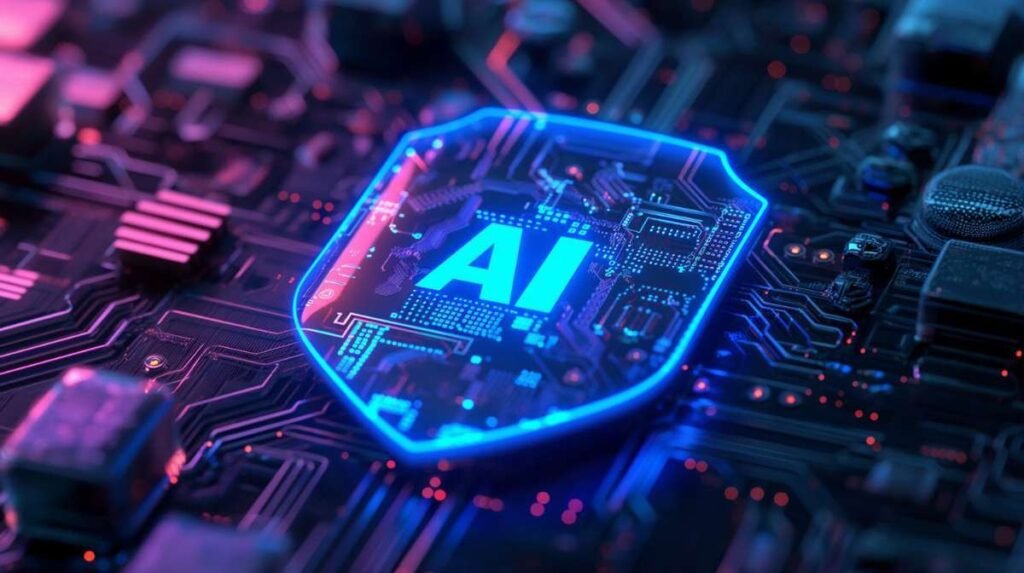
Experts warn that the growing pace of vulnerability discovery and software patching may create additional reliability challenges.The recent disruptions have raised questions about the resilience of critical technology infrastructure.
However, US intelligence officials have said there is currently no indication that the incidents were connected or part of a coordinated attack.
Reuters also reported comments from US Secretary of State Marco Rubio, who acknowledged that software patching efforts can sometimes create short-term disruptions in how systems operate.
The distinction matters: the recent outages should not be presented as evidence of a single cyberattack or as confirmed consequences of AI-driven patching. Experts are discussing patching pressure as a possible contributing factor, while the precise causes of individual incidents vary.
What companies should do next
The latest incidents underline the importance of treating software maintenance as a core part of cybersecurity and business continuity.
Companies should test critical updates before broad deployment whenever possible, maintain recovery plans, monitor dependencies between services and prioritise vulnerabilities based on the likelihood and impact of exploitation.
They also need to invest in modernising legacy infrastructure, which can struggle to handle rapid changes and increasingly complex software environments.
As AI continues to accelerate both vulnerability discovery and security operations, organisations will face a new challenge: moving quickly enough to stay secure without making their own systems less reliable.
The future of cybersecurity will depend not only on how fast companies can identify and patch vulnerabilities, but also on how safely they can make those changes.


