

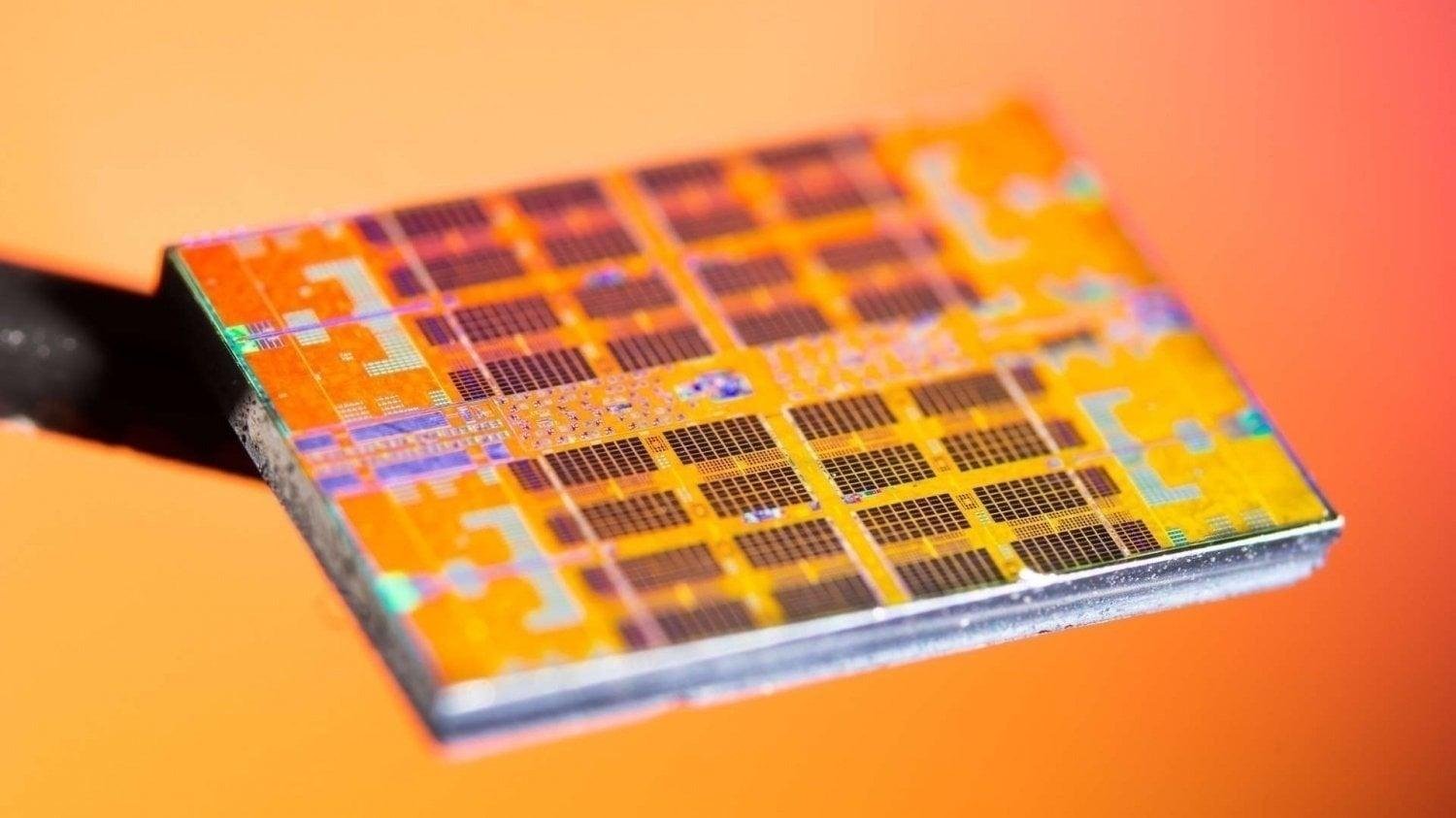
The global race to build artificial intelligence infrastructure is putting unprecedented pressure on semiconductor manufacturers. China’s largest contract chipmaker, SMIC, warns that supply constraints across the AI semiconductor industry could continue through 2027 as demand from data centers and private cloud infrastructure keeps growing.
The global artificial intelligence boom is showing no signs of slowing down, but the industry faces an increasingly important challenge: there simply is not enough semiconductor manufacturing capacity to satisfy demand.
Semiconductor Manufacturing International Corporation (SMIC), China’s largest contract chipmaker, warned on Friday, November 13, that the semiconductor supply chain supporting AI applications is likely to remain tight through 2027.
The assessment came from SMIC Co-CEO Zhao Haijun, who said that demand for computing resources remains strong and that many customers continue to face shortages.
His comments suggest that the pressure on the global semiconductor industry could persist well beyond the current year.
AI Data Centers Are Driving Semiconductor Demand

One of the biggest factors behind the shortage is the rapid expansion of AI data centers.
Technology companies are investing billions of dollars in infrastructure designed to train and operate increasingly sophisticated AI models.
These facilities require enormous quantities of advanced computing hardware, including:
- AI accelerators and specialized processors.
- High-performance memory chips.
- Networking and connectivity components.
- Semiconductor controllers and supporting hardware.
- Power-management and infrastructure components.
The growing adoption of private cloud infrastructure is adding another layer of demand.
Companies increasingly want to operate their own AI systems rather than relying entirely on external cloud providers, creating additional pressure on semiconductor manufacturing capacity.
SMIC believes these trends will keep the AI-related semiconductor supply chain constrained through 2027.
Chip Manufacturing Equipment Is Becoming Another Bottleneck
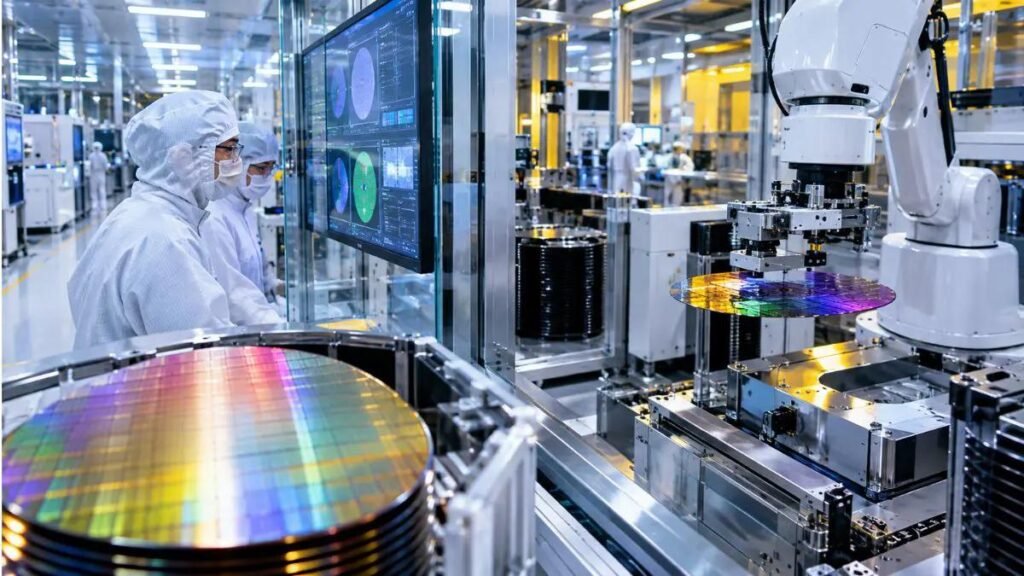
The shortage is not simply about the number of chips manufacturers can produce.
Building semiconductor manufacturing capacity also requires highly specialized equipment, and delivery times are becoming increasingly difficult to manage.
According to SMIC, some equipment orders now require more than 24 months to arrive.
This creates a significant challenge for manufacturers attempting to expand production quickly enough to meet demand.
Even when companies have the financial resources to build additional facilities, they cannot immediately increase output without securing the necessary manufacturing equipment.
SMIC also expects its depreciation expenses to increase by approximately 30% year over year in 2026, reflecting continued investment in manufacturing capacity.
Is the AI Industry Entering a Bubble?
SMIC’s comments also come amid growing debate over whether the massive investment in artificial intelligence could eventually create a market bubble.
Investors have poured substantial capital into AI infrastructure, semiconductor companies and cloud computing providers.
However, SMIC’s management believes the industry remains in its early stages.
Zhao Haijun argued that demand for computing resources remains robust, with customers continuing to experience shortages rather than an oversupply of capacity.
This suggests that manufacturers still see significant opportunities for growth, although the long-term sustainability of AI infrastructure spending remains an important question for investors.
Memory Chip Shortages Could Last Even Longer
The outlook for memory components is also challenging.
SMIC expects memory chip supply and demand to move closer to balance around the middle to latter part of 2028.
Memory is particularly important for AI infrastructure because modern computing systems require increasingly large amounts of high-bandwidth and high-capacity memory.
As AI models become more complex, demand for memory components is expected to remain an important factor shaping semiconductor production and pricing.
What This Means for NVIDIA, AMD and the AI Industry

The continued shortage of semiconductor manufacturing capacity could have consequences across the technology industry.
Companies such as NVIDIA and AMD depend on complex global manufacturing and packaging supply chains to deliver their AI processors.
Cloud providers and data center operators also depend on predictable hardware deliveries to expand their infrastructure.
Extended supply constraints could potentially:
- Delay the deployment of new AI data centers.
- Increase competition for available manufacturing capacity.
- Put pressure on semiconductor prices.
- Slow the expansion of private AI infrastructure.
- Encourage additional investment in domestic chip manufacturing.
However, SMIC’s warning does not mean every category of semiconductor will experience the same level of shortage. Supply conditions vary significantly between advanced processors, memory products and other semiconductor components.
The AI Boom Is Becoming a Manufacturing Challenge
The artificial intelligence revolution is often discussed in terms of increasingly powerful models, new software capabilities and autonomous agents.
But behind every major AI breakthrough is a physical infrastructure that must be manufactured, powered and maintained.
SMIC’s latest assessment highlights an important reality: AI development is becoming increasingly dependent on the ability of the global semiconductor industry to expand production capacity.
With demand expected to remain strong and manufacturing equipment facing lengthy delivery times, the industry may have to navigate supply constraints for several more years.
The next major battle in artificial intelligence may not be about building the smartest AI model. It may be about securing enough chips to run it.


