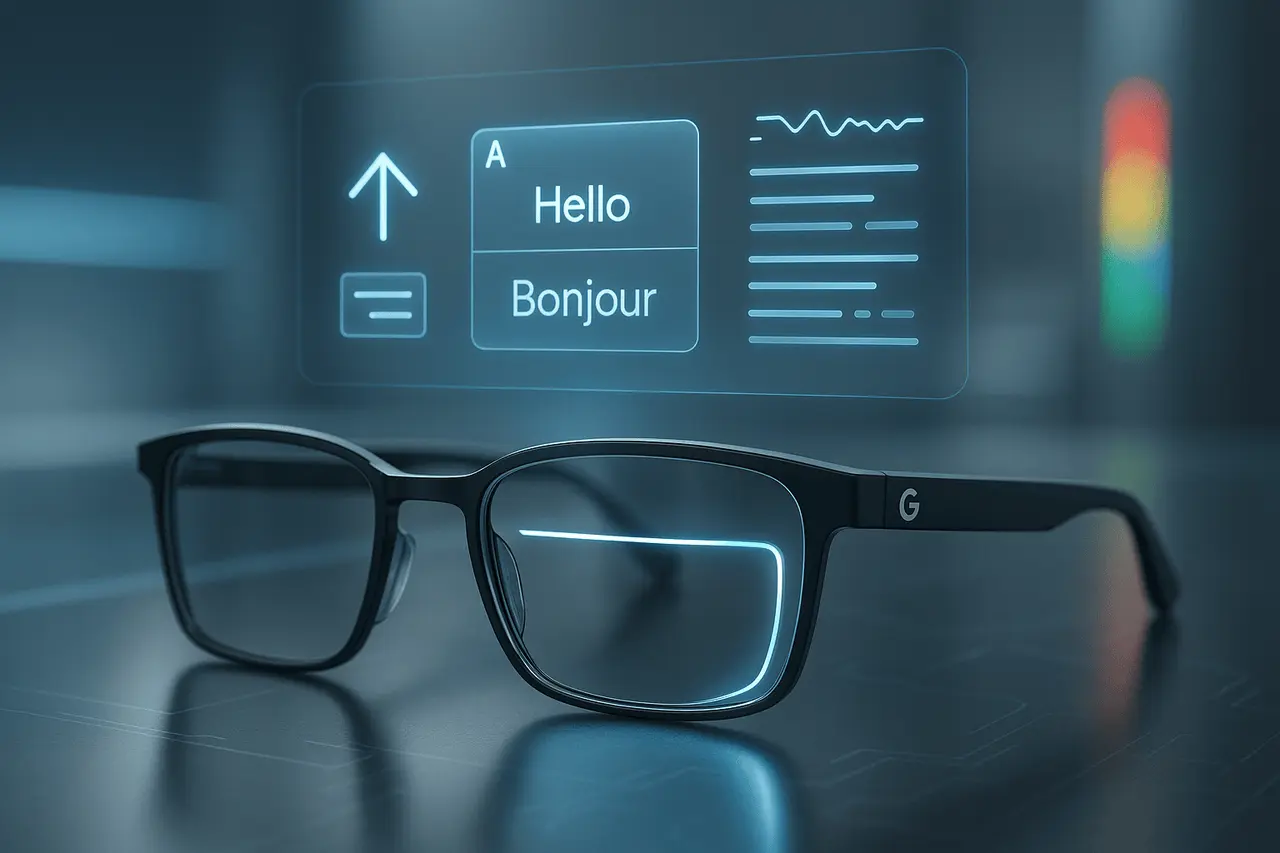
Smart glasses are no longer a futuristic concept reserved for science-fiction movies. They are quickly becoming one of the most important new battlegrounds in consumer technology — and the biggest question surrounding them may have nothing to do with artificial intelligence.
It may be privacy.
Meta’s AI-powered Ray-Ban glasses have helped push smart eyewear into the mainstream, combining traditional-looking glasses with cameras, microphones and an AI assistant. The company’s success has encouraged other technology giants, including Google, Samsung and Apple, to explore their own versions of AI-powered eyewear.
But as the glasses become more common, a growing backlash is emerging around one uncomfortable reality: people may be recording you without you realizing it.
The debate has intensified in recent weeks as reports of secret recordings, privacy concerns and potential facial-recognition features have spread across the technology industry.
The Financial Times reported today that AI glasses are increasingly being viewed as a potential successor to the smartphone as the interface through which people interact with AI. Analysts cited by the publication expect the smart-glasses market to grow dramatically over the next several years.
That opportunity is enormous.
But so is the risk.
The camera problem
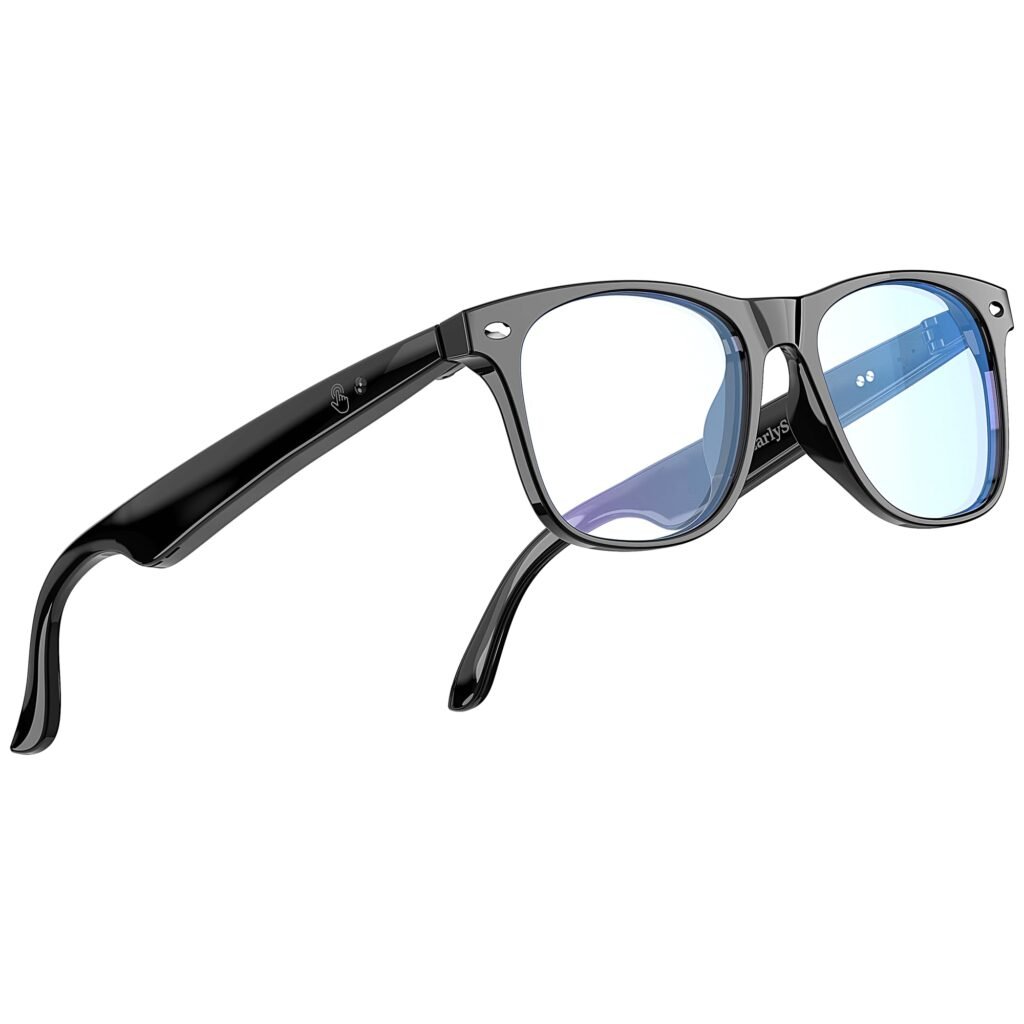
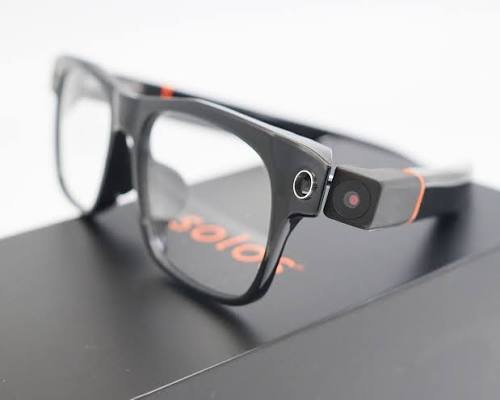
Unlike a smartphone, which is normally visible when someone points it at another person, smart glasses can look almost identical to ordinary eyewear.
That creates a fundamental privacy problem.
A person wearing AI glasses can potentially take photographs, record video and capture audio while appearing to simply be wearing sunglasses.
Meta has attempted to address this with a small recording indicator light. The company says the light is designed to notify people when the glasses are capturing content and has introduced measures intended to disable recording if the indicator is physically tampered with.
Privacy researchers, however, argue that the system is far from perfect.
Ars Technica recently reported that people are already developing applications designed to detect nearby Meta AI glasses. These tools can identify certain Bluetooth signals and estimate how close a pair of smart glasses may be.
That is an extraordinary development.
Instead of simply asking whether someone is recording, people are beginning to look for technology that can tell them whether smart glasses are even nearby.
From smart glasses to surveillance glasses?


The bigger concern is what happens when cameras are combined with increasingly capable AI.
Today’s AI glasses can already answer questions about what the wearer is seeing, provide information and assist with everyday tasks.
Tomorrow’s devices could potentially identify people, understand environments, recognize objects and continuously interpret what is happening around the wearer.
That is where privacy advocates are becoming increasingly concerned.
The Guardian recently examined Meta’s smart glasses and reported on concerns surrounding recordings, facial recognition and the possibility of using AI glasses as a new form of surveillance technology. The report also highlighted controversy around Meta’s internal work involving a potential facial-recognition feature known as “NameTag.”
Meta has previously said that it takes privacy seriously and has emphasized the benefits of AI glasses, particularly for people with visual impairments.
Those benefits are real.
For someone with limited vision, glasses capable of describing objects, reading text or helping navigate an environment could be genuinely transformative.
The problem is that the same technology can have very different consequences when it is used around people who have not agreed to be recorded or analyzed.
Google, Apple and Samsung are coming
Meta is currently one of the biggest names in the smart-glasses market, but the company is not alone.
Google is working with Samsung and eyewear company Gentle Monster on intelligent eyewear, while Apple is also reportedly exploring glasses as part of its broader wearable and AI strategy.
That means the smart-glasses market could soon become another major technology battle similar to smartphones.
The difference is that smartphones are normally held in your hand.
Smart glasses sit on your face.
They can see what you see.
They can hear what you hear.
And, increasingly, AI can interpret what they see and hear.
That makes the privacy debate fundamentally different from the one surrounding smartphones.
Some places are already pushing back
The controversy is no longer theoretical.
Ars Technica reported that a growing number of locations, including some schools, courts, restaurants and entertainment venues, have begun restricting or banning smart glasses because of recording concerns. DEF CON 2026 has also taken a particularly strict position toward smart glasses capable of recording audio or video.
Even major public events are now being forced to create specific rules.
Burning Man’s 2026 guidance allows smart glasses but requires participants to obtain permission before recording people, including individuals who happen to appear in the background.
That may be an early sign of what the future looks like.
Instead of asking whether smart glasses should be allowed, businesses and event organizers may increasingly have to decide where they are allowed and under what conditions.
The technology is not going away

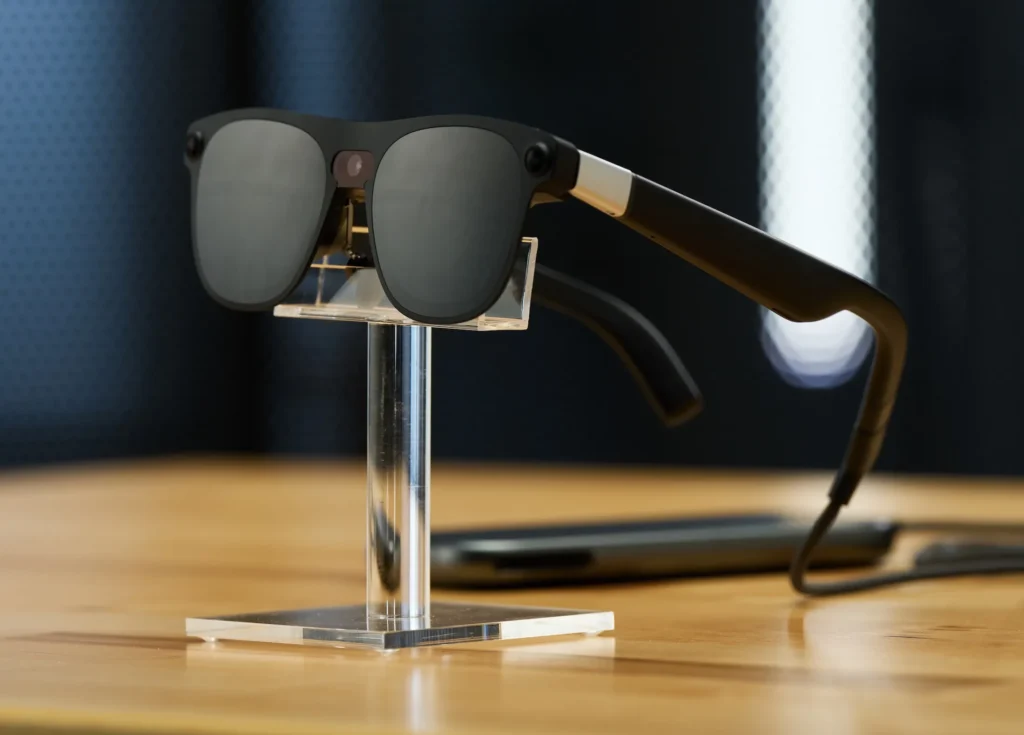
Despite the controversy, there is little evidence that the smart-glasses revolution is slowing down.
The opposite may be true.
Meta is investing heavily in the category, while other technology companies are preparing competing products.
The attraction is obvious.
A smartphone requires you to look down at a screen.
Smart glasses could allow AI to become almost invisible — available instantly without reaching into your pocket.
Imagine walking through a foreign city and having your glasses translate signs automatically.
Imagine looking at a restaurant and asking the AI assistant what people recommend.
Imagine receiving directions without staring at a phone.
Or asking the glasses to identify a product, summarize a document or describe something you cannot see clearly.
That is the promise.
But there is another possibility.
A world where cameras are everywhere, AI knows what those cameras are seeing and ordinary people have no practical way of knowing when they are being recorded.
The next big AI battle may be about trust
The technology industry has spent years competing over processors, operating systems and AI models.
The next battle could be different.
It could be about trust.
Consumers will have to decide whether the convenience of AI on their face is worth the privacy trade-offs.
Companies will have to prove that their devices are not secretly turning public spaces into constantly monitored environments.
And governments may eventually have to establish clearer rules covering recording, biometric information, facial recognition and AI-powered surveillance.
The smart-glasses industry has already demonstrated that people want the technology.
Now it has to demonstrate that society can live with it.
Because if consumers begin associating AI glasses primarily with surveillance rather than convenience, the biggest obstacle to mass adoption may not be the technology itself.
It may be trust.
And that could determine whether smart glasses become the next smartphone — or another technology that never quite escapes the controversy surrounding it.