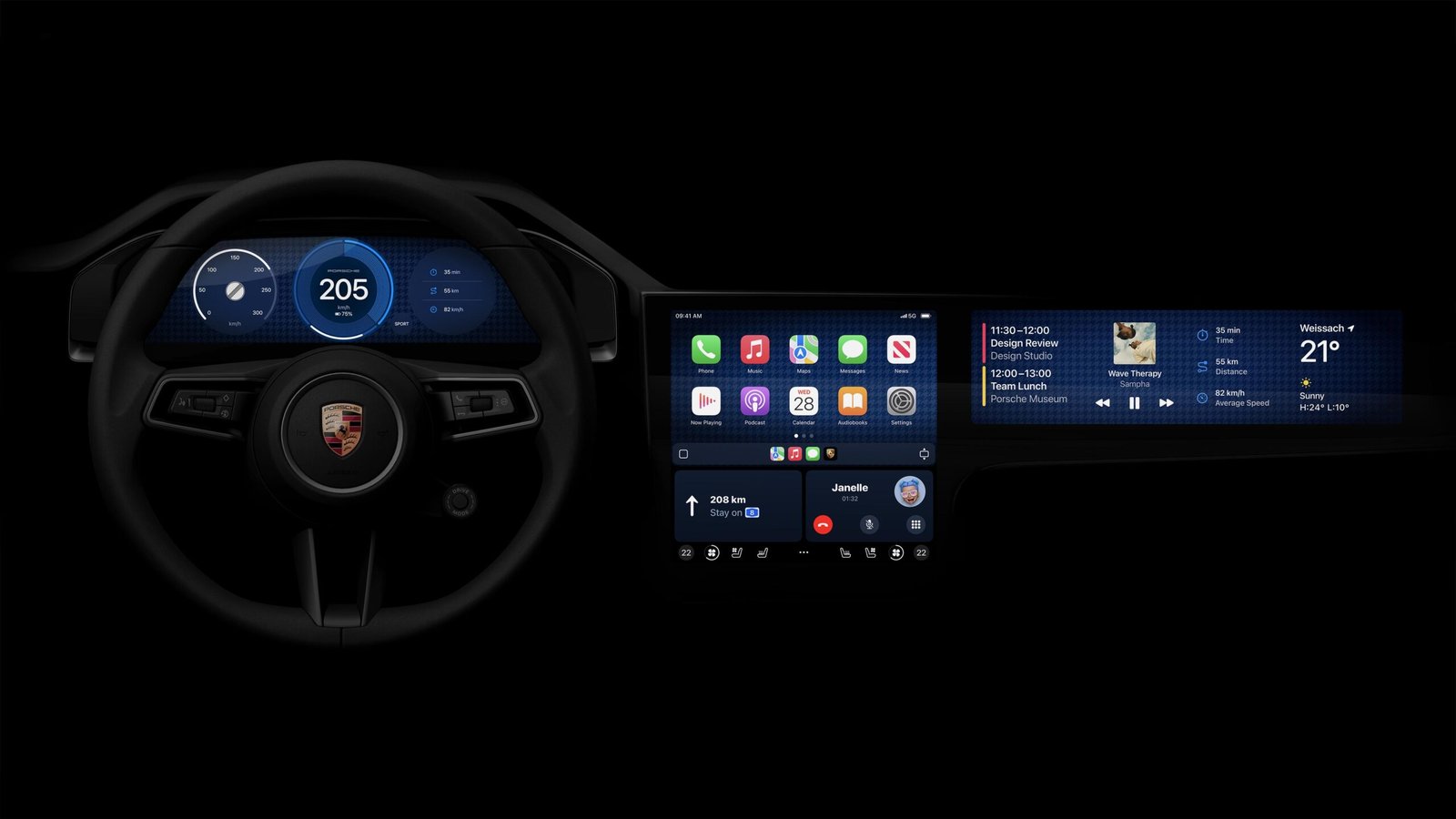
Porsche is selling its MHP IT consulting business to Tata Consultancy Services for €320 million as part of a five-year €1.25 billion AI and technology partnership.
Porsche Is Making a Major Move Into the AI Era


Porsche is one of the world’s most recognizable performance-car brands. But behind the scenes, the German automaker is undergoing a significant transformation — and artificial intelligence is becoming a central part of it.
On August 24, Porsche and India’s Tata Consultancy Services announced a major technology agreement that combines the sale of Porsche’s IT and consulting subsidiary MHP with a five-year strategic partnership worth €1.25 billion ($1.46 billion).
TCS will acquire MHP for an enterprise value of €320 million ($373 million). The transaction is expected to close within three to four months, subject to regulatory approvals.
The bigger story, however, is not simply that Porsche is selling a company.
It is what the two companies plan to do next.
AI will be pushed deeper into Porsche’s engineering, manufacturing, operations and customer experience.
And that could have consequences far beyond Porsche.
A $1.46 Billion Partnership Behind the Deal
The acquisition and the broader technology partnership are connected, but they are not the same transaction.
TCS is buying 100% of MHP, Porsche’s Germany-based management and IT consulting business, for €320 million.
At the same time, Porsche has committed €1.25 billion over five years to TCS and MHP for technology services.
The partnership will focus on:
- Artificial intelligence
- Automotive software
- Manufacturing technology
- Engineering systems
- Customer experience
- Digital transformation
- Software-defined mobility
TCS also plans to establish an AI Mobility Centre of Excellence for Porsche.
In other words, Porsche is effectively restructuring how it handles a major part of its digital future while simultaneously investing heavily in AI.
Why Does Porsche Need AI?

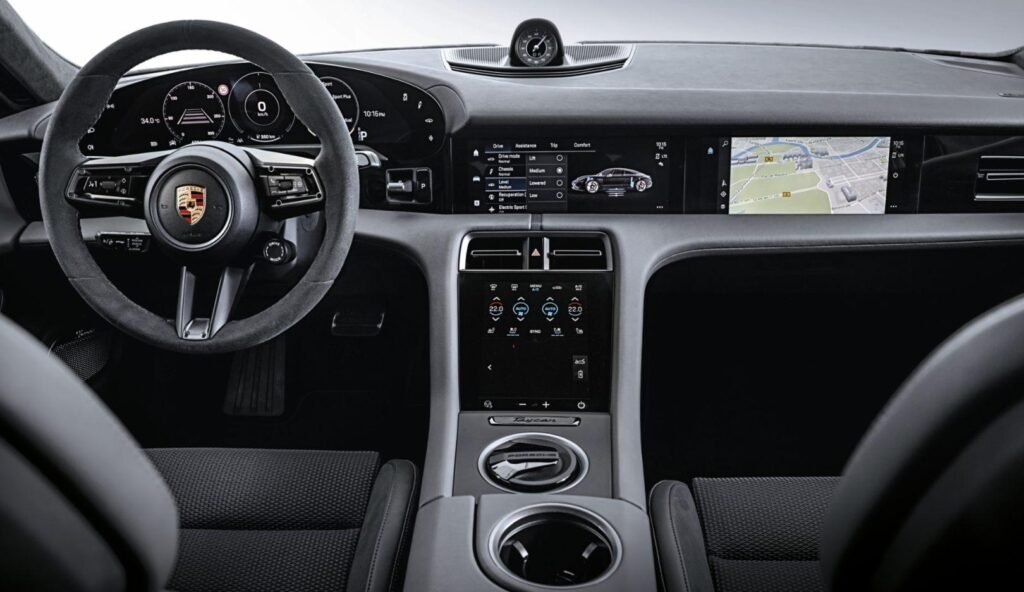
Modern cars are becoming computers on wheels.
The traditional automotive industry was primarily about engines, transmissions, suspension, materials and mechanical engineering.
Today’s vehicles increasingly depend on software.
Modern cars can receive software updates, communicate with cloud services, process enormous amounts of sensor data, provide advanced driver assistance and personalize the driving experience.
Electric vehicles have accelerated this transition even further.
Porsche therefore needs software expertise almost as much as it needs traditional automotive engineering.
The company is also facing increasing competition from Chinese automakers, pressure on costs and the expensive transition toward electric vehicles.
Reuters reported that Porsche has been restructuring its portfolio as it responds to these pressures, including the sale of stakes in Bugatti and Rimac and the closure of several subsidiaries earlier this year.
The MHP transaction fits into that broader strategy.
MHP Is Much More Than an IT Company


MHP specializes in automotive and industrial consulting.
Its work includes:
- AI
- Digital transformation
- SAP
- Manufacturing digitalization
- Software-defined mobility
- Business consulting
- Connected mobility
The company has more than 4,500 employees and generated approximately €743 million in revenue during 2025, according to reports on the transaction.
That expertise is valuable because the automotive industry is rapidly moving toward software-defined vehicles.
A software-defined vehicle is essentially a car whose functionality can increasingly be changed, improved or expanded through software rather than requiring physical modifications.
That could eventually mean cars receiving major new capabilities through updates after they have already been sold.
Porsche Wants AI Across the Entire Company
The partnership goes far beyond putting an AI chatbot inside a Porsche.
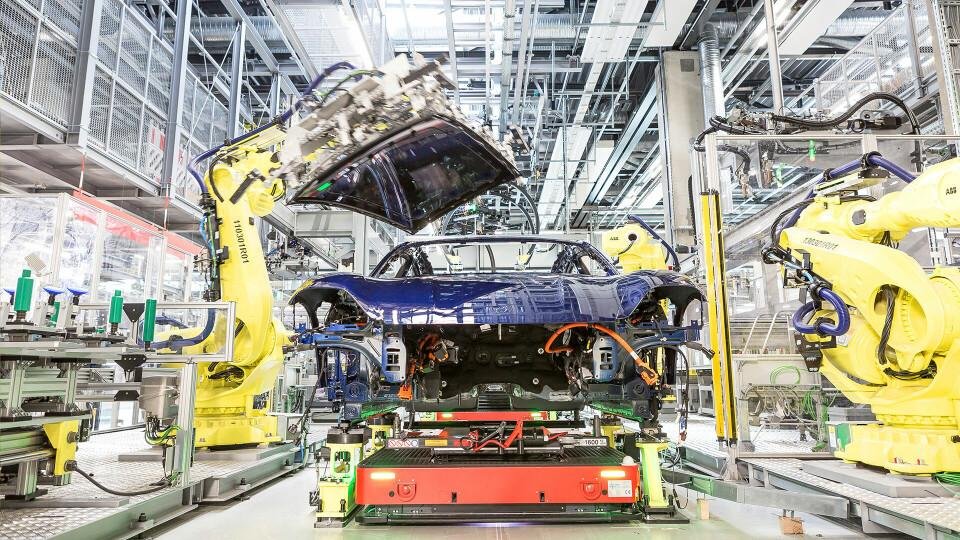
The companies say AI will be deployed across Porsche’s engineering, manufacturing, operations and customer-experience functions.
That could involve AI-assisted engineering.
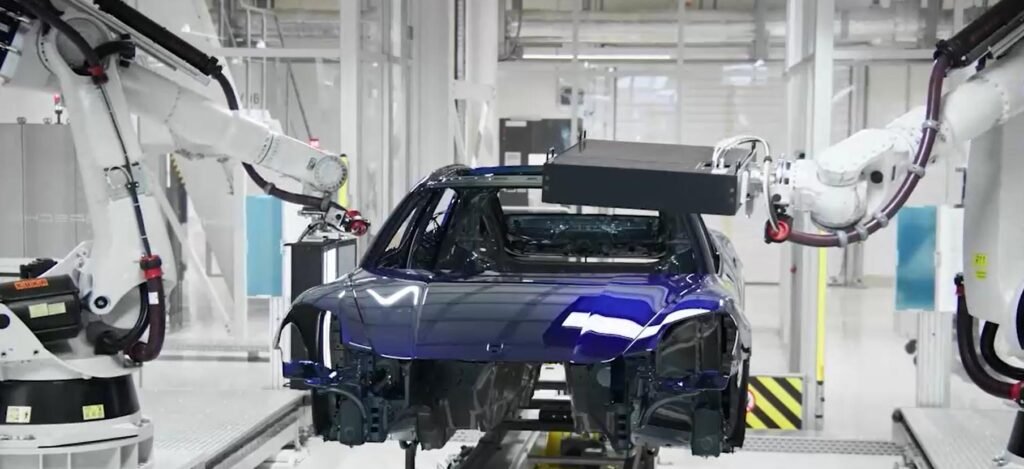
It could mean smarter production lines.
It could improve predictive maintenance.
It could help analyze manufacturing data.
It could personalize customer interactions.
And it could accelerate the development of software for future vehicles.
This is an important shift.
AI is moving from being a feature that consumers see on their phones or computers to becoming part of the infrastructure used to design and manufacture physical products.
The Car Industry Is Becoming an AI Industry

Porsche is not alone.
Almost every major automaker is trying to figure out how artificial intelligence will reshape the automobile.
Cars are increasingly collecting data from cameras, radar, sensors and other systems.
That information can be used to improve driver assistance, navigation, manufacturing and vehicle maintenance.
At the same time, automakers are trying to create software platforms that can compete with technology companies.
This is creating a new competitive battlefield.
The future automobile may be judged not only by:
How fast is it?
or
How efficient is it?
but also:
How intelligent is it?
Porsche Is Also Trying to Focus on Its Core Business


There is another important element to the deal.
Porsche has been trying to simplify its corporate structure and concentrate more heavily on its core sports-car business.
The sale of MHP fits that strategy.
Rather than keeping every digital and consulting capability inside the Porsche organization, the company can continue working with MHP while transferring ownership to a technology specialist.
That gives Porsche access to MHP’s expertise without necessarily having to operate the consulting business itself.
Business Standard reported that MHP’s more than 300 clients and its expertise in automotive consulting could also give TCS a stronger position in the European market.
For TCS, the deal therefore represents much more than acquiring a Porsche subsidiary.
It is an opportunity to expand deeper into Europe’s automotive industry.
Why India Is Becoming Important to Europe’s Car Industry

Tata Consultancy Services is one of India’s largest IT services companies.
The Porsche agreement illustrates a broader trend: European companies increasingly rely on major Indian technology firms for digital transformation.
India has built a huge software-services industry, and companies such as TCS have accumulated experience working with global corporations.
Now that AI is transforming traditional IT outsourcing, those companies are moving toward higher-value services involving artificial intelligence, cloud computing, software engineering and automation.
The Porsche deal comes at a time when India’s approximately $315 billion IT services industry is facing pressure because some customers are reducing or delaying traditional technology spending while increasing their focus on AI.
For TCS, automotive AI could therefore become an important growth area.
What Does This Mean for Future Porsche Cars?

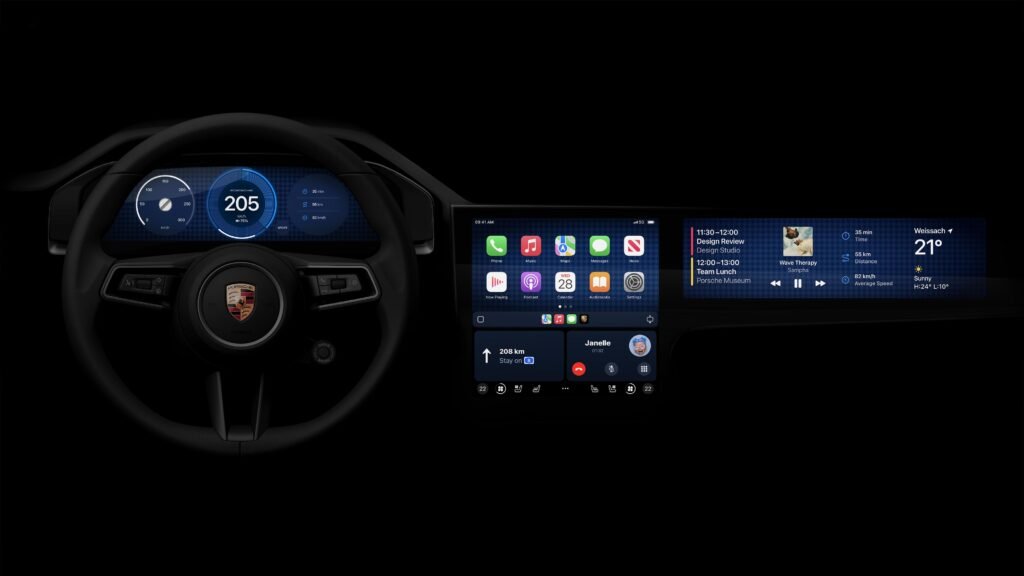
Consumers probably will not see an immediate dramatic change.
This is not a deal that suddenly puts a completely new AI system into every Porsche tomorrow.
The transformation will happen gradually.
But over the next several years, the technology could influence how future Porsche vehicles are designed, manufactured and updated.
Imagine a Porsche where software can continuously improve certain functions.
Imagine AI-assisted vehicle diagnostics.
Imagine production lines that automatically detect manufacturing problems.
Imagine customer services that understand a driver’s preferences.
Imagine a vehicle platform designed to evolve through software rather than remaining essentially fixed after purchase.
That is the direction the industry is moving.
The Bigger Question: Who Will Control the Software?
There is a much larger issue hiding behind the Porsche-TCS agreement.
As cars become increasingly software-defined, automakers will have to decide how much control they want to maintain over their technology.
Will the car company develop everything internally?
Will it rely on technology companies?
Will third-party AI providers become part of the vehicle ecosystem?
Or will automakers create hybrid systems?
Porsche’s decision to deepen its relationship with TCS suggests that partnerships will probably become increasingly important.
The modern automobile is simply becoming too technologically complex for traditional automotive expertise alone.
AI Is Reshaping More Than the Car
The Porsche deal is a useful example of a much larger economic transformation.
AI is no longer confined to search engines, chatbots and image generators.
It is moving into factories.
Into logistics.
Into engineering.
Into finance.
Into healthcare.
And now increasingly into the production of cars.
That means the companies that successfully combine AI + software + physical products could become some of the most important businesses of the next decade.
Porsche has spent decades perfecting mechanical engineering.
Now it is preparing for a future where software and artificial intelligence may be just as important as horsepower.
The €320 million acquisition of MHP may not initially look like the biggest deal in the automotive world.
But combined with Porsche’s €1.25 billion, five-year technology commitment, it becomes much more significant. Porsche is effectively betting that the next generation of cars will be defined not only by engines, batteries and design, but by AI, software and data.
And TCS is betting that it can become one of the companies helping build that future.
For drivers, the result could eventually be cars that are more connected, more software-driven and increasingly capable of learning and adapting. The Porsche of the future may still look like a Porsche.
But underneath the bodywork, it could be a very different kind of machin.