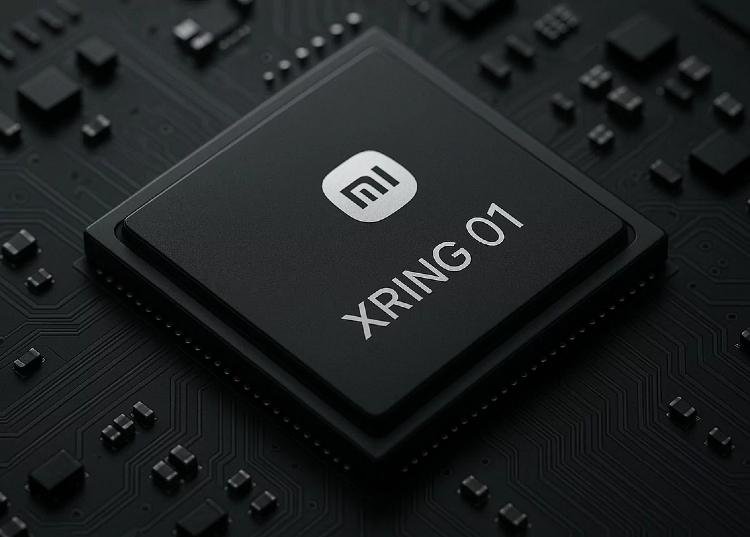
Xiaomi has unveiled a new generation of its Xring smartphone processor and is working with TSMC as it pushes to control more of the technology inside its devices.
Xiaomi Wants More Control Over What Powers Its Smartphones
Xiaomi is making a significant move deeper into the semiconductor business.
The Chinese smartphone manufacturer has unveiled a new generation of its internally developed Xring processor, while working with Taiwan Semiconductor Manufacturing Co. (TSMC) to produce the chips.


The strategy is about more than launching another smartphone processor.
Xiaomi wants greater control over one of the most important components inside its devices — the chip that powers everything from everyday applications to artificial-intelligence features.
Reuters reported Monday that Xiaomi is betting on its own processor technology to strengthen its supply chain and reduce reliance on external chip suppliers.
That puts Xiaomi into an increasingly important battle taking place behind the smartphone screen.
Why Smartphone Chips Matter So Much

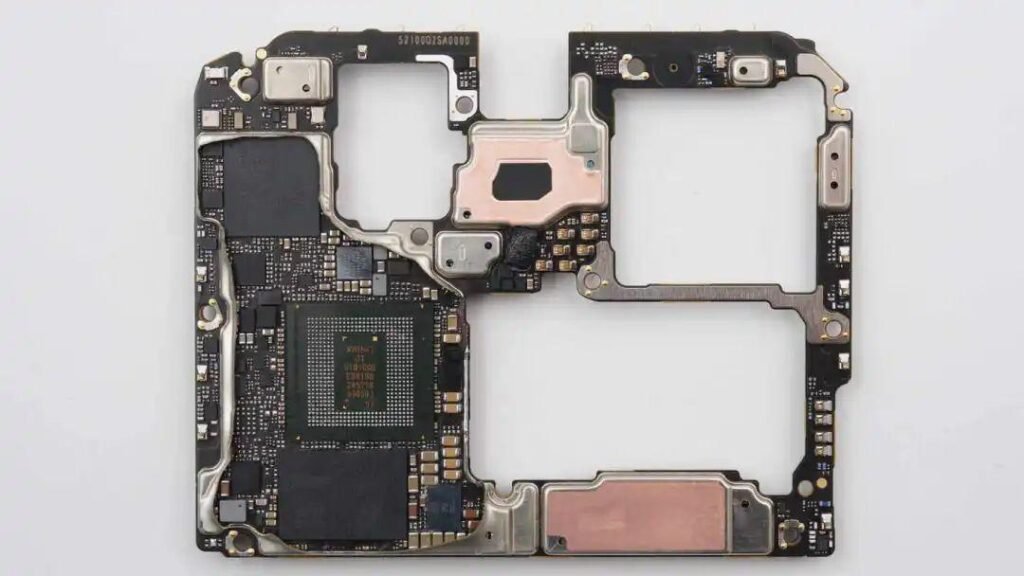
When people buy a smartphone, they usually focus on the camera, screen, battery or design.
But underneath all of those features is the processor.
The chip determines how quickly applications run, how efficiently the phone uses power, how advanced its camera processing can be and how much artificial intelligence can be performed directly on the device.
Modern smartphone processors are no longer simply CPUs.
They combine multiple computing components, including graphics processing and specialized AI acceleration.
That means the company controlling the processor can have much more influence over the final smartphone experience.
For Xiaomi, developing its own chips could therefore provide a major strategic advantage.
Xiaomi Has Already Been Moving in This Direction

The new Xring generation is not Xiaomi’s first attempt to develop its own silicon.
The company has increasingly invested in semiconductor design as part of a broader effort to reduce dependence on outside suppliers.
That is especially important for Chinese technology companies operating in an increasingly complicated global semiconductor environment.
The smartphone industry relies heavily on a relatively small number of major chip designers and manufacturers.
Companies such as Qualcomm and MediaTek have historically supplied processors to many Android smartphone manufacturers.
Apple, meanwhile, has built a powerful advantage by designing its own chips for the iPhone.
Google has also developed its Tensor processors for Pixel devices.
Xiaomi now wants more control over its own silicon.
The TSMC Connection Is Crucial
Designing a chip and manufacturing a chip are two very different things.
Xiaomi can design the architecture.
But producing advanced processors requires enormous semiconductor manufacturing capabilities.
That is where TSMC comes in.
TSMC is one of the world’s most important chip manufacturers and produces processors for many of the biggest technology companies.
By working with TSMC, Xiaomi can combine its own chip design with advanced semiconductor manufacturing.
The result is a model increasingly used by major technology companies:
Design the chip yourself. Let a specialist manufacture it.
This allows companies to differentiate their products without having to build and operate their own cutting-edge semiconductor factories.
The AI Battle Is Changing Smartphone Processors
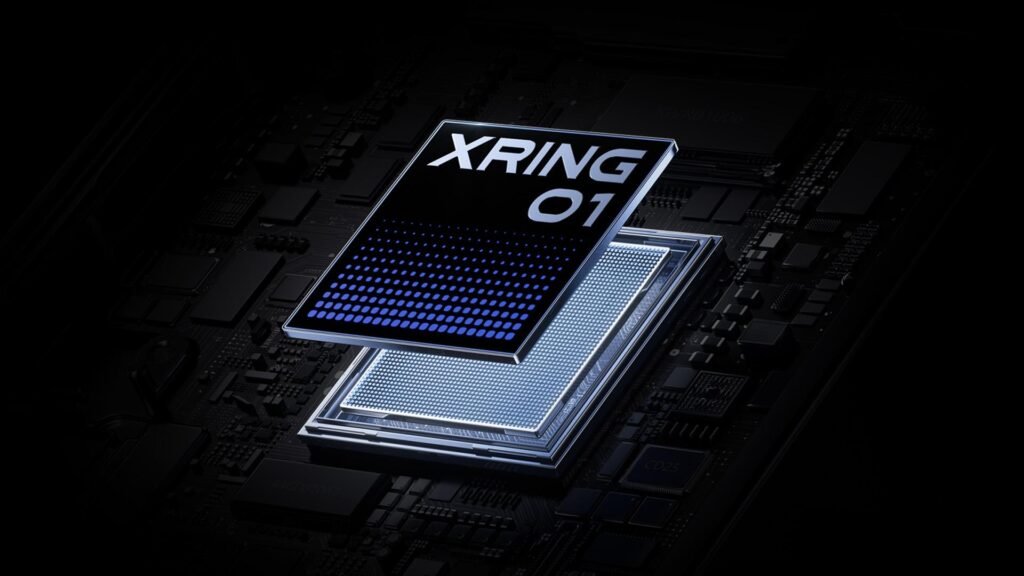
Artificial intelligence is one of the biggest reasons smartphone chips have become so important.
Today’s phones increasingly perform AI tasks directly on the device.
Examples include:
- Image enhancement
- Voice recognition
- Real-time translation
- Generative AI functions
- Photo editing
- Object recognition
- Personal assistants
- Battery optimization
- Security features
Instead of sending every task to a cloud server, some AI operations can happen directly on the smartphone.
That can make applications faster and improve privacy while reducing dependence on an internet connection.
A processor designed specifically around these workloads can therefore become a major selling point.
Xiaomi’s investment in Xring fits into that larger shift.
Xiaomi Is Not Alone
The smartphone industry is increasingly divided between companies that rely on third-party processors and companies that design their own.
Apple is probably the best-known example.
Its custom silicon has allowed the company to tightly integrate hardware and software.
Google has taken a similar approach with Tensor.
Samsung has its Exynos processors alongside Qualcomm-powered Galaxy models.
Huawei has also invested heavily in its own chip ecosystem.
Now Xiaomi is pushing further in the same direction.
The result could be a smartphone market where the processor becomes an increasingly important part of each manufacturer’s identity.
Why This Could Be Good for Xiaomi
There are several potential benefits.
1. More control over performance
Xiaomi can optimize the processor specifically for its own smartphones.
Instead of designing a phone around a chip made for many manufacturers, it can tailor the hardware and software together.
2. Better AI integration
The company can design AI capabilities around its own software ecosystem.
3. Supply-chain flexibility
Greater control over chip design could reduce dependence on external suppliers.
4. Product differentiation
A custom processor gives Xiaomi another way to distinguish its premium devices.
5. Long-term cost control
Although designing chips is expensive, successful internal silicon can eventually provide more control over component costs.
These advantages explain why companies are willing to spend billions developing semiconductor technology.
But Designing Chips Is Extremely Difficult
There is also a major risk.
A smartphone processor has to perform reliably under enormous workloads while consuming as little power as possible.
A chip can look impressive on paper and still struggle in real-world devices.
Thermal management is another challenge.
A powerful processor generates heat.
A smartphone, unlike a desktop computer, has very little physical space for cooling.
That means Xiaomi must balance:
Performance + AI power + battery life + heat + reliability.
The company also has to keep pace with competitors that have spent years refining their chip designs.
Could Xiaomi Challenge Qualcomm and MediaTek?
That is the bigger question.
Qualcomm and MediaTek have enormous experience designing smartphone processors and supplying manufacturers around the world.
Xiaomi is unlikely to displace them overnight.
But it does not necessarily need to.
Even if Xiaomi continues using third-party chips in some devices, having a competitive internal alternative gives the company more negotiating power and strategic flexibility.
And if Xring continues improving, Xiaomi could eventually use its own processors in a much larger percentage of its flagship phones.
That could change the balance of power in the Android ecosystem.
The Smartphone Is Becoming More Like a Computer



There is another reason this story matters.
The smartphone industry is slowly moving toward a model that looks much more like the PC industry.
In the past, consumers largely bought a device based on its brand and design while the internal processor was something most people ignored.
Today, hardware and software are becoming tightly integrated.
Apple’s success with its custom chips demonstrated how powerful this strategy can be.
Xiaomi appears to be pursuing a similar philosophy.
The phone becomes a complete system:
Operating system + processor + AI + camera + cloud services + hardware design.
The tighter those components work together, the more difficult it becomes for competitors to copy the overall experience.
China’s Semiconductor Push Is Part of the Story
There is also a much larger geopolitical dimension.
China has been investing heavily in its domestic semiconductor industry as companies face restrictions and uncertainty surrounding access to advanced technologies.
The development of proprietary chips by major Chinese technology companies therefore has significance beyond smartphones.
It is part of a broader effort to develop more control over critical technologies.
Reuters has been closely tracking the semiconductor and AI race, including developments involving Chinese chipmakers and restrictions surrounding advanced AI hardware.
Xiaomi’s Xring strategy should therefore be viewed within this wider transformation.
What Consumers Should Expect
For consumers, the most important question is simple:
Will the next Xiaomi phone actually be better?
If Xiaomi can successfully integrate Xring into its smartphones, users could eventually see improvements in:
- AI performance
- Camera processing
- Battery efficiency
- Gaming
- App performance
- Device security
- On-device AI
But the real test will come when the processor is placed inside large numbers of consumer devices.
Benchmark numbers alone will not determine success.
Battery life, heat, reliability and everyday performance will matter much more.
The Bigger Smartphone Battle Is Moving Inside the Phone
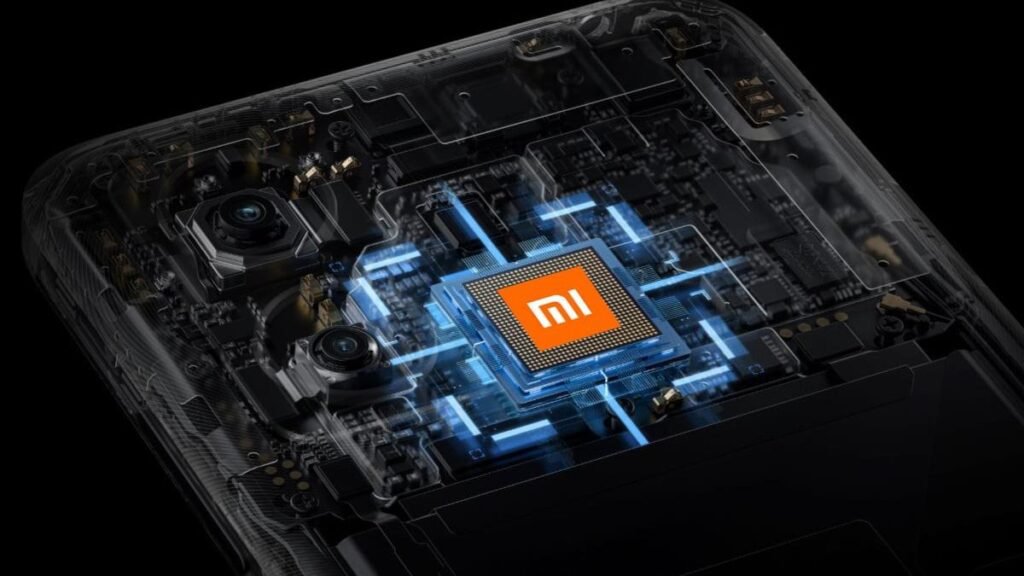
The smartphone wars are no longer only about cameras and screens.
They are increasingly about silicon.
Apple has its own chips.
Google has Tensor.
Samsung has Exynos.
Huawei is building its own ecosystem.
And Xiaomi is investing more aggressively in Xring.
Meanwhile, Qualcomm and MediaTek remain critical suppliers across the Android ecosystem.
That means the next major smartphone competition could be fought not on the outside of the phone, but deep inside it.
Xiaomi’s Next Big Test
Xiaomi has built its reputation by offering powerful smartphones at competitive prices.
Its next challenge is becoming more technologically independent.
The new Xring processor and TSMC manufacturing relationship represent a significant step in that direction.
If Xiaomi succeeds, the company could gain greater control over its hardware roadmap, improve AI integration and reduce its dependence on outside chip suppliers.
For consumers, that could ultimately mean more powerful and more specialized smartphones.
For the semiconductor industry, however, it means something even bigger:
another major technology company wants to control its own silicon.
And that is a trend worth watching closely.