






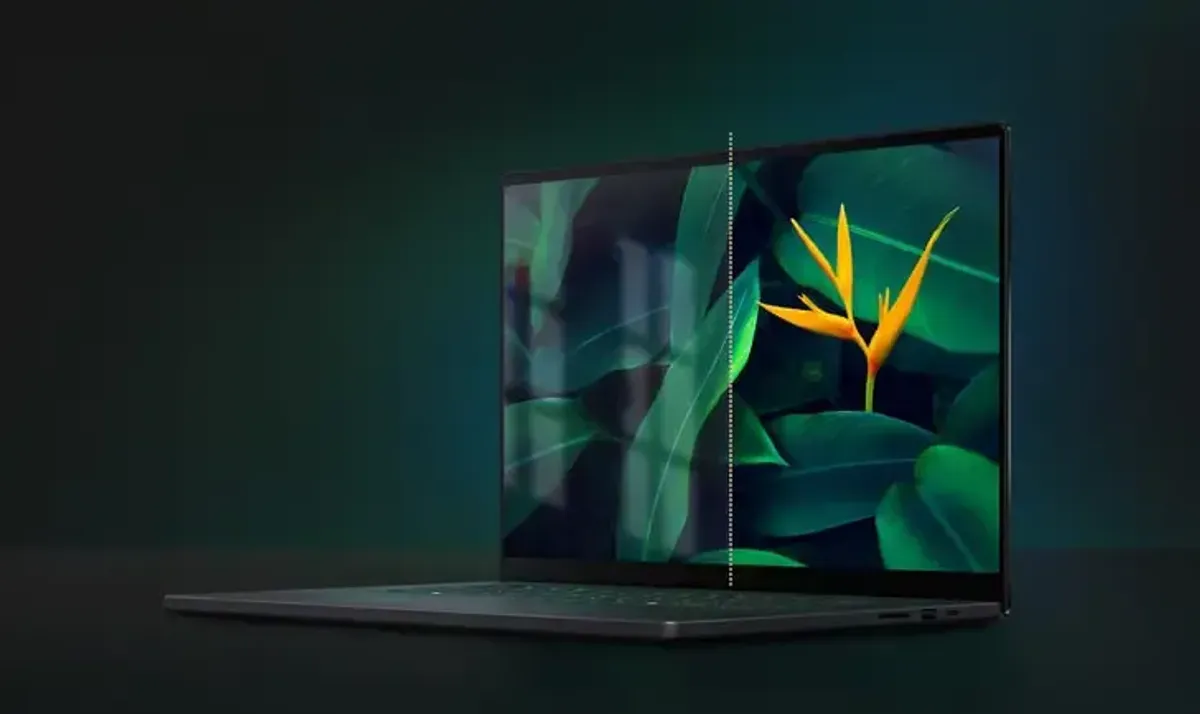
ASUS has introduced a new generation of laptops for creators: ProArt P16 and ProArt P14, built around the new NVIDIA RTX Spark platform, an architecture that brings workstation-level performance to a portable form factor.
The AI PC race has mostly been about squeezing more neural processing power into thinner laptops. Asus is taking a different route. Its latest ProArt P16 and ProArt P14 creator laptops are built around Nvidia’s new RTX Spark platform, a chip package that sounds like something you’d expect to find inside a workstation. And that’s exactly the point.
The new ProArt machines are targeting creators, developers, and power users who increasingly want desktop-class AI performance without being tethered to a desk.
Workstation-like performance in a laptop
- According to ASUS, the ProArt P16 and P14 can:
- process large 3D projects
- edit video in very high resolutions
- generate AI content locally
- run large language models without the cloud


The biggest story here isn’t the laptops themselves. It’s the hardware inside them. NVIDIA’s RTX Spark platform combines an RTX GPU based on the Blackwell architecture with a 20-core Grace CPU, creating a package designed to handle AI workloads that would typically require a much larger machine.
Asus claims users can work with enormous 3D scenes, edit ultra-high-resolution video, generate AI content locally, and even run massive language models without relying on cloud servers.
That matters because AI workflows are quickly becoming part of everyday creative work. Whether you’re generating concept art, cleaning up footage, creating visual effects, or experimenting with local AI assistants, performance is becoming just as important as battery life. The promise here is simple: fewer compromises between portability and raw compute power.
Despite the workstation-like ambitions, Asus says both laptops are slimmer and lighter than the previous-generation ProArt models. That’s a notable achievement considering the amount of hardware packed inside. The displays are equally impressive on paper.
The larger ProArt P16 features an OLED panel with a high refresh rate and variable refresh rate support, while the P14 focuses on delivering sharp visuals in a more compact form factor. Both are aimed squarely at photographers, video editors, designers, and anyone who spends their day staring at timelines and color palettes.

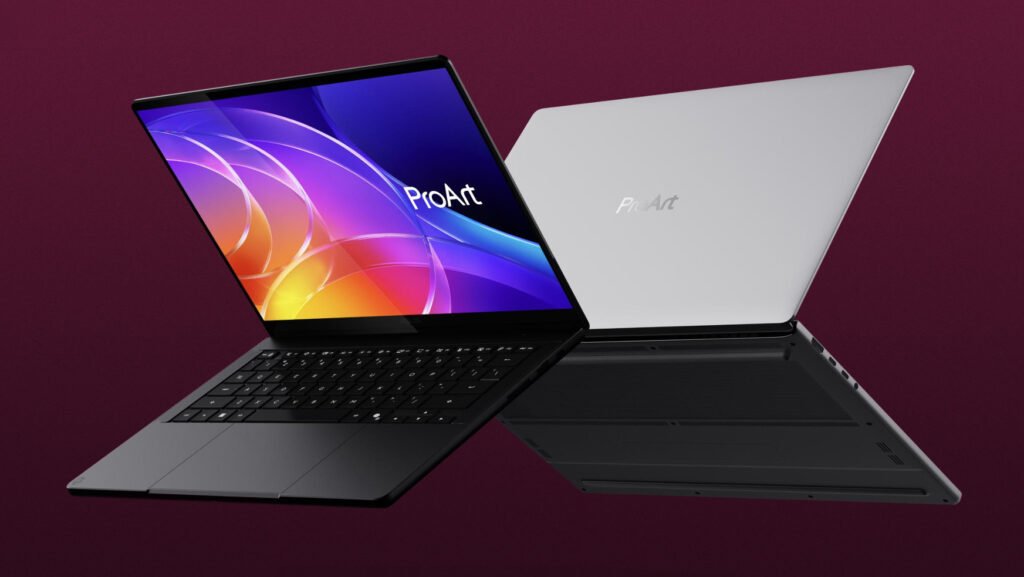
Asus is also leaning heavily into its broader creative ecosystem. Tools like Creator Hub, MuseTree, and StoryCube are designed to simplify AI-assisted workflows, while partnerships with popular creative software makers should help these machines feel useful from day one rather than serving as expensive tech demos.
Thinner, yet more powerful design
While offering high performance,
ASUS says that: they are thinner and lighter than the previous generation
ProArt retain high portability balance power and mobile usability
The challenge, of course, is convincing creators that they need this much AI horsepower in a laptop. But as generative AI tools continue to become part of mainstream creative software, that argument gets easier every month. For now, the new ProArt P16 and P14 look like Asus’ most ambitious creator laptops yet — thin enough to carry anywhere, but powerful enough to make many desktop PCs feel a little nervous.