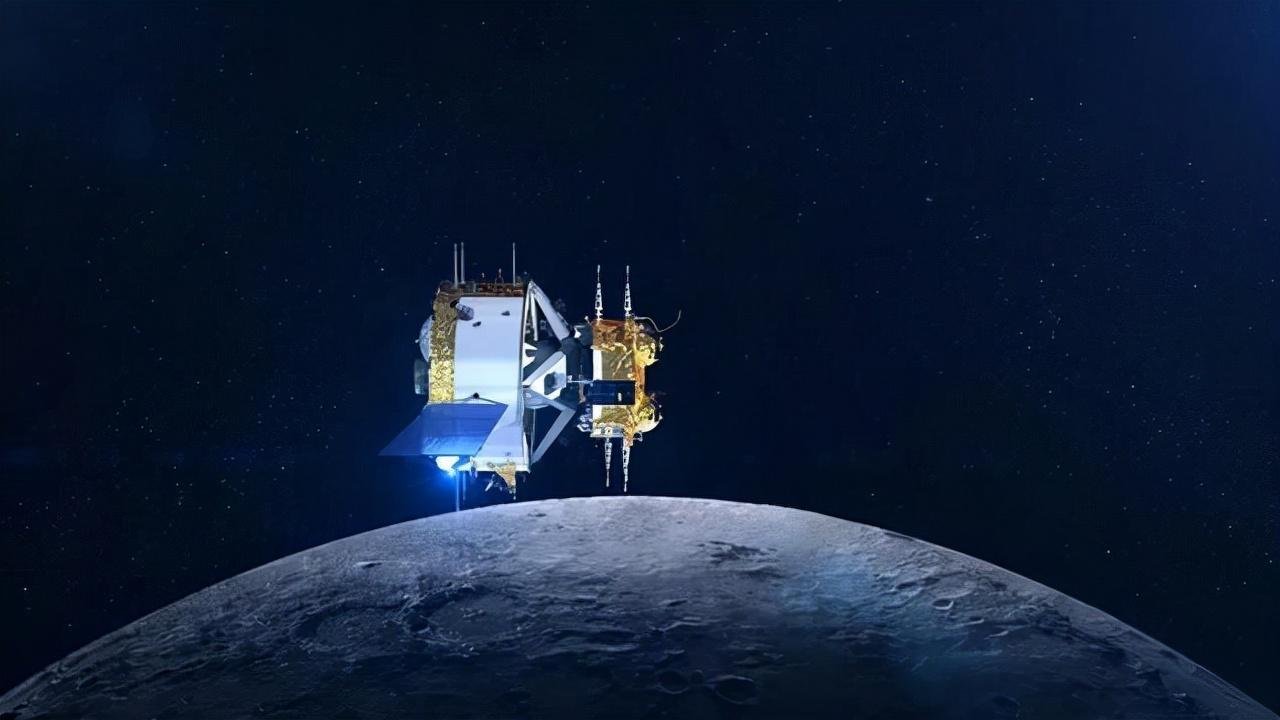
China has delayed the launch of its ambitious Chang’e-7 lunar mission, postponing a major effort to explore the Moon’s south polar region and search for evidence of water ice.
The mission was expected to launch during 2026, but Chinese authorities have now decided not to proceed during the current launch window. The decision comes after an assessment of the mission’s readiness and the conditions required to maximize the chances of success.
For China’s space program, this is an important setback. But it is not a cancellation.
Chang’e-7 remains one of the country’s most important robotic lunar missions, and its eventual launch could provide crucial information about one of the most strategically important regions on the Moon.
Why the Moon’s South Pole Matters

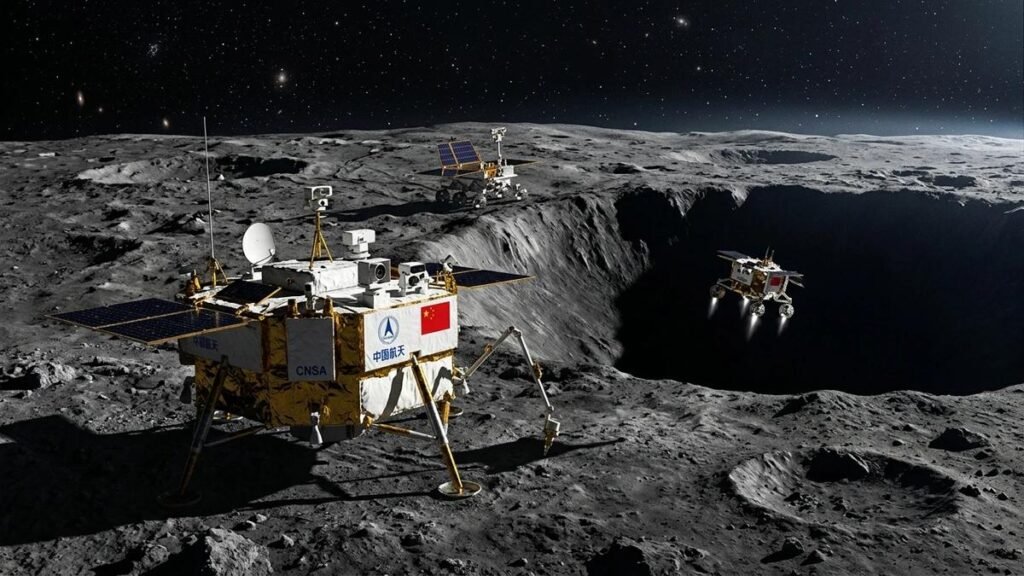

The south pole has become a major focus of modern lunar exploration because scientists believe permanently shadowed craters could contain water ice.
Some areas near the lunar poles receive little or no direct sunlight. Because temperatures inside these permanently shadowed regions can remain extremely low, volatile materials may have survived there for billions of years.
Water would be particularly valuable.
Future astronauts could potentially use lunar water for drinking and life-support systems. More importantly, water can be separated into hydrogen and oxygen, which could eventually provide the ingredients for rocket propellant.
That could change the economics of lunar exploration.
Launching water and fuel from Earth requires enormous amounts of energy. If future lunar missions can obtain some of those resources locally, the Moon could potentially become a staging point for missions farther into space.
That is one reason the lunar south pole has become a target for multiple space agencies and commercial companies.
Chang’e-7 Is More Than a Simple Lunar Landing
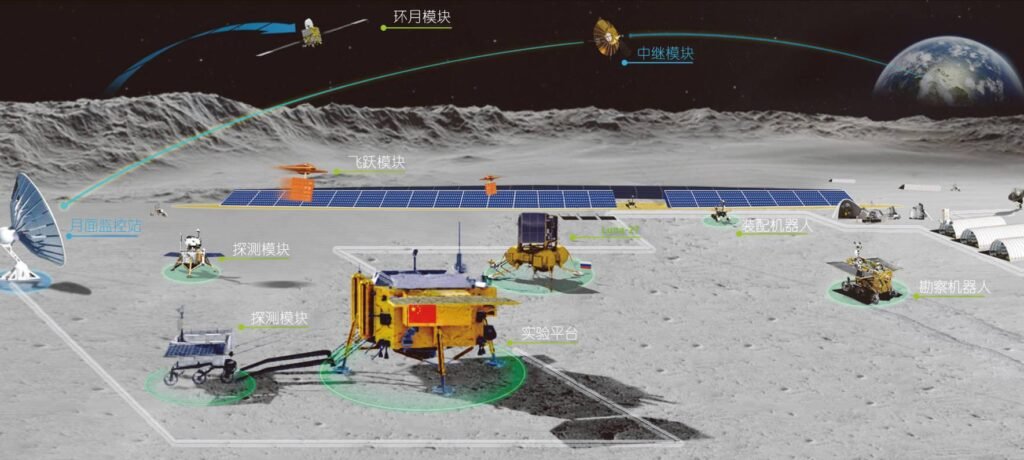
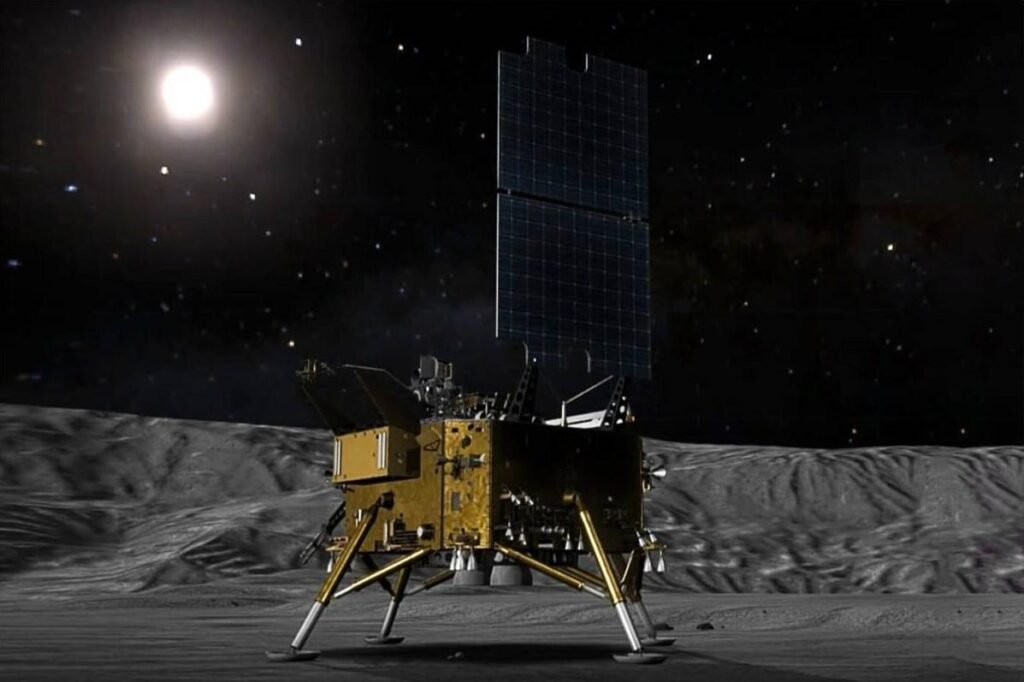
Chang’e-7 is designed as a sophisticated robotic expedition rather than a single spacecraft landing on the Moon.
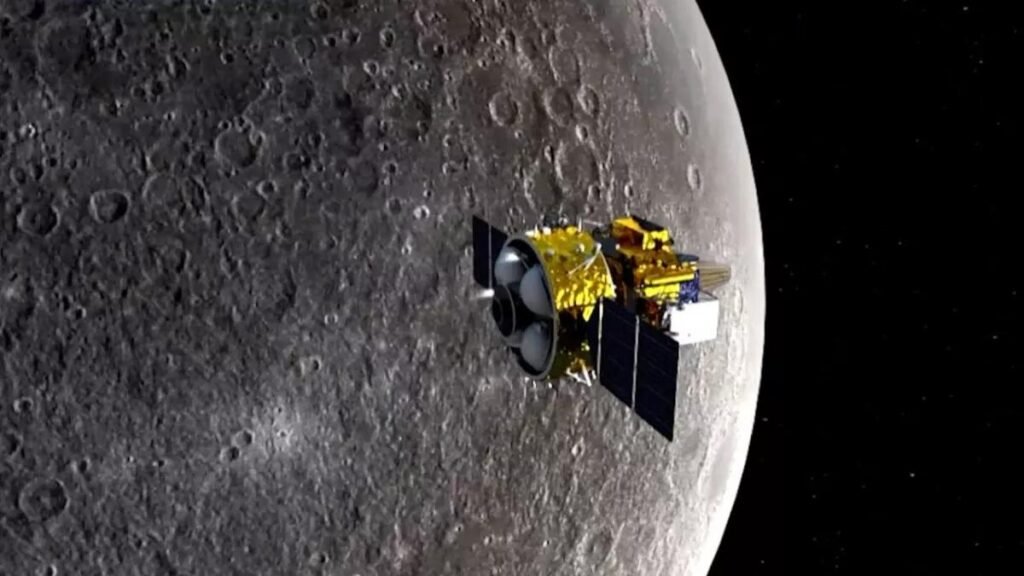
The mission is expected to include an orbiter, lander, rover and a small flying or hopping vehicle designed to investigate difficult terrain.
Each component has a different purpose.
The orbiter will study the lunar environment from above, while the lander and rover will conduct surface investigations. The hopping vehicle is particularly interesting because it is intended to explore areas that conventional wheeled vehicles may have difficulty reaching.
That could include permanently shadowed regions where scientists are especially interested in searching for water ice.
The mission therefore combines science with technology development.
If successful, Chang’e-7 could demonstrate techniques that China could later use during more complex robotic and crewed lunar missions.
The Delay Is Significant — But the Details Matter
China has not publicly described the postponement as a failure of the spacecraft or rocket.
That distinction is important.
Reports have indicated that weather conditions and the need to meet specific lunar environmental requirements may have contributed to the decision. However, without an official technical explanation, it would be premature to claim that a particular spacecraft component caused the delay.
The safest conclusion is that China decided the mission should not launch during the current opportunity.
For a complex lunar mission, that can be the responsible choice.
A launch vehicle can be ready while the mission as a whole is still not in the ideal condition for liftoff, trajectory insertion, landing and surface operations.
The Moon does not offer the same flexibility as launching a satellite into low Earth orbit.
China’s Larger Lunar Ambitions
Chang’e-7 is part of a much larger Chinese lunar strategy.
China has already achieved several major milestones through the Chang’e program. Its Chang’e-6 mission successfully returned samples from the far side of the Moon, marking a historic achievement in lunar exploration.
The next missions are increasingly focused on understanding the lunar environment and preparing for longer-term activity.
China has also announced ambitions for crewed lunar exploration and has discussed the development of a future international lunar research station.
That makes missions such as Chang’e-7 strategically important.
Before astronauts can spend extended periods on the Moon, scientists need detailed information about the environment, terrain and available resources.
Robotic missions can perform much of that reconnaissance without putting human lives at risk.
A New Space Race Is Taking Shape
The competition around the Moon is also becoming increasingly international.
NASA’s Artemis program is targeting the lunar south pole for future crewed exploration. Commercial companies are developing lunar landers and delivery systems. Other countries are developing their own robotic missions.
The competition is no longer simply about reaching the Moon.
The bigger question is who can establish a sustainable presence there first.
Water could be one of the most important pieces of that puzzle.
If significant quantities of accessible ice are confirmed, locations near those deposits could become extremely valuable for future bases and scientific facilities.
The ability to extract and process lunar resources could eventually become as important as the ability to land safely.
The Technology Challenge
Exploring the lunar south pole is extraordinarily difficult.
The Moon has no atmosphere, extreme temperature differences and rugged terrain. Permanently shadowed craters create another challenge because conventional solar-powered spacecraft cannot rely on continuous sunlight.
A rover operating near the south pole must also navigate terrain that can be difficult to observe and communicate through.
Chang’e-7’s combination of orbital and surface vehicles is designed to address some of these challenges.
The mission could therefore provide valuable engineering experience even if its primary objective is scientific.
Every successful experiment could help reduce the risks associated with future missions.
Why Water Ice Could Change Everything
The discovery of water on the Moon itself would not be new. Previous missions have already provided strong evidence for lunar water and hydrogen-bearing materials.
The crucial question is how much usable water ice exists, where it is located and how easily it can be extracted.
Those are very different questions.
A tiny amount of ice spread through lunar soil would have limited practical value. Concentrated deposits that can be accessed with relatively simple equipment would be far more significant.
Chang’e-7 is intended to improve our understanding of that resource environment.
That information could influence the design and location of future lunar infrastructure.
What Happens Next?
China has not simply abandoned the mission.
Instead, Chang’e-7 is expected to move toward a later launch opportunity, with the mission’s future timing dependent on technical readiness and the conditions required for its lunar objectives.
The delay means scientists and engineers will have to wait longer for answers about the south pole.
But it also provides additional time to address any concerns before attempting one of China’s most ambitious robotic missions.
And for a mission with such long-term implications, waiting for the right conditions may be more valuable than rushing to meet a calendar deadline.
The Moon Is Becoming a Strategic Destination

Chang’e-7 represents a broader change in space exploration.
During the first lunar race, the central objective was demonstrating that a nation could reach the Moon.
Today, the ambitions are much larger.
Countries and companies want to understand the Moon, use its resources, build infrastructure and eventually use it as a platform for exploring deeper into space.
The south pole could become the center of that transformation.
If Chang’e-7 successfully identifies and characterizes useful water ice, the mission could influence where future bases are constructed and how astronauts operate on the lunar surface.
For now, China will have to wait.
But the race has not stopped.
The next great competition in space may not be about who reaches the Moon first. It may be about who learns how to live and work there first.