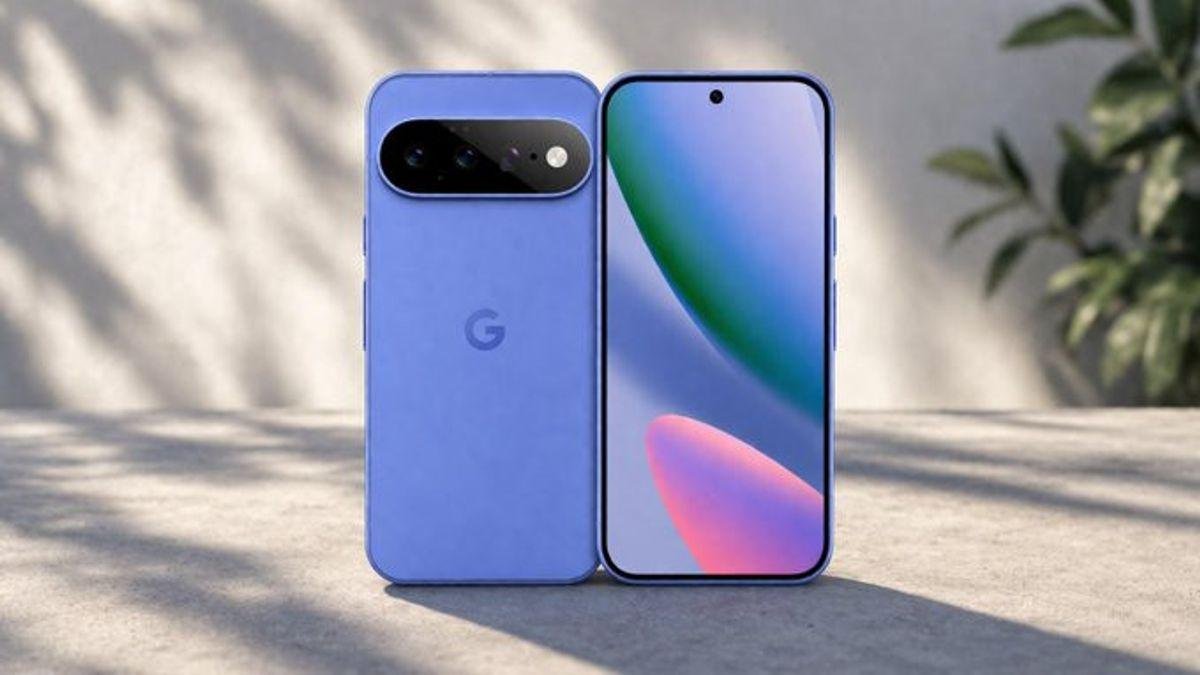
Google’s Pixel 11 is now available with the Tensor G6 chip, improved cameras, faster charging and new software features. But is it a major upgrade?
Google’s latest flagship smartphone generation has officially arrived, and the Pixel 11 is now available to buyers.
The new lineup includes the Pixel 11, Pixel 11 Pro, Pixel 11 Pro XL and Pixel 11 Pro Fold, giving Google another chance to compete directly with Apple and Samsung at the premium end of the smartphone market.
At first glance, the Pixel 11 looks like a conventional yearly upgrade.
But there is more happening beneath the surface.
Google has introduced its new Tensor G6 processor, improved the camera system and added several software features designed to make the phone more useful in everyday situations. The company has also refined the design and charging experience.
The bigger question, however, is whether these changes are enough to justify upgrading from last year’s Pixel 10.
The answer is complicated.
Tensor G6 Is Faster — But Google Still Has Work to Do
The biggest hardware change is Google’s new Tensor G6 chip.
Google says the processor improves performance and efficiency compared with the previous generation, while its upgraded neural-processing hardware is designed to accelerate on-device AI features. Google also highlights improved power efficiency and faster processing for Gemini-related tasks.
But there is an important reality check.
Independent testing suggests that Tensor G6 still does not compete with the fastest processors from Qualcomm and Apple in raw performance.
PhoneArena’s testing of the Pixel 11 Pro XL found approximately a 20 percent CPU improvement over the Pixel 10 Pro XL, but the Snapdragon-powered Galaxy S26 Ultra and Apple’s flagship iPhone remain substantially faster in several benchmark categories.
That means Google is continuing with a strategy that has defined the Pixel series for years.
It is not trying to win the benchmark race at any cost.
Instead, Google is prioritizing efficiency, photography and software intelligence.
For ordinary users, that distinction may not matter much. Apps open quickly, multitasking is smooth and everyday Android performance is strong.
For serious gamers and people who want maximum sustained performance, however, the gap remains relevant.
The Camera Is Still a Major Reason to Buy a Pixel

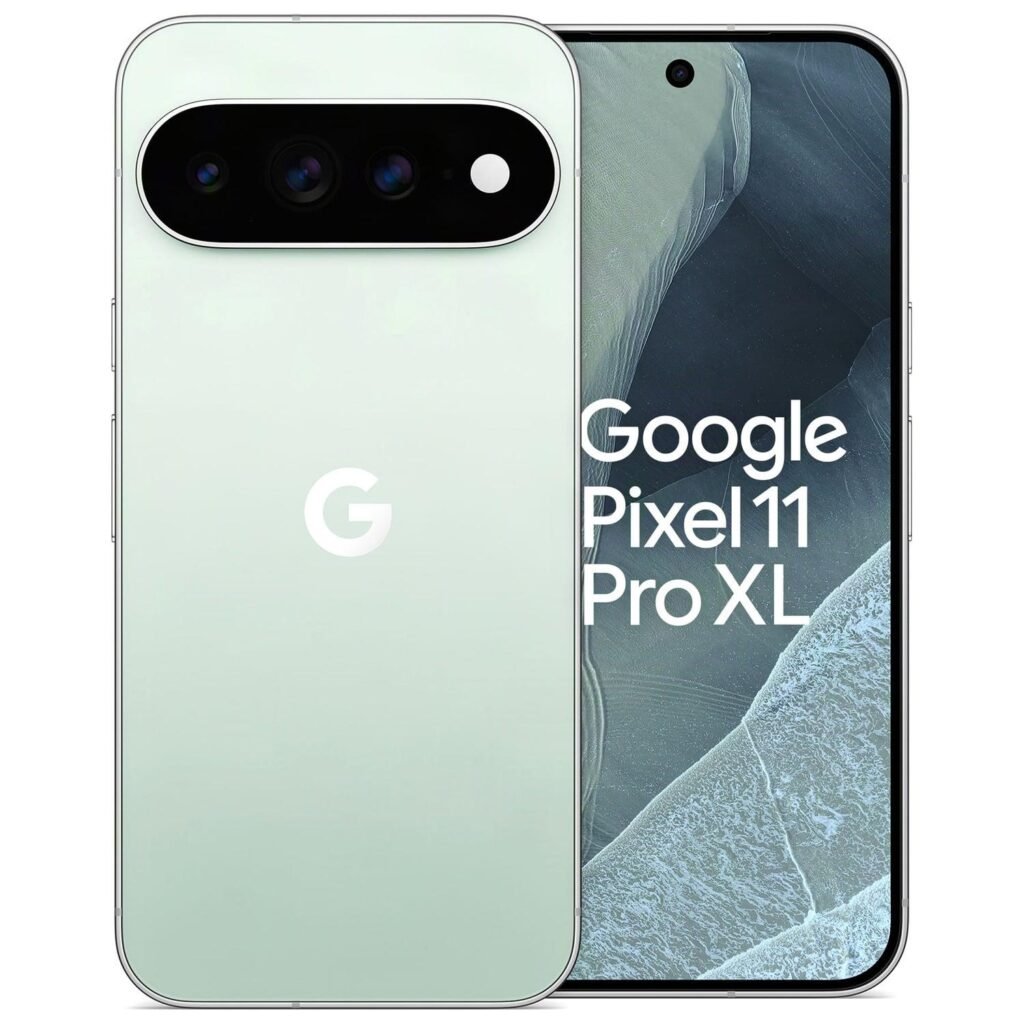
Photography remains one of the strongest arguments for choosing a Pixel.
Google has upgraded the camera hardware and introduced new computational photography features designed to make capturing and editing images easier.
The Pixel 11 generation also introduces features such as Camera Looks and Magic Capture, while Google’s software continues to play a major role in image processing.
Magic Capture is particularly interesting because it can help extract useful still images from video.
That reflects Google’s broader philosophy.
Instead of simply adding larger camera sensors every year, the company is increasingly using software to determine what users actually want from a photograph.
The Pixel 11 also retains Google’s reputation for producing strong results in difficult lighting conditions and computationally intensive photography.
The Pro models go further with more advanced camera hardware and stronger zoom capabilities.
For photography enthusiasts, the Pro models remain the more attractive choice.
For everyone else, the standard Pixel 11 may offer a better balance.
The Design Has Been Refined, Not Reinvented
Google has also made the Pixel design slightly slimmer and refined the camera bar.
The overall appearance remains unmistakably Pixel.
That is both a strength and a weakness.
Google has established a recognizable design language, but owners of recent Pixel phones are unlikely to feel as though they are holding a completely different device.
The company has also added more durable glass and new finishes, while the Pro models receive additional hardware refinements.
In other words, this is evolution rather than revolution.
That is not necessarily bad.
A mature smartphone design does not need to change dramatically every year.
But it does mean Pixel 10 owners have less reason to upgrade purely because of the physical design.
Google Is Betting Heavily on Software
The most interesting Pixel 11 changes may actually be invisible.
Google is integrating its software and Gemini capabilities more deeply into the phone.
The company describes the Pixel 11 as its most personalized Pixel yet, with Gemini-powered assistance and new tools intended to understand context and help users complete everyday tasks.
This is where Google’s strategy differs from many competitors.
The company controls Android, its own Tensor silicon, Google’s cloud infrastructure and Gemini.
That gives it the ability to integrate software and hardware more tightly than many Android manufacturers.
But there is a potential problem.
Users do not necessarily want an AI assistant involved in everything they do.
The best software features are the ones that save time without constantly demanding attention.
Google appears to understand this, which is why some of the new Pixel features focus on quietly improving photography, communication and notifications rather than simply adding another chatbot.
HiLight Is One of the More Interesting New Ideas

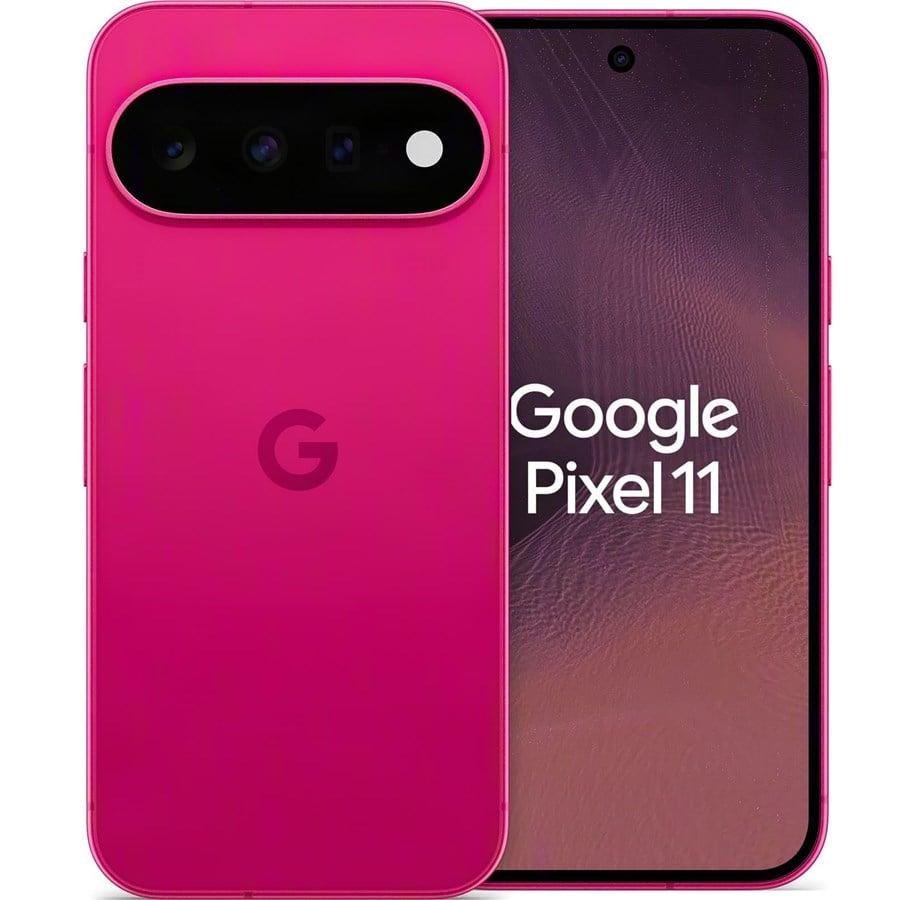
The Pro models introduce HiLight, an LED notification system designed to provide visual alerts without requiring users to constantly look at the display.
The idea is simple: important information can be communicated through a small physical light rather than another screen notification. Google positions it as a way to stay connected without becoming distracted.
Whether HiLight becomes a genuinely useful feature or a novelty will depend heavily on how Google and developers use it.
But it represents an interesting direction.
For years, smartphone manufacturers have competed by adding more screens, more notifications and more information.
HiLight takes the opposite approach.
Instead of showing more information, it tries to communicate just enough.
That could become increasingly important as smartphones become more deeply integrated with AI assistants.
Battery and Charging Get a Welcome Boost
Battery life is another area where Google has made improvements.
The company says the new Pixel generation can deliver up to 15 hours of battery life from a 15-minute charge under its stated conditions.
The phones also support faster charging technologies, including Qi2 wireless charging on the standard Pixel 11 according to independent reviews.
These are not glamorous upgrades, but they may be more valuable to everyday users than another benchmark improvement.
A phone that charges quickly when you are in a hurry can make a noticeable difference.
The Price Makes the Decision Harder
The standard Pixel 11 starts at around $899, positioning it firmly in premium smartphone territory.
That puts Google in direct competition with high-end devices from Samsung and Apple.
And this is where the Pixel 11 becomes difficult to evaluate.
It is clearly a capable flagship.
It has excellent software, strong cameras, Google’s latest processor and a clean Android experience.
But competitors can offer significantly more raw processing power, while previous-generation Pixel phones may provide much of the same experience for less money.
For someone upgrading from a Pixel 7, Pixel 8 or older device, the Pixel 11 could make a lot of sense.
For someone who already owns a Pixel 10, the upgrade is much harder to justify.
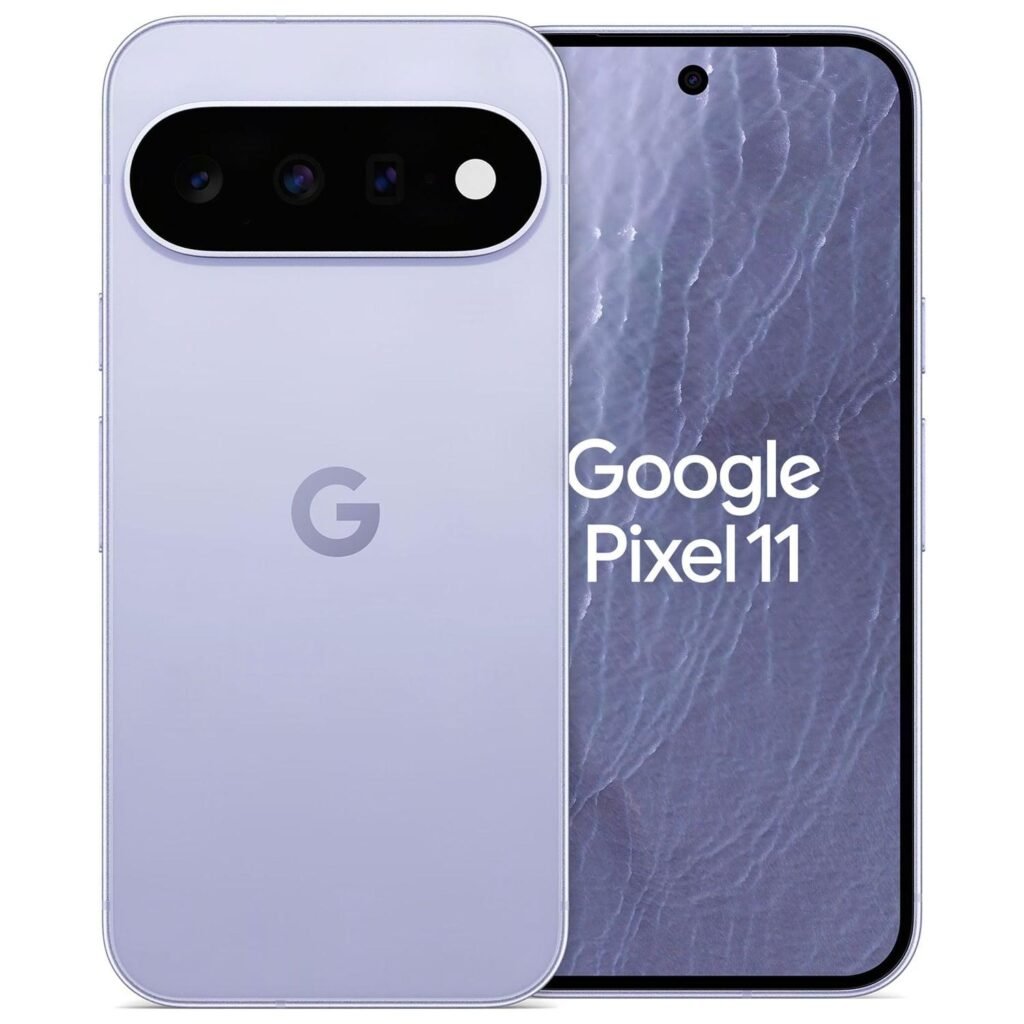
The Pixel 11 Is an Evolution
This is the most important conclusion.
The Pixel 11 is not a revolutionary smartphone.
It is a refined flagship that improves several areas without completely changing the formula.
Google has made the processor better, improved efficiency, expanded its software capabilities and refined the camera experience.
But independent reviews consistently point to the same broader conclusion: the hardware changes are relatively modest compared with the previous generation.
That is not necessarily a criticism.
Smartphones have reached a point where dramatic annual improvements are increasingly difficult.
The real competition is shifting toward software, ecosystem integration, cameras, battery efficiency and specialized features.
And that may actually be where Google has its strongest advantage.
Should You Buy the Pixel 11?
If you own an older Pixel or another aging Android phone, yes, the Pixel 11 deserves serious consideration.
If you are buying your first Pixel, the combination of Google’s software, photography and Tensor G6-powered features makes it an attractive premium option.
But if you already own a Pixel 10, the decision is much less obvious.
The improvements are real, but they are not dramatic.
The Pixel 11 is best understood as Google’s attempt to polish an already successful formula rather than reinvent the smartphone.
And in 2026, that may be enough.
The smartphone industry is entering a period where the winners may not be the companies adding the most features.
They may be the companies that make existing features work better, faster and with less friction.
Google believes the Pixel 11 can do exactly that.
Now the market gets to decide whether refinement is enough.