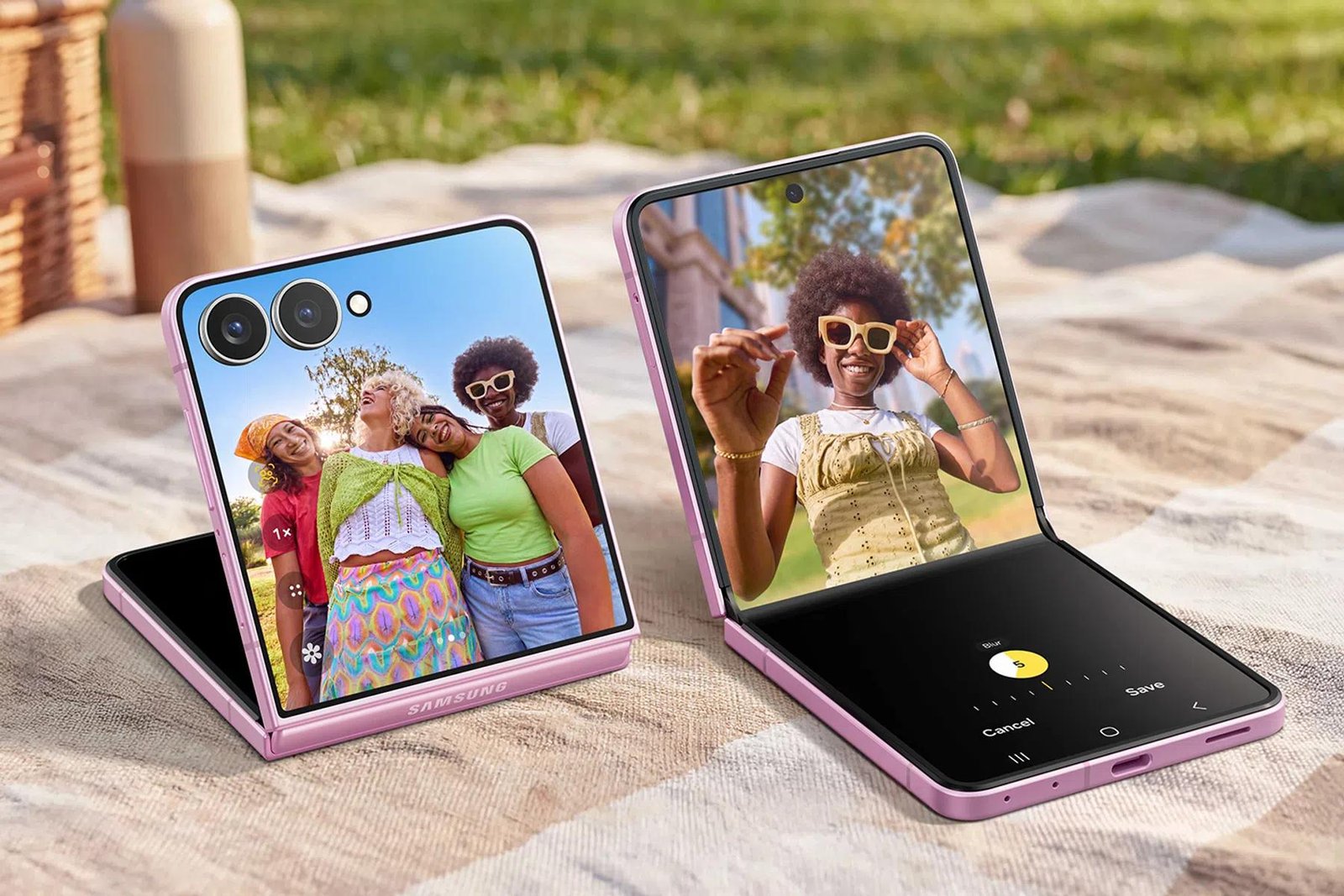
Samsung is pushing its foldable smartphone strategy further with the Galaxy Z Flip 8, a device designed to make the clamshell foldable format more practical, powerful and appealing to everyday smartphone users.
By TheTechSpot Digital | August 2026
Foldable smartphones have spent several years trying to answer one important question:
Can a folding phone become a mainstream smartphone rather than an expensive technology experiment?
Samsung believes the answer is yes.
The company’s Galaxy Z Flip family has become one of the most recognizable names in the foldable smartphone market, helping transform the clamshell design from a niche concept into a genuine alternative to traditional smartphones.
With the Galaxy Z Flip 8 generation, Samsung is continuing that strategy by focusing on the things that matter most to everyday users: design, durability, cameras, battery life, performance and the overall experience of carrying a phone that can become significantly smaller when folded.
The appeal of the Flip design is obvious.
When open, users get a traditional smartphone experience.
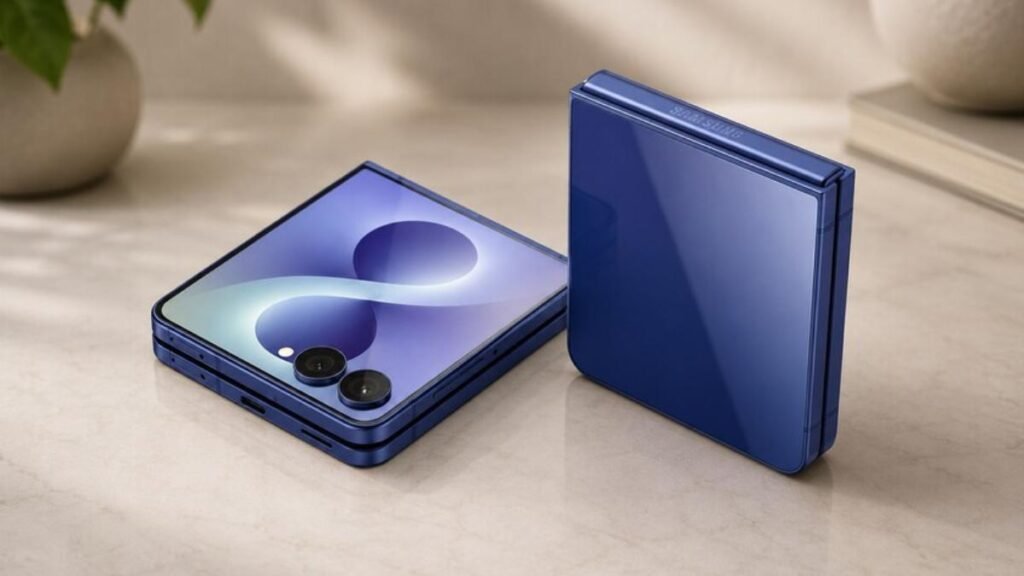
When closed, the device becomes a compact square that can fit more easily into a pocket or small bag.
That combination gives foldables something conventional smartphones cannot easily reproduce.
A Different Kind of Smartphone
The biggest advantage of the Galaxy Z Flip series has always been its form factor.
Traditional smartphones have become increasingly similar.
Most flagship devices now feature large displays, multiple cameras, powerful processors and premium materials.
The basic design, however, has changed very little.
Foldable phones offer manufacturers an opportunity to rethink that formula.
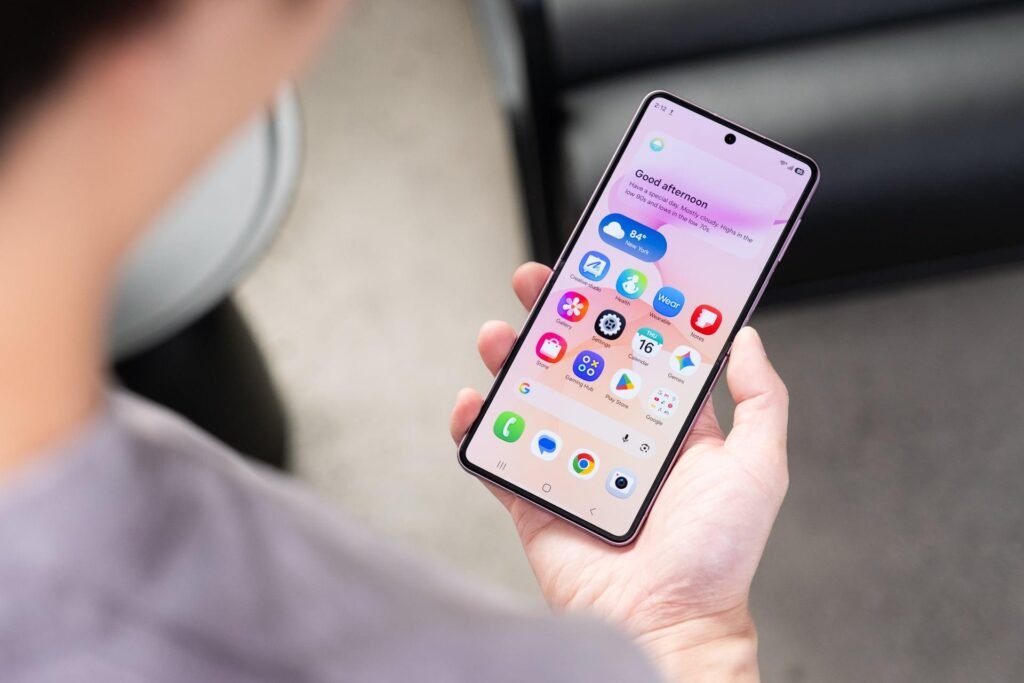
The Galaxy Z Flip 8 continues the clamshell approach, allowing the main display to fold in half.
For users who value portability, that can be a major advantage.
Instead of carrying a large rectangular smartphone in a pocket, users can fold the device into a much smaller package.
But Samsung knows that design alone is not enough.
A foldable phone has to work as well as a conventional flagship.

The Cover Screen Is Becoming More Important
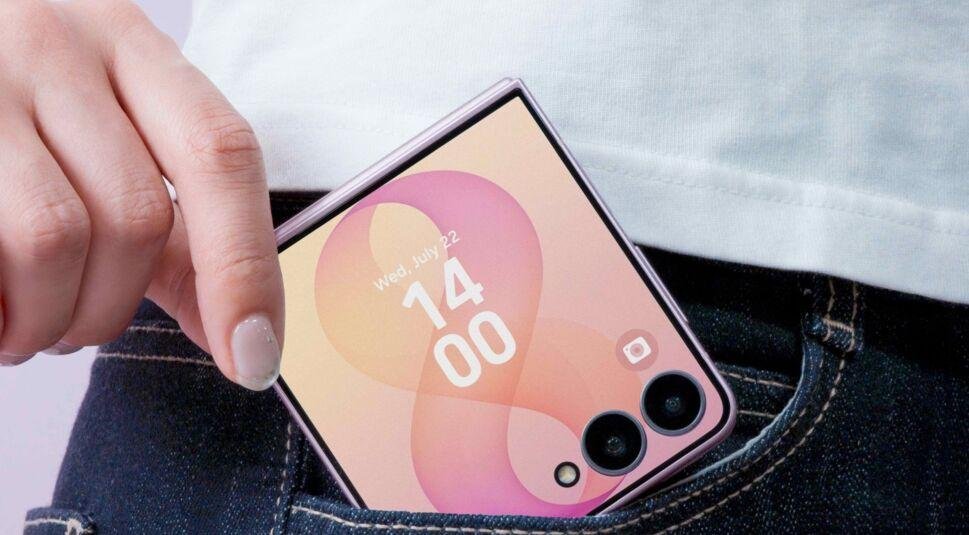
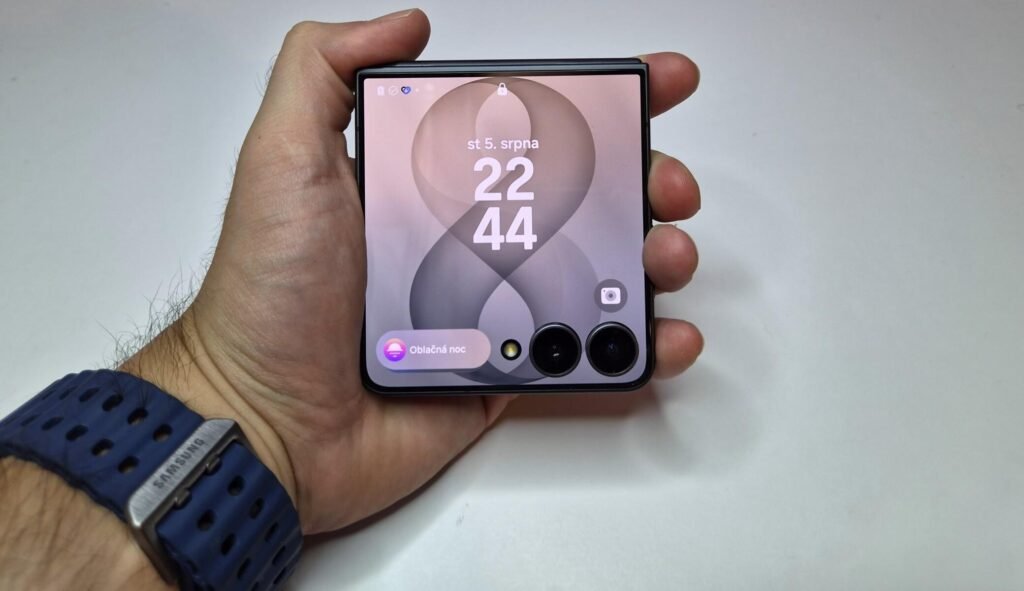
One of the most useful features of Samsung’s Flip concept is the external cover display.
The small screen allows users to check notifications, control music, view information and perform quick actions without opening the phone.
This is important because it reduces the number of times users need to unfold the device.
For simple tasks, opening the phone can feel unnecessary.
A quick glance at the cover display can provide exactly the information needed.
Samsung has continued to develop this concept throughout the Galaxy Z Flip family, turning the external display from a novelty into an increasingly useful part of the phone.
The long-term vision is clear:
The best foldable phone may be the one you don’t have to open very often.

Durability Remains a Major Concern
Foldable smartphones have improved dramatically since the first generation appeared.
However, durability remains one of the biggest questions consumers ask before buying one.
Traditional smartphones have rigid displays protected by increasingly sophisticated glass.
Foldable phones require a flexible display capable of bending thousands of times.
That creates additional engineering challenges.
Samsung has invested heavily in improving hinge technology, display materials and water resistance.
Every new generation is expected to become more durable and reliable.
That is critical if foldables are going to move beyond technology enthusiasts and reach mainstream consumers.
A buyer spending flagship-level money on a smartphone expects it to last for years.
Performance Has to Match a Flagship
A foldable smartphone cannot rely on its design alone.
Users expect modern flagship performance.
The Galaxy Z Flip 8 therefore sits within Samsung’s premium smartphone strategy, with high-end hardware designed to handle demanding applications, photography, gaming and multitasking.
Performance is especially important for foldables because the large internal display creates opportunities for more advanced multitasking.
Users can potentially run multiple applications at once, watch video while messaging or work with information across different parts of the screen.
This makes the phone more than a compact device.
When opened, it can function like a traditional flagship smartphone with additional flexibility.
Cameras Are Still a Major Selling Point

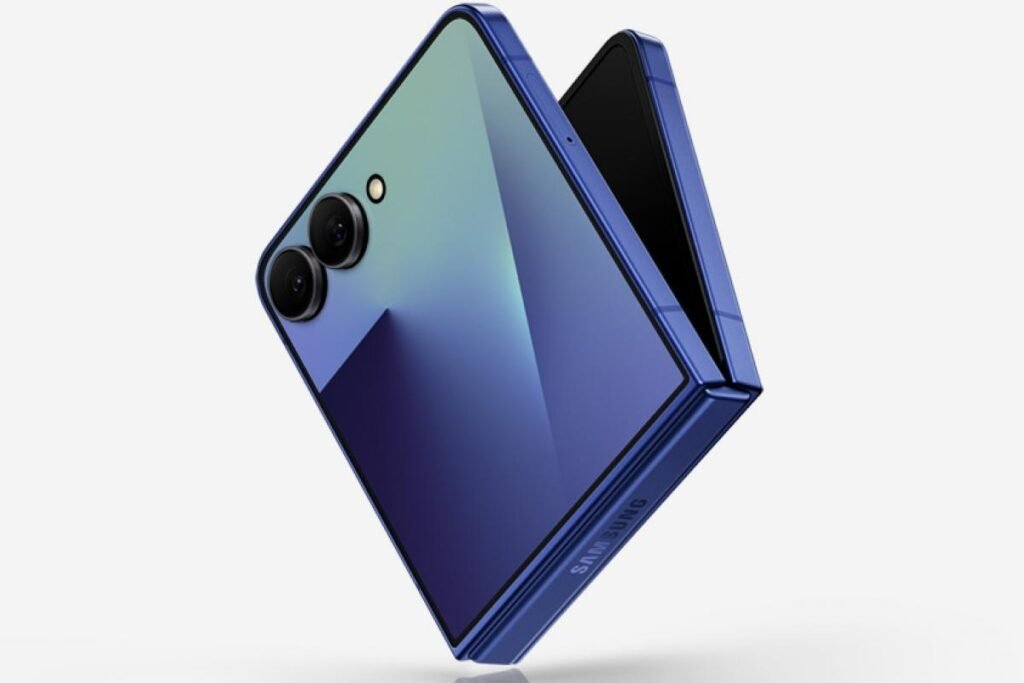
Smartphone buyers increasingly choose devices based on camera performance.
Samsung has spent years competing directly with Apple, Google and other manufacturers in computational photography.
The Galaxy Z Flip line has traditionally emphasized portability and design, but camera quality remains critical.
Consumers want excellent photographs in daylight, low light and challenging environments.
They also want high-quality video for social media.
For Samsung, improving camera performance can help make the Flip more attractive to people who might otherwise choose a conventional Galaxy flagship.
The challenge is fitting advanced camera hardware into a compact foldable design.
The internal engineering of a folding phone leaves less room for components than a traditional large smartphone.
That makes camera optimization particularly important.
Battery Life Is Another Challenge
Battery technology is one of the biggest limitations facing compact foldable smartphones.
The device has to accommodate two halves, a flexible display and a hinge while maintaining enough battery capacity for a full day of use.
At the same time, modern processors and high-refresh-rate displays can consume significant amounts of power.
Samsung therefore has to balance performance with efficiency.
For consumers, battery life remains one of the simplest measurements of whether a smartphone is genuinely practical.
A beautiful foldable phone is not particularly useful if it needs to be recharged constantly.
Foldables Are Becoming More Competitive
Samsung is no longer operating alone in the foldable market.
Chinese smartphone manufacturers have introduced increasingly advanced foldable devices, often competing aggressively on hardware, cameras, charging speeds and display technology.
Companies such as Huawei, Xiaomi, OPPO, Honor and vivo have helped push the category forward.
This competition is good news for consumers.
It forces manufacturers to improve designs and reduce the compromises associated with foldable phones.
Samsung still has one of the strongest global positions in the category, but maintaining that advantage will become increasingly difficult.
The Price Problem
One of the biggest obstacles to mainstream foldables remains price.
Foldable displays and hinge mechanisms are more complicated to manufacture than conventional smartphone components.
That makes foldable devices more expensive.
For many consumers, the question is simple:
Why should I pay more for a phone that folds if a traditional flagship already does everything I need?
Samsung’s answer has to be functionality.
The foldable design needs to provide meaningful advantages rather than simply looking futuristic.
Compact portability, flexible displays, multitasking and unique camera experiences can help justify the premium.
But eventually, prices will need to become more competitive if foldables are going to become truly mainstream.
Why the Flip Format Could Win
There is a strong argument that the clamshell format has a better chance of becoming mainstream than larger book-style foldables.
A book-style foldable essentially transforms a smartphone into a small tablet.
That is useful, but it also makes the device larger and more expensive.
The Flip format solves a different problem.
It makes a large smartphone smaller.
That is an extremely easy concept for consumers to understand.
Instead of asking people to carry a larger device for a bigger screen, the Flip gives them a large screen when they need it and a compact device when they don’t.
That simplicity could become its greatest advantage.
Social Media Is Helping Foldables
There is also a cultural factor.
Foldable phones look different.
That makes them attractive to consumers who want technology that feels distinctive.
The ability to partially fold the phone also creates unusual camera possibilities.
Users can place the phone on a surface, fold it at an angle and take photographs or record video without a tripod.
That can be particularly useful for social media creators.
The device becomes both a smartphone and a small self-standing camera.
Samsung has increasingly emphasized these types of experiences because they demonstrate why the folding mechanism actually matters.

Could Foldables Replace Traditional Phones?
Not yet.
Traditional smartphones remain simpler, cheaper and extremely reliable.
But foldables are gradually reducing the reasons consumers should be afraid of them.
Better hinges.
More durable displays.
Improved water resistance.
Better software.
More competitive cameras.
Longer battery life.
These improvements are slowly turning foldables from experimental products into legitimate smartphone alternatives.
The next stage will depend heavily on price.
If manufacturers can reduce costs while continuing to improve durability, foldables could eventually become a much larger percentage of the global smartphone market.
Samsung’s Bigger Strategy
For Samsung, the Galaxy Z Flip 8 is about more than one smartphone.
The company is trying to establish itself as the leader in a completely different category of mobile devices.
Apple has traditionally dominated the premium smartphone conversation with the iPhone.
Google has used Pixel to showcase Android innovation.
Samsung has an opportunity to differentiate itself through foldable technology.
If consumers begin to see folding smartphones as a normal category rather than a luxury experiment, Samsung’s early investment could pay off enormously.
The company would have an established ecosystem, manufacturing experience and a recognizable product family.
What Comes Next?
The future of foldable smartphones could become even more interesting.
Manufacturers are experimenting with thinner devices, stronger flexible materials, improved hinges and new display concepts.
We could eventually see smartphones that become dramatically thinner when folded.
Some manufacturers are also exploring different folding patterns and even rollable displays.
That means today’s Flip design could be only the beginning.
The smartphone industry spent decades optimizing the rectangular slab.
Foldables are now challenging that assumption.