A seven-year-old streaming device just became $100 more expensive
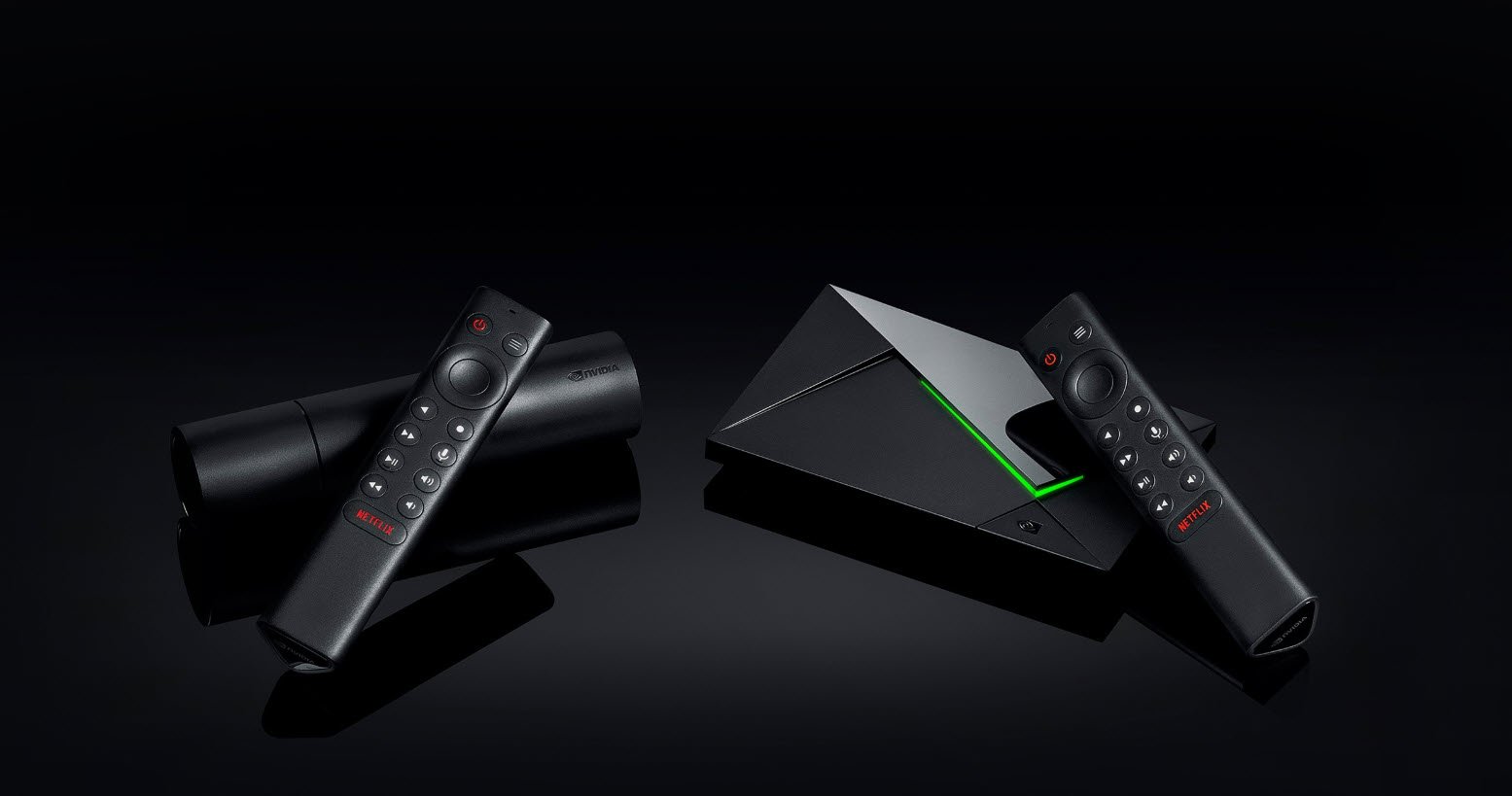
NVIDIA has raised the price of its SHIELD TV Pro to $299.99, up from $199.99, while discontinuing the standard SHIELD TV model.
The unusual part is that the SHIELD TV Pro is not a new product. The current hardware dates back to 2019, and NVIDIA has not released a new SHIELD TV hardware generation since then.
NVIDIA attributed the price increase to substantially higher component costs across the industry, including memory.
That makes SHIELD one of the clearest consumer examples of a much broader trend: the AI infrastructure boom is putting pressure on memory supplies, and those costs are beginning to reach products that have nothing to do with generative AI.
From $199 to $299

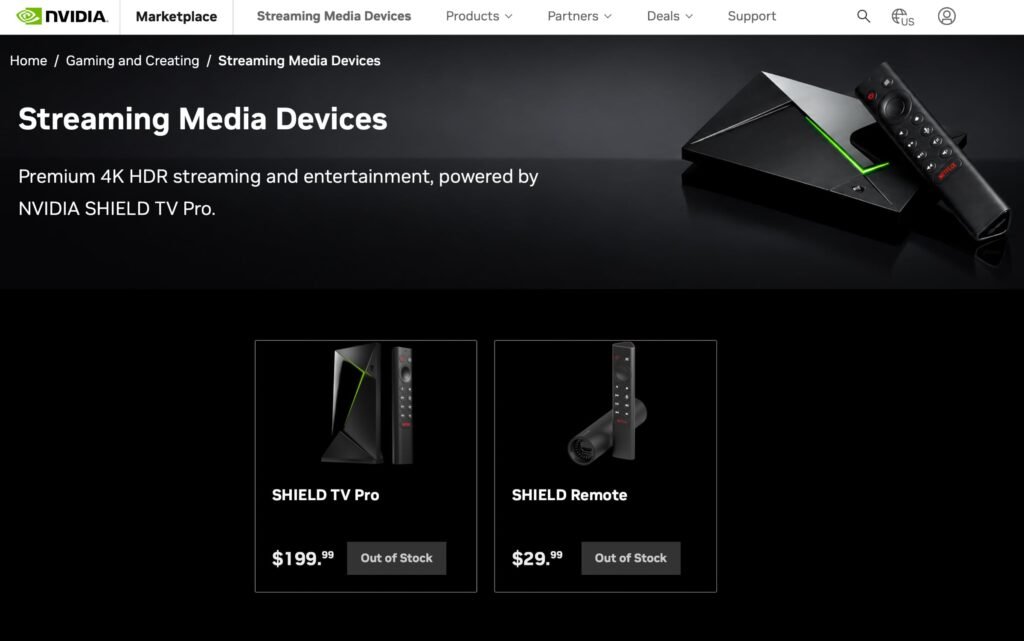
The change is straightforward:
| Previous price | New price | |
|---|---|---|
| SHIELD TV Pro | $199.99 | $299.99 |
| Increase | — | +$100 |
| Percentage | — | about +50% |
There is no newly announced SHIELD hardware generation accompanying the increase.
The product remains based on the same general hardware platform introduced in 2019.
That makes the price move particularly unusual: consumers are paying substantially more for an established product rather than a newly upgraded one.
AI is changing the memory market
The explanation starts with the enormous amount of hardware required by modern AI data centers.
AI systems rely heavily on advanced memory technologies and large amounts of conventional DRAM and storage.
IDC has reported that demand from AI data centers has contributed to a major supply-demand imbalance in the memory market, with manufacturers shifting capacity toward products serving AI infrastructure.
NVIDIA itself has pointed to higher component costs, including memory, as the reason for the SHIELD price increase.
That does not mean AI alone accounts for every dollar of the $100 increase.
But the connection between AI infrastructure demand and memory pricing is becoming increasingly difficult for consumer electronics manufacturers to ignore.
🟦 KEY TAKEAWAYS
What consumers should know:
- SHIELD TV Pro now costs $299.99 in the U.S.
- The previous price was $199.99.
- NVIDIA has discontinued the standard SHIELD TV.
- The Pro model is not a new hardware generation; the current platform dates back to 2019.
- NVIDIA cited higher component costs, including memory.
- AI data-center demand is putting significant pressure on the global memory market.
- Consumers should compare current streaming devices before buying, because the SHIELD’s long-standing reputation does not automatically make it the cheapest option.
- The price increase should not be confused with a hardware upgrade.
NVIDIA is still supporting SHIELD
Despite its age, NVIDIA continues to support SHIELD TV software.
NVIDIA’s official SHIELD software page lists recent SHIELD Experience updates, including security updates and bug fixes.
That long software-support cycle has helped SHIELD maintain a dedicated user base years after its hardware launch.
Earlier in 2026, NVIDIA also said it had no immediate plans to end SHIELD production or software support and left the door open to future hardware.
The October decision changes the picture for the standard model, however.
The standard SHIELD TV is gone

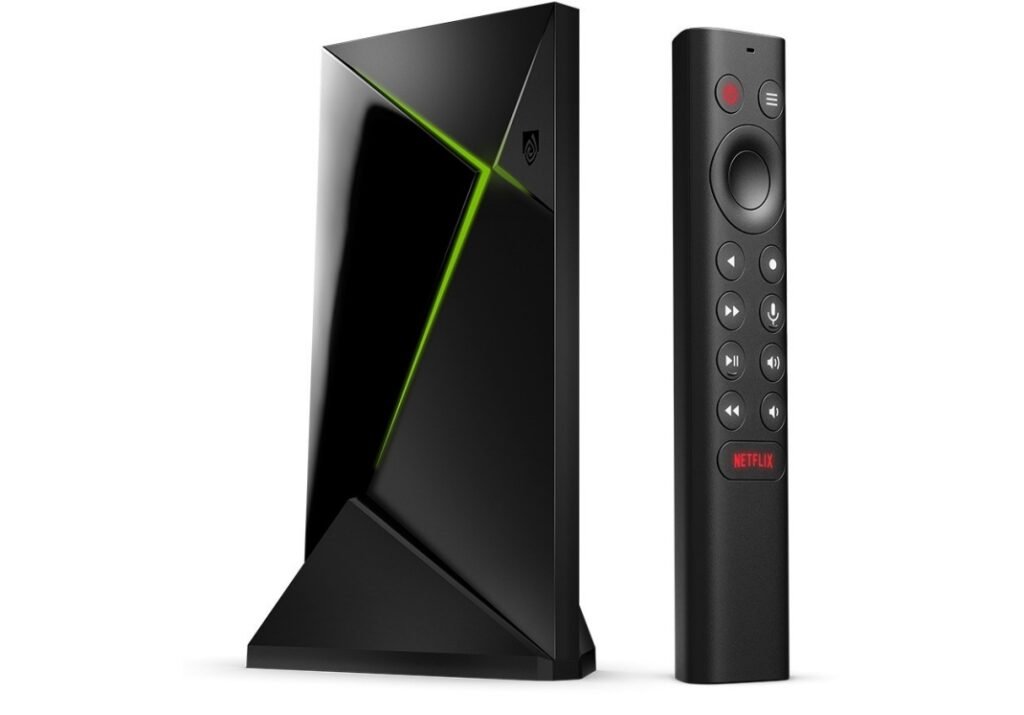
NVIDIA has discontinued the standard SHIELD TV, leaving the Pro as the main remaining model.
The cheaper version had already become difficult to find at retailers before the official change was reported.
The result is a narrower product lineup at the same time that the remaining model is becoming more expensive.
For consumers, that removes the lower-cost entry point into NVIDIA’s SHIELD ecosystem.
Why does a seven-year-old device still matter?
Seven years is an unusually long lifecycle for consumer electronics.
During that period, video codecs, processors, operating systems, connectivity standards and streaming platforms have all changed.
Yet SHIELD has remained relevant because it combines:
- 4K streaming;
- Android TV;
- advanced video processing;
- GeForce NOW access;
- broad app support;
- additional connectivity;
- long-term software support.
NVIDIA built SHIELD around longevity rather than a rapid annual hardware cycle.
The new price changes the economics of that strategy.
Could other devices become more expensive?
That is one of the most important questions following NVIDIA’s decision.
SHIELD is not the only consumer product affected by the memory market.
Industry reporting has documented broader price pressure across devices that depend on DRAM and NAND, while AI companies continue to expand their data-center infrastructure.
Potentially affected categories include:
- smartphones;
- laptops;
- PCs;
- game consoles;
- streaming devices;
- smart-home hardware;
- SSDs;
- servers.
Not every price increase will be caused by AI, and manufacturers have different supply contracts and inventories.
But the broader trend matters: memory has become a strategic component of the AI economy.
The SHIELD paradox
Consumer electronics usually get cheaper as they age.
Manufacturing becomes more efficient, components depreciate and newer generations replace older products.
SHIELD is experiencing the opposite dynamic.
The hardware is seven years old, but the retail price has increased sharply because one of its key component costs has risen.
That is a powerful illustration of how supply-chain pressures can override the normal economics of aging electronics.
What does this mean for AI infrastructure?
The SHIELD story is ultimately about more than a streaming box.
Modern AI systems require enormous data-center capacity.
That means demand for:
- GPUs;
- high-bandwidth memory;
- DRAM;
- NAND;
- SSDs;
- networking hardware;
- power infrastructure.
If suppliers prioritize higher-margin data-center contracts, consumer electronics manufacturers may face higher costs or tighter availability.
The chain can look like this:
more AI demand → greater memory demand → tighter supply → higher component costs → pressure on consumer prices.
SHIELD TV Pro is simply one of the clearest examples.
What about a new SHIELD?

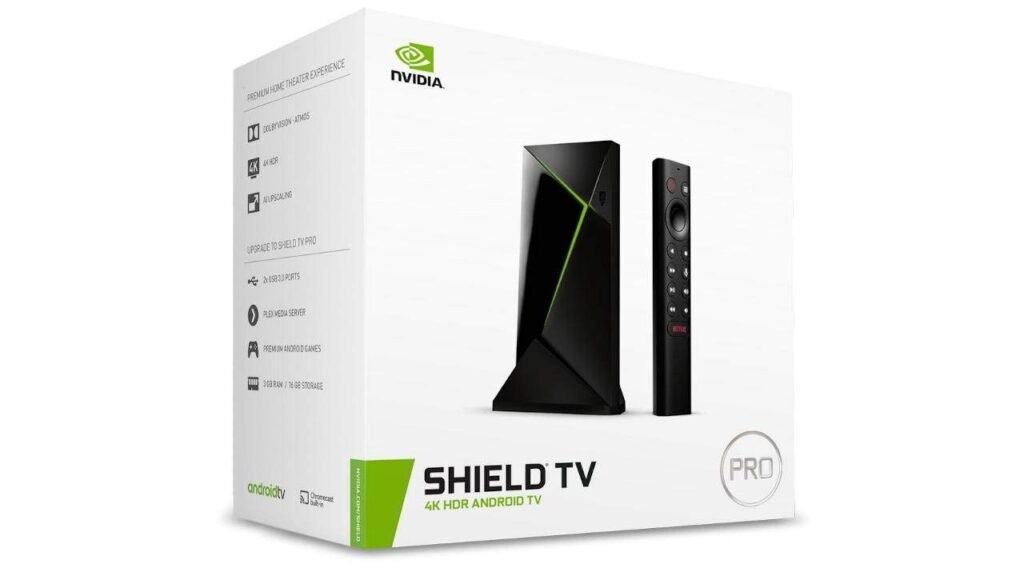
NVIDIA has not announced a new SHIELD TV generation with a confirmed launch date.
Earlier in 2026, the company indicated that future SHIELD hardware remained possible, but there was no firm product announcement.
That leaves SHIELD in an unusual position:
seven-year-old hardware, continued software support and a significantly higher price.
If NVIDIA eventually launches a new generation, its pricing will be worth watching closely because the memory market could become an important part of the cost structure.
What happens next?
Three areas deserve attention.
1. Memory prices
If DRAM and NAND remain under pressure, more consumer-electronics companies could adjust pricing.
2. New hardware
Manufacturers may reduce memory configurations in entry-level devices, delay launches or redesign products to manage costs.
3. AI infrastructure
If AI data-center expansion continues at its current scale, memory availability could become one of the major factors determining consumer-electronics prices.
NVIDIA’s decision to raise the SHIELD TV Pro from $199.99 to $299.99 is more than a price change for an aging streaming device.
It shows how AI-driven demand is increasingly affecting the broader hardware supply chain.
NVIDIA has cited higher component costs, including memory, while the memory market itself is facing substantial pressure from demand generated by AI data centers.
For consumers, the paradox is striking:
a product launched in 2019 now costs about 50% more.
The AI boom is no longer just changing GPUs and data centers.
It is beginning to change how much ordinary technology costs at home.
EDITORIAL VERIFICATION
NVIDIA SHIELD TV Pro
Editorial note: NVIDIA’s explanation concerns higher component costs, including memory. The broader connection to AI is supported by memory-market analysis, but the entire $100 increase should not be attributed exclusively to AI.