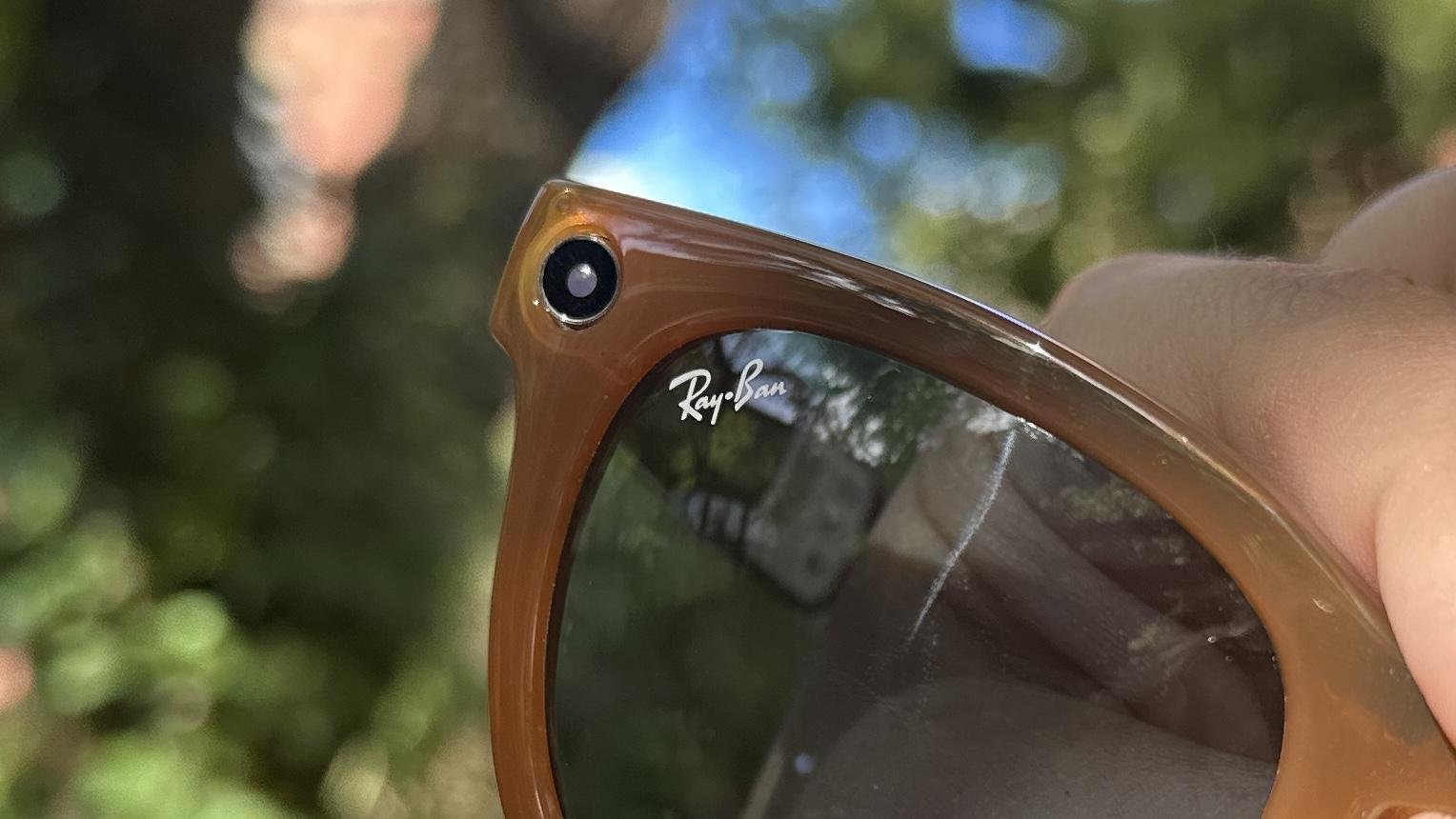
Meta has introduced another privacy-focused update for its AI-powered smart glasses, closing a loophole that could allow video recording to continue after the small LED indicator designed to alert people nearby had been covered. Under the new update, Ray-Ban Meta and Oakley Meta glasses will stop recording if the system detects that the capture light has been obstructed while the camera is already recording.
The change arrives as AI-powered smart glasses are moving rapidly from experimental devices into mainstream consumer technology. Unlike smartphones, these devices place cameras directly on the user’s face, allowing photos and videos to be captured without the obvious gesture of holding a phone toward another person.

A small LED on the front of the glasses is designed to provide a visible signal whenever the camera is taking a photo or recording video. Meta considers the indicator an important part of the glasses’ privacy architecture and has gradually introduced additional safeguards designed to make the system more difficult to bypass.
The weakness was relatively straightforward. A user could start recording while the LED was visible and then cover the light. The camera could continue recording even though the visual warning was no longer visible to people nearby. The latest software update addresses that specific scenario by stopping the camera when the capture light is covered during recording.


This is not the first privacy issue Meta has had to address. In recent months, the company introduced additional protections designed to detect physical tampering with the capture LED after users experimented with ways to disable, modify or conceal the indicator. Meta says it is continuously improving the glasses’ ability to detect such interference and disable the camera when manipulation is detected.
The issue has become particularly sensitive following reports of people being recorded without their knowledge. A recent case involving a woman who discovered that she had been filmed with AI glasses only after the video had already reached hundreds of thousands of views has added to concerns over whether a small flashing LED provides enough notice to people who happen to be nearby.


For Meta, the challenge is not purely technical. The company is also attempting to change the public perception of its smart glasses. Alongside software improvements, Meta has launched an awareness campaign explaining what the capture LED means and why users should understand its function. The company has also taken action against content and services that promote ways to bypass the glasses’ privacy safeguards.
The larger problem may be the appearance of the devices themselves. When someone records another person with a smartphone, the action is generally obvious. The phone is taken out, pointed toward the subject and used as a camera. Smart glasses are different. They can look almost identical to conventional eyewear while cameras and microphones remain integrated into the frame.
That has turned smart-glasses privacy into a broader social issue. If someone is wearing AI glasses in a restaurant, airport, university, concert or workplace, people nearby need a reasonable way to understand whether they are being recorded.


At the same time, it would be unfair to view the technology only through the privacy debate. AI glasses can provide genuinely useful capabilities. They can help users read text, understand objects, receive information and interact with an AI assistant without constantly looking down at a smartphone. For people with visual impairments, these capabilities could be particularly valuable.
That is the central dilemma facing the industry. The same camera that can help one person understand the world around them can potentially be used to record someone else without consent. The same AI system that can describe an object could eventually become increasingly capable of analyzing people and environments.
That is why Meta’s latest update matters beyond what appears to be a relatively small software change. It shows that smart-glasses manufacturers are beginning to recognize that public trust may become just as important as camera quality, battery life or AI capabilities.
Meta can close a technical loophole with a software update. The larger question is whether people will trust devices that place cameras and artificial intelligence directly on a person’s face.
The answer could determine the future of the entire smart-glasses market. If companies can deliver the benefits of AI without making everyone around the wearer feel as though they are living under an invisible camera, smart glasses could become the next major consumer technology platform.
If they fail to solve that problem, the biggest obstacle to mass adoption will not be technology.
The Tech Spot Editorial Team