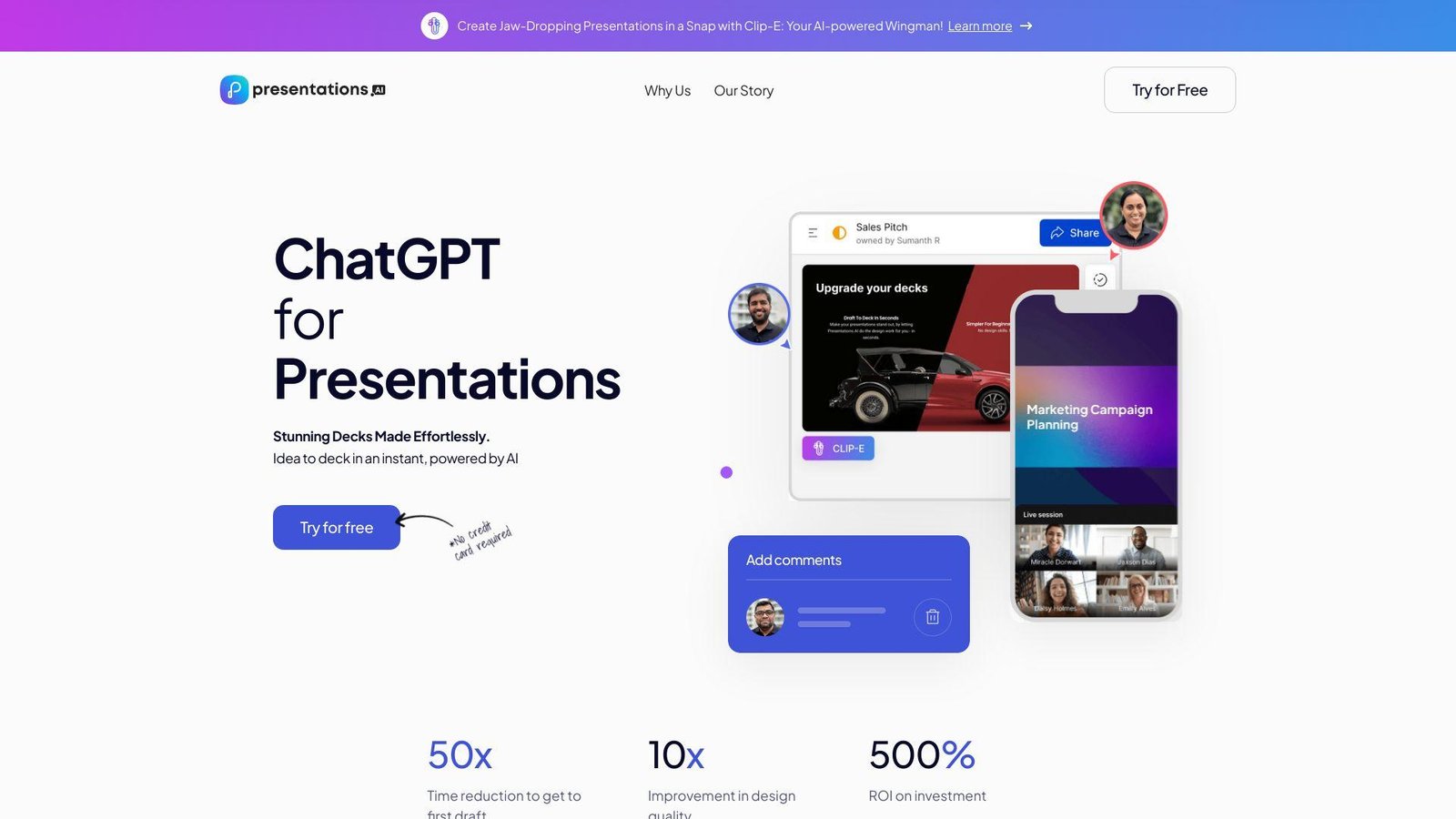
OpenAI is quietly expanding ChatGPT beyond conversations and coding.
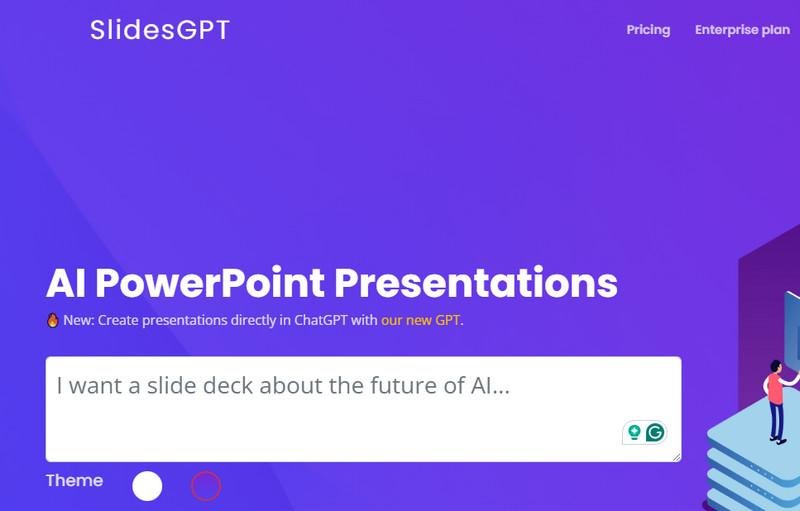
The company has acquired NextSlide, a startup focused on using artificial intelligence to turn prompts, notes, documents and research into polished, editable presentations.
NextSlide’s team is now working at OpenAI on ChatGPT-related products, according to TechCrunch. The financial terms of the acquisition were not disclosed. Founder Ahmed Beshry said the deal was actually completed earlier this year, with the public announcement arriving months later.
The acquisition may look small compared with OpenAI’s larger moves in artificial intelligence, but the technology behind NextSlide points toward a much bigger ambition: turning ChatGPT into a tool that doesn’t simply generate text, but creates finished work.
From answering questions to creating documents
The evolution of ChatGPT has already moved far beyond the original chatbot experience.
Users increasingly expect AI systems to write documents, analyze information, generate code, work with files and assist with complex projects.
Presentations are a natural extension of that trend.
Creating a professional presentation normally requires several separate steps.
A user has to collect information, organize it into a story, decide how many slides are necessary, write the text, choose visuals, format the slides and then revise the result.
NextSlide was designed around a much simpler idea.
Give the system a prompt, notes, documents or research material, and let AI transform that information into an editable presentation.
That is precisely the type of workflow OpenAI could integrate into ChatGPT.
Why presentations matter
A presentation may seem like a relatively narrow category of software.
In reality, it sits at the center of how businesses communicate.
Executives use presentations for strategy meetings.
Sales teams use them for customers.
Teachers use them in classrooms.
Students use them for assignments.
Consultants use them to explain research.
Startups use them to pitch investors.
If AI can reliably transform raw information into a well-structured presentation, it can remove a significant amount of repetitive work from all of those processes.
The important word, however, is reliably.
Generating ten attractive slides is easy.
Generating ten slides that accurately represent a complex report, use the right information, tell a coherent story and remain easy to edit is much harder.
That is where an AI presentation system becomes a serious productivity product rather than a simple design feature.
NextSlide’s technology fits OpenAI’s broader direction
NextSlide’s stated goal was to make visual communication more accessible and help people turn ideas into meaningful work.
After joining OpenAI, the team said it would continue pursuing that mission by building AI products focused on creation and communication.
The language is significant.
OpenAI is increasingly positioning ChatGPT as a general-purpose work environment rather than simply an AI assistant.
The company’s recent product announcements also show a broader push into work, education, business and productivity. OpenAI has recently expanded ChatGPT’s capabilities and business offerings while continuing to develop its GPT-5.6 family.
Adding presentation creation would fit naturally into that strategy.
The competition is already strong
OpenAI is entering a market that is far from empty.
Microsoft has enormous influence in workplace productivity through Microsoft 365 and PowerPoint.
Google has Slides and its own growing collection of generative AI features.
Canva has built a major business around visual creation.
Startups specializing in AI-generated presentations have also appeared rapidly as generative AI has become more capable.
OpenAI therefore isn’t simply entering the presentation market.
It is entering a market where the biggest technology companies already control much of the software people use every day.
The difference is that ChatGPT already has something those presentation products may not have in exactly the same form: a conversational interface capable of understanding a user’s instructions.
Imagine creating a presentation with one conversation
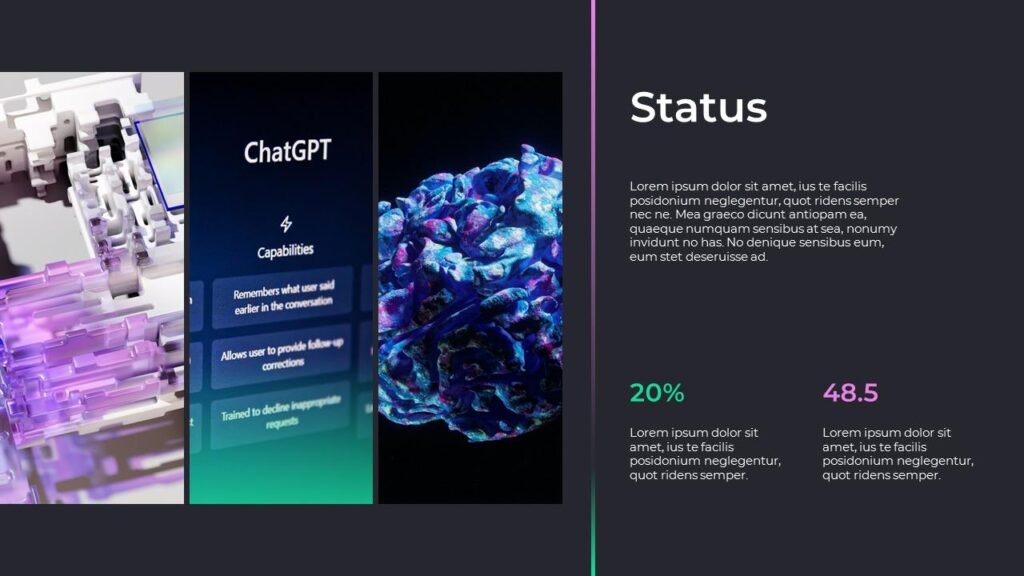
The potential workflow is straightforward.
A user could upload a research report and ask:
“Turn this into a 12-slide presentation for an executive meeting.”
The system could identify the most important findings, organize them into sections, create titles and summaries, generate charts where appropriate and produce an editable deck.
The user could then continue the conversation:
“Make it shorter.”
“Move the financial section earlier.”
“Add a slide comparing this year with last year.”
“Make the language suitable for investors.”
“Create speaker notes.”
That would represent a fundamental change from traditional presentation software.
Instead of learning how to operate the software first, the user would simply describe the result they want.
The real competition is about the workflow
This is why the NextSlide acquisition could matter beyond presentations.
The broader competition in AI is increasingly moving toward workflow automation.
A chatbot that answers questions is useful.
An AI system that completes tasks is potentially much more valuable.
The difference is enormous.
If ChatGPT can take research and turn it into a presentation, then later take that presentation and create an email, a report, a meeting agenda and a list of follow-up tasks, the AI becomes part of the entire workflow.
The presentation itself is only one step.
That is where OpenAI could eventually compete directly with traditional productivity platforms.
Why OpenAI may prefer acquisitions like NextSlide
NextSlide was not a giant company.
That may actually be part of the attraction.
Instead of spending years building every specialized capability internally, OpenAI can acquire small teams that have already solved specific problems.
The company gains experienced engineers, product knowledge and technology while integrating the team into its much larger platform.
Financial details of the NextSlide acquisition were not disclosed. Founder Ahmed Beshry also noted that the announcement came months after the transaction itself.
That makes it difficult to determine how large the strategic investment was.
But the direction is easier to see.
OpenAI wants ChatGPT to become useful for more kinds of work.
The Microsoft question
The move also has implications for Microsoft’s productivity ecosystem.
Microsoft is one of OpenAI’s most important commercial partners, while Microsoft itself owns PowerPoint and Microsoft 365.
That creates an interesting dynamic.
OpenAI can help Microsoft strengthen AI-powered productivity while simultaneously developing capabilities that could eventually make ChatGPT a more complete alternative workspace.
The two companies therefore have areas of cooperation and competition at the same time.
AI is making those boundaries increasingly difficult to define.
Google faces a similar challenge
Google has a comparable advantage through Google Workspace.
Docs, Sheets, Slides, Gmail and Drive already provide an integrated productivity environment.
Google can therefore build AI directly into applications people already use.
OpenAI is taking a different route.
Instead of starting with a traditional office suite, it can begin with ChatGPT and gradually add capabilities around it.
If users begin creating documents, presentations, research reports and other work without leaving ChatGPT, the traditional boundaries between an AI assistant and productivity software could start to disappear.
The biggest challenge is quality
There is still a major obstacle.
People don’t want presentations that merely look good.
They want presentations that are correct.
AI systems can misunderstand source material, invent information or produce visually attractive slides that don’t communicate a clear argument.
For professional users, those errors can be costly.
That means OpenAI will need to solve more than presentation design.
It will need to combine reasoning, document understanding, visual organization and factual accuracy.
The NextSlide team could help with part of that challenge, but there is no indication yet of exactly which features or products OpenAI will release.
What happens next?
OpenAI has not publicly announced detailed product plans for NextSlide, and the company has not disclosed the acquisition price.
For now, the clearest fact is that the startup’s team has joined OpenAI and is working on ChatGPT.
That leaves the most interesting question unanswered: