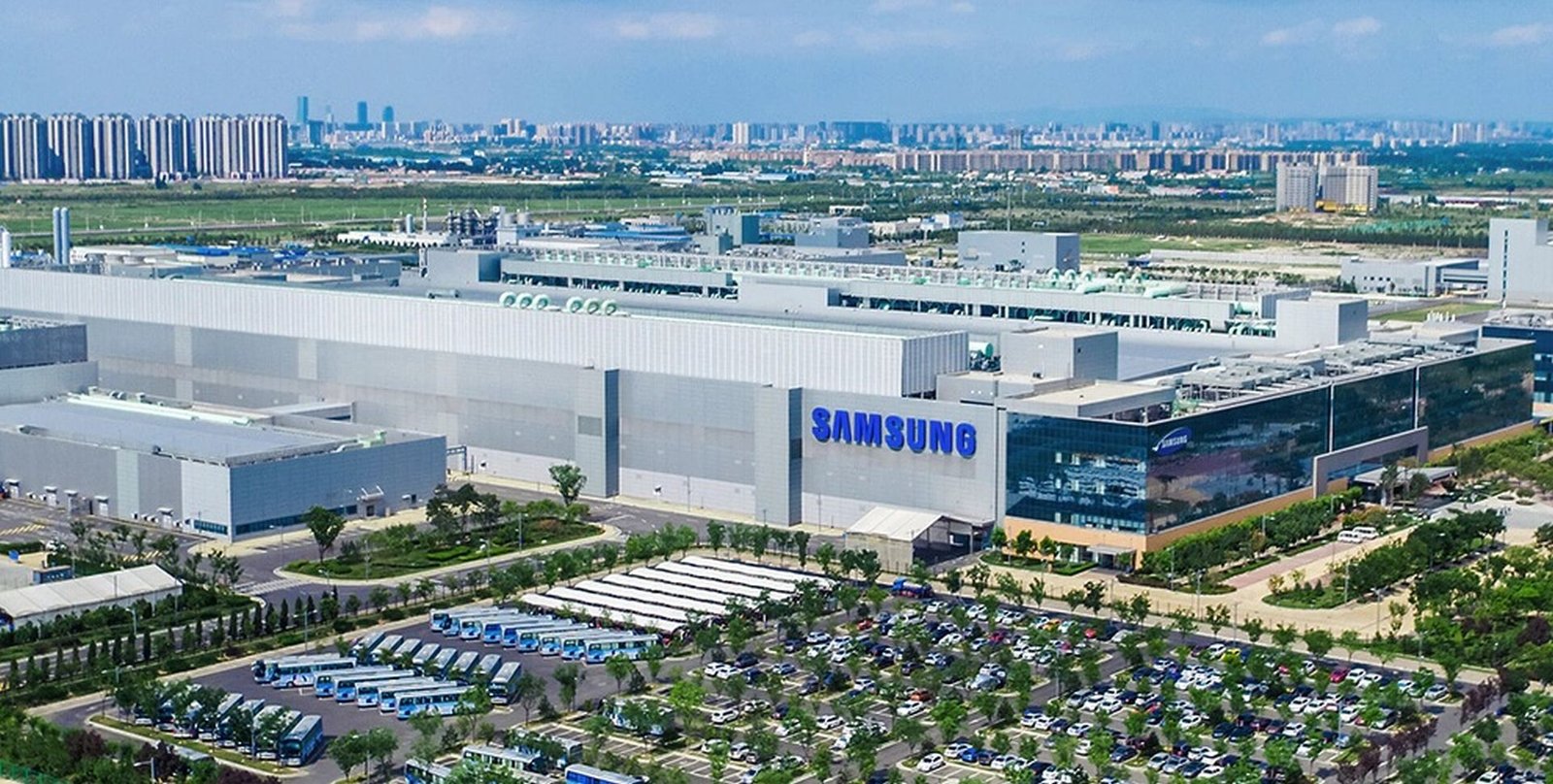
Samsung Electronics expects third-quarter 2026 operating profit of approximately 107.4 trillion Korean won, or about $80.17 billion. The figure represents an almost nine-fold increase from the same quarter a year earlier and would mark the highest quarterly profit ever reported by a technology company.
But the bigger story is not Samsung alone.
The result shows how rapidly the economics of the technology industry are shifting toward AI infrastructure, high-bandwidth memory and advanced semiconductors.
AI Is Driving a Memory Boom

Samsung’s preliminary guidance shows just how much demand for AI infrastructure is affecting semiconductor companies.
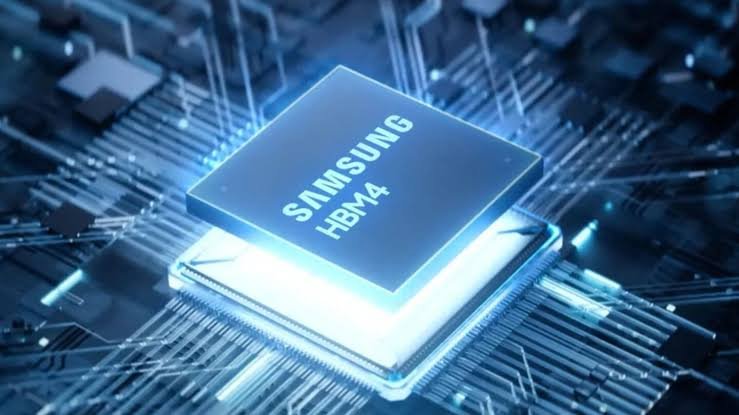
Modern AI data centers require enormous amounts of high-performance memory. High Bandwidth Memory, or HBM, is particularly important because it allows AI accelerators to access large amounts of data at extremely high speeds.
Samsung is one of the world’s major memory-chip manufacturers, making it a direct beneficiary of the AI infrastructure boom.
Reuters reports that demand for AI chips has contributed to a global memory shortage and rising prices.
The result is a major shift in the semiconductor market.
The most valuable part of the AI stack is no longer limited to the model itself.
It increasingly includes:
- AI accelerators;
- HBM;
- advanced manufacturing;
- networking;
- data-center infrastructure;
- and the power required to run it.
Samsung’s Smartphone Business Faces a Different Reality

Samsung’s record does not mean every part of the company is performing equally well.
Its mobile and consumer electronics businesses have faced higher component costs, while the foundry business remains under pressure.
Reuters reported that Samsung’s mobile division suffered losses exceeding $1 billion, highlighting the contrast between the company’s semiconductor performance and some of its consumer businesses.
That creates an important industry paradox:
Samsung is making more money than ever from chips while some of the products using those chips are becoming more expensive and difficult to manufacture profitably.
TSMC Shows the Same Bigger Trend
Samsung’s record comes alongside another major semiconductor milestone.
TSMC reported third-quarter revenue of approximately NT$1.49 trillion ($46.71 billion), up 50% year over year. September revenue alone increased 54.6% from a year earlier.
That makes the broader trend difficult to ignore.
The current AI infrastructure cycle is creating enormous demand across the semiconductor supply chain:
AI → data centers → accelerators → HBM → advanced manufacturing → massive infrastructure investment.
The World Trade Organization also reported that trade in AI-enabling goods, including semiconductors and data-center equipment, increased by 67% year over year, helping drive an upward revision to its 2026 global merchandise trade forecast.
What It Could Mean for Smartphones and PCs

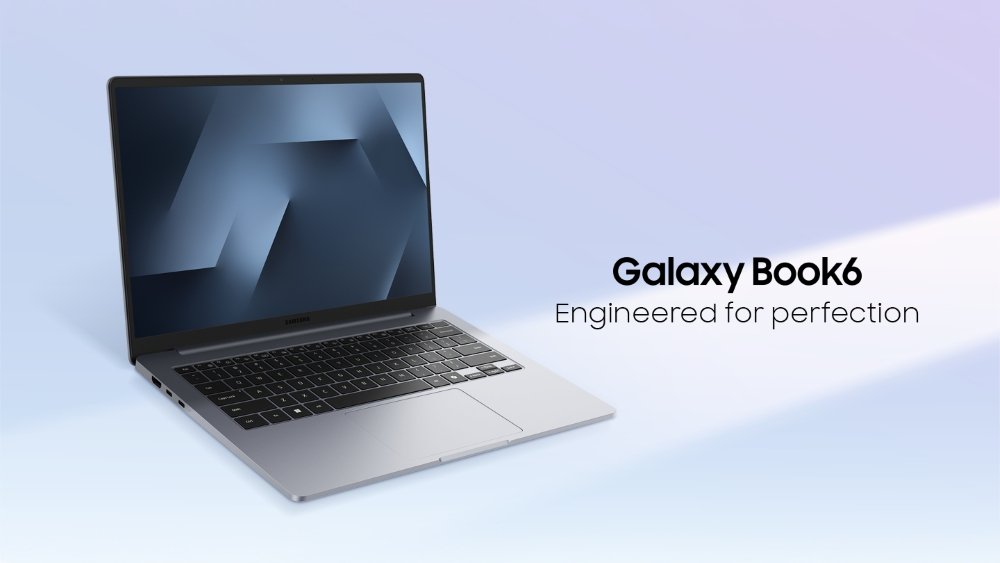
The memory shortage could eventually affect consumers.
If memory prices remain elevated, device manufacturers may have to choose between:
- raising prices;
- accepting lower margins;
- reducing specifications;
- or prioritizing premium products.
That could affect smartphones, laptops, gaming PCs and other electronics.
Samsung’s own smartphone business is therefore operating in an unusual environment: the company’s semiconductor division benefits from higher memory demand while its consumer businesses may face higher input costs.
The Bigger Question: How Long Can the AI Boom Last?
Investors are already asking whether current AI spending levels are sustainable.
Samsung’s shares fell after the announcement despite the extraordinary earnings forecast, reflecting concerns about the durability of the AI cycle, currency movements and competition.
The key issue is simple:
Will AI infrastructure spending continue at the current pace?
If hyperscalers and AI companies keep expanding data-center capacity, Samsung and other memory suppliers could continue benefiting.
If AI investment slows, however, semiconductor companies could face a sharp change in demand and pricing.
What Happens on October 29?
Samsung’s October 8 announcement is preliminary.
The company is scheduled to release its full third-quarter results on October 29, 2026. That report should provide more detail on memory, HBM, smartphones, foundry operations and the outlook for the rest of the year.
The most important question will be whether Samsung expects the current AI-driven semiconductor boom to continue into 2027.
Samsung’s projected $80 billion quarterly operating profit is more than a record corporate result.
It is evidence of how quickly AI is changing the economics of technology.
The companies building AI models may attract the headlines, but the companies producing the memory, processors and infrastructure needed to run those models are increasingly capturing enormous amounts of value.
Samsung is one of the clearest examples.
The next test will be whether today’s extraordinary AI-driven demand can remain strong enough to justify the massive investment now flowing into the semiconductor industry.