
For the past two years, Qualcomm’s Snapdragon X series has largely been limited to notebooks. The chips delivered strong battery life and competitive performance, but never had a true desktop platform to challenge compact systems like the Mac mini or higher-end machines such as the Mac Studio. The ASUS Ascent QN10 changes that.
Packing the 18-core Snapdragon X2 Elite processor alongside an integrated Adreno GPU, the compact desktop becomes the first mini PC to deliver up to 80 TOPS of AI performance through its dedicated Hexagon NPU. In effect, ASUS is introducing a new desktop form factor for Qualcomm’s most powerful PC silicon.
The desktop debut Snapdragon needed
The key shift with the Ascent QN10 is that Qualcomm’s flagship PC chip finally moves into a sustained desktop environment. Until now, comparisons with systems like the Mac mini were uneven—Snapdragon chips were typically used in battery-constrained laptops, while Apple’s desktop silicon benefited from constant power and cooling headroom.
With the QN10, that gap narrows. It brings Qualcomm’s ARM-based platform into direct competition with compact desktops built for continuous performance.
ASUS says the system pairs the X2 Elite’s 18-core CPU with up to 32GB of LPDDR5X memory running at 9600MHz, aiming for a balance of performance, efficiency, and quiet operation. The goal mirrors the Mac mini’s long-standing pitch: desktop-class power without the noise and thermal overhead of traditional PCs.

AI-first desktop computing
AI is central to the QN10’s positioning. At Microsoft Build, ASUS and Qualcomm demonstrated the system running tools like Visual Studio Code and GitHub Copilot with local AI-assisted workflows.
Other demos showed private large language models running directly on-device using frameworks such as LLMWare and AnythingLLM, without relying on cloud inference.
This is where the 80 TOPS NPU becomes important. Instead of offloading tasks to external servers, the system can process AI workloads locally, improving latency, privacy, and responsiveness. The QN10 also supports Microsoft’s Copilot+ PC experiences, placing it within the broader Windows AI ecosystem.
A meaningful shift for Snapdragon on desktop
The biggest takeaway is simple: Snapdragon X2 Elite has finally moved beyond laptops. If Qualcomm wants Windows on Arm to be seen as a serious long-term alternative to Apple’s silicon strategy, platforms like the Ascent QN10 are essential.
The QN10 doesn’t just introduce new hardware—it signals that ARM-based desktop computing is becoming a real battleground.
Packing the 18-core Snapdragon X2 Elite processor alongside Qualcomm’s integrated Adreno GPU, the tiny desktop also becomes the world’s first mini PC to offer 80 TOPS of AI performance through its dedicated Hexagon NPU. So, ASUS is introducing a new form factor for Qualcomm’s most powerful PC silicon.
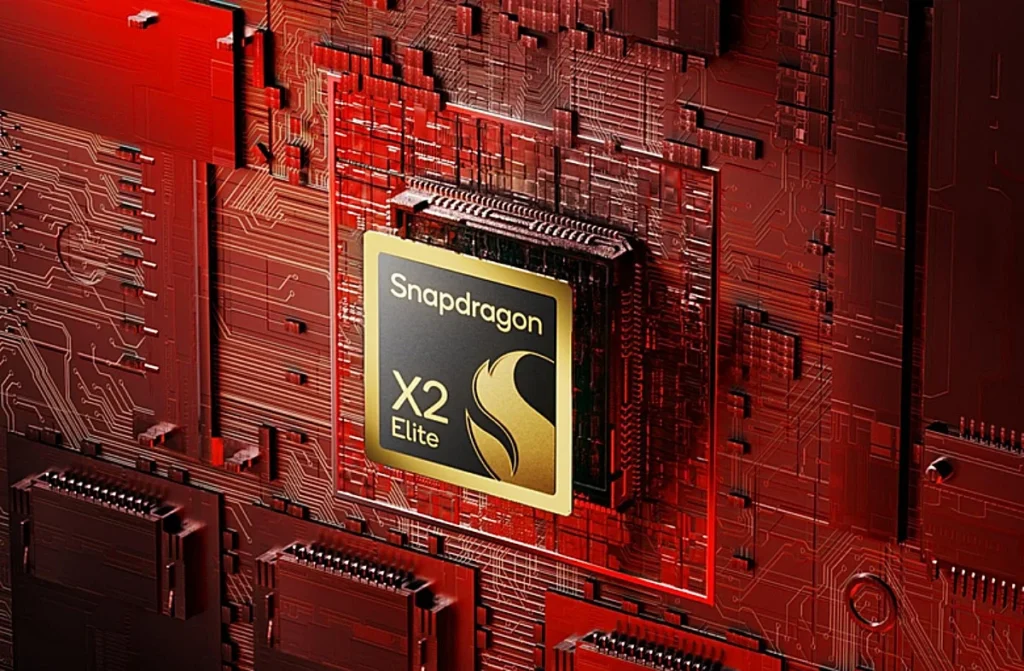
The desktop debut Snapdragon needed
The most interesting thing about the Ascent QN10 is the fact that Qualcomm’s flagship PC chip has finally made its way into a desktop. Until now, comparing Snapdragon-powered systems to Apple’s Mac mini has always felt slightly unfair. One sat inside a laptop chassis with battery constraints, while the other was a dedicated desktop built for sustained performance. The QN10 brings Qualcomm into that conversation.
ASUS says the system combines the X2 Elite’s 18-core CPU with up to 32GB of LPDDR5X memory running at 9600MHz, promising a balance of performance and efficiency while maintaining cool, quiet operation. That’s the same pitch Apple has successfully used for years with the Mac mini: serious performance without the noise and heat of traditional desktop PCs. Whether the QN10 can truly compete with Apple’s compact desktops remains to be seen, but for the first time, Qualcomm finally has the hardware platform to make that comparison meaningful.
Of course, ASUS and Qualcomm are leaning heavily into AI. At Microsoft Build, the companies demonstrated the QN10 running developer tools such as Visual Studio Code and GitHub Copilot while processing AI-assisted workflows locally. Another demonstration showed the machine running private large language models using LLMWare and AnythingLLM without relying on cloud servers.

That’s where the 80 TOPS NPU comes into play. Instead of sending data to external servers, developers can run AI workloads directly on the machine, which offers advantages in privacy, security, and responsiveness. The QN10 also supports Microsoft’s Copilot+ PC experiences, making it one of the first desktop-focused systems built around Microsoft’s growing AI ecosystem.
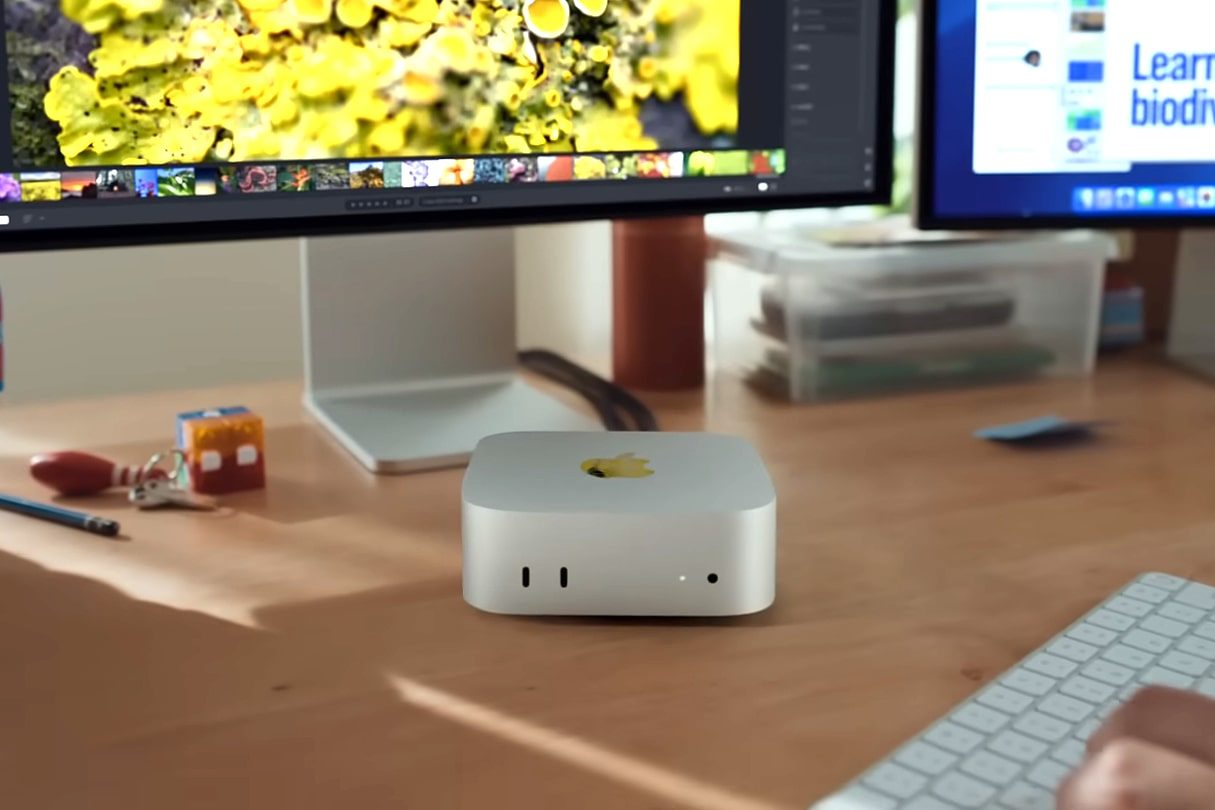
Still, the biggest takeaway from ASUS’ announcement is that the Snapdragon X2 Elite has finally escaped the laptop category. And if Qualcomm wants Windows on Arm to be taken seriously as a long-term alternative to Apple’s silicon strategy, a compact desktop like the Ascent QN10 is exactly the kind of product it needed to build.