





SpaceX is making one of the biggest bets in the history of commercial spaceflight.
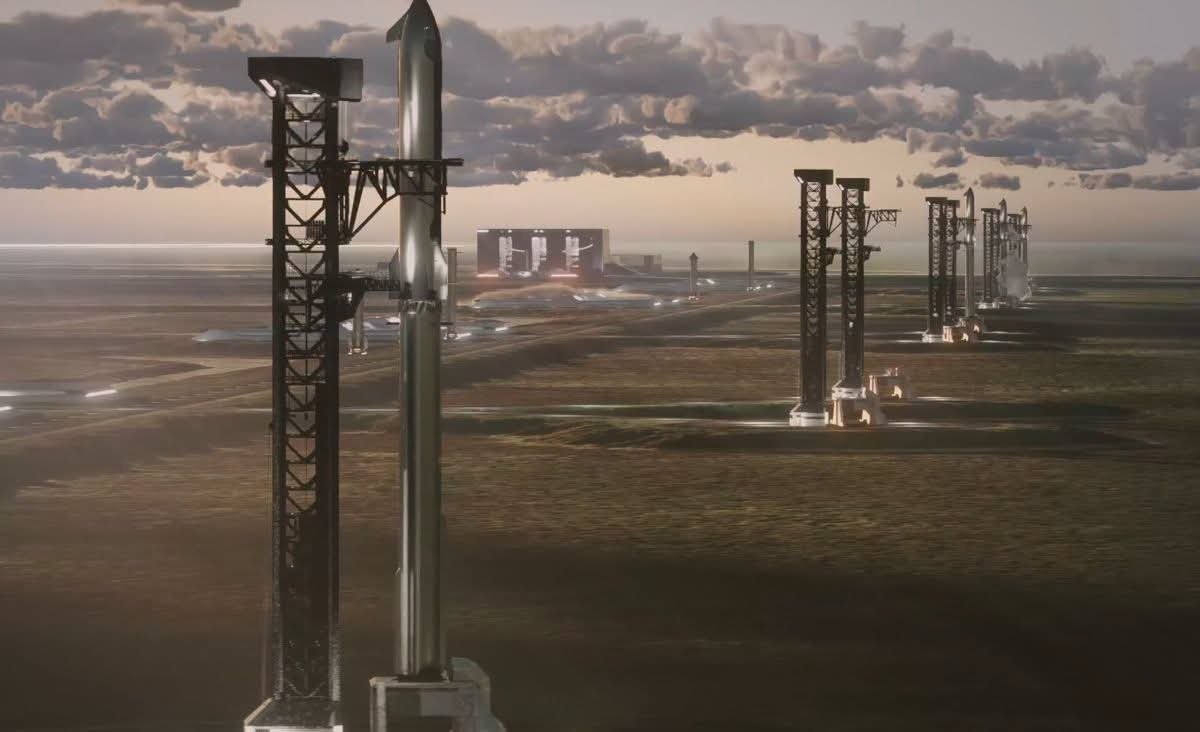
The company has announced plans to invest approximately $100 billion in a massive new Starship launch complex in southern Louisiana, creating what SpaceX describes as its largest launch facility yet.
The project, known as Starbase Louisiana, will be built on a roughly 125,000-acre site in Vermilion Parish, on Louisiana’s Gulf Coast. Construction is expected to begin in 2027, with SpaceX targeting the first Starship launch from the new facility in 2029.
If SpaceX achieves its goals, the facility could eventually support thousands of Starship launches every year, transforming the way rockets are manufactured, processed and launched.
The scale of the project is difficult to overstate.
This is not simply another launch pad.
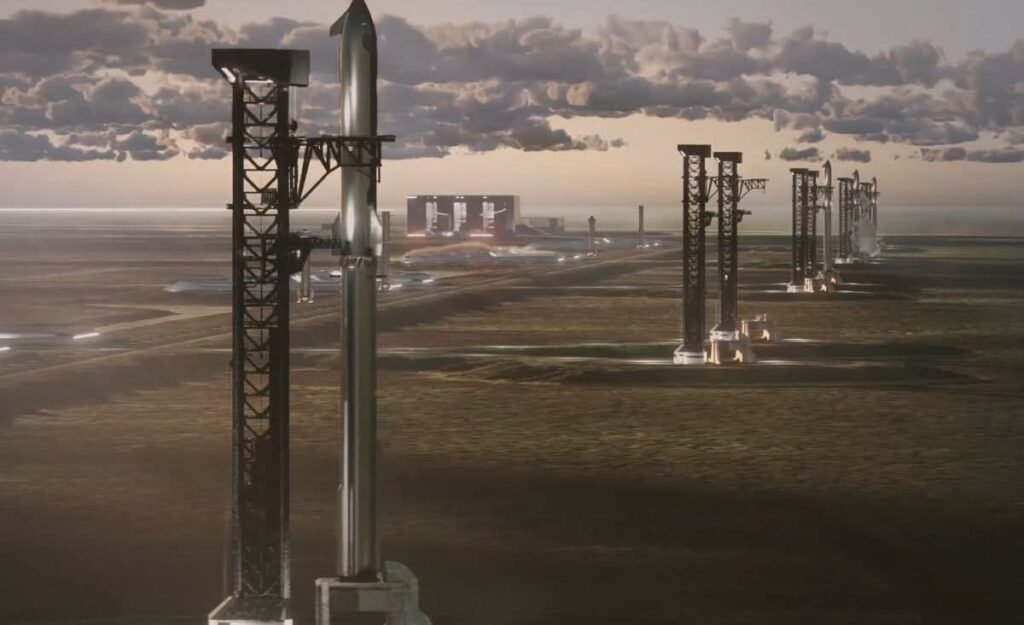
SpaceX is attempting to build an industrial-scale spaceport capable of supporting a dramatically higher launch cadence than today’s facilities.
A New Home for Starship

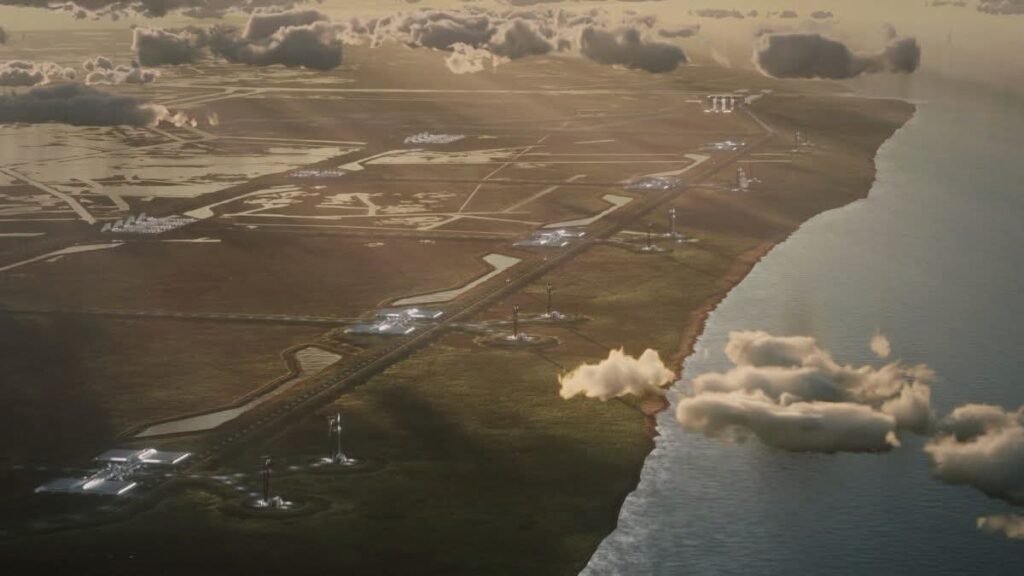

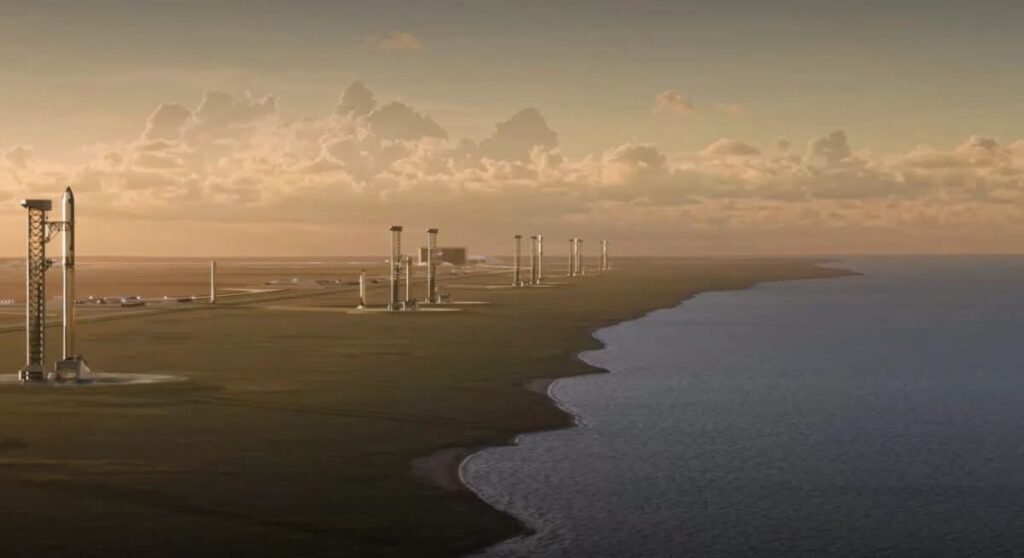

The Louisiana facility will complement SpaceX’s existing Starbase operations in South Texas.
The company says the new complex will be designed as a largely self-sustaining spaceport, with infrastructure for propellant production, power generation, deep-water shipping, vehicle processing and an airport.
That infrastructure is critical to SpaceX’s long-term vision.
Starship is designed to be a fully reusable launch system.
If the rocket can eventually be launched, recovered, inspected and relaunched rapidly, SpaceX believes it can dramatically reduce the cost of putting payloads into orbit.
But that requires a completely different kind of launch infrastructure.
Traditional rockets are typically treated as expensive individual vehicles.
Starship is being designed more like an aircraft.
The business model depends on flying frequently.
The Louisiana project is therefore not simply about having another place to launch rockets. It is about creating the physical infrastructure required for an entirely new launch economy.
Thousands of Launches Could Change Spaceflight

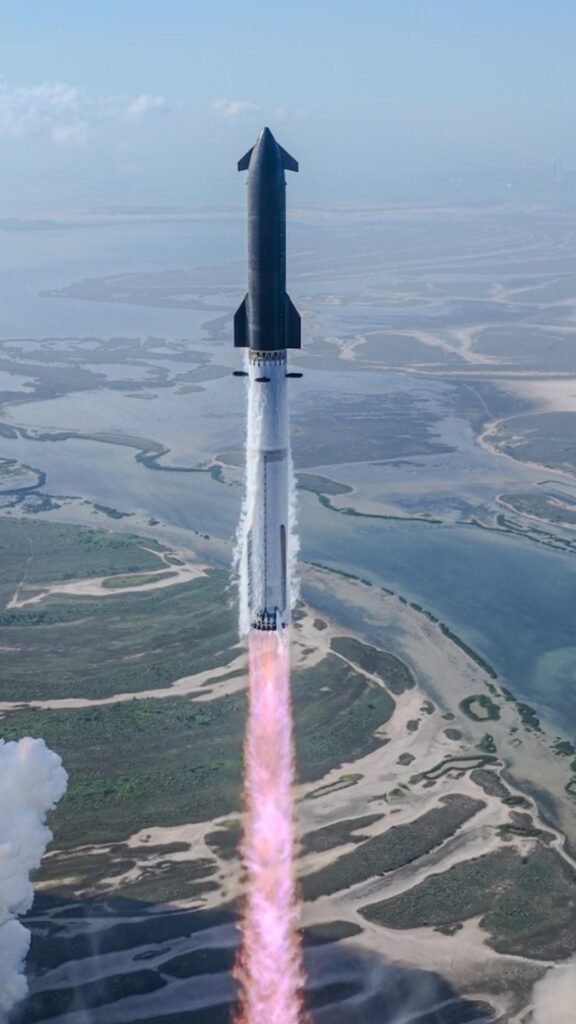
SpaceX says the Louisiana facility will eventually be capable of supporting thousands of launches annually. Louisiana Economic Development describes the planned site as the largest spaceport in the world once fully developed.
That would represent a dramatic increase in launch capacity.
Today, launching a large rocket is still a major event.
SpaceX’s vision is very different.
If Starship becomes reliably reusable, launches could eventually become much more routine.
That could make it possible to deploy enormous satellite constellations, build orbital infrastructure and transport large quantities of equipment into space at a frequency that has never previously been possible.
The implications extend beyond commercial satellites.
SpaceX has repeatedly positioned Starship as a platform for missions involving the Moon and Mars.
NASA’s Artemis program also depends heavily on Starship technology for its planned human lunar landing architecture.
And SpaceX is developing increasingly ambitious plans for Starlink and future orbital computing infrastructure.
The more frequently Starship can fly, the more realistic those projects become.
Starship Still Has Something to Prove
There is, however, an enormous caveat.
SpaceX has not yet demonstrated the complete version of the Starship business model.
The company has conducted multiple test flights since 2023 and has made substantial progress, but fully reusable Starship operations at the frequency required for the Louisiana business case have not yet been demonstrated.
The hardest part is not simply getting Starship into space.
SpaceX needs to demonstrate that both the vehicle’s booster and upper stage can be safely recovered and rapidly prepared for another mission.
That is the key to the economics.
A reusable rocket that flies only occasionally would not justify the same infrastructure as one that can fly multiple times every week.
SpaceX therefore faces a massive engineering challenge alongside the construction project.
It is building the infrastructure for a future that still needs to be proven.
The $100 Billion Question

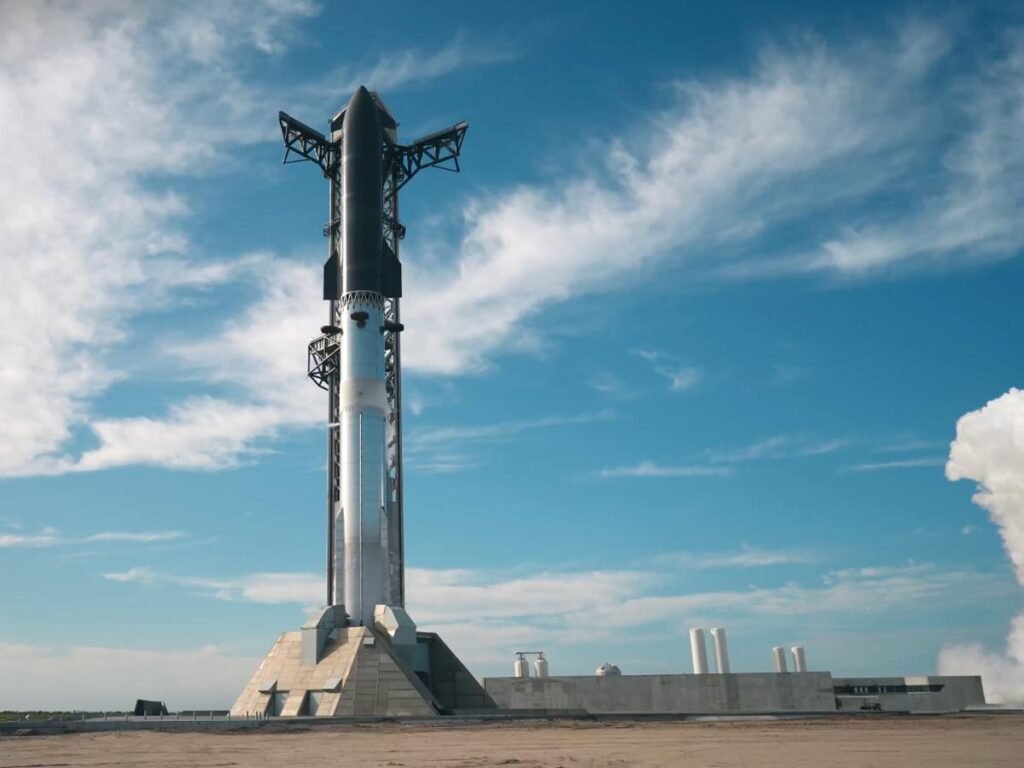
The scale of the investment is perhaps the most surprising part of the announcement.
SpaceX plans to spend approximately $100 billion on the Louisiana project, making it one of the largest single infrastructure bets ever associated with a private space company.
That amount reflects how important Starship has become to SpaceX’s long-term strategy.
The company’s Falcon 9 rocket business has already transformed commercial launches, but SpaceX believes Starship can take the industry much further.
Starship is larger, more powerful and designed for complete reusability.
If successful, it could reduce the cost of launching large payloads while dramatically increasing the number of missions that can be performed.
The Louisiana facility is effectively an infrastructure bet on that future.
If Starship succeeds, the investment could become one of the most important pieces of infrastructure in the space economy.
If Starship fails to achieve rapid reusability, however, the scale of the project becomes much harder to justify.
That is what makes the story so interesting.
SpaceX is investing billions today in a launch system whose full economic potential still has to be proven.
Louisiana Wants the Jobs

The project could also transform the local economy.
Louisiana Economic Development expects SpaceX to create approximately 3,000 direct jobs over the next decade, with average annual wages of about $92,600. The broader economic impact is expected to create more than 8,100 additional indirect jobs.
For Vermilion Parish and surrounding communities, the project represents a major economic opportunity.
The site could attract engineers, technicians, construction workers, aerospace specialists and other professionals.
The development also gives Louisiana a much larger role in the American commercial space industry.
The state has historically been associated with energy, manufacturing and industrial production.
SpaceX’s arrival could add another major industry to that economic base.
But Environmental Concerns Are Growing
The project is not without controversy.
The proposed facility will be built in a coastal region containing sensitive wetland ecosystems.
Environmental organizations have raised concerns about the potential effects of large-scale rocket operations, construction and industrial development on wildlife, wetlands and coastal protection.
That issue is particularly important because Louisiana’s coastal wetlands play a major role in protecting inland areas from storms and flooding.
SpaceX says it has already been working with Louisiana environmental agencies and plans to participate in coastal restoration and shoreline-protection projects.
The company has also said the Louisiana facility will incorporate environmental-restoration efforts.
But the scale of the proposed development means environmental oversight will likely remain a major part of the project.
Building one of the world’s busiest rocket facilities in a sensitive coastal environment will require a difficult balance between economic development and environmental protection.
Starship Could Become the Backbone of SpaceX’s Future
The Louisiana project also reveals how central Starship has become to SpaceX.
The company has indicated that it wants to eventually move away from relying primarily on its existing Falcon rockets for major parts of its launch business.
Starship is intended to handle missions ranging from satellite deployment to lunar exploration and eventually Mars missions.
It could also support SpaceX’s increasingly ambitious Starlink expansion.
Most intriguingly, SpaceX has discussed using Starship to deploy infrastructure for orbital AI computing.
That would create a completely new connection between the space industry and the artificial intelligence industry.
Instead of keeping all computing infrastructure on Earth, future AI systems could potentially use orbital data centers powered by solar energy.
That concept remains highly speculative, but Starship is one of the few vehicles being developed with enough size and payload capacity to make such ideas technically interesting.
The End of the Falcon Era?

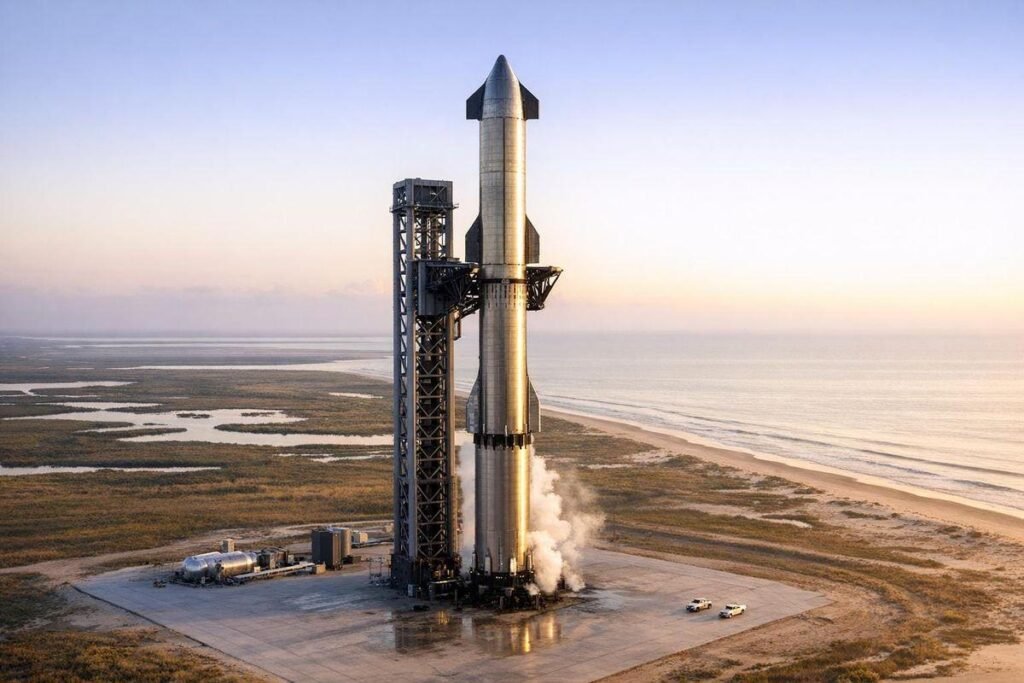
SpaceX CEO Elon Musk has also suggested that Falcon rockets could eventually be retired once Starship reaches a high enough launch cadence.
That would represent a remarkable transition.
Falcon 9 is one of the most successful rockets ever developed.
It helped make reusable orbital launches commercially viable and established SpaceX as the dominant force in commercial launch services.
Yet SpaceX is now preparing for a future in which even Falcon 9 may become yesterday’s technology.
The Louisiana Starbase could become a central part of that transition.
Rather than replacing one rocket with another, SpaceX is attempting to replace the entire operational model of spaceflight.
Why This Matters Beyond SpaceX
The most important consequence of the Louisiana project may not be what SpaceX itself launches.
It could be what cheaper and more frequent launches make possible for everyone else.
Lower launch costs could accelerate satellite deployment, scientific research, communications infrastructure and space-based manufacturing.
It could also make ambitious projects that currently seem economically unrealistic more achievable.
The commercial space industry has spent years trying to reduce launch costs.
SpaceX’s Starship strategy takes that objective to another level.
Instead of reducing costs incrementally, the company is attempting to change the economics of launching payloads altogether.
The $100 billion Starbase Louisiana project is the infrastructure required to attempt that transformation.
The Biggest Bet Has Just Begun
There is still a long way to go.
Construction is not expected to begin until 2027, and the first Louisiana Starship launch is targeted for 2029. Before then, SpaceX must demonstrate reliable Starship flights, recovery and rapid reuse.
The environmental and regulatory process will also take time.
But the announcement sends a powerful signal.
SpaceX is no longer planning for Starship to be an experimental rocket.
It is planning for Starship to become the foundation of an entirely new spaceflight industry.
And Louisiana is being positioned at the center of that future.
If SpaceX succeeds, Starbase Louisiana could become one of the most important pieces of space infrastructure ever built.
The real question is whether Starship can become the rocket capable of justifying it.
🔥 THE TECHSPO ANGLE
The $100 billion price tag is the headline — but the real story is launch frequency.
SpaceX is betting that rockets will eventually operate more like commercial aircraft: launched, recovered, serviced and launched again at extraordinary speed.
If that becomes reality, Starbase Louisiana could help turn spaceflight from an occasional event into an industrial-scale transportation system.
That would change far more than SpaceX.
It could change the economics of the entire space industry.