


The new E-IDS platform is designed to replace four legacy systems and bring operational information into one place. But removing floppy disks is only one part of a much larger modernization challenge facing US aviation infrastructure.
In 2026, as the technology industry pours investment into artificial intelligence, automation and increasingly advanced computing systems, parts of the United States’ air traffic control infrastructure still rely on technology inherited from previous decades. The Federal Aviation Administration (FAA) has now begun replacing systems that depend on floppy disks, with deployment planned across 435 facilities by the end of 2028.
The announcement was made on November 5 by the US Department of Transportation and the FAA. At the center of the effort is the Enterprise Information Display System (E-IDS), a platform intended to replace four legacy systems, some dating back to the 1980s. The FAA says initial installations are underway at five locations: Atlantic City, Nashville and Greater Rochester airports, as well as data-processing hubs in Atlanta and Salt Lake City.
What changes with E-IDS?
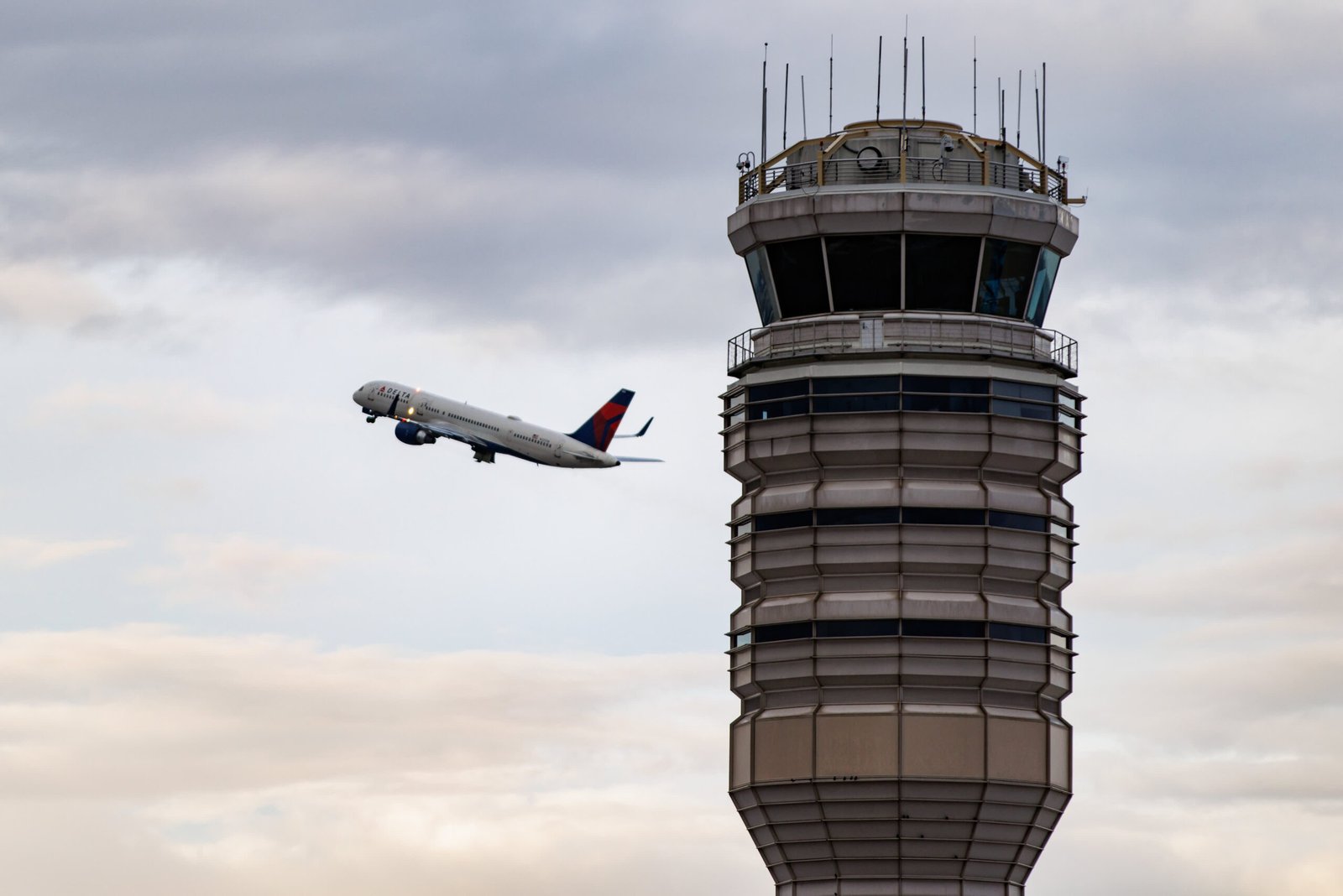
E-IDS is designed to bring information currently spread across separate systems into a single platform. That includes weather data, equipment disruptions, airspace restrictions, flight alerts and pilot reports about conditions encountered in the air.
Instead of relying on several disconnected systems and manual processes to retrieve and share information, controllers are expected to have a more accessible view of operational updates.
The FAA says the platform will improve situational awareness and help controllers make timely decisions. The actual impact on safety and delays, however, will need to be assessed after the system is deployed and operating at scale.
Why floppy disks are only the visible part of the problem
Floppy disks have become the headline-grabbing symbol of the upgrade, but the underlying infrastructure challenge is considerably broader. Aging communications systems, outdated computers and limited integration between facilities make the network difficult to maintain and modernize.
Reuters has reported that some FAA facilities still depend on decades-old computers and that replacement parts for certain equipment have been sourced through marketplaces such as eBay. The agency has also faced service disruptions linked to damaged fiber-optic cables and other communications infrastructure failures.
That makes this more than a storage-media replacement project. Modernization also requires upgrades to communications, hardware, software, security and the way information moves between air traffic facilities.
A major plan with financial and operational challenges
The FAA aims to deploy E-IDS at 435 facilities by the end of 2028. The project forms part of a broader air traffic control modernization effort backed by $12.5 billion approved by Congress. The administration has also sought an additional $30 billion for further upgrades.
Funding is not the only obstacle. A September 2026 Government Accountability Office report found that the FAA had not developed a comprehensive, well-documented lifecycle cost estimate or a reliable integrated schedule for the overall modernization program. The watchdog warned that weaknesses in planning increase the risk of cost overruns and missed performance targets.
That matters because air traffic control systems cannot simply be switched off for an extended period while replacements are installed. New equipment must be introduced, tested and integrated without disrupting the daily operation of the national airspace system.
What does this mean for passengers?

In the short term, passengers should not expect the removal of floppy disks to immediately reduce delays or make flights faster. E-IDS is one part of the information infrastructure used by controllers, not a single solution to every challenge in aviation.
Over time, a more integrated platform could help distribute weather information, airspace restrictions and technical alerts more efficiently. That could improve coordination and give controllers better access to operational information.
But staffing shortages, communications failures and other aging equipment will not be solved by a new display system alone.
What happens next?
The first stage involves installations at the five selected locations. The FAA then plans to expand E-IDS to 435 facilities by the end of 2028. A key measure of progress will be whether the platform can demonstrate reliability in real operating conditions and exchange information across facilities without introducing new disruptions.
For TheTechSpot.digital, this story highlights a technology challenge that often receives less attention than consumer gadgets and artificial intelligence: the most critical infrastructure is not necessarily the newest. In aviation, modernization is not measured by the age of a disk or the appearance of a screen, but by the reliability of the entire system behind it.
TheTechSpot Take
Retiring floppy disks is a necessary step, but it is not a complete technological victory. The real test for the FAA will be whether it can build an integrated, secure and maintainable infrastructure without repeating the delays and planning weaknesses that have affected earlier modernization efforts.


