

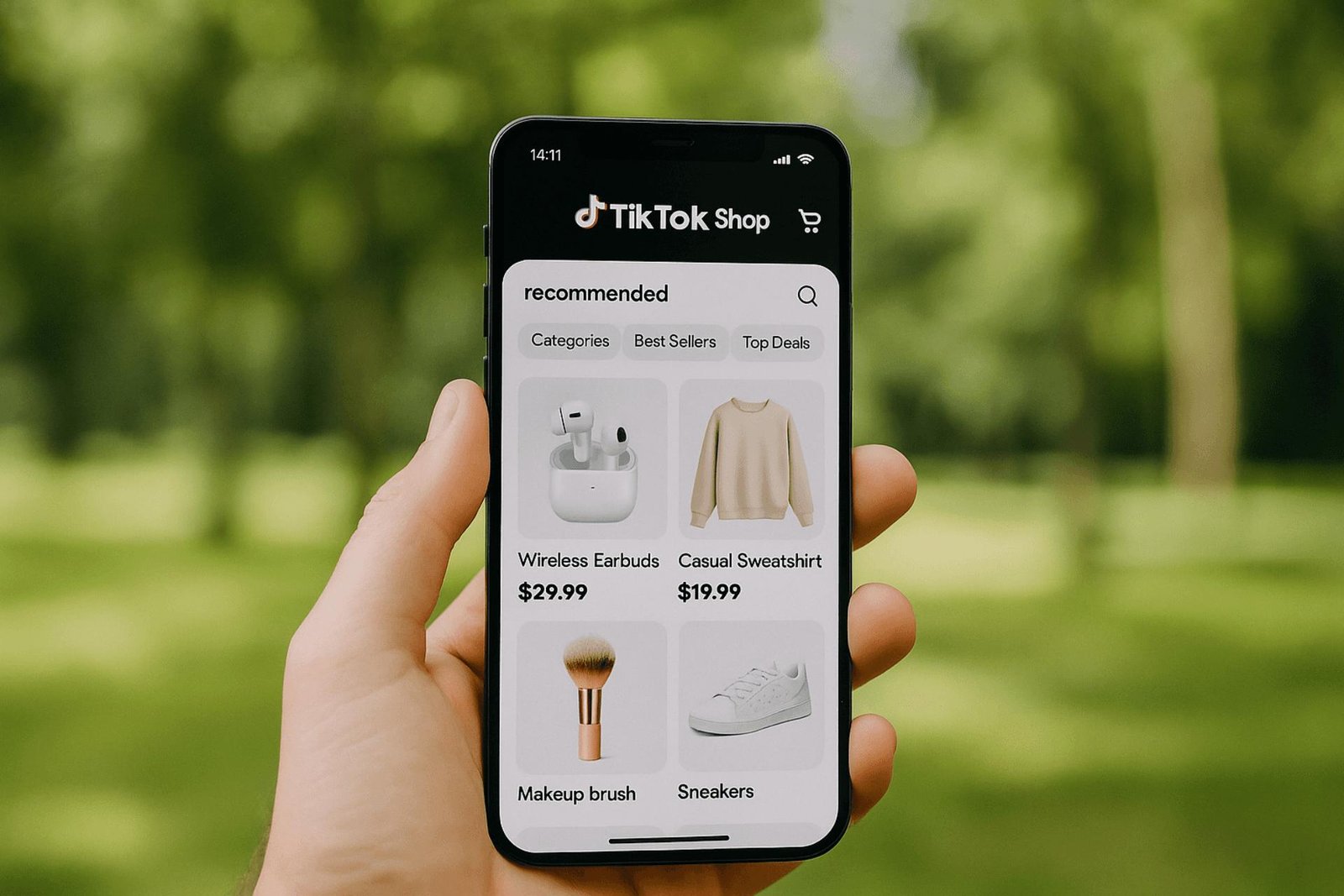
TikTok is testing a more direct route into e-commerce by giving its shopping marketplace a standalone app. The initial rollout covers four Southeast Asian markets, but the bigger test is whether a separate destination can turn social-media attention into repeat purchases.
TikTok is taking its shopping ambitions one step further. The company has launched a standalone TikTok Shop app in Singapore, Malaysia, Thailand and the Philippines, allowing users in those markets to browse and buy products without first opening the main TikTok app.
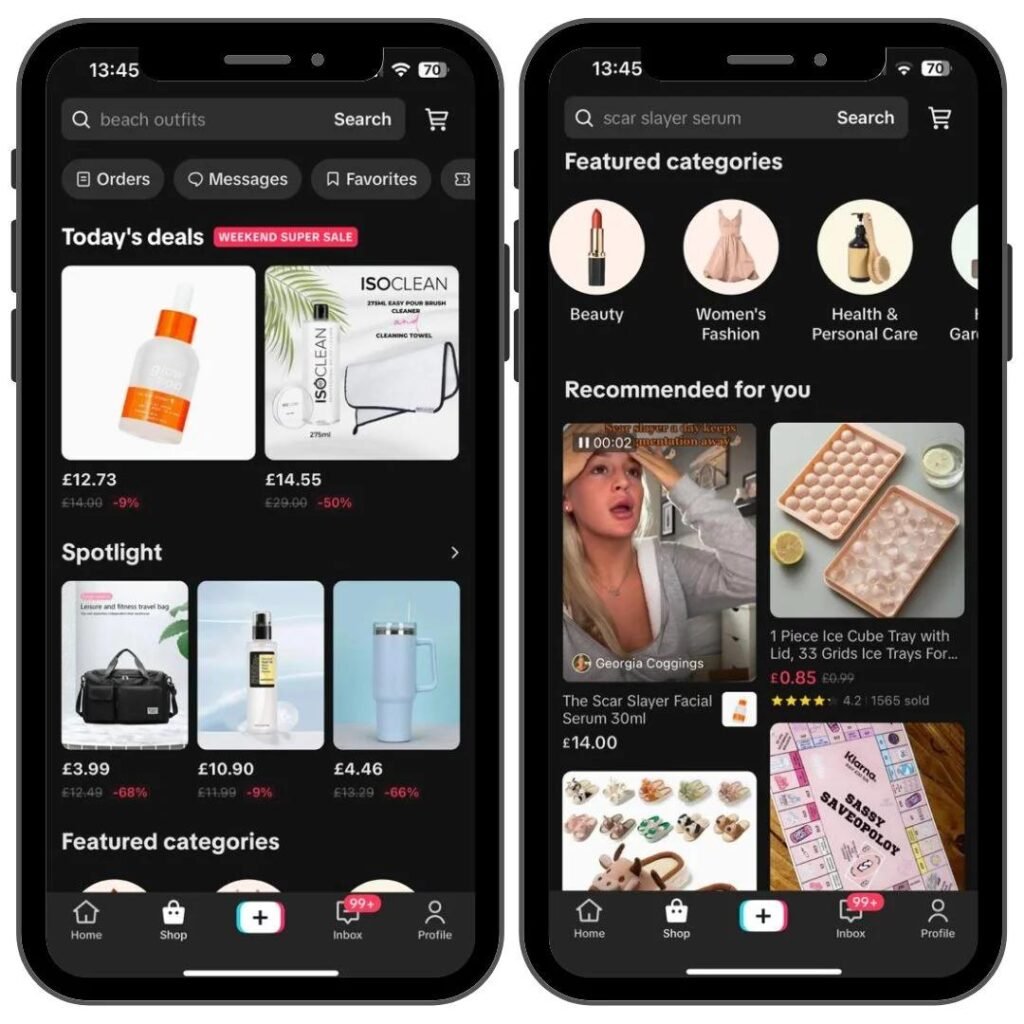
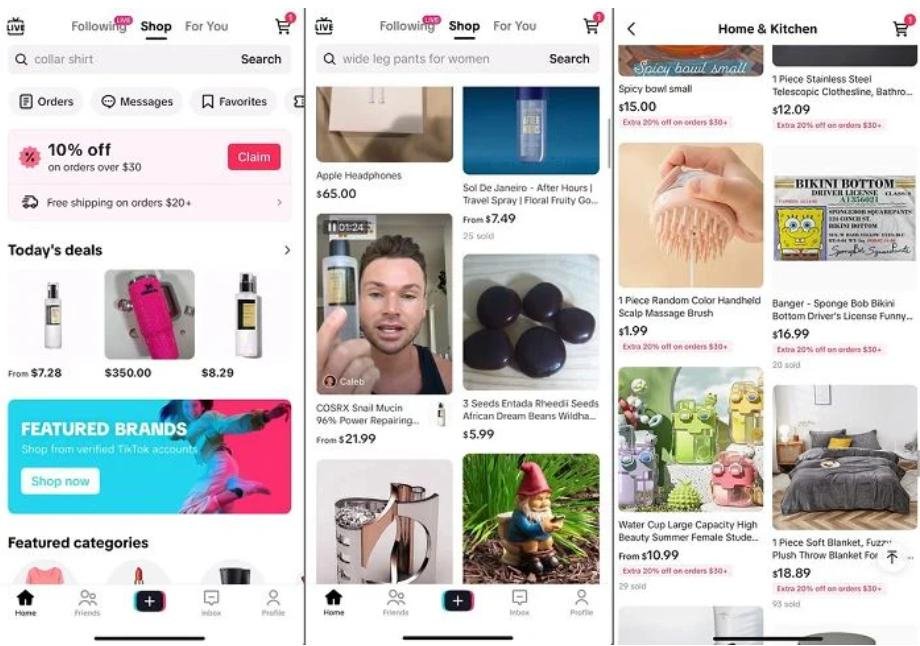
The new app brings together personalised product recommendations, short-form videos, livestream shopping, exclusive promotions, in-app checkout, order tracking and customer support. It is available for both iOS and Android, according to reporting by TechCrunch and The Verge.
The launch gives TikTok a dedicated shopping destination rather than treating commerce as one activity inside a broader entertainment platform. That distinction could matter: someone opening TikTok Shop may already have an intention to browse or buy, while someone opening the main TikTok app may simply be looking for videos.
From discovery to a dedicated shopping destination
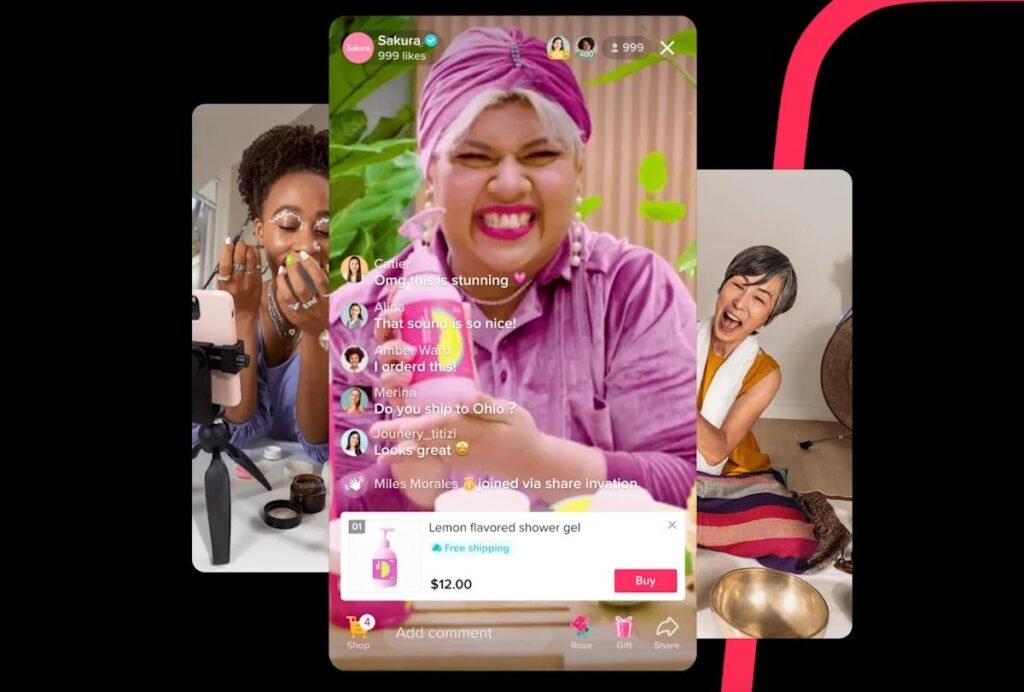
TikTok has spent years building shopping features into its video platform. Products can be discovered through creator videos and livestreams, while users in supported markets can access marketplace features within the main app.
The standalone version preserves the combination of entertainment and commerce. Users can still encounter products through short videos and live demonstrations, but the app is organised around shopping rather than a general-purpose social feed.
That gives TikTok another way to reach customers: the shopping app can compete for a place on a user’s home screen alongside established e-commerce services.
The first rollout is limited to Singapore, Malaysia, Thailand and the Philippines. There is no confirmed timetable for expansion into the United States, Europe or other markets. TikTok had not publicly clarified the wider rollout when the initial reports appeared.
Why the move matters
The strategy is about more than adding another app. TikTok is trying to make shopping a destination in its own right.
For traditional e-commerce platforms, users often arrive with a product or category in mind. Social commerce works differently: a video, creator recommendation or livestream can generate interest in something the viewer was not actively searching for.
A dedicated app could combine both behaviours. It can serve people who want to browse products directly while retaining the video-led discovery that helped TikTok Shop develop.
It also creates a new competitive front. TikTok is no longer only trying to sell products to people watching videos; it is asking shoppers to choose TikTok as one of the apps they open when they want to buy something.
The challenge: new customers or just relocated orders?
A separate app does not automatically mean a larger marketplace.
Some customers may simply move purchases they would previously have made through the Shop section of the main TikTok app. Exclusive discounts and shipping offers could encourage downloads and first orders, but those incentives do not necessarily prove that the platform has attracted new or more loyal customers.
For merchants, the important measures will be total sales across both TikTok experiences, repeat purchases, customer acquisition costs and the amount left after discounts, shipping and platform fees.
The company will also need to make the standalone experience sufficiently useful to justify another app on users’ phones. If customers only open it when a promotion is available, the long-term value may be limited.
What happens next?
The immediate test will take place in the four launch markets. Signs of a broader strategy would include additional country launches, new seller tools or features that make the standalone app meaningfully different from the Shop experience inside TikTok.
For now, there is no confirmed global expansion schedule. The launch should therefore be read as a focused regional rollout, not evidence that TikTok Shop is replacing the main TikTok app or becoming available worldwide.
TheTechSpot Take
TikTok is testing whether it can turn a social platform into a shopping habit. Giving Shop its own icon is a meaningful strategic signal: the company wants consumers to think of TikTok not only when they want entertainment, but also when they want to browse and buy.
But downloads are not the same as durable commerce. The real measure of success will be whether the new app generates additional orders, brings shoppers back without constant discounts and creates sustainable value for sellers.
If it mostly redirects existing TikTok Shop purchases, the new app may be a change in packaging rather than a breakthrough in e-commerce.


