

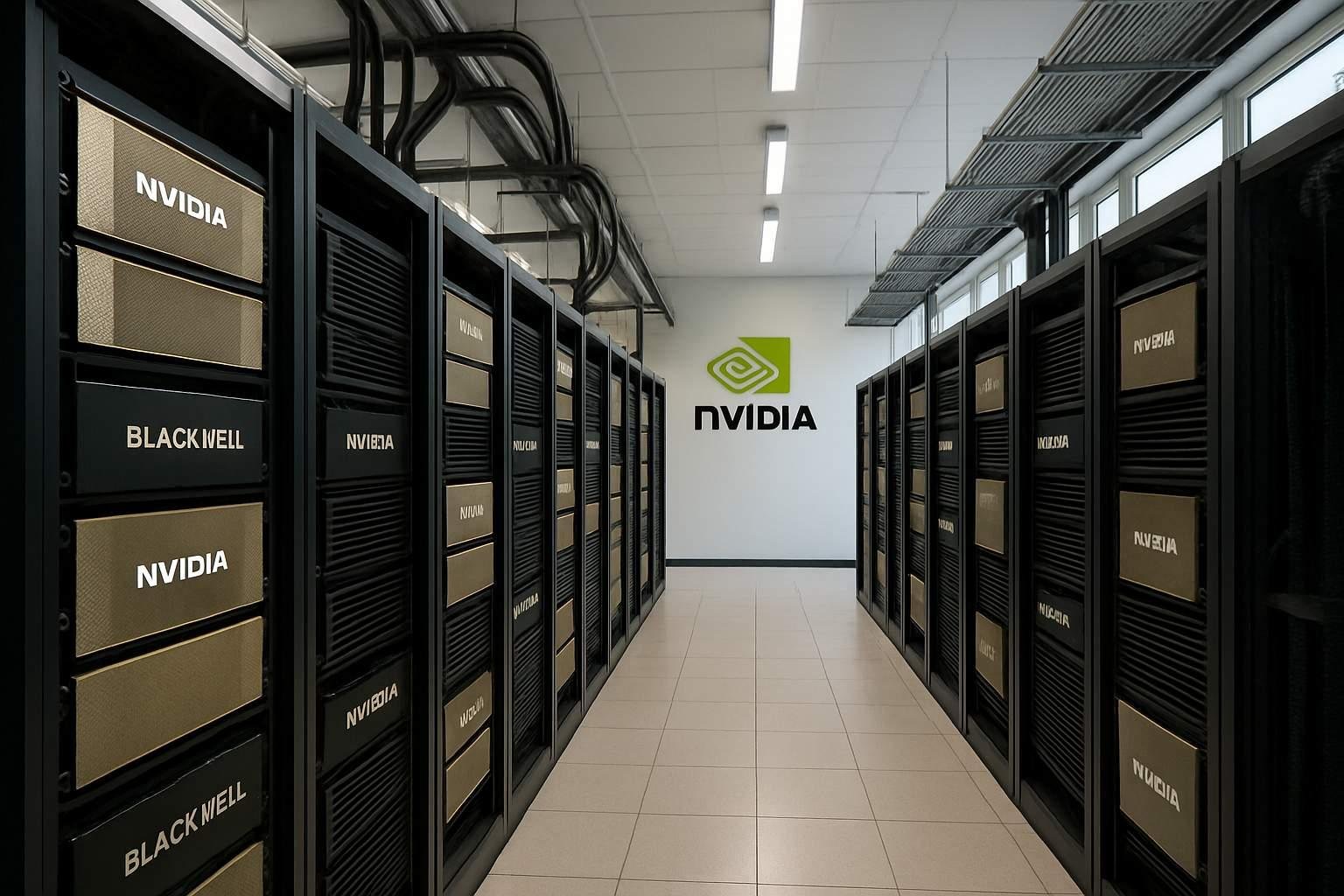
The Trump administration has introduced new export restrictions designed to prevent Chinese companies from accessing advanced American AI chips remotely through data centers located in third countries. The move could reshape the global AI computing market and increase pressure on the semiconductor industry.
The United States is tightening its control over advanced artificial intelligence hardware, introducing new rules aimed at stopping Chinese companies from bypassing export restrictions by using data centers outside China.
The measure, announced on Monday, November 16, targets access to advanced AI chips manufactured by American companies such as Nvidia. Rather than focusing only on the physical export of processors into China, the new approach also addresses remote access to computing infrastructure located in other countries.
The announcement comes as President Donald Trump begins a trip to China ahead of a planned meeting with Chinese President Xi Jinping on Thursday in Shenzhen.
Washington targets remote access to AI computing power
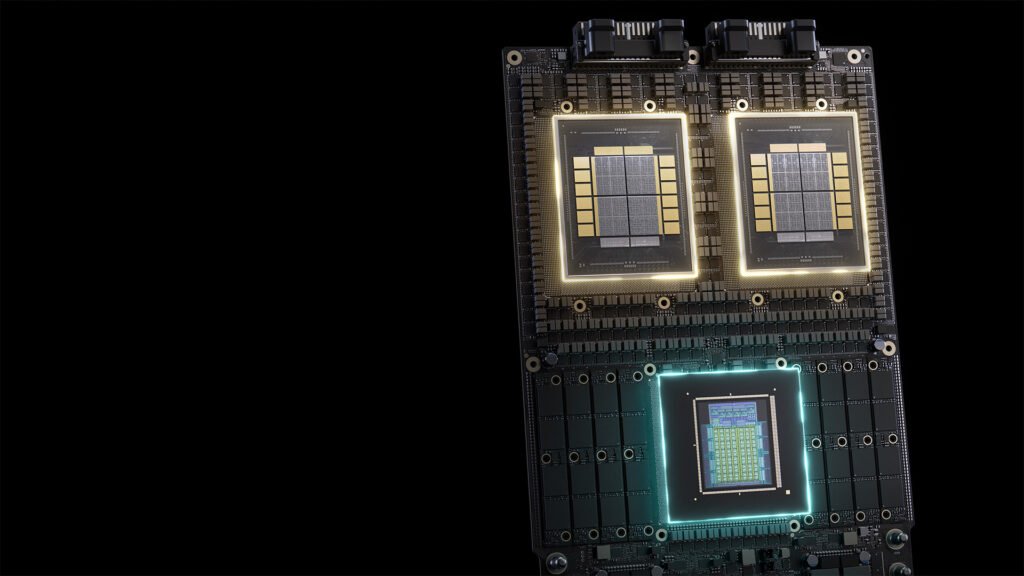
For years, US export controls have restricted China’s access to some of the most advanced American semiconductor technology.
However, companies can potentially access powerful processors without importing them directly. By using cloud services or renting computing capacity from overseas data centers, organisations can train and operate AI models remotely.
The new US rule is designed to close that gap.
According to Reuters, the restrictions affect advanced chips supplied to overseas data centers in countries including Malaysia and Thailand when the arrangements could provide Chinese companies with access to restricted computing resources.
The US Department of Commerce said the objective is to prevent existing restrictions from being circumvented through remote computing arrangements involving data centers in third countries.
This marks an important shift in how Washington approaches AI hardware exports: controlling not only where advanced chips are shipped, but also who can access their computing power.
Five countries face additional licensing requirements
The new measure also requires companies in five countries to obtain US export licences for advanced chips.
The countries identified are:
- Singapore
- Thailand
- Malaysia
- Indonesia
- Brazil
The US government considers these destinations to present a higher-than-normal risk of advanced chips being diverted to China.
The restrictions are not described as a general ban on all semiconductor exports to these countries. Instead, they introduce additional licensing requirements for advanced chips, with the aim of improving oversight of where the hardware ultimately ends up and who uses it.
The rules also include exemptions for systems used by online retailers and social media companies, which the Commerce Department said do not present the same national security concerns.
Why Nvidia is at the centre of the dispute
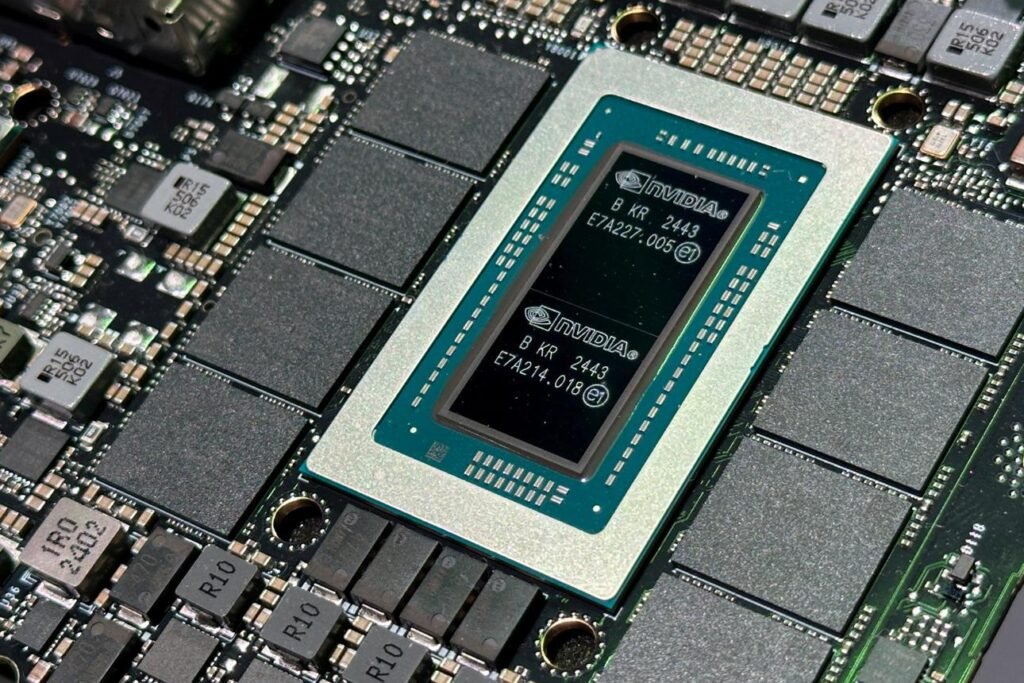
Nvidia has become one of the most important companies in the global AI industry because its graphics processing units are widely used to train and operate advanced AI models.
The company’s hardware is in demand among technology firms, cloud providers, research organisations and governments investing in artificial intelligence.
For Chinese AI developers, access to high-performance processors is particularly important. Training increasingly sophisticated models requires large amounts of computing power, and restrictions on advanced chips can make that process more expensive and difficult.
The new US policy could therefore affect not only chip sales, but also the cloud infrastructure companies use to provide AI services.
It may also increase compliance costs for data center operators and cloud providers in countries that now face additional licensing requirements.
A new chapter in the US-China technology rivalry
The timing of the announcement is significant.
Trump is travelling to China for discussions with Xi Jinping, with their meeting scheduled for Thursday in Shenzhen, an important technology and manufacturing centre.
The new restrictions underline how semiconductor technology has become a central issue in the relationship between the world’s two largest economies.
Washington argues that limiting access to advanced computing hardware is necessary to protect sensitive technology and national security. Beijing has repeatedly criticised US restrictions on Chinese technology companies, describing them as attempts to contain China’s development.
The latest measure also formally rescinds a Biden-era global licensing rule that had sought to regulate international access to advanced AI chips. The Commerce Department had previously said that rule would not be enforced and would be replaced.
What this means for the AI industry
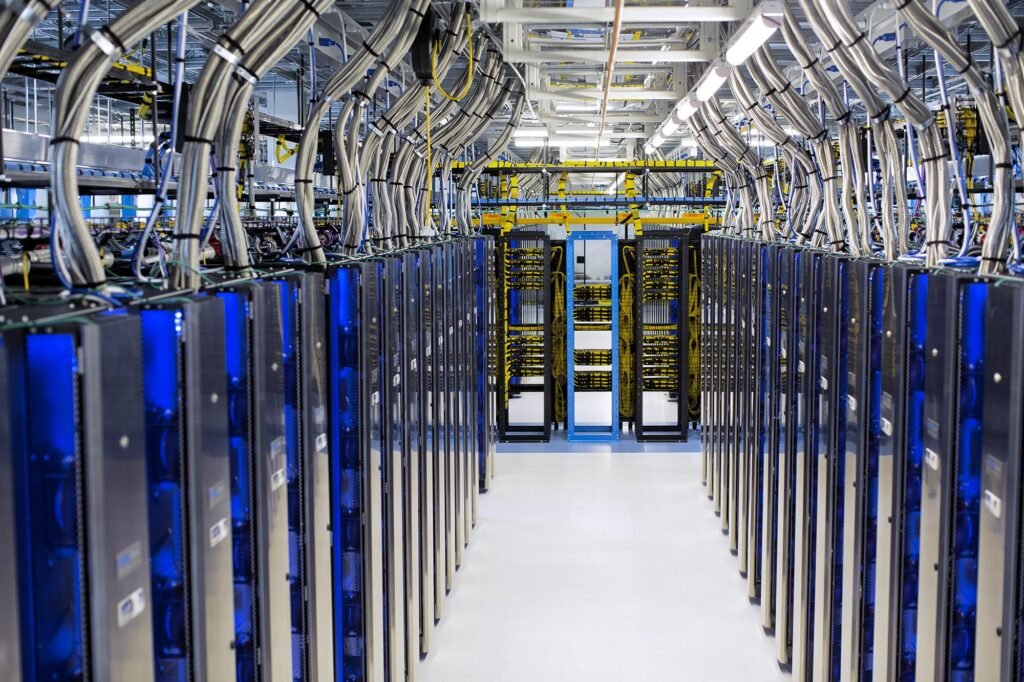
The consequences could extend well beyond Nvidia and Chinese technology companies.
Data center operators in Southeast Asia and Brazil may face additional compliance obligations when buying or deploying advanced processors. Cloud providers will also need to pay closer attention to who accesses their computing infrastructure and how that capacity is used.
For AI developers, the rules could make access to high-performance computing more complicated, particularly when relying on international cloud infrastructure.
The policy could also encourage further investment in domestic semiconductor production and alternative AI hardware in China, as companies look for ways to reduce their dependence on restricted American technology.
For now, the key question is how strictly the new requirements will be enforced and how quickly the affected companies adapt.
One thing is clear: the competition over artificial intelligence is no longer just about building better models. It is increasingly about controlling the chips, data centers and infrastructure that make those models possible.


