

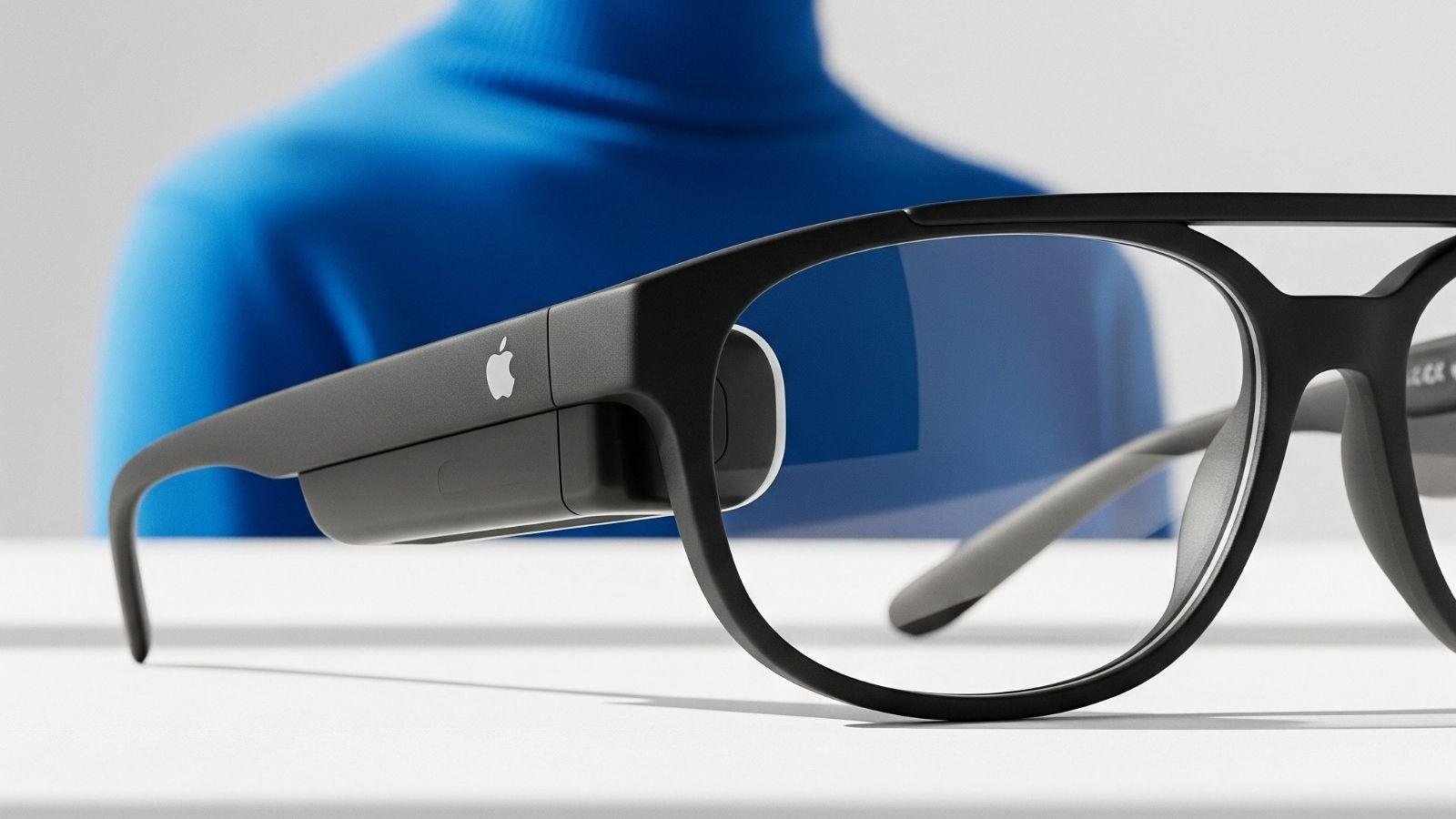
Apple is reportedly preparing to enter the smart-glasses market with a Siri-powered device expected to be introduced in 2027. Unlike traditional augmented-reality headsets, the first model is expected to focus on everyday convenience, audio and iPhone integration.
Apple appears to be moving closer to its first major entry into the smart-glasses market, with a new report suggesting that the company is developing eyewear designed around its next generation of Siri artificial intelligence features.
The reported device, internally identified as N50, is not expected to offer full augmented-reality experiences. Instead, Apple appears to be pursuing a more practical approach: glasses that can handle audio, calls, voice interactions and selected AI-powered functions while working closely with an iPhone.
The distinction is important. Apple is not reportedly trying to put a complete computer in front of the user’s eyes. It is attempting to make technology feel more natural by placing microphones, speakers, cameras and intelligent software into an object people already wear every day.
Neither the product specifications nor the launch schedule have been officially confirmed by Apple.
Why Apple may be choosing smart glasses over a full AR headset
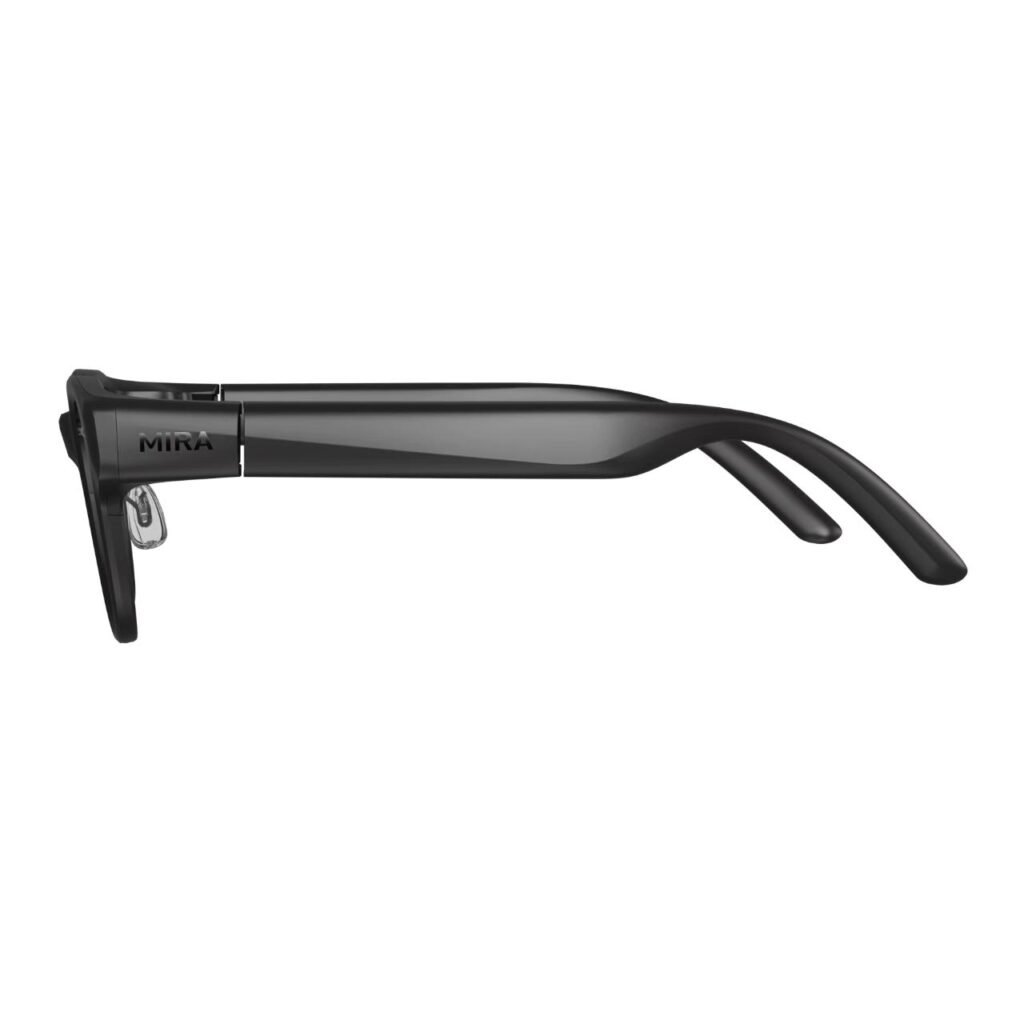
Apple has already entered spatial computing with the Vision Pro, a headset designed to create immersive digital environments and display virtual content around the user.
Smart glasses represent a different product category.
They are lighter, more socially familiar and potentially easier to use throughout the day. Rather than covering the user’s field of vision with digital interfaces, they can provide information through audio, voice interactions and, depending on the final design, other discreet features.
This approach could help Apple reach consumers who are interested in wearable technology but do not want to wear a large headset.
The reported prototypes are described as running a simplified version of visionOS. They are also said to use a processor derived from Apple’s older smartwatch chips.
That suggests the company is exploring a more power-efficient platform rather than trying to replicate the processing capabilities of an iPhone or Vision Pro inside a pair of glasses.
The choice would make sense for a product where weight, battery life, heat and comfort are likely to matter as much as raw computing performance.
Siri could become the centre of the experience
One of the most important elements of Apple’s reported strategy is its renewed focus on Siri.
The company is said to be working on more precise app controls, allowing Siri to perform actions within applications rather than simply responding to basic voice commands.
For smart glasses, this capability could be particularly useful.
A wearer might want to ask for information, control audio, make a call or interact with an application without taking an iPhone out of a pocket.
The challenge is making these interactions reliable. Voice assistants need to understand context, identify the user’s intention and complete tasks accurately. A device that requires users to repeat commands or regularly reach for their phone would offer limited advantages over existing products.
Apple is reportedly encouraging developers to add support for improved Siri interactions on iPhone before the glasses arrive. This could help build an application ecosystem before the hardware becomes available.
If that strategy works, the glasses could launch with more useful functions than a completely new device platform would normally offer.
Will Apple’s glasses work without an iPhone?
The reported prototypes are not expected to operate as fully independent devices.
Instead, an iPhone will reportedly handle many of the more demanding tasks, while the glasses will provide the interface through which users interact with Apple’s services.
However, The Verge’s report says the prototypes include Wi-Fi connectivity, which could allow selected functions to continue working even when the iPhone is not nearby.
Audio playback is one example. A user might theoretically continue listening to music over Wi-Fi after moving away from their phone.
The reported design also includes a small, flat, rectangular charging accessory described as similar in concept to Apple’s MagSafe accessories.
The exact charging method, battery capacity and expected operating time remain unknown.
This balance between independence and phone integration will be one of the most important factors determining whether the product feels genuinely useful.
Privacy could decide whether consumers accept the device
Smart glasses raise privacy questions that do not apply in quite the same way to traditional headphones or smartwatches.
If a device contains cameras and microphones, people around the wearer may be concerned about whether they are being recorded.
Apple is reportedly placing emphasis on privacy as part of the product’s design. However, the company has not yet announced how the glasses will handle recording indicators, consent, local processing or the storage of any captured information.
These details will matter.
A discreet wearable camera can be useful for hands-free photography and contextual AI features, but it can also create uncertainty for people who do not know when recording is taking place.
Apple will need to communicate clearly how recording works and provide visible safeguards that help other people understand when the device is active.
Privacy will not simply be a software feature. It could become one of the central conditions for public acceptance of AI-powered eyewear.
Apple is entering a market already shaped by Meta
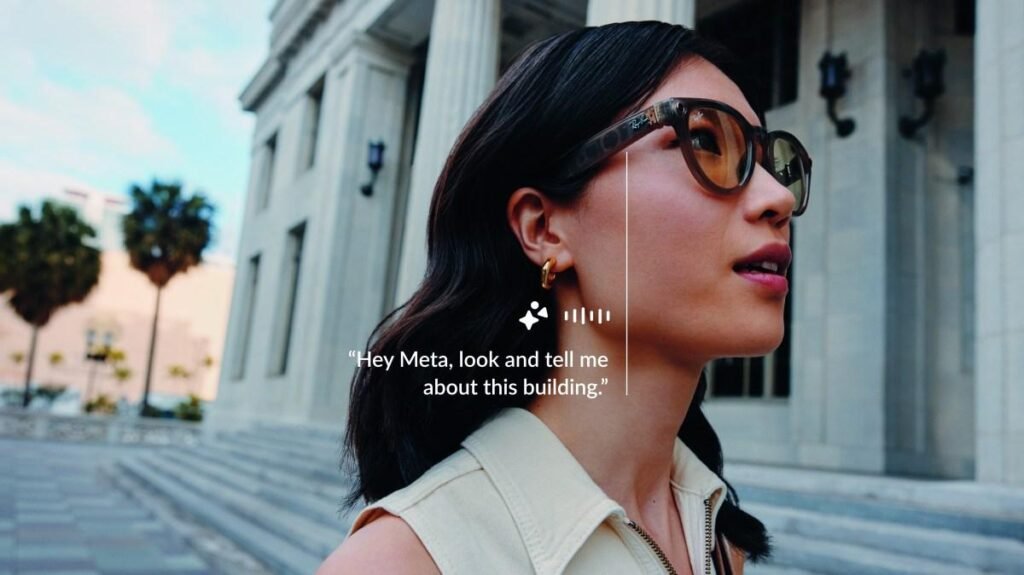
Apple will not be entering an empty market.
Meta has already established a presence in smart glasses through its partnership with Ray-Ban. Its products combine familiar eyewear designs with cameras, microphones, speakers and AI-powered functions.
That gives Meta an important early advantage: consumers have already had the opportunity to experience smart glasses without wearing a bulky augmented-reality headset.
Apple’s challenge will be to offer a convincing alternative.
Its strongest potential advantage is the integration of hardware, software and services across the iPhone ecosystem. If the glasses work smoothly with iOS, Siri and existing applications, they could appeal to users who already rely heavily on Apple products.
However, ecosystem integration alone will not guarantee success. Consumers will also judge the glasses on comfort, design, battery life, sound quality, reliability and price.
Apple must also demonstrate why someone should buy a separate wearable when many of the same functions can already be performed on an iPhone or Apple Watch.
What the device could mean for the future of everyday computing
The smart-glasses market is part of a broader shift toward technology that does not require users to constantly look at a screen.
Smartphones remain central to digital life, but companies are exploring ways to make information more accessible through voice, sensors and wearable devices.
AI could accelerate this transition by making devices more capable of understanding natural language and responding to requests in context.
For example, a user could ask for directions, request information or control an application without opening a series of menus. The usefulness of such features will depend on how accurately the system understands the request and how much information it can access securely.
There are also practical limitations. Glasses have less room for batteries and processors than smartphones, and they must remain comfortable enough to wear for extended periods.
That makes the development challenge more complicated than simply putting an AI assistant into a new product.
The launch is still ahead, and the details remain uncertain
Apple’s reported plans point toward a possible WWDC announcement in June 2027, with shipments expected before the end of that year.
But development schedules can change, and the company has not publicly confirmed the device, its name, price or final specifications.
The first model is also not expected to include full augmented-reality capabilities, meaning consumers should not confuse it with a smaller version of the Vision Pro.
Instead, Apple’s reported strategy appears to focus on making smart glasses a practical extension of the iPhone.
If the company can combine a comfortable design, dependable Siri interactions, strong privacy protections and useful everyday features, it could help move smart glasses from an emerging technology category into a more mainstream consumer product.
For now, the most important question is not whether Apple can build smart glasses. It is whether the company can give people a compelling reason to wear them every day.


