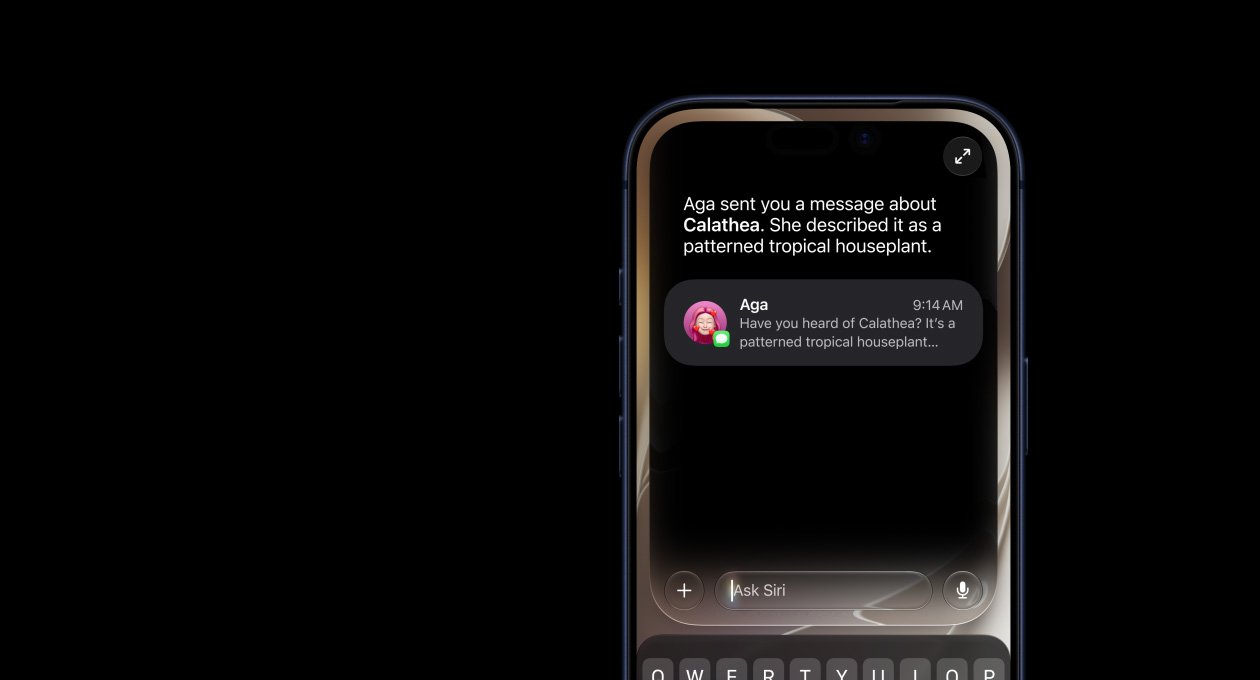
Apple is preparing one of the biggest transformations in Siri’s history. After years of criticism and delays, the company is rebuilding its virtual assistant around advanced artificial intelligence, with Google’s Gemini models playing a central role in the next generation of Apple Intelligence.
By TheTechSpot Digital | August 17, 2026
For more than a decade, Siri has been one of the most recognizable features of the iPhone.
It was introduced as a revolutionary voice assistant, promising to make smartphones more intelligent and more natural to use. But while competitors continued to develop increasingly powerful artificial intelligence systems, Siri gradually developed a reputation for being less capable than newer AI assistants.
That is now changing.
Apple has unveiled a dramatically redesigned version of Siri that is designed to understand context, carry on more natural conversations, interact with applications and provide more personalized assistance.
Behind this new generation of Apple Intelligence is an unexpected technology partnership.
Google Gemini.
Apple and Google announced a multi-year collaboration in January 2026 under which Google’s Gemini models and cloud technology will help power Apple’s next generation of foundation models. Apple says these models will support future Apple Intelligence features, including the redesigned Siri.
For Apple, the partnership represents a major strategic shift.
For Google, it could put Gemini technology inside one of the world’s largest consumer technology ecosystems.
And for millions of iPhone users, it could completely change what Siri is capable of doing.
Siri Is Finally Becoming a Real AI Assistant
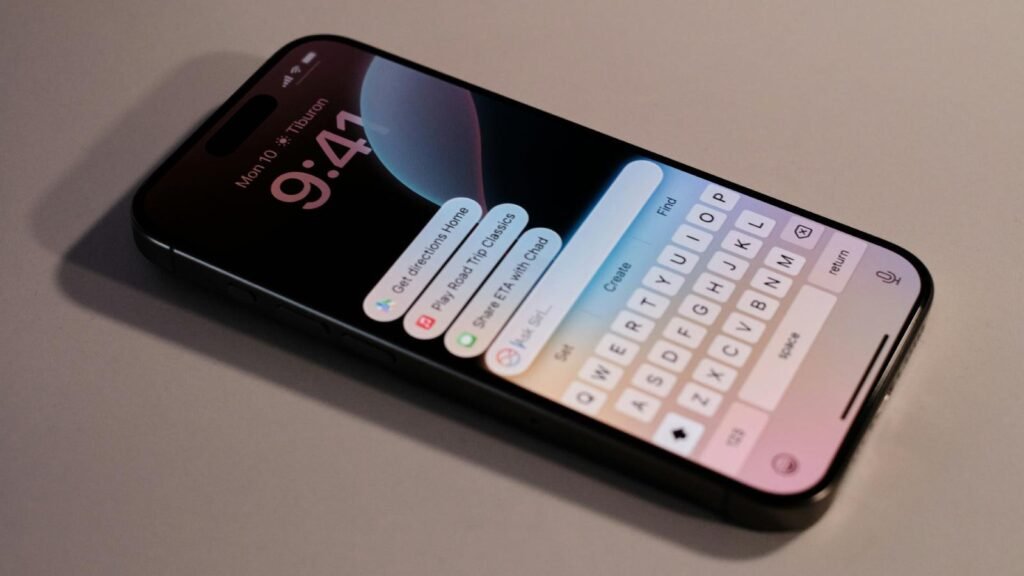
The biggest difference between the old Siri and the new Siri is not simply that the assistant can answer more questions.
Apple wants Siri to understand context.
That means the assistant should be able to understand what a user is doing, what is currently displayed on the screen and what happened earlier in a conversation.
Instead of treating every request as an isolated command, Siri can potentially use information from the surrounding context to provide a more useful response.
This is one of the defining characteristics of modern AI assistants.
Traditional voice assistants generally depended on predefined commands.
Modern AI systems can understand more natural language and interpret requests that are more complicated, conversational and ambiguous.
Apple’s new Siri is designed around that model.
According to Apple, the redesigned assistant will be more capable, conversational and deeply integrated across its products.
Google Gemini Is Now Part of Apple’s AI Strategy
Perhaps the most surprising part of the story is Apple’s decision to work with Google.
Apple has historically preferred to control its technology stack.
The company designs its own processors, operating systems and many of its core software technologies.
Artificial intelligence has proven more difficult.
Building extremely large foundation models requires enormous amounts of computing power, data, engineering resources and specialized AI expertise.
Google has spent years developing Gemini through Google DeepMind.
The January agreement allows Apple to use Google’s Gemini models and cloud technology as the foundation for future Apple Foundation Models.
Importantly, Apple says Apple Intelligence will continue to operate on Apple devices and through its Private Cloud Compute infrastructure while maintaining its privacy approach.
That means the relationship does not simply turn the iPhone into a Google product.
Instead, Apple is using Google’s AI technology as part of a broader Apple-controlled experience.
What Can the New Siri Actually Do?
The redesigned Siri is intended to go far beyond answering simple questions.
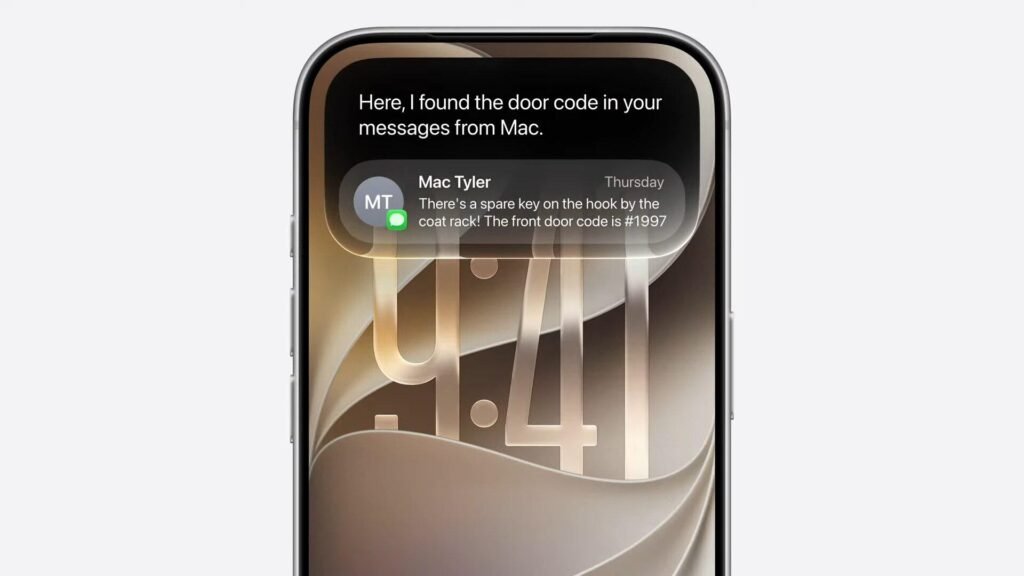
One of the most important upgrades is personal context.
The assistant can potentially understand information across different parts of the user’s digital life and use that information to provide more relevant responses.
For example, instead of asking Siri a generic question about a flight, users could potentially ask about a flight referenced in a message or email.
The assistant could then use the information already available on the device to provide an answer.
This type of contextual understanding is what many users have expected from Siri for years.
Another major capability is on-screen awareness.
Siri can understand what is displayed on the screen and use that information when responding.
This could make it much easier to perform tasks involving websites, messages, photos and applications.
The assistant is also designed to interact more deeply with applications.
That could eventually allow users to perform multi-step actions without manually opening and navigating through several different apps.
Siri Becomes More Conversational
Another major change is the way users communicate with Siri.
The new assistant is designed to handle more natural conversations.
Instead of speaking to Siri like a traditional command interface, users can interact with it more like a conversational AI.
They can ask follow-up questions without necessarily repeating the entire context.
This is an area where AI assistants such as ChatGPT and Gemini have changed user expectations.
People have become accustomed to asking AI systems complicated questions and continuing conversations naturally.
Apple now wants Siri to provide a similar experience while keeping the assistant deeply connected to the iPhone.
A New Siri App
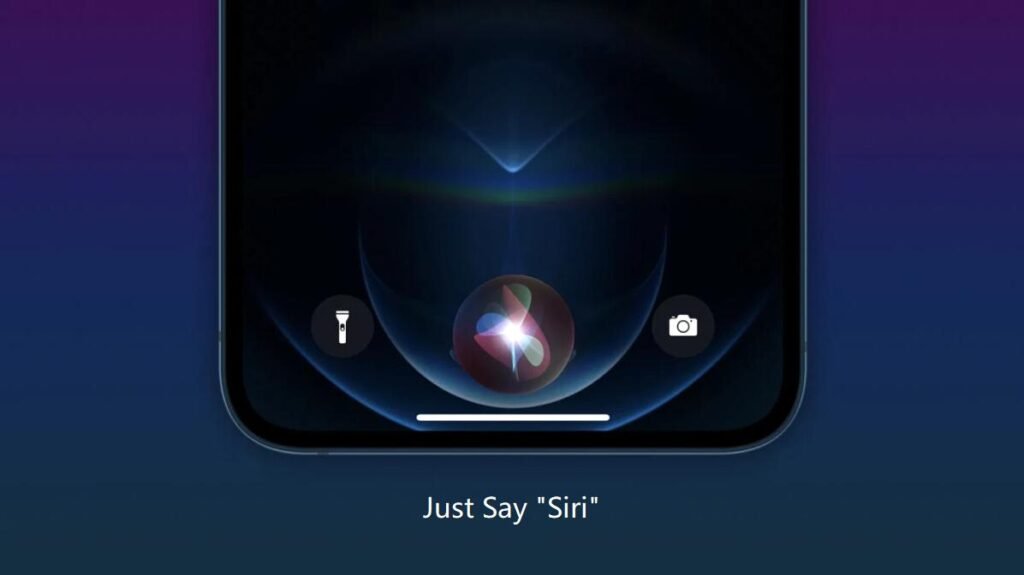
Apple’s new Siri experience also includes a standalone application-style interface, moving beyond the traditional floating Siri animation that users have seen for years.
This represents a significant visual and functional change.
Instead of Siri being something that simply appears temporarily when activated, Apple is moving toward an AI experience that users can interact with more continuously.
The change reflects a broader industry trend.
AI assistants are increasingly becoming destinations in their own right rather than simple features hidden inside operating systems.
Google has Gemini.
OpenAI has ChatGPT.
Microsoft has Copilot.
Apple now wants Siri to compete in the same category.
The Google-Apple Partnership Is Bigger Than Siri
It would be easy to look at the Gemini partnership and assume it is simply about improving Siri.
The reality is potentially much bigger.
Apple’s agreement with Google covers its next generation of foundation models.
That means Gemini technology could influence more than the voice assistant. Apple Intelligence is being integrated across the iPhone, iPad, Mac, Apple Watch and Vision Pro ecosystem. If Apple’s foundation models become more capable, future AI features could appear across all of these devices.
That could include writing tools, image understanding, translation, search, automation, personal assistance and potentially entirely new AI-powered applications.
Why Apple Needed Google
Apple has enormous advantages in hardware and software integration.
But the AI industry is moving extremely quickly.
Google, OpenAI and Anthropic have invested billions of dollars into increasingly powerful foundation models.
Training these systems requires enormous computing infrastructure.
It also requires teams of researchers and engineers working on model architecture, reasoning, multimodal understanding and AI safety.
Apple has been developing its own models, but the company has faced criticism over the pace of its AI progress.
The Google partnership allows Apple to accelerate its AI strategy without abandoning control over the overall user experience.
This could be one of the most important technology partnerships of the decade.
What Does Google Get?
Google also has plenty to gain.
Gemini is competing in an increasingly crowded market.
OpenAI has enormous consumer recognition through ChatGPT.
Microsoft has integrated AI throughout Windows and enterprise software.
Anthropic has developed a strong position in business and coding applications.
Getting Gemini technology deeper into Apple’s ecosystem could significantly increase its reach.
Millions of people who may never download the Gemini app could nevertheless interact with Gemini-powered technology through Siri.
That could make the Apple partnership one of Google’s most important AI distribution opportunities.
Privacy Will Be a Major Issue
Apple has built much of its brand around privacy.
That makes AI particularly complicated.
AI assistants can potentially access extremely sensitive information, including messages, emails, photos, calendars, contacts and personal documents.
Apple therefore needs to convince users that its new AI features can be powerful without compromising privacy.
The company says Apple Intelligence will continue to use on-device processing where possible and Private Cloud Compute for more demanding tasks.
This approach could become one of the most important differentiators between Apple’s AI strategy and those of its competitors.
Users want powerful AI.
But they also want control over their personal information.
Apple’s ability to balance those two demands could determine how successful the new Siri becomes.
What About iPhone Users in Europe?
There is another important issue for European users.
Apple has stated that Siri AI will initially have limited availability in the European Union on iPhone, iPad and Apple Watch, while Mac and Vision Pro users in the EU can access the feature when using a supported language.
Regulatory requirements are one of the reasons Apple has taken a cautious approach to rolling out some Apple Intelligence features in Europe.
That means European iPhone users may not receive exactly the same AI experience at the same time as users in other markets.
For Apple, navigating European regulation will be an important part of the Siri rollout.
The AI Smartphone Race Is Changing
The new Siri also highlights how the smartphone market is changing.
For years, smartphone companies competed mainly on:
- Camera quality
- Processor performance
- Battery life
- Display technology
- Design
- Storage
Now artificial intelligence is becoming one of the most important competitive advantages.
Google is building Gemini into Android and Pixel.
Samsung is heavily integrating AI into Galaxy devices.
Apple is rebuilding Siri and Apple Intelligence.
The result is a new smartphone competition:
Which phone has the smartest assistant?
That question could become as important as which phone has the best camera.
Apple vs. Google vs. OpenAI
The competition is becoming particularly interesting because Apple and Google are simultaneously partners and competitors.
Google provides AI technology to Apple.
At the same time, Google competes directly with Apple through Android and Pixel. Apple competes with Google in smartphones, services and AI. Meanwhile, OpenAI is competing with both companies in the AI assistant market.
This creates a fascinating technology landscape in which companies can be competitors in one area and partners in another.
The real winner may ultimately be the company that controls the most important AI platform.
Could Siri Become Apple’s Most Important AI Product?
If Apple gets the new Siri right, it could become one of the most important products in the company’s ecosystem.
Imagine an assistant that understands your schedule, messages, photos, applications and preferences while being able to take actions on your behalf.
Instead of simply answering questions, Siri could become a digital interface for controlling the entire iPhone. That is a much bigger ambition than the original Siri.
The company is essentially attempting to transform Siri from a voice command feature into an AI operating layer.
The Future of the iPhone May Be Less About Apps
There is an even bigger possibility.
If AI assistants become capable of performing actions across applications, users may not need to manually open apps as often.
Instead of opening a travel application, searching for a flight and entering dates, a user could potentially ask Siri to handle the process. Instead of manually searching through messages and photos, users could ask Siri to find relevant information. Instead of navigating through multiple settings, the assistant could potentially perform the task directly.
This could fundamentally change how people interact with smartphones.
The traditional app-based interface may not disappear.
But AI could become the layer that connects everything together.