

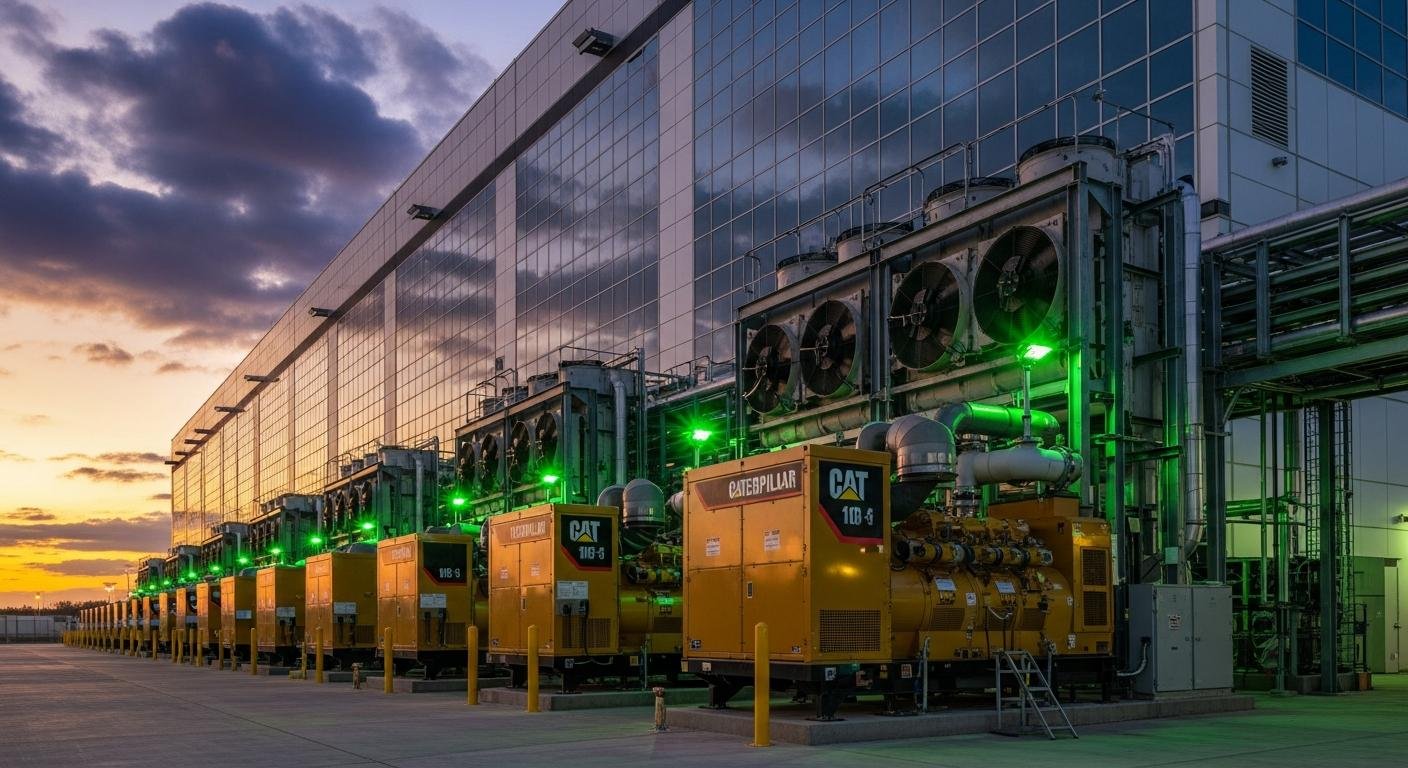
The AI company has reportedly taken over commitments for 1.7 gigawatts of gas-fired generators, highlighting the growing struggle among technology giants to secure enough electricity for artificial intelligence.
The race to build increasingly powerful artificial intelligence systems is creating a new challenge for technology companies: securing enough electricity to operate them.
Anthropic, the company behind the Claude family of AI models, has reportedly agreed to a deal worth approximately $3.4 billion to secure gas-fired power generation equipment for its expanding data center infrastructure.
The development was reported by the Financial Times on November 8, 2026, and subsequently covered by Reuters.
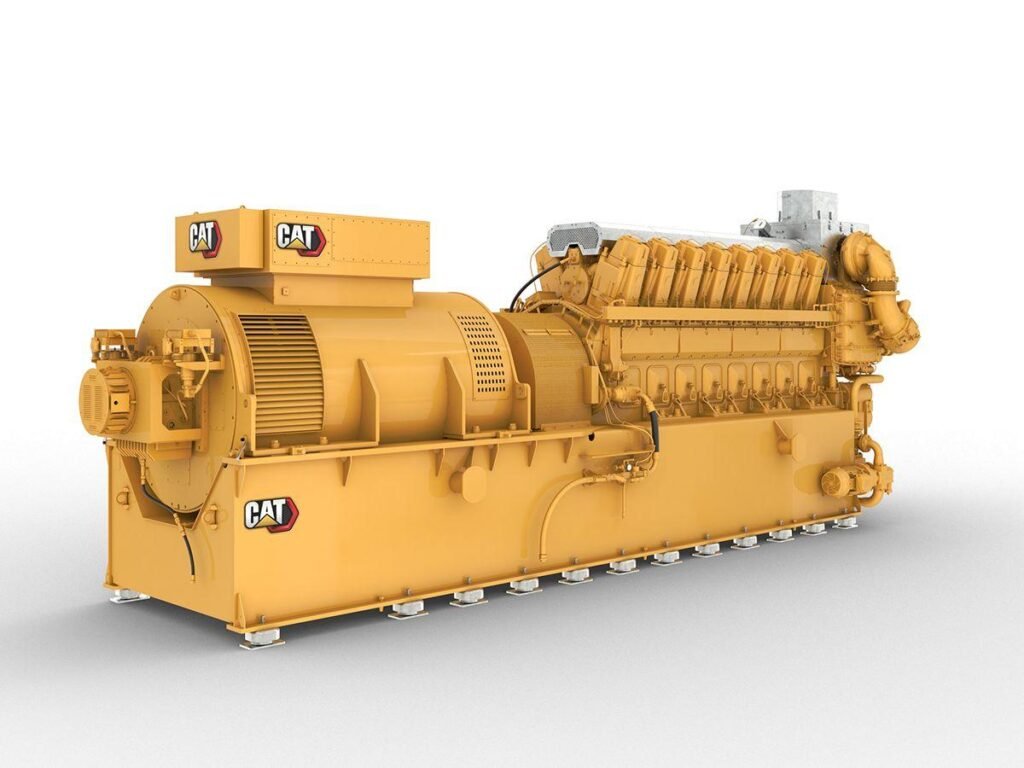
According to the reports, the agreement involves approximately 1.7 gigawatts of generator capacity originally ordered by OnePWR Solutions, a Texas-based equipment supplier. The generators were manufactured by Caterpillar.
The reported arrangement was made in late September, when Anthropic took over the equipment commitments, together with engineering and construction capabilities required to install the generators.
Importantly, Anthropic did not acquire OnePWR itself, and the supplier’s employees did not become Anthropic employees.
Why Anthropic is investing billions in power generation
Artificial intelligence requires enormous computing resources. Training large models and responding to millions of user requests means operating powerful processors in data centers that consume substantial amounts of electricity.
As AI adoption accelerates, electricity availability is becoming one of the industry’s most important infrastructure constraints.
Technology companies can purchase advanced processors and secure data center space, but neither is sufficient without a reliable electricity supply.
By securing generator capacity directly, Anthropic could gain greater control over when and where additional power becomes available for its computing infrastructure.
The reported equipment commitments also offer access to generators expected to become available sooner and over the next two years, at a time when demand for power generation equipment is rising and manufacturing lead times can stretch across multiple years.
Why gas-fired generators?
Natural gas generators can provide dispatchable electricity, meaning they can generate power when it is needed rather than depending entirely on weather conditions.
For data centers, where computing operations often run continuously, this can be an important advantage.
However, the approach also raises environmental questions.
Natural gas power generation produces carbon dioxide emissions, and the growing use of fossil-fuel infrastructure to support AI could complicate the technology industry’s climate commitments.
The decision reflects a wider tension in the AI sector: companies want to expand computing capacity rapidly, while the electricity infrastructure needed to support that growth is struggling to keep pace.
A growing infrastructure competition
Anthropic is not the only company facing the challenge of securing energy for AI.
Major technology companies are increasingly competing for electricity, land, data center construction capacity and advanced computing hardware.
The reported generator agreement illustrates how the AI business is expanding beyond software development and semiconductor procurement into the energy sector itself.
The Financial Times described the transaction as the largest known single purchase of power-generation equipment by an AI laboratory.
Reuters said it could not independently verify the Financial Times report. Anthropic and OnePWR did not immediately respond to requests for comment.
What this means for the future of AI
The next stage of competition between AI companies may depend as much on access to electricity as on the quality of their models.
Companies able to secure reliable power at scale could gain an important advantage in building and operating advanced AI systems.
For Anthropic, the reported $3.4 billion commitment signals the extraordinary infrastructure requirements behind the rapid growth of generative AI.
It also raises a broader question for the industry: how can the world meet the growing electricity needs of artificial intelligence without creating an even greater environmental burden?


