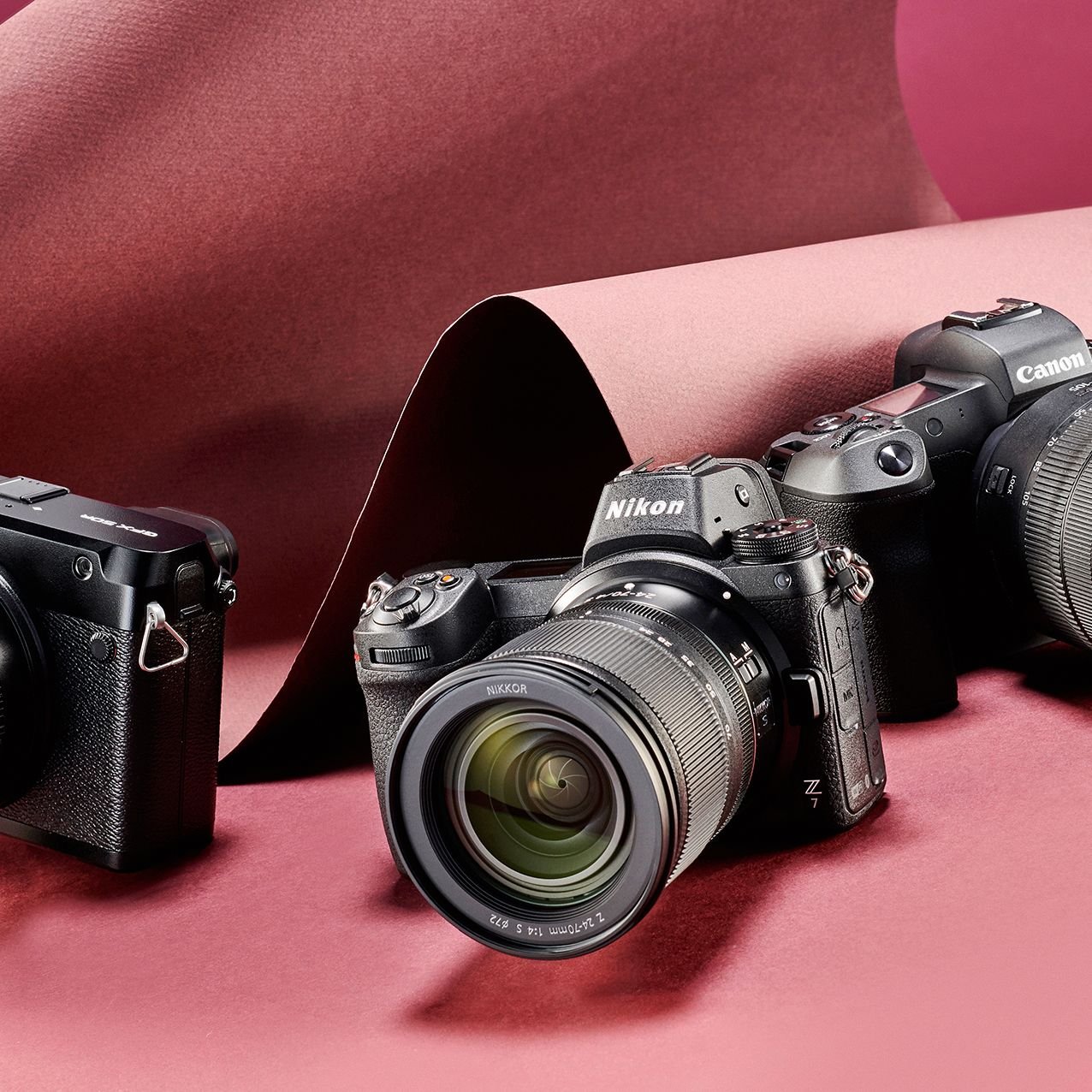
For decades, the digital camera industry has been dominated by a small group of Japanese manufacturers.
Canon, Sony, Nikon, Fujifilm and Panasonic have built enormous ecosystems around cameras, lenses and accessories, creating a difficult barrier for new competitors.
That landscape may now be changing.
Chinese companies are preparing to enter one of the most important segments of photography: interchangeable-lens mirrorless cameras.
Insta360 has confirmed that it is developing two mirrorless cameras, while Chinese lens manufacturer Viltrox is showing increasing signs that it could eventually enter the camera-body market itself.
If these products combine competitive pricing with strong image quality, the impact could extend far beyond the arrival of a few new brands.
They could force established manufacturers to rethink pricing, design and the way they build camera ecosystems.
Insta360 Is Preparing Two New Cameras
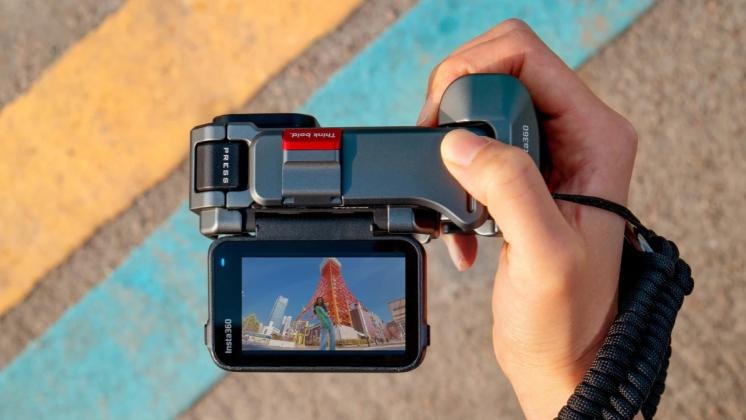
Insta360 is best known for 360-degree cameras, compact action cameras and products designed for content creators.
The Chinese company is now preparing to enter a much more traditional part of photography: mirrorless cameras.
Insta360 CEO Jingkang “JK” Liu has confirmed that the company is developing two mirrorless cameras.
One of them could be particularly unusual.
Liu has described the design as something with a shape “no one thought of,” suggesting that Insta360 may be trying to rethink what a modern interchangeable-lens camera should look like.
That would fit the company’s history.
Insta360 has already built its reputation around unusual camera designs, compact form factors, stabilization and software-driven photography.
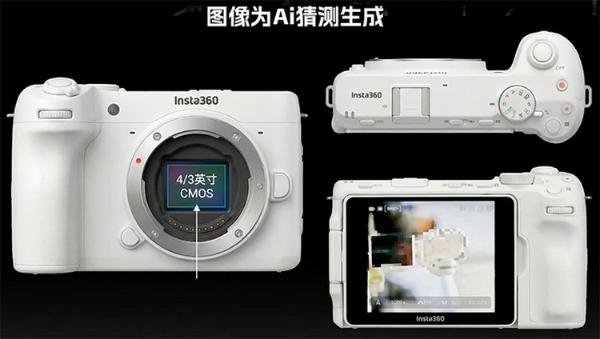
One of its upcoming models has also reportedly appeared in leaked images with a more conventional Micro Four Thirds body.
Viltrox Could Be the Next Surprise
Insta360 is not the only Chinese company moving toward the mirrorless market.
Viltrox is already well known among photographers, primarily for its lenses.
The company makes optics for Sony, Nikon and Fujifilm systems as well as other popular mounts.
That gives Viltrox an important advantage: it already understands the photography market and has years of experience producing lenses.
But there is an intriguing clue.
Viltrox has been developing new APS-C lenses for L-Mount, even though there are currently no major APS-C L-Mount camera bodies that naturally explain the entire strategy.
That has fueled speculation that Viltrox could eventually build its own camera body.
There is still no official confirmation of such a product, so this remains speculation rather than a confirmed launch.
Why Could This Worry Sony, Canon and Nikon?
The dominance of Japanese camera manufacturers is not accidental.
Canon, Sony and Nikon have enormous lens ecosystems, decades of engineering experience and millions of customers already invested in their systems.
But that is also where Chinese manufacturers could find their opportunity.
They do not necessarily need to defeat Canon or Sony at the professional level.
They simply need to make good cameras more affordable, smaller and more attractive to a new generation of creators.
That could be where the market begins to change.
Many younger users want better image quality than a smartphone can provide, but they do not want to spend thousands of dollars on a professional camera system.
A competitively priced Chinese mirrorless camera with affordable lenses could be extremely attractive to that audience.
China Has Already Built Global Imaging Brands
DJI is the clearest example.
The Shenzhen-based company was not a major global camera brand a decade ago.
Today, DJI is one of the world’s leading drone manufacturers and has expanded aggressively into action cameras and creator-focused imaging products.
Insta360 has followed a similar path.
It has become one of the leading names in 360-degree cameras and has built an international reputation around combining hardware, software and unusual camera designs.
That experience could become extremely valuable as the company enters traditional photography.
Could Chinese Mirrorless Cameras Be Cheaper?
That may ultimately determine how successful the strategy becomes.
If Insta360 and Viltrox enter the market at prices similar to Canon, Sony or Nikon, their competitive advantage will be limited.
But if they deliver strong image quality at significantly lower prices, the pressure on established manufacturers could become substantial.
The entry-level and creator markets would be particularly vulnerable.
For someone moving from smartphone photography to a dedicated camera, a lower price could be the deciding factor.
And once users buy into a lens ecosystem, they can remain customers for years.
That is why the camera body is only one part of the battle.
The lens ecosystem may be even more important.
AI Is Not Necessarily the Main Story
The camera industry is increasingly incorporating AI.
Modern cameras can recognize subjects, track people and animals, optimize exposure and automatically edit images.
But the disruption coming from Chinese manufacturers could be much more basic.
Price, design and usability.
That may be more significant than another AI-powered camera.
Insta360 has already suggested that one of its upcoming cameras could feature an entirely new form factor.
If that happens, the company may be attempting to create a new category rather than simply offering another alternative to Sony or Canon.
A Market That Could Use More Competition
The mirrorless camera market has become extremely sophisticated.
But that sophistication has also come with high prices.
A complete system with a camera body, several lenses and accessories can easily cost thousands of dollars.
That has helped smartphones dominate everyday photography.
Ironically, the companies that could challenge that situation may come from a country that has already disrupted numerous other technology industries.
China.
If Insta360 and Viltrox successfully enter the market, other Chinese manufacturers could follow.
That could create more competition, more choices and potentially lower prices for photographers.
The Next Revolution May Not Come From the Most Powerful Camera
Photography history shows that markets do not always change because of the product with the best specifications.
Sometimes they change because a new product makes advanced technology more accessible.
That could be the strongest opportunity for Chinese camera manufacturers.
Insta360 brings experience from 360 cameras and content creators.
Viltrox brings optical expertise.
DJI has already demonstrated that a Chinese company can build a global brand in imaging hardware.
Now the question is whether these companies can do the same with mirrorless cameras.
If they succeed, photographers could become the biggest winners.
Because a more competitive camera market usually means one thing:
more interesting products for less money.
The Tech Spot Editorial Team