

Subtitle: Google’s November Pixel Drop adds AI-powered task automation, smarter voice typing and personalized suggestions, moving Android closer to a more proactive smartphone experience.
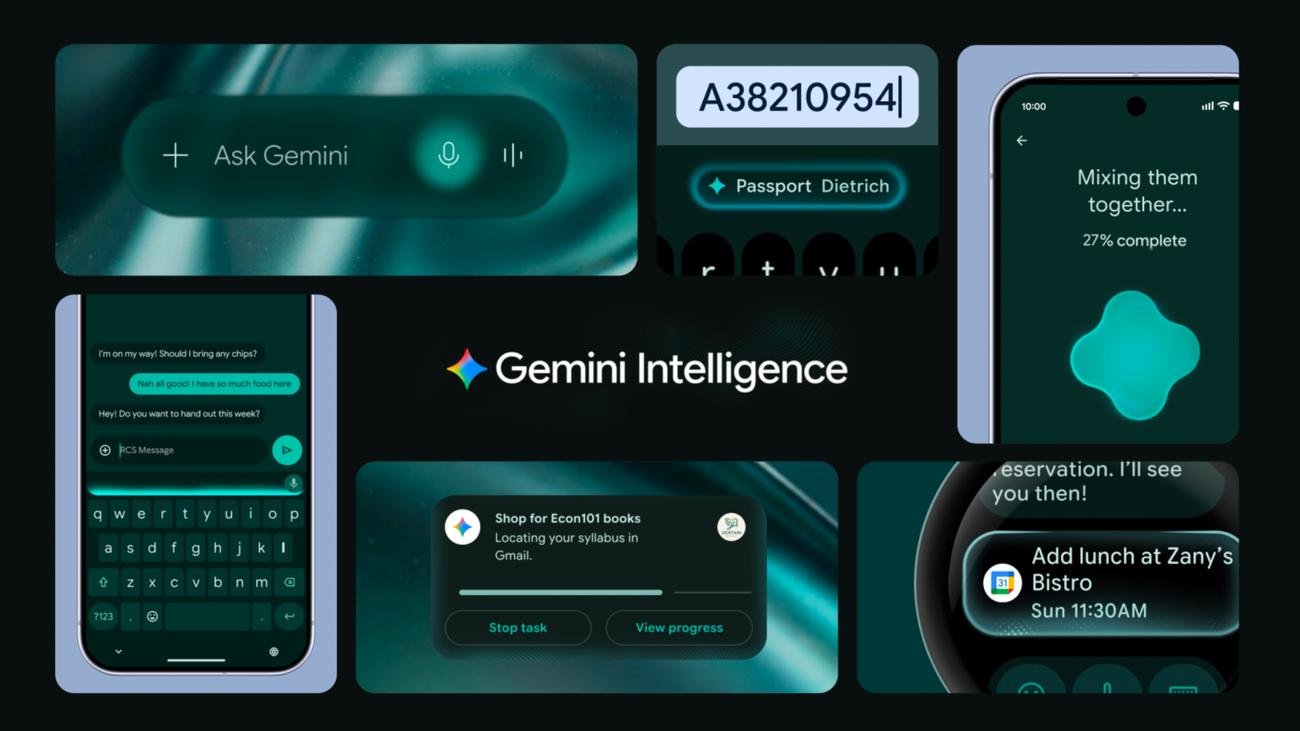
Google is expanding its Gemini Intelligence experience to the Pixel 10 family, bringing a new set of AI-powered capabilities designed to take care of everyday tasks with less manual input. Announced on November 10 as part of Google’s November Pixel Drop, the update introduces smarter automation, improved voice typing and more contextual suggestions.
The move reflects Google’s broader ambition to turn the smartphone from a device that simply responds to commands into an assistant capable of understanding context and helping users complete multi-step activities.
From answering questions to completing tasks
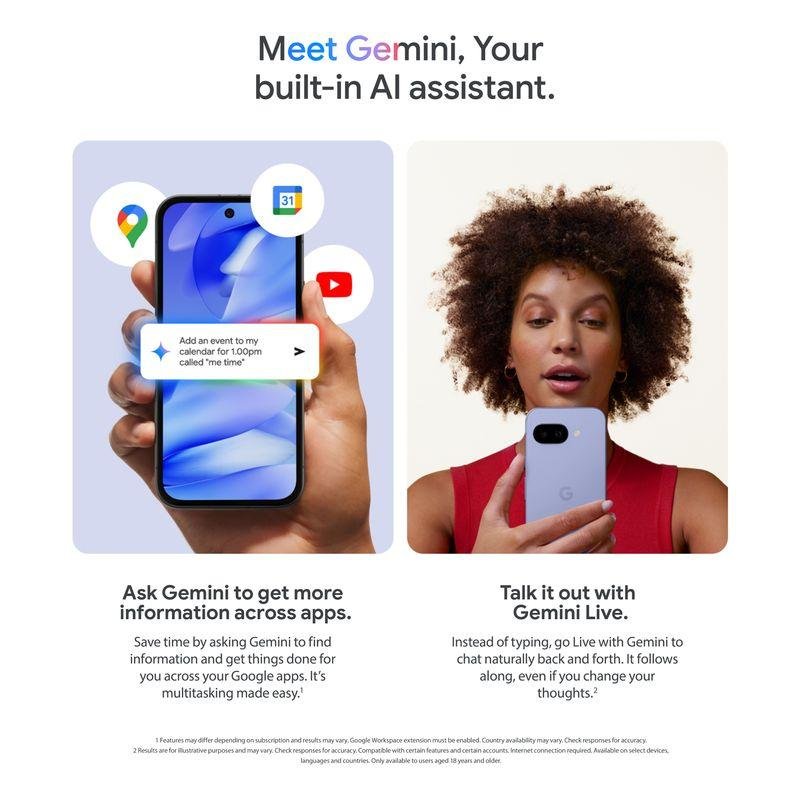
One of the most notable additions is Gemini’s ability to handle certain multi-step tasks across supported applications.
Google says users can ask Gemini to help with activities such as ordering groceries, booking a ride, ordering takeaway food or finding a restaurant reservation. Rather than manually opening several apps and completing every step, users can delegate parts of the process to Gemini.
The feature is not unrestricted automation. It depends on supported applications, eligible devices, regional availability and language settings. Google says task automation is available in selected markets, including the United Kingdom, India and Japan in its November announcement.
That distinction matters: Gemini is not yet a universal digital operator with access to every application or service.
Rambler makes voice typing more intelligent
The update also brings Rambler to the Pixel 10 family.
The feature improves voice dictation by removing filler words, organizing spoken thoughts and turning conversational speech into cleaner written messages. Instead of having to carefully dictate every sentence, users can speak more naturally, review the generated text and make corrections before sending it.
For people who frequently write messages while travelling, working or multitasking, this could make voice input considerably more practical.
More personalized suggestions

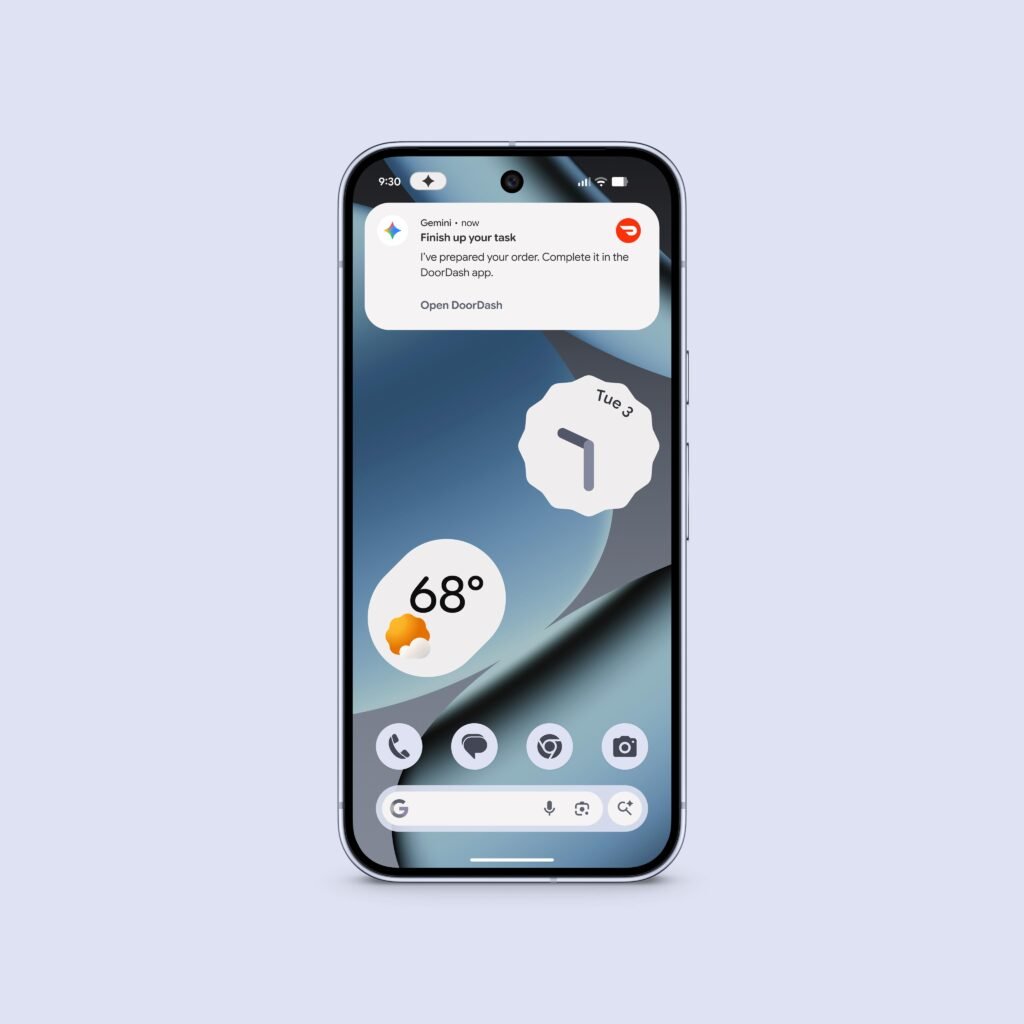
Gemini Intelligence is also designed to offer suggestions based on context.
For example, it may help users share an estimated arrival time when someone asks when they will arrive, or suggest relevant actions based on information already available on the device.
Google is also expanding custom widgets, allowing users to create personalized home-screen tools through natural-language descriptions. Examples include spending trackers, travel countdowns and information panels.
These features point toward a more contextual Android experience, although availability varies by device, market and supported language.
What changes for Pixel 10 owners?
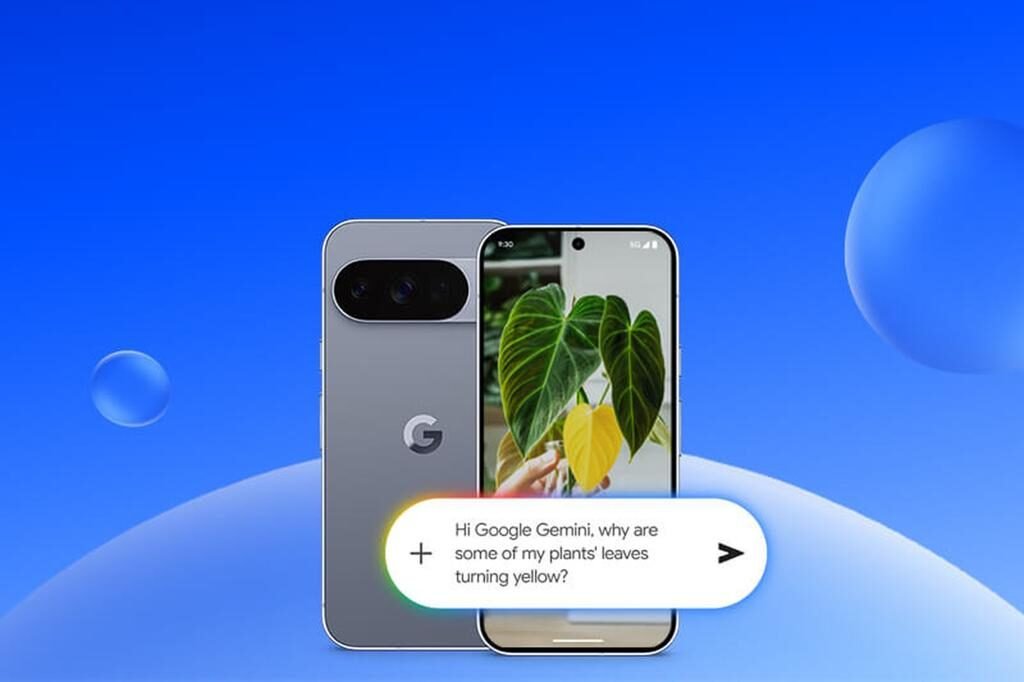
The November update extends several capabilities previously associated with Google’s newer Pixel devices to the Pixel 10, Pixel 10 Pro, Pixel 10 Pro XL and Pixel 10 Pro Fold.
The Pixel 10a is not included in the announced Gemini Intelligence expansion.
The rollout began on November 10 and will continue over the following weeks. Users may therefore receive the features at different times depending on their device, region and software configuration.
What comes next?
Google’s longer-term direction is clear: AI should become more integrated into everyday smartphone operations.
The next challenge is making these systems reliable, predictable and useful across a wider range of applications and countries. Users will also need clear controls over what Gemini can access and which actions it can perform.
For now, the November Pixel Drop represents an important expansion rather than a complete replacement of conventional smartphone interactions.
TheTechSpot Take
The biggest change in Google’s announcement is not another chatbot feature. It is the shift from generating answers to helping users complete actions.
That could make smartphones significantly more useful, particularly for repetitive tasks involving several applications.
However, convenience alone will not determine whether people adopt AI agents. Reliability, privacy, regional availability and user control will matter just as much.
If Google can make these capabilities work consistently beyond a limited set of applications and markets, Gemini Intelligence could become one of the most meaningful changes to the Android experience.


