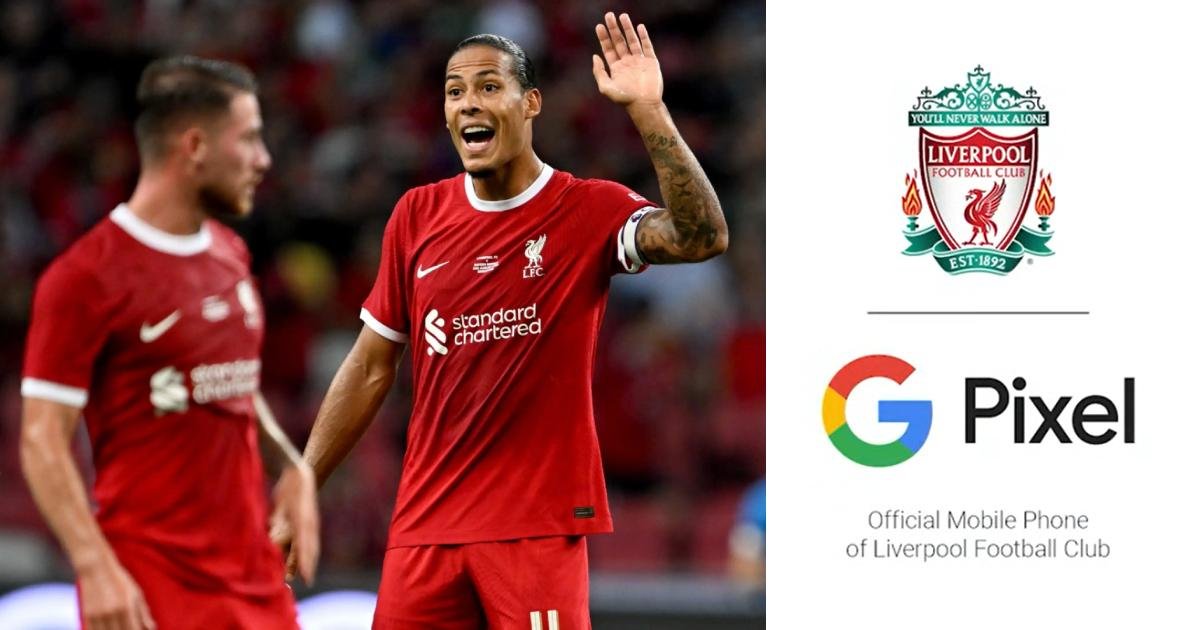
Google is taking its artificial intelligence and smartphone ambitions into the world of football, announcing long-term partnerships with five of Europe’s biggest clubs. Arsenal, FC Barcelona, Bayern Munich, Liverpool and Paris Saint-Germain will work with Google to introduce new AI-powered fan experiences built around Gemini and Pixel.
By TheTechSpot Digital | August 17, 2026
Google is taking another major step in its strategy to make artificial intelligence part of everyday life — and this time, the company is bringing AI directly into the world of football.
The technology giant has announced long-term partnerships with five of Europe’s most recognizable football clubs: Arsenal, FC Barcelona, FC Bayern München, Liverpool FC and Paris Saint-Germain.
Under the new agreements, Google’s Gemini AI will become the clubs’ official consumer AI partner, while Google’s Pixel smartphones will become their official smartphone partner.
The partnerships are designed to create new ways for millions of football fans to interact with their favorite clubs, understand matches and create content.
For Google, however, the move is about much more than football.
It represents another attempt to put Gemini and Pixel directly into the daily experiences of consumers around the world.
Google Wants Gemini to Become Part of Everyday Life
Google has been investing heavily in Gemini as it competes with OpenAI, Microsoft and other companies in the rapidly developing AI market. While AI assistants were initially used primarily for questions, writing and productivity, technology companies are now looking for ways to integrate them into entertainment, sports, travel, education and everyday consumer experiences.
Football provides an enormous opportunity.
The sport has billions of fans worldwide, and major clubs have enormous digital audiences across social media, streaming platforms and their own websites. By connecting Gemini with football content, Google can demonstrate how AI can become useful in a highly engaging environment.
Instead of simply asking an AI assistant a general question, fans could potentially use AI to understand tactical situations, analyze matches, explore historical statistics or interact with club content in new ways.
The new partnerships are expected to explore precisely these kinds of experiences.


Five of Europe’s Biggest Clubs
The selection of the five clubs is particularly significant.
The partnerships include:
Arsenal FC — one of England’s most internationally recognized football clubs.
FC Barcelona — a global sporting brand with one of the largest football fanbases in the world.
FC Bayern München — Germany’s dominant football club and one of Europe’s most successful teams.
Liverpool FC — one of the most supported clubs in world football, with a massive international audience.
Paris Saint-Germain — France’s most internationally prominent modern football brand.
Together, these clubs give Google access to enormous audiences across several major European football markets.
The partnerships also allow Google to showcase its technology across different languages, cultures and football communities.
Gemini Could Change How Fans Watch Football
One of the most interesting possibilities is the use of AI during live matches.
Football fans already consume enormous amounts of information while watching games.They look at player statistics, formations, possession percentages, passing numbers, historical records and tactical analysis.
AI could bring many of these elements together.
A future Gemini-powered football experience could potentially explain why a manager changed formation, identify tactical patterns or provide context about a player’s performance. For casual fans, AI could make complicated tactical concepts easier to understand. For experienced supporters, it could provide deeper statistical analysis.
The goal is not necessarily to replace traditional football commentary.
Instead, AI could become an additional layer of information available to fans whenever they want it.
Pixel Becomes Google’s Football Camera

The partnership is also strategically important for Google’s Pixel smartphone business.
Pixel devices have increasingly positioned themselves around photography, video and AI-powered editing.
Football provides a perfect environment for demonstrating those capabilities.
Fast-moving matches, dramatic goals and celebrations create opportunities for smartphone photography and video.
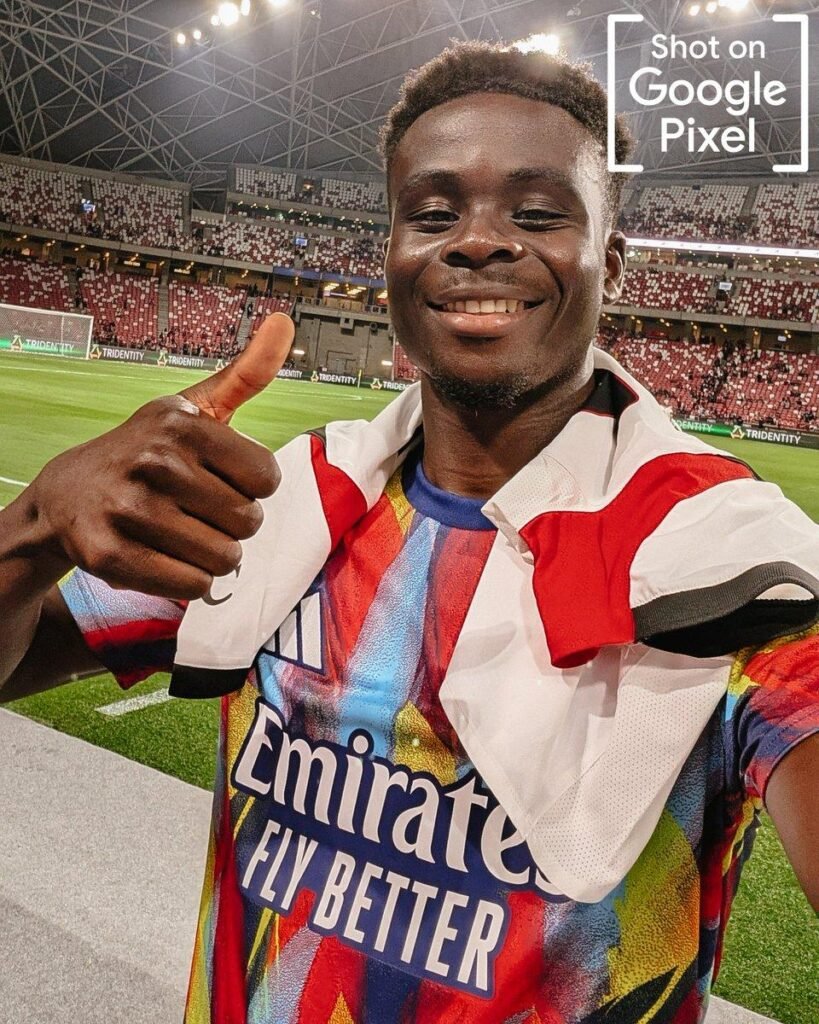
Google’s partnerships will include “Shot on Pixel” campaigns, allowing fans to see football content captured using Pixel devices.
This is particularly valuable for Google because smartphone buyers increasingly want devices capable of creating professional-looking social media content.
A football fan attending a major match is not simply watching the game.
They are also recording videos, taking photographs and sharing moments online.
Pixel can therefore become part of the entire fan experience.
AI and Sports Content Are Converging
The partnership reflects a much larger trend in technology.
Artificial intelligence is increasingly becoming part of the entertainment industry.
Streaming platforms are using AI for recommendations.
Music companies are experimenting with AI-generated content.
Gaming companies are integrating AI into development and gameplay.
Sports organizations are using AI for statistics, scouting, performance analysis and content production.
Google’s football partnerships bring several of these trends together.
The company can combine AI, smartphones, photography, video and digital content into one ecosystem.
That could give Google a powerful platform for demonstrating what its consumer AI technology can actually do.
Why Football Is So Important for Google
Technology companies have increasingly realized that consumers don’t necessarily want to think about AI as a separate technology.
People may not wake up every morning thinking about artificial intelligence.
They do, however, think about football.
They follow their favorite teams.
They watch matches.
They discuss players.
They share goals and highlights.
They debate tactics.
They follow transfer news.
By putting Gemini into that environment, Google can introduce AI to users who may not otherwise actively seek it out.
This could be an important part of the company’s strategy.
Instead of asking consumers to download an AI application simply because it is an AI application, Google can integrate AI into activities they already enjoy.

The Battle Between AI Giants Is Expanding
Google is competing in one of the most aggressive technology markets in history.
OpenAI’s ChatGPT has become one of the world’s most recognizable AI products.
Microsoft is integrating AI throughout Windows and its enterprise ecosystem.
Meta is developing its own AI platforms and assistants.
Apple is working to expand its AI capabilities across its devices.
Google therefore needs Gemini to become more than a chatbot.
It needs Gemini to become an ecosystem.
The football partnerships are another step in that direction.
If fans begin using Gemini to understand matches, discover content and interact with their favorite clubs, AI becomes part of their normal digital behavior.
That could be much more valuable than simply having another AI application on a smartphone.
Pixel Gets a Major Marketing Opportunity
For Google’s Pixel division, the partnerships also provide a powerful global marketing platform.
Football clubs have enormous international reach.
A successful “Shot on Pixel” campaign could generate millions of social media views.
Every spectacular goal celebration, stadium photograph or behind-the-scenes video captured using a Pixel device becomes a potential advertisement for Google’s hardware.
This is particularly important because Pixel remains a smaller player in the global smartphone market compared with Apple and Samsung.
Google therefore needs distinctive ways to make consumers think about Pixel.
Football could provide exactly that.
What Could Come Next?
The most interesting part of the announcement may be what happens after the initial partnerships.
AI technology is developing extremely quickly.
Features that seem experimental today could become normal within a few years.
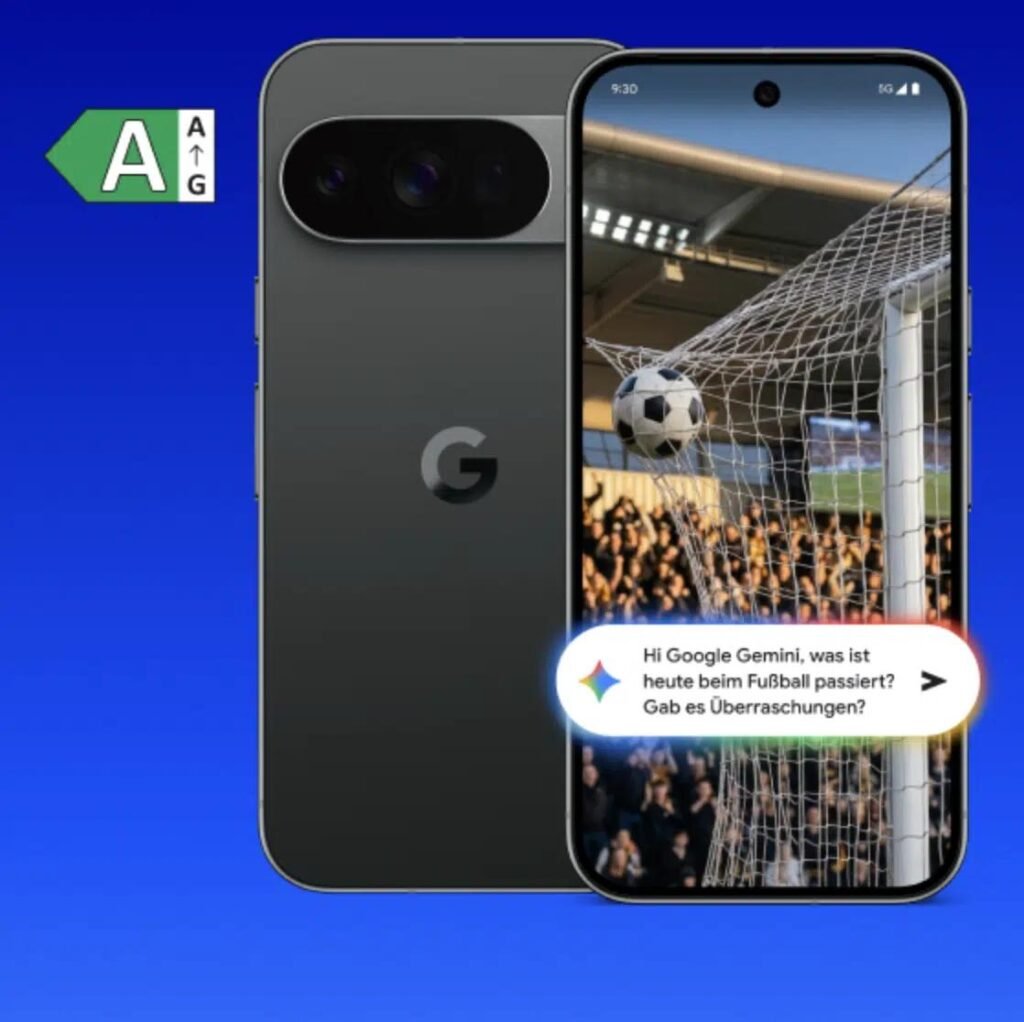
Google could eventually introduce more advanced AI experiences connected to football clubs, including personalized match assistants, intelligent video analysis, interactive player information and AI-generated summaries.
Imagine watching a match and asking your phone:
“Why is Liverpool struggling to create chances?”
An AI assistant could potentially analyze the match data and explain the tactical situation in real time.
Or imagine asking:
“How has this player performed against Bayern over the last five seasons?”
Instead of manually searching multiple websites, an AI assistant could provide the information immediately.
These experiences could fundamentally change how fans consume sports.
The Smartphone as a Personal Sports Assistant
This partnership also demonstrates how smartphones are evolving.
A modern smartphone is no longer simply a device for calls, messages and social media.
It has become a camera, navigation system, entertainment platform, personal assistant and increasingly an AI computer.
Google’s strategy suggests that the next stage could be even more personalized.
The phone could understand what users are watching, where they are and what information they need.
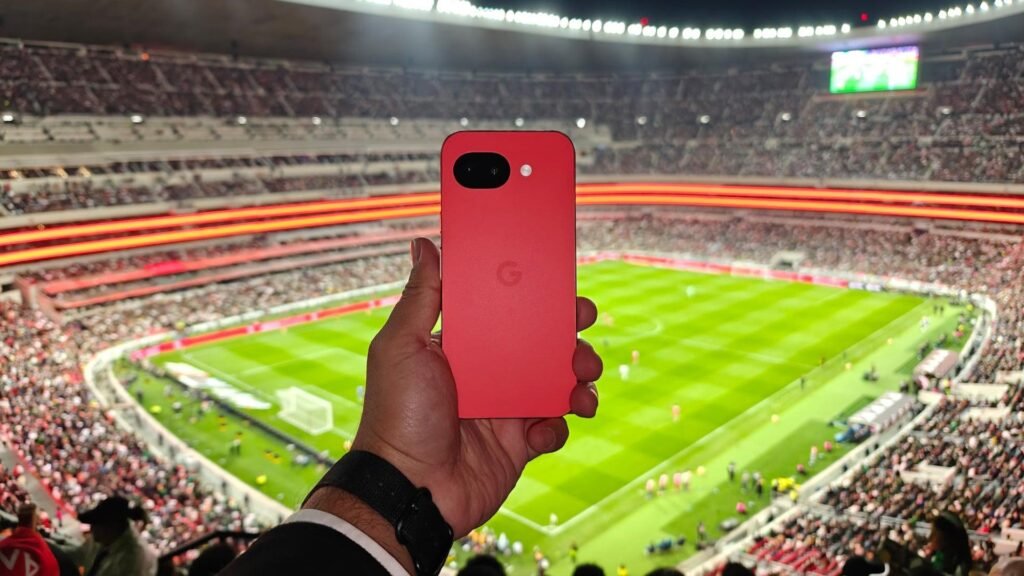
In a football stadium, that could mean instant access to player information, match statistics and personalized content.
At home, it could become an intelligent companion for watching games.

The Bigger Picture
Google’s partnership with Arsenal, Barcelona, Bayern Munich, Liverpool and PSG is therefore much bigger than a traditional sports sponsorship.
It is a technology experiment on a massive scale.
Google gets access to millions of highly engaged consumers.
The football clubs gain access to Google’s AI and smartphone technology.
Fans get new digital experiences.
And the technology industry gets another real-world example of how artificial intelligence can move beyond traditional productivity tools.
The success of the initiative will ultimately depend on whether fans actually find these experiences useful. Football supporters are passionate, but they are also demanding. Technology that genuinely makes following a club easier, more informative or more entertaining could quickly become popular.
Technology that feels like advertising disguised as AI may be ignored.Google will therefore need to strike the right balance between innovation and authenticity. Google’s new partnerships with Arsenal, Barcelona, Bayern Munich, Liverpool and Paris Saint-Germain show how artificial intelligence is rapidly moving into mainstream entertainment.
Gemini is no longer being positioned simply as an AI chatbot.
Google wants it to become part of everyday experiences — including how people watch and understand football.
At the same time, Pixel smartphones are being positioned as tools for capturing and sharing those experiences. The combination of AI + smartphones + football + social media could become a powerful new marketing and technology ecosystem.
For football fans, the biggest question is simple:
Will AI make watching the world’s most popular sport more exciting, more informative and more personal?
Google now has five of Europe’s biggest clubs to find out. And if the experiment works, the stadium of the future may look very different from the one we know today.