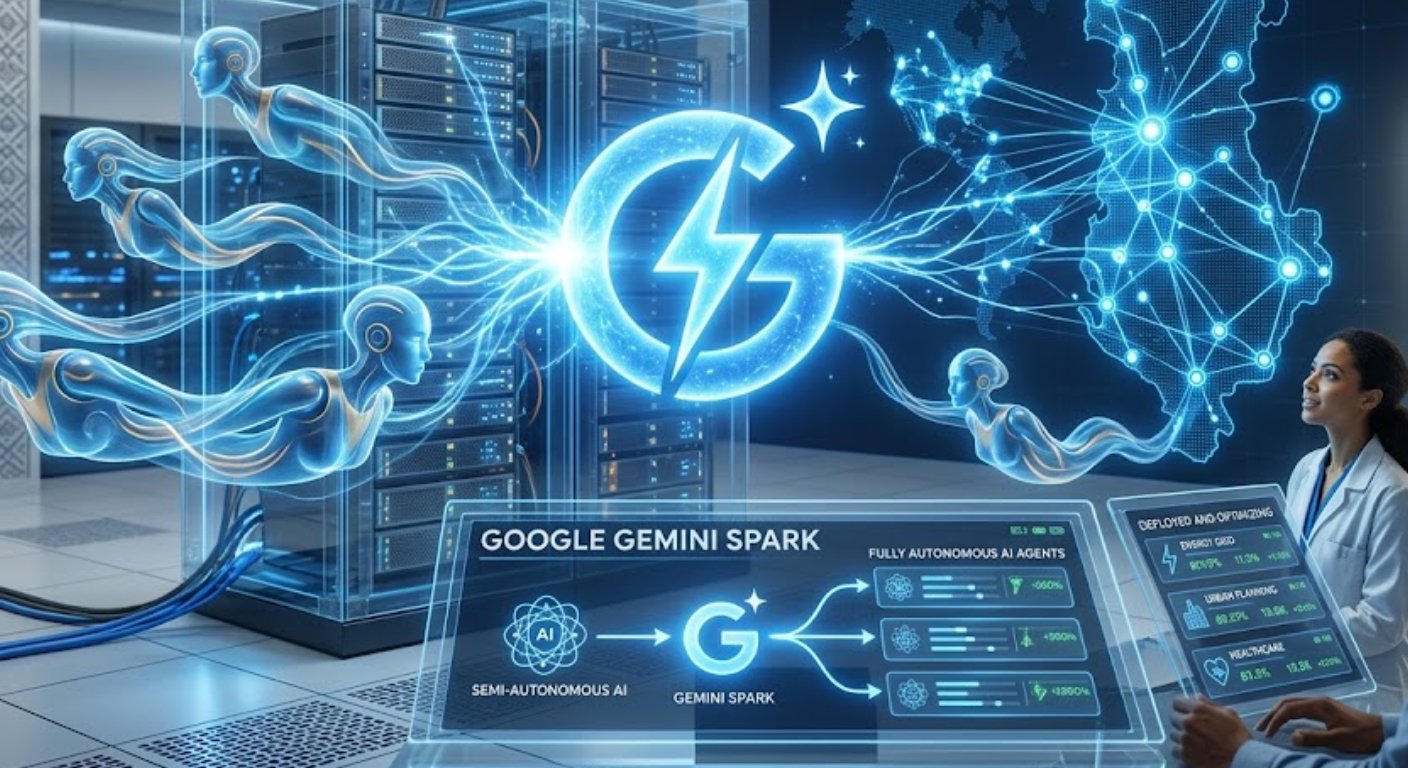
For years, AI assistants have largely been confined to chat interfaces—users ask questions, receive answers, and the interaction ends there. Now, Google seems to be pushing beyond that model with a new system called Gemini Spark, which is currently rolling out to Google AI Ultra subscribers in the United States.
Instead of simply responding to prompts, Gemini Spark is designed to handle tasks across apps and services on its own. In practice, this means users could delegate work to the AI and let it execute tasks in the background, even while devices are not actively in use. Google says users can still monitor its actions in real time or allow it to run independently, with safeguards in place that require approval for more sensitive operations.
Google wants AI to become the middleman
The arrival of Gemini Spark highlights a broader shift happening across the AI industry. Companies are no longer satisfied with building chatbots that answer questions. The next frontier is AI agents that can actually do things on your behalf. Think of the difference between asking an assistant for restaurant recommendations and having it compare options, make a reservation, add it to your calendar, and remind you when it’s time to leave. That’s the vision many AI companies are chasing.

In this vision, Gemini becomes more than an assistant—it acts as a coordination layer between users and the apps they already use, reducing the need to switch between multiple services manually.
Google’s approach suggests it wants Gemini to become the layer between users and the apps they rely on every day. Rather than jumping between services, the AI becomes the coordinator that connects them all.
The biggest challenge isn’t capability
However, the biggest hurdle may not be technical capability, but user trust. While many people are comfortable letting AI summarize content or provide recommendations, allowing it to take real actions independently raises new concerns. Even with permission steps built in, reliability and control remain key questions.

Ultimately, Gemini Spark represents an early step toward a more agent-driven future for AI—one where systems don’t just respond, but actively manage parts of a user’s digital life. Whether users are ready to give up that level of control remains uncertain, but Google is clearly betting that this is the next evolution of AI.