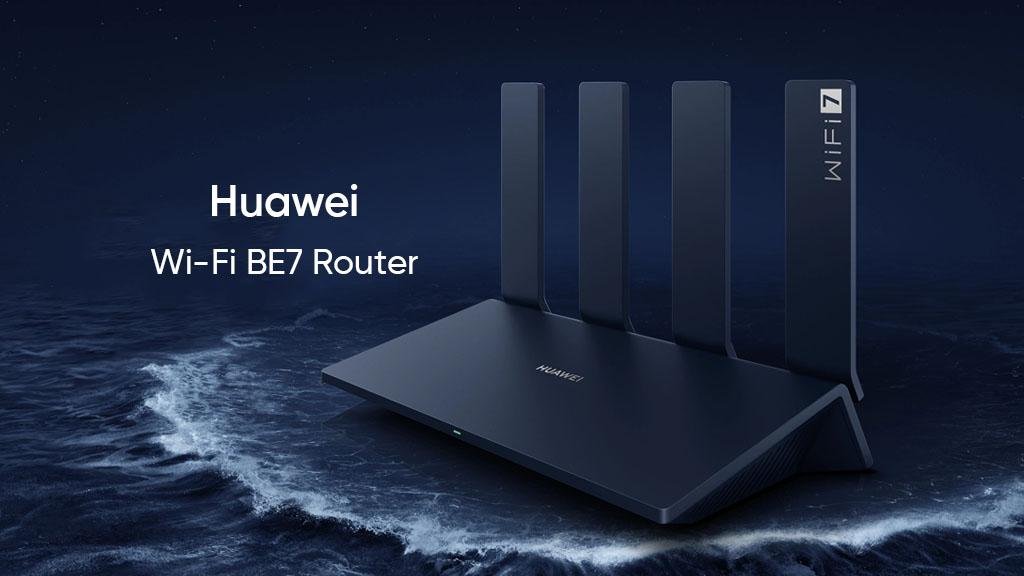
After years of technological tensions and a legal dispute over wireless patents, Huawei and HP have reached a multi-year cross-licensing agreement covering Wi-Fi technology, including the latest Wi-Fi 7 standard.
At first glance, it looks like a routine technology licensing deal.
But the agreement reveals something much bigger.
Despite years of U.S. restrictions that have limited Huawei’s access to advanced semiconductors and other technologies, the Chinese company continues to own intellectual property that major global technology manufacturers need to use.
Reuters reported that the financial terms of the agreement were not disclosed.
That distinction matters.
This is not HP teaming up with Huawei to build new products.
It is HP securing the rights needed to use patented wireless technologies covered by industry standards.
And in the world of connectivity, those patents can be extremely valuable.
What Are Standard-Essential Patents?
To understand why the agreement matters, it helps to understand what exactly is being licensed.
Some patents in the technology industry are classified as standard-essential patents, or SEPs.
These patents cover technologies that are necessary to implement an industry standard.
In the case of Wi-Fi, manufacturers may need to use technologies covered by such patents to build products that comply with the standard and communicate correctly with other compatible devices.
That makes patent licensing a critical part of the wireless industry.
Without these agreements, manufacturers can face legal disputes or restrictions over the use of essential technologies.
And Huawei has accumulated a substantial portfolio in this area.
HP has also emphasized that the deal is a standard-essential patent license and does not represent a broader strategic or commercial partnership with Huawei.
OLSI FEÇI
Huawei’s Wi-Fi Patents Reach Across the Consumer Electronics Industry
Huawei has spent years building a large portfolio of wireless technology patents.
The company has said it is one of the leading holders of patents needed to implement Wi-Fi 6.
According to figures cited by Reuters, more than 1.6 billion consumer electronic devices, excluding mobile phones, had used Huawei Wi-Fi-related inventions by the end of 2025.
Huawei has also set a licensing fee of 50 cents per consumer device using its Wi-Fi 6 technology.
That figure illustrates the potential value of intellectual property in a technology standard used across hundreds of millions — and eventually billions — of connected devices.
A company does not necessarily need to manufacture the final product to benefit from the technology inside it.
Sometimes, owning the patent is the business.
Now Wi-Fi 7 Enters the Picture
The most important part of the new agreement is that it goes beyond earlier Wi-Fi generations.
Huawei said the new license covers a broader range of its Wi-Fi patents, including Wi-Fi 7.
Wi-Fi 7 is the newest generation of mainstream wireless technology and is designed to deliver higher capacity, lower latency and improved performance in environments where large numbers of devices are connected simultaneously.
That makes it increasingly important for:
laptops,
smartphones,
routers,
gaming,
virtual reality,
high-resolution streaming,
smart homes,
and enterprise networks.
As Wi-Fi 7 becomes more common in new devices, the patents behind the standard become increasingly valuable.
The Deal Comes After a Legal Fight

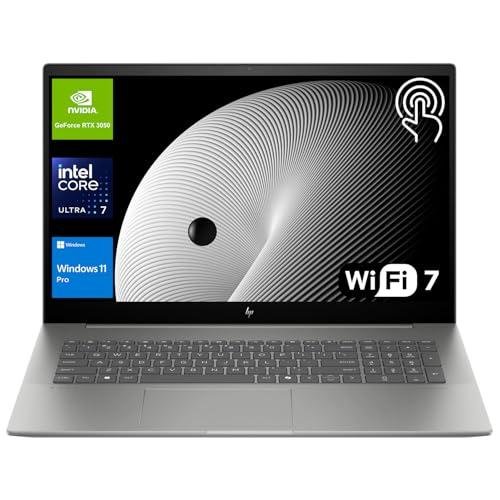
Huawei and HP did not arrive at this agreement without conflict.
In August 2025, Huawei filed a lawsuit against HP at Europe’s Unified Patent Court, accusing the U.S. company of using a Wi-Fi 6 patent without permission.
HP later joined the Sisvel Wi-Fi 6 patent pool, giving it access to a large collection of patents considered essential for Wi-Fi 6 products.
That helped resolve earlier legal actions.
But the new direct agreement with Huawei is broader.
It covers Huawei’s Wi-Fi patents and specifically extends into Wi-Fi 7.
The result is a quiet but important reset between two companies that had previously been involved in a patent dispute.
Why This Matters in the U.S.-China Technology War
This is where the story becomes much larger than Wi-Fi.
Huawei has faced severe U.S. restrictions since 2019.
Those restrictions have limited the company’s ability to access certain advanced semiconductors and critical U.S.-origin technologies.
But patents are different.
The restrictions do not automatically prevent U.S. companies from entering into patent-licensing agreements with Huawei.
That creates an unusual situation.
Huawei may face significant restrictions in parts of the global semiconductor supply chain while simultaneously owning intellectual property that international companies still need.
The HP agreement is a clear example.
Huawei Does Not Need to Sell the Laptop to Make Money From Wi-Fi

This is something many consumers rarely think about.
When someone buys a laptop, smartphone or printer, they usually focus on the brand printed on the product.
But inside that device are dozens of technologies developed and patented by different companies.
Manufacturers need licenses to use many of those technologies.
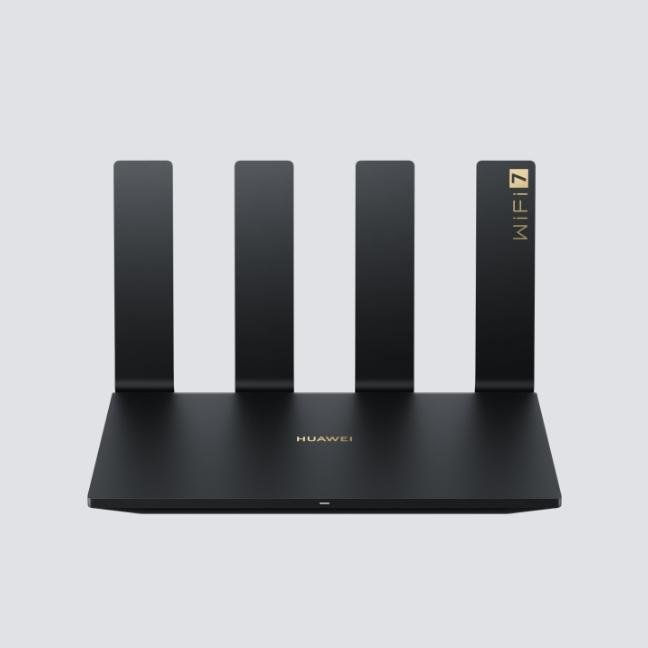
That means Huawei can potentially earn licensing revenue from a laptop even if the laptop itself carries no Huawei branding.
The patent becomes the product.
This is one reason major technology companies invest heavily in research and development even when they do not directly manufacture every product that uses their inventions.
HP Is Only One Piece of a Much Larger Ecosystem
Wi-Fi is a global standard.
Laptops, phones, tablets, televisions, printers, smart-home devices and enterprise hardware all need to communicate with one another.
That requires common technical standards.
Behind those standards is a massive intellectual-property ecosystem.
Huawei is one of the companies that has invested heavily in wireless research and patent development.
Its large portfolio makes it an important participant in that ecosystem, even as the company faces restrictions in other areas of the technology market.
Wi-Fi 7 Is Becoming a New Technology Battleground

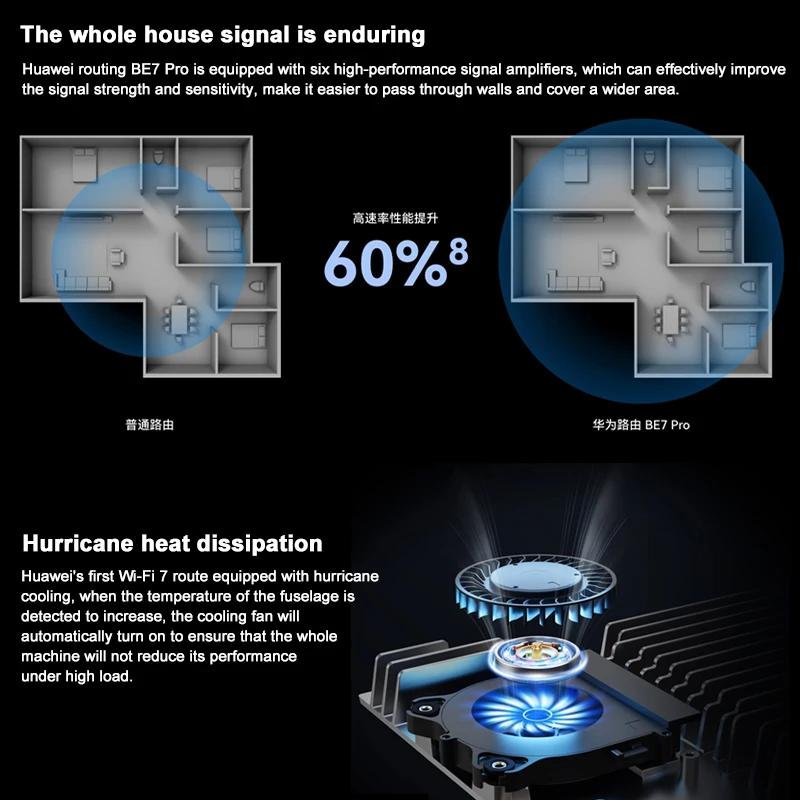
For consumers, Wi-Fi 7 may look like little more than another number on a router specification sheet.
For the industry, it represents something much bigger.
Every new generation of wireless technology creates opportunities for chipset manufacturers, router makers, smartphone companies, laptop manufacturers and enterprise networking providers.
It also creates new licensing opportunities for companies that hold essential patents.
That means the battle over Wi-Fi 7 is not simply about who makes the fastest router.
It is also about who owns the technologies that make the standard possible.
A Small Win for Huawei With a Bigger Message
The HP agreement does not mean Huawei and the United States are moving beyond their broader technology conflict.
It also does not mean HP and Huawei are forming a strategic alliance.
HP has explicitly rejected that interpretation.
But the agreement demonstrates something important:
Huawei still controls intellectual property that global technology companies need.
In an industry where patents can be almost as strategically important as factories and semiconductor designs, that represents a form of technological power.
And as the world moves from Wi-Fi 6 toward Wi-Fi 7, the value of those patents could become even more significant.
The Technology War Is Not Being Fought Only in Chip Factories
For years, the Huawei story has focused on semiconductors, 5G equipment and U.S. restrictions.
The HP agreement highlights another battlefield:
intellectual property.
A company can face severe restrictions on access to advanced chip manufacturing and still own technologies used across the global electronics industry.
That is the interesting lesson from Huawei’s Wi-Fi business.
The agreement with HP may look like a technical licensing contract, but underneath it sits a much larger story about global technology power.
The next major technology battle will not always be decided by who manufactures the fastest chip.
Sometimes, the most valuable advantage is hidden inside a patent that consumers will never see.