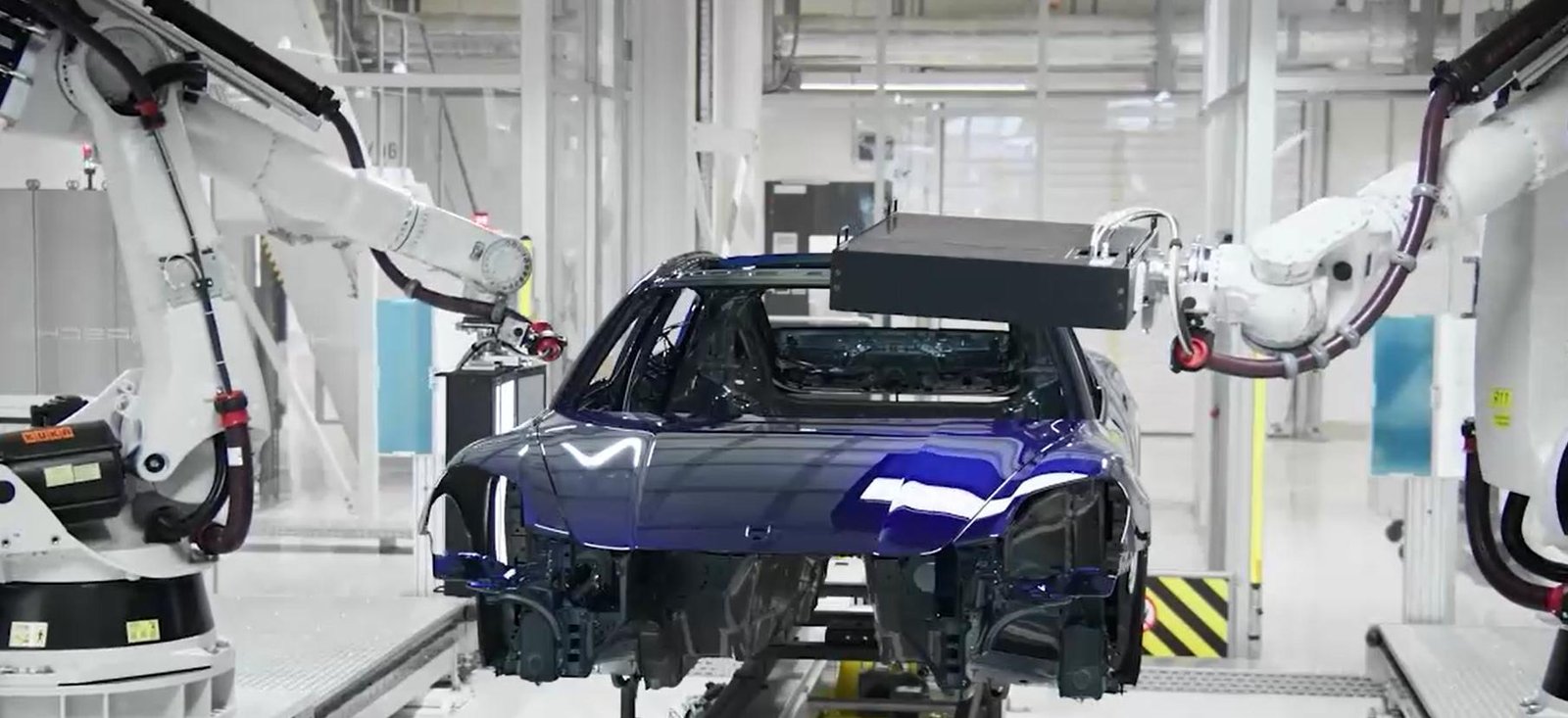
For years, the automotive industry has been moving in one direction: fewer physical controls, more software, more electronics and increasingly minimalist designs.
Traditional door handles have been replaced with electronic surfaces. Keys have moved into smartphones. Navigation, driver assistance, windows and even critical vehicle functions are increasingly controlled by software.
But one of the most recognizable features of modern EV design is now facing a much more fundamental question:
What happens when you need to get out of the car and the electronics fail?
That question has triggered one of the largest automotive recall campaigns ever seen in China.
Around 4.3 million vehicles from nine automakers are being affected by corrective actions over concerns involving emergency door-release mechanisms. Tesla, Xiaomi and Leapmotor are among the companies involved.
This is not simply a story about door handles.
It is a story about how technology is changing the automobile itself.
When Minimalist Design Meets Safety
Flush and concealed door handles became a defining feature of modern electric vehicles.
They look cleaner, can provide aerodynamic benefits and reinforce the futuristic image automakers want for their EVs.
Tesla was one of the companies that helped popularize the design, and it was subsequently adopted across the automotive industry.
The problem appears when the vehicle loses electrical power.
In a traditional car, opening the door is largely a mechanical action.
In newer vehicles, the normal door-opening experience may depend on electronic buttons, sensors or mechanisms that are not immediately obvious.
In an accident or fire, that difference can become critical.
A mechanical emergency release may technically exist, but if passengers cannot quickly identify or operate it, the system may not provide the safety benefit it was designed to deliver.
Reuters reports that the current recall concerns specifically involve emergency mechanical releases that can be difficult to locate or operate.
Tesla Accounts for the Largest Share

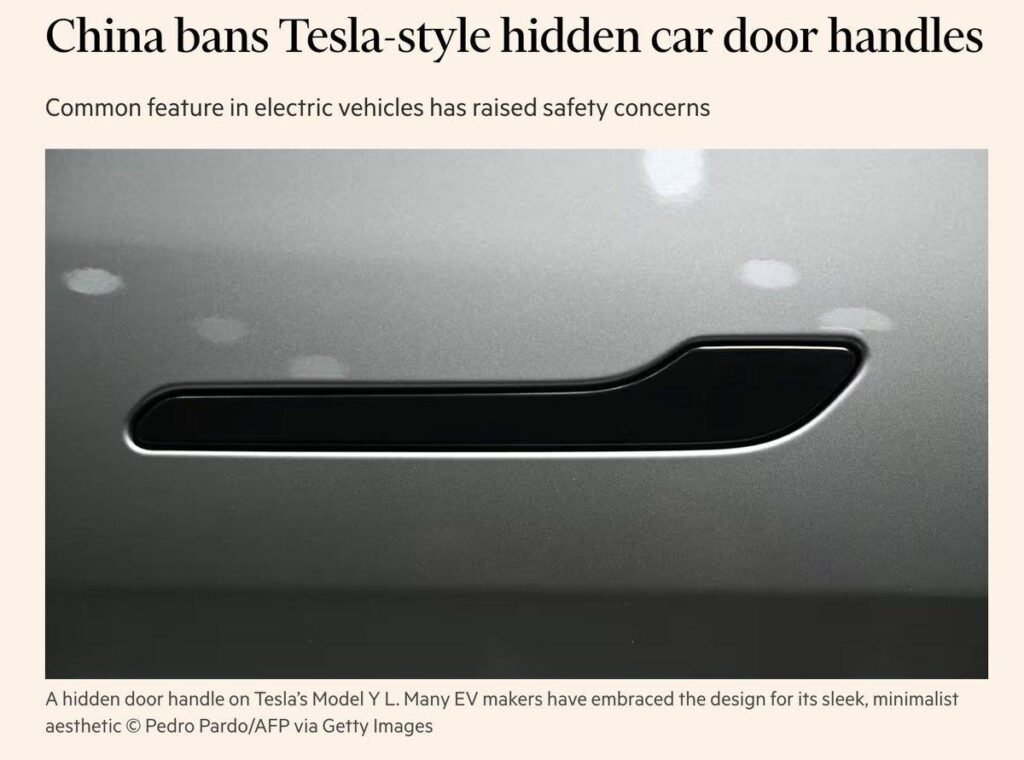
Of the roughly 4.3 million vehicles affected in China, approximately 2.98 million are Tesla vehicles.
The recall covers Model 3, Model Y, Model S and Model X vehicles produced in China or imported into the country.
Tesla’s solution combines clearer warning labels with an over-the-air software update designed to lower vehicle windows after a collision.
That detail may be the most revealing part of the story.
A physical safety concern is being addressed partly through software.
That tells us how dramatically the automobile has changed.
A modern vehicle is no longer just metal, glass, rubber and mechanical systems.
Increasingly, it is a computer that happens to move.
Xiaomi, XPeng and Other Automakers Are Also Involved

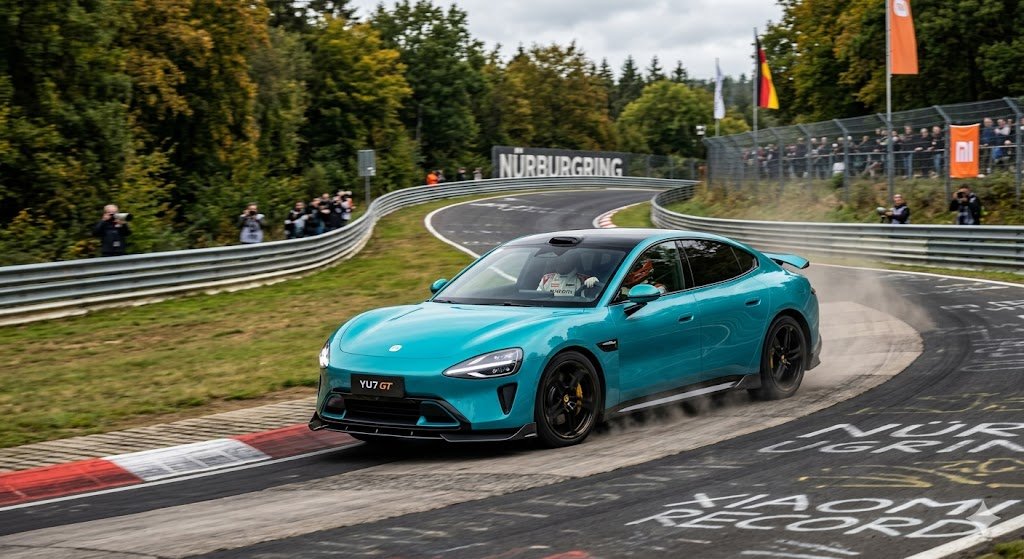
The issue is not limited to Tesla.
Xiaomi is recalling roughly 390,000 vehicles, Leapmotor around 371,000, and XPeng approximately 264,000, according to figures reported by Reuters.
That makes the story much bigger than a single manufacturer’s engineering decision.
The recall highlights the broader consequences of a design philosophy that has spread across the EV industry.
Cars are becoming more sophisticated.
But some functions should remain extremely simple.
A door needs to open.
Especially when the electrical system does not.
China Is Changing the Rules

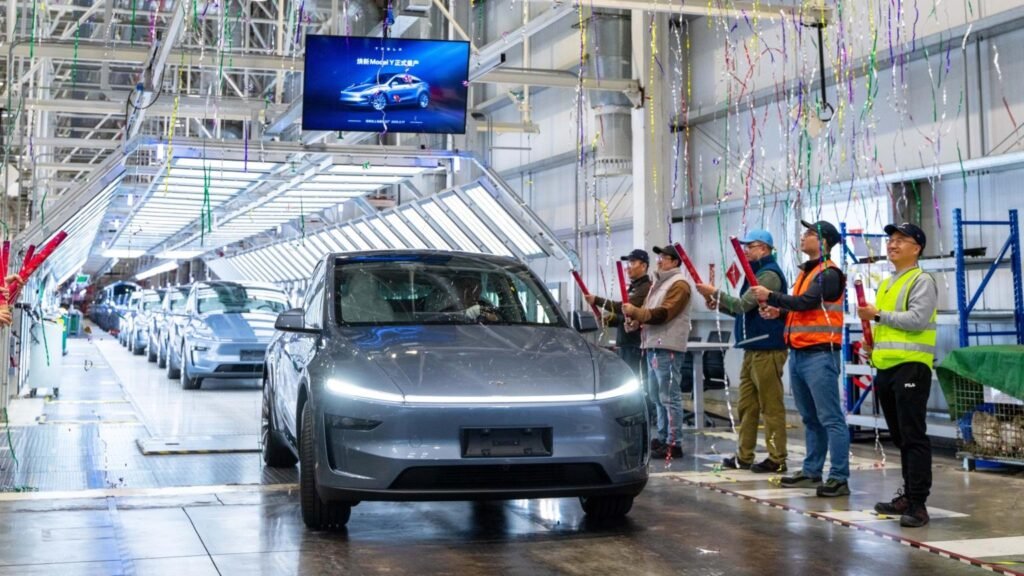
Beijing could have treated this as another large recall.
Instead, Chinese regulators are moving much further.
China has announced that concealed door handles will be banned on new vehicles from 2027, making it one of the first major markets to directly regulate the design.
The government has now also launched a year-long campaign focused on vehicle quality and safety.
Automakers will have to conduct comprehensive audits covering quality, reliability, durability and the testing of new technologies.
The campaign will also examine advanced driver-assistance systems, autonomous driving, functional safety, cybersecurity, data security, software updates and emergency response.
That is significant.
Regulators are no longer looking only at brakes, engines and crash structures.
They are increasingly examining the software inside the vehicle.
The Car Is Becoming a Software Platform
This may be the biggest technological transformation happening in the automotive industry.
A smartphone can receive an update and suddenly gain new functionality.
Cars can now do the same.
Tesla can distribute software updates remotely and change how vehicle systems behave without requiring every owner to visit a service center.
That is extremely useful for improving products.
But it also creates a new question:
Who is responsible when software directly affects physical safety?
That question will become increasingly important as vehicles gain more software-defined systems.
And Then There Is Autonomous Driving
The door-handle issue becomes even more significant when viewed alongside autonomous driving.
Modern vehicles are adding cameras, radar, sensors, AI processors and systems capable of making decisions in real time.
At the same time, manufacturers are placing more functions under software control.
China’s new quality campaign specifically includes advanced driver-assistance and autonomous-driving technologies in its safety reviews.
So the door-handle controversy may appear minor compared with autonomous driving.
But it is actually part of the same larger question:
How much technology can we put into a vehicle before complexity itself becomes a safety problem?
A Warning for the Global Automotive Industry
China is the world’s largest EV market.
That gives its regulatory decisions global importance.
If automakers develop a new vehicle architecture to meet Chinese requirements, they may not want to create a completely different version for Europe or the United States.
That means Chinese safety standards could influence global vehicle design.
Reuters reports that U.S. and European regulators are also examining emergency door-access issues, although their regulatory responses have so far been slower.
The Irony of the Car of the Future
The automotive industry has spent years promising a smarter vehicle.
A car that understands its driver.
A car that parks itself.
A car that updates over the internet.
A car powered by AI.
But sometimes the most important technology is far more basic.
A reliable way to open the door.
The 4.3-million-vehicle recall is a reminder that innovation cannot be measured only by the number of sensors, cameras or processors inside a vehicle.
Technology is only truly successful when it continues to work during the worst possible scenario.
That may be the biggest lesson from this story.
The car of the future should not simply be smarter.
It should be safer when everything else fails.