





Focus Keyphrase:
iPhone 17 best-selling smartphone
Featured Image:
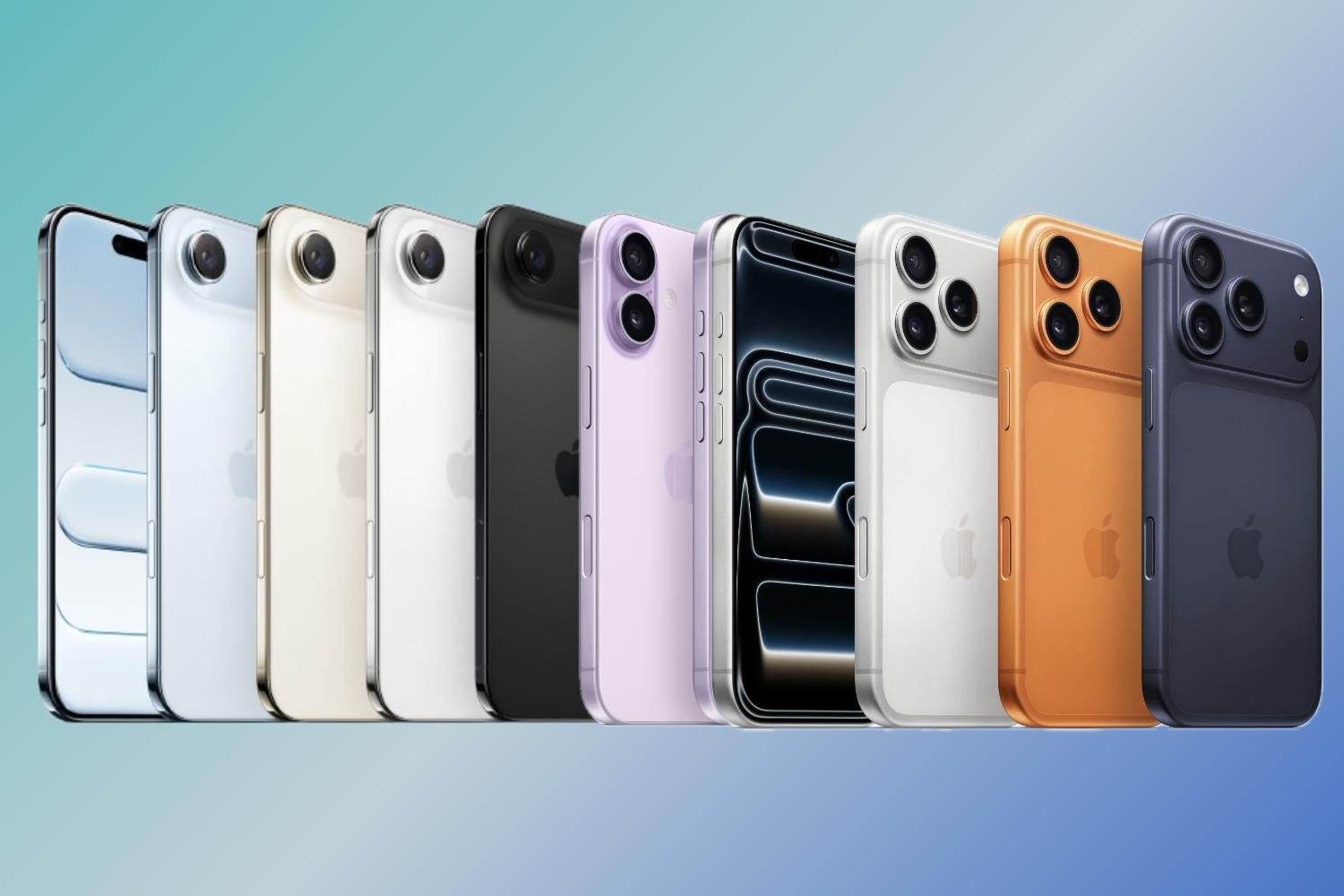
Official Apple iPhone 17 product image.
Image File Name:iphone-17-best-selling-smartphone-2026.jpg
Image Caption:
Apple’s iPhone 17 was the world’s best-selling smartphone in the second quarter of 2026.
Apple’s iPhone 17 has done something that many smartphone manufacturers would love to achieve: it became the world’s best-selling smartphone during the second quarter of 2026, even as the global smartphone market experienced a significant decline.
According to Counterpoint Research’s latest Global Handset Model Sales Tracker, the iPhone 17 accounted for 6% of global smartphone unit sales during Q2 2026, placing it ahead of every other smartphone model on the market. Apple also placed the iPhone 17 Pro Max and iPhone 17 Pro in second and third position respectively.
The result is particularly notable because the broader market is moving in the opposite direction.
Global smartphone sales declined by 11% year over year during the quarter, with a growing shortage of DRAM and NAND memory putting pressure on manufacturers and consumers.
Yet Apple managed to increase iPhone sales.
That contrast tells an important story about where the smartphone industry is heading.
Apple Takes the Top Three Spots


The iPhone 17 did not simply win the global smartphone rankings.
Apple took the top three positions.
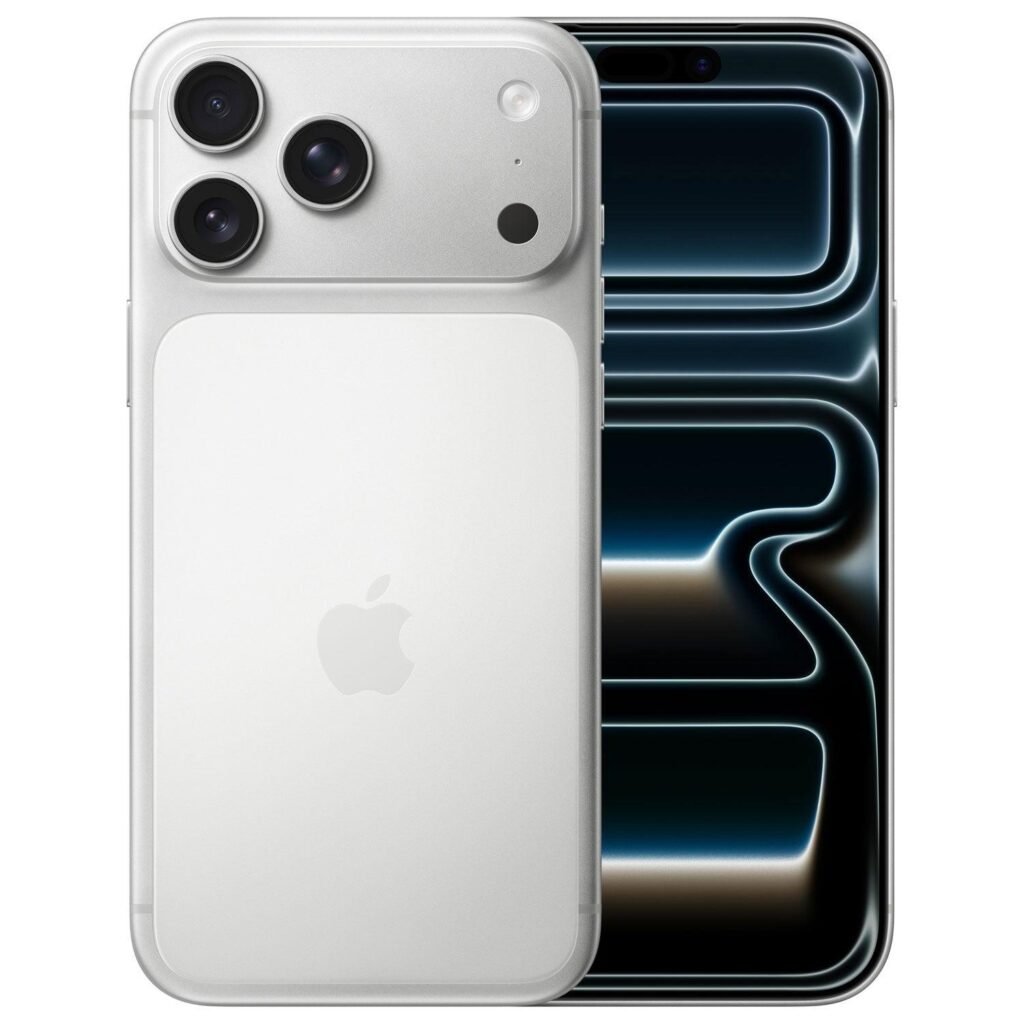
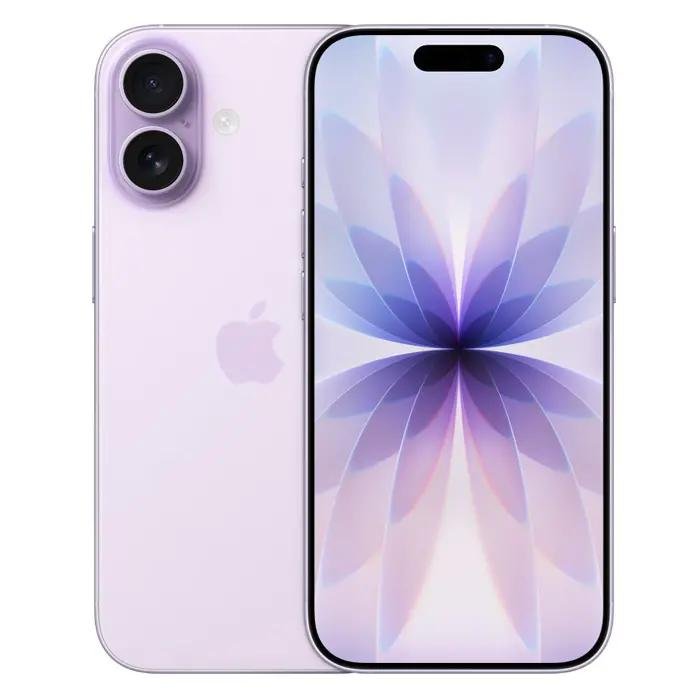
The standard iPhone 17 ranked first, followed by the iPhone 17 Pro Max and iPhone 17 Pro. Apple also placed the iPhone 17e among the world’s ten best-selling smartphones.
Samsung matched Apple with five models in the overall top 10, making the two companies responsible for the entire list.
Together, Apple’s and Samsung’s ten models represented 26% of global smartphone unit sales, the highest share recorded for a June quarter.
That concentration is important.
Instead of consumers spreading their purchases across dozens of competing devices, the market is increasingly being dominated by a smaller number of high-volume models.
Counterpoint says manufacturers are focusing more heavily on key products as they deal with the ongoing global memory shortage.
Why the iPhone 17 Is Selling So Well
The standard iPhone 17 appears to have benefited from an important change in Apple’s strategy.
For years, consumers looking for Apple’s newest display and camera technologies often had to move toward the more expensive Pro models.
The iPhone 17 has narrowed that gap.
Apple’s current iPhone 17 features a 6.3-inch display with ProMotion up to 120Hz, a 48MP Dual Fusion camera system, an A19 chip, an 18MP Center Stage front camera and support for Apple Intelligence features.
The company has effectively made the standard iPhone more attractive to mainstream buyers while keeping the Pro models positioned above it.
That strategy appears to be working.
Counterpoint analyst Karn Chauhan said the base iPhone 17 remained the best-selling smartphone because upgrades helped narrow the gap with Apple’s Pro models. The company also saw particularly strong growth in markets including India, Japan and the Middle East and Africa region.
South Korea was especially notable, with iPhone sales nearly doubling year over year during the quarter.
Samsung Is Fighting Back

Apple’s success does not mean Samsung is disappearing from the premium smartphone market.
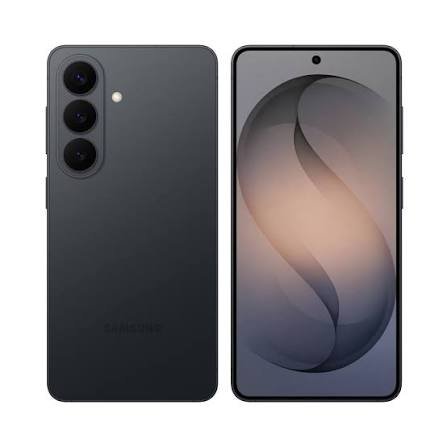
In fact, Samsung’s flagship Galaxy S26 Ultra was the company’s best-selling smartphone in Q2 and climbed five positions compared with its predecessor in the rankings.
The Galaxy S26 Ultra also became the best-selling Android smartphone for the quarter.
Samsung has increasingly focused on premium devices, and the S26 Ultra has several features designed to differentiate it from Apple’s lineup, including a privacy display and enhanced AI capabilities.
Samsung also benefited from strong demand for its Galaxy A series.
The Galaxy A07 4G and Galaxy A17 models remained among the world’s best-selling smartphones, demonstrating that consumers are still highly sensitive to price even as premium devices gain market share.
This creates an interesting divide in the smartphone market.
At the top, consumers continue to spend heavily on premium phones.
At the lower end, affordability remains critical.
The middle of the market is where manufacturers are facing the most pressure.
The Memory Crisis Is Changing the Smartphone Industry
One of the most important parts of Counterpoint’s report has little to do with Apple itself.
It is the growing memory shortage.
DRAM and NAND shortages have pushed up component costs and created additional pressure for smartphone manufacturers. Global shipments declined 11% in Q2, reaching their lowest level for a second quarter since 2013.
That environment makes Apple’s performance particularly interesting.
Apple has been able to maintain strong demand for its premium products while avoiding some of the volume pressure affecting manufacturers with larger exposure to cheaper smartphones.
Counterpoint says Apple increased its Q2 shipments by 3% year over year, while its share of the global smartphone market reached 20%.
The company also achieved its highest-ever second-quarter smartphone revenue share, reaching 49%, according to Counterpoint’s revenue analysis.
This is a major shift.
The smartphone industry is selling fewer devices, but companies are making more money from the devices that consumers do buy.
Consumers Are Choosing Premium
The iPhone 17 story is therefore part of a much bigger trend.
Consumers appear increasingly willing to spend more on smartphones that offer longer software support, better cameras, stronger processors and more advanced AI capabilities.
At the same time, rising component costs are making cheaper phones more difficult to manufacture profitably.
This is pushing manufacturers toward a strategy centered on fewer, stronger products.
For Apple, that plays directly into its strengths.
The company has a relatively focused smartphone portfolio compared with many Android manufacturers and controls its hardware, software and services ecosystem.
That allows Apple to concentrate marketing, supply and development resources around a limited number of models.
The Q2 rankings suggest that strategy is paying off.
The iPhone 17 Is Also an AI Story
Although this is primarily a smartphone sales story, there is another reason the iPhone 17 is important for the technology industry.
Apple has increasingly integrated AI into the iPhone experience.
The iPhone 17’s A19 chip includes a five-core GPU with Neural Accelerators, while Apple Intelligence features include tools such as image creation and Live Translation.
That means the smartphone is becoming another important platform for on-device AI.
Instead of treating AI as something that exists only in cloud-based chatbots, manufacturers are increasingly building dedicated processing capabilities directly into consumer devices.
Apple is competing with Google, Samsung and other smartphone companies to determine how AI becomes part of everyday mobile computing.
The more successful those features become, the more important specialized hardware will become as well.
Official Apple Event — iPhone 17

What Happens Next?
The biggest question is whether Apple’s momentum can continue into the second half of 2026.
The global smartphone market remains under pressure, and Counterpoint expects the memory shortage to persist into 2027. Manufacturers are likely to continue prioritizing premium products and reducing their exposure to low-margin models.
Apple appears relatively well positioned.
The iPhone 17 lineup is already generating strong demand, while the company’s ability to maintain pricing and leverage its ecosystem gives it an advantage during a difficult market.
Samsung remains the strongest Android competitor, particularly with its premium Galaxy S26 lineup.
But the Q2 results reveal something bigger than an Apple-versus-Samsung battle.
The smartphone industry is changing.
Fewer models are capturing a larger share of global sales. Premium devices are becoming more important. AI is becoming a standard part of smartphone marketing and hardware design. And rising component costs are forcing manufacturers to reconsider how many devices they can profitably sell.
The iPhone 17 winning the global sales race is therefore not just another Apple success story.
It is a sign of where the entire smartphone market is heading.
Consumers may be buying fewer smartphones, but they are increasingly choosing the phones they believe are worth paying more for.
And right now, the iPhone 17 appears to be the phone winning that decision.
🔥 THE TECHSPO ANGLE
The real story is not simply that the iPhone 17 is number one. It is that the smartphone market is shrinking while premium devices are becoming stronger.
Apple’s success suggests the next phase of the smartphone industry may be less about selling more phones and more about convincing consumers to buy better and more expensive ones.
At the same time, the growing memory shortage could make affordable smartphones increasingly difficult to produce.
That combination could reshape the smartphone market throughout the rest of 2026 and into 2027.