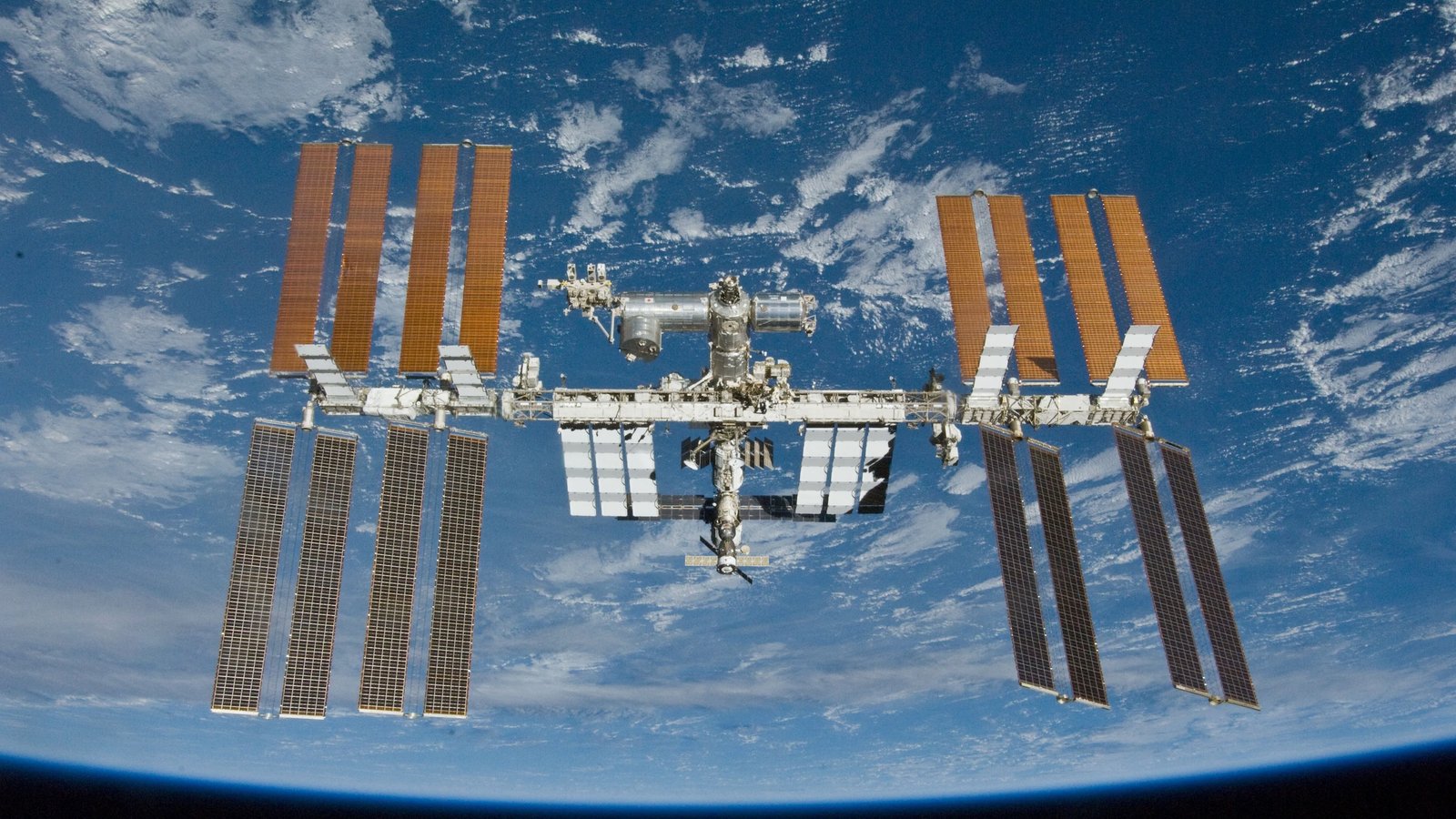
NASA briefly had five astronauts aboard the International Space Station’s shelter in a docked SpaceX Crew Dragon spacecraft on Friday while their Russian counterparts attempted to repair a leaking service module.
NASA spokeswoman Bethany Stevens initially wrote in a post on X on Friday that the Russian space agency, Roscosmos, had discovered new leaks in its service module and decided to conduct an “extensive repair operation.”
“Out of an abundance of caution, NASA has instructed all four members of the agency’s SpaceX Crew-12 and NASA astronaut Chris Williams to assume a high-security posture aboard the Dragon spacecraft while repairs are underway,” she wrote. “We continue to work with our Russian counterparts, along with the rest of the international community that supports the space station, to arrive at a more permanent solution.”
However, about an hour after that statement, Stevens posted another tweet saying that Roscosmos had paused its repair efforts to assess “additional measurements and data.”
“Given this development, NASA has instructed crew members aboard the Dragon spacecraft to complete safe-housing procedures and return to scheduled operations aboard the International Space Station.
What happened:
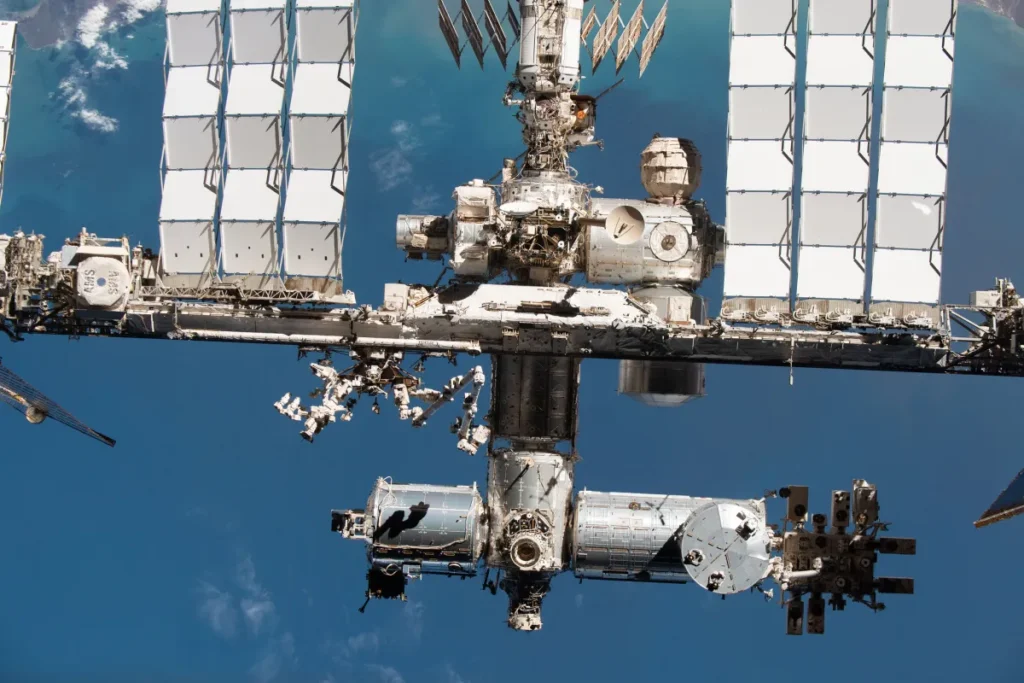
On Friday, NASA instructed five astronauts (four from SpaceX’s Crew-12 mission plus NASA astronaut Chris Williams) to take shelter inside a docked SpaceX Crew Dragon spacecraft. This was a precaution while Russian cosmonauts attempted to repair a leaking service module on the ISS.
The Russian service module has been plagued by leaks for some time. Stevens wrote on Friday that cracks “have always been a concern that NASA is closely monitoring.”
SpaceX did not immediately respond to requests for comment.
There are currently 10 people aboard the ISS. Four of them (two NASA astronauts, one European Space Agency astronaut, and one Russian cosmonaut) arrived at the station in February as part of the long-duration SpaceX Crew-12 Dragon mission. The other three (one NASA astronaut and two other cosmonauts) arrived last November aboard a Russian Soyuz mission.
The repair operation and the order for temporary housing come as the future of the International Space Station is in question. Under the leadership of its new administrator, Jared Isaacman, NASA is pushing to replace the aging space station with commercially produced modules later this decade.