OpenAI has reportedly acquired Glass Imaging, a startup developing AI technology for smartphone cameras, in a deal valued at more than $300 million, according to The Wall Street Journal. The company was founded by former Apple engineers who worked on computational photography and the technology behind iPhone Portrait Mode. Neither OpenAI nor Glass Imaging has publicly confirmed the acquisition or its reported value.
OpenAI is quietly expanding its ambitions beyond software, and its reported acquisition of Glass Imaging may provide an important clue about where that strategy is heading.
The Wall Street Journal reports that OpenAI acquired the California-based imaging startup in a transaction worth more than $300 million. The deal reportedly closed in recent months and was not publicly announced by either company.
Glass Imaging specializes in computational photography and artificial intelligence designed to improve images captured by compact cameras.
From Apple’s Portrait Mode to a new imaging company
Glass Imaging was founded in 2019 by Ziv Attar and Tom Bishop, both former Apple engineers.

The founders previously worked on computational photography at Apple, including technology associated with the iPhone’s Portrait Mode. Attar also founded LinX Imaging, a camera technology company acquired by Apple in 2015.
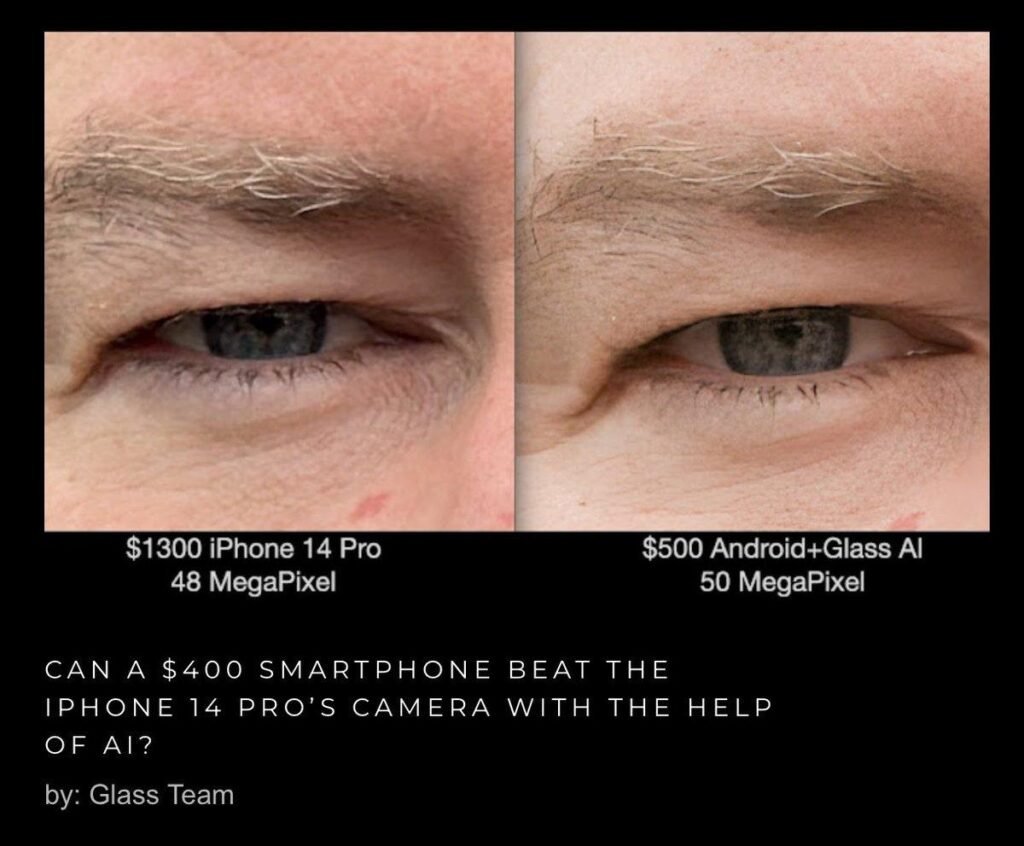
Their startup took a different approach to improving smartphone photography.
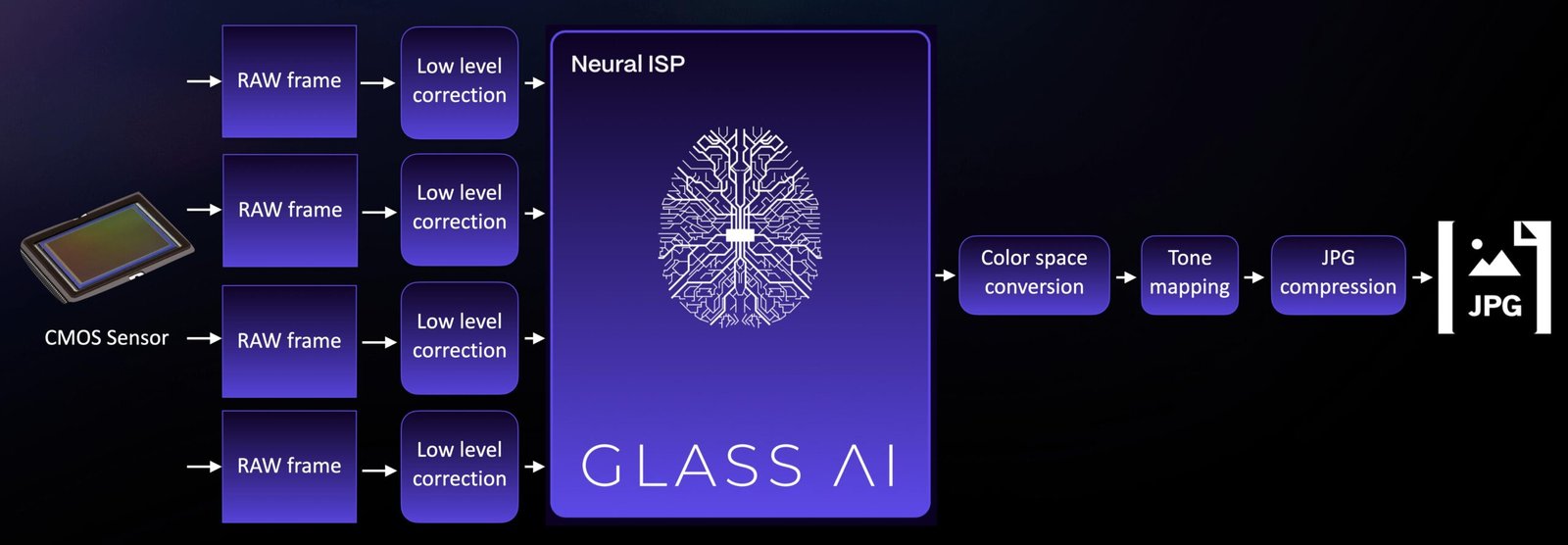
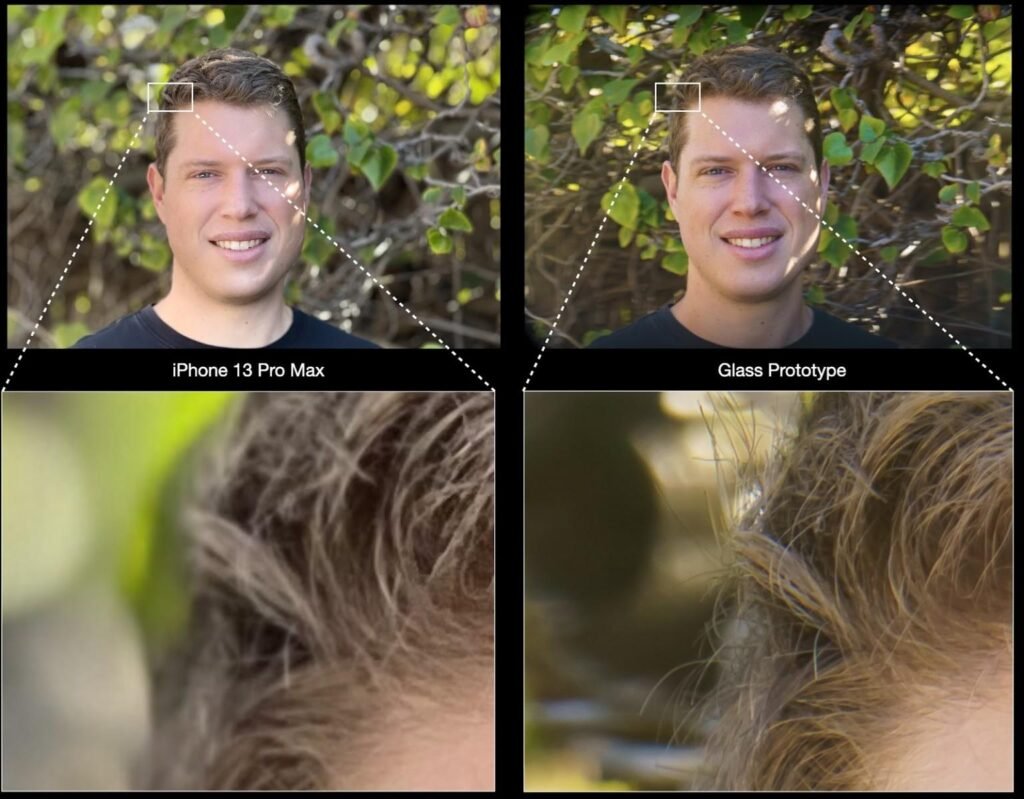
Instead of relying only on larger sensors, more lenses and increasingly complex optics, Glass Imaging developed neural networks capable of processing raw camera data and correcting limitations introduced by the camera system itself.
GlassAI works before the photo is finished
The company’s technology, known as GlassAI, is designed to process image information at the point of capture rather than simply enhancing a finished photograph.
Glass says its neural processing can address optical imperfections, sensor limitations and image noise while preserving real information from the original camera data.
That approach could be particularly valuable for smartphones, where manufacturers face strict physical limits on sensor size, lens dimensions and internal space.
Glass Imaging’s technology has also reached commercial hardware. Reports indicate that Honor has used its technology for camera and zoom processing in smartphones.
Why OpenAI would want camera technology

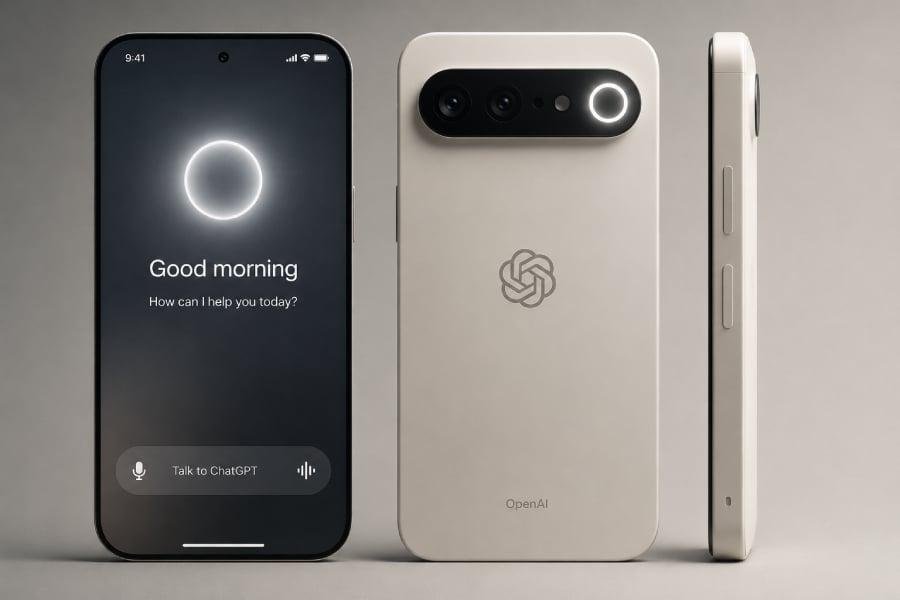
The acquisition fits into OpenAI’s broader move toward consumer hardware.
OpenAI acquired io, the hardware company associated with former Apple design chief Jony Ive, for $6.5 billion in 2025. OpenAI president Greg Brockman has also confirmed that the company is working on a family of devices.
Glass Imaging could provide expertise that is difficult to build quickly from scratch, particularly in sensors, optics, computational photography and AI-based image processing.
Still, there is an important caveat: OpenAI has not said that Glass technology will be used in a future OpenAI smartphone or another specific device. Any direct connection to a rumored product remains unconfirmed.
The reported valuation has more than tripled
Glass Imaging had raised roughly $30 million before the reported acquisition.
The startup was valued at around $100 million during a 2025 funding round. The reported OpenAI transaction therefore represents a substantial increase in valuation within roughly a year.
Neither company has publicly disclosed the purchase price, payment structure or exact timing of the transaction.
That makes the reported $300 million-plus figure a Wall Street Journal estimate based on sources familiar with the deal rather than an officially announced acquisition price.
OpenAI’s hardware strategy is becoming clearer

The most significant part of the deal may not be the camera technology itself.
If OpenAI is building consumer devices that need to understand the physical environment, advanced imaging could become a central component. A camera in an AI device would not necessarily exist only to take photographs—it could also provide visual information for AI systems to interpret.
Glass Imaging’s expertise sits directly at that intersection of cameras, AI and computational vision.
For now, OpenAI has not explained how it plans to use the startup’s technology.
But the reported acquisition gives the company’s hardware strategy another important piece—and suggests that future OpenAI devices could depend as much on how they see the world as on how they process language.
OpenAI Glass Imaging