




For years, lithium-ion batteries have powered the electric revolution, from smartphones and laptops to electric vehicles and large-scale energy storage systems. But as global demand for batteries continues to rise, manufacturers are looking for alternatives that could be cheaper, safer and less dependent on critical raw materials.
One of the strongest candidates is sodium-ion technology, and a development published today could give the technology another important boost.
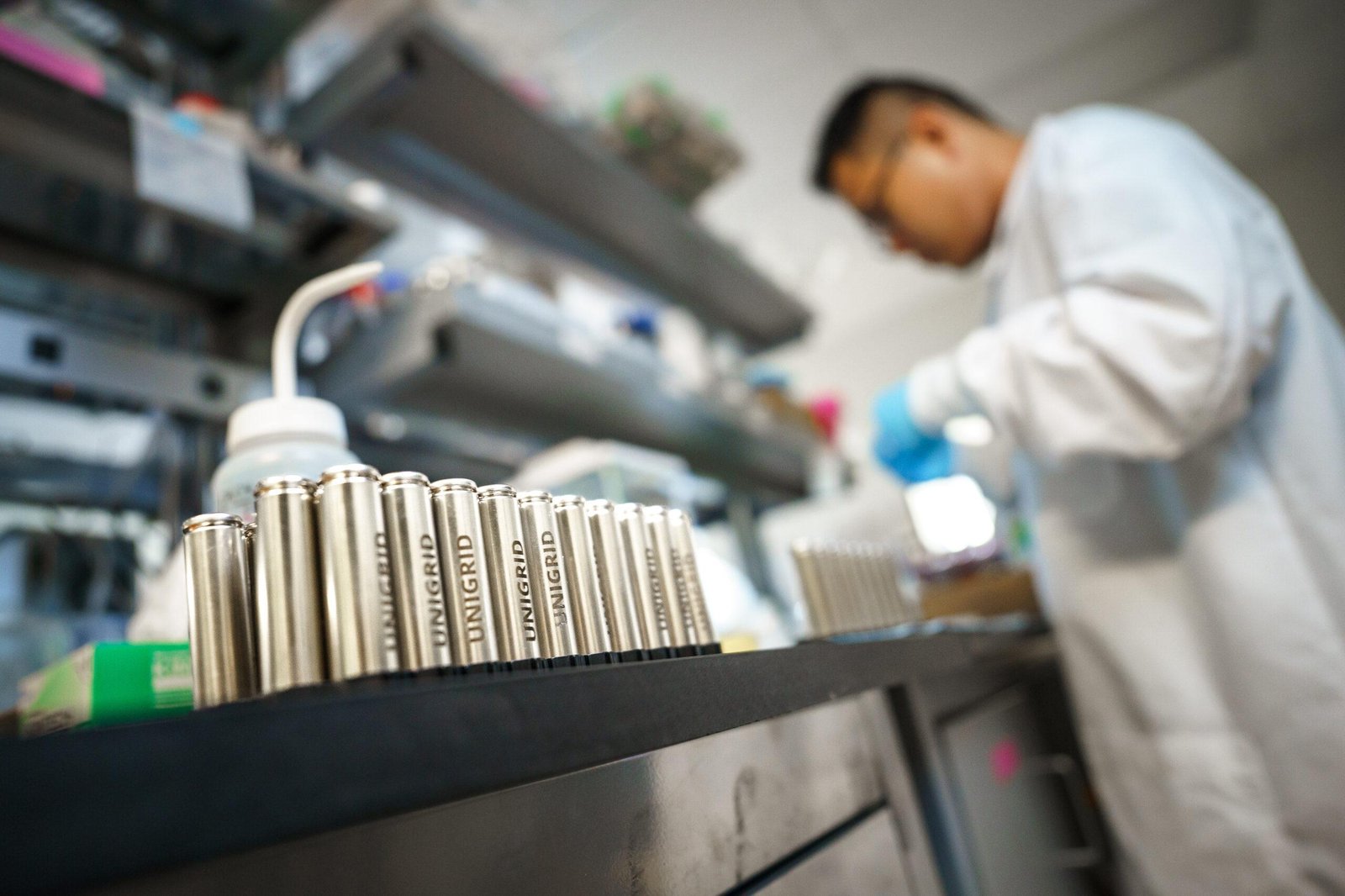
US startup Unigrid has passed a series of Hyundai safety tests, demonstrating that its sodium-ion battery cells can withstand demanding conditions, including temperatures as low as −20°C. The result comes as automakers search for new ways to reduce dependence on conventional lithium-ion technology, particularly in electric vehicles and stationary energy storage.
Why Sodium-Ion Batteries Are Getting So Much Attention

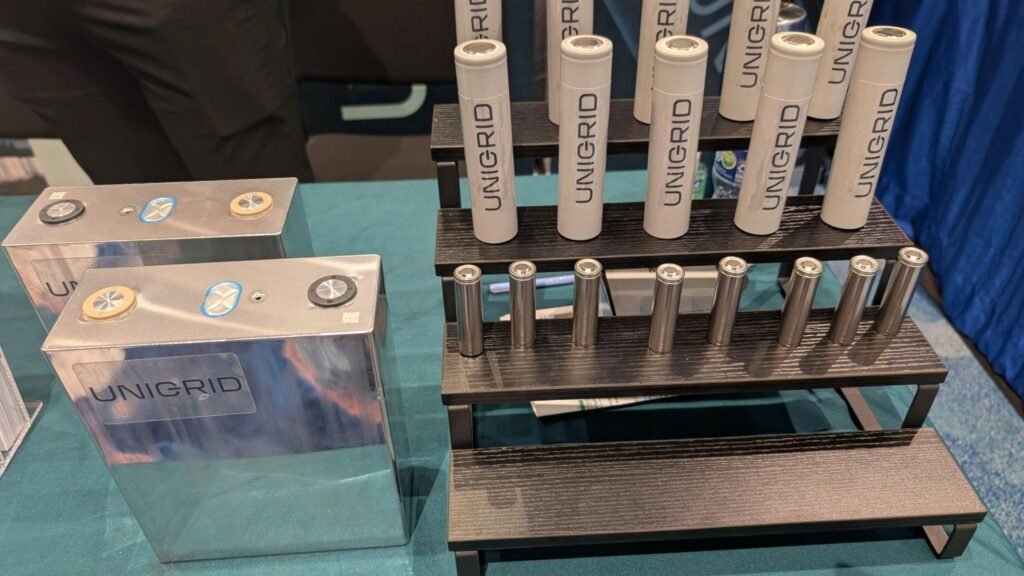
The fundamental difference is the material used to move ions inside the battery. Conventional lithium-ion batteries rely on lithium, while sodium-ion systems use sodium, a much more abundant element.
That could have major consequences for the global battery supply chain. Lithium, nickel, cobalt and other materials used in modern batteries have become part of an increasingly competitive global race for resources and manufacturing capacity.
Sodium, by comparison, is far more abundant.
But the potential advantage is not only about cost. One of the biggest challenges facing the battery industry is thermal safety. In lithium-ion batteries, severe damage or overheating can trigger thermal runaway, a chain reaction in which temperatures rise rapidly and can potentially lead to fire.
Sodium-ion technology does not eliminate all battery risks, but certain sodium-ion chemistries can offer attractive safety and stability characteristics. That is why real-world testing by major automakers matters.
Hyundai’s Cold-Weather Testing Is Particularly Important
According to TechRadar, Unigrid’s sodium-ion cells passed Hyundai’s safety testing under cold conditions down to −20°C. Temperature is a critical factor for electric vehicles because extreme cold can affect battery performance, charging behavior and driving range.
The result does not mean sodium-ion batteries are immediately ready to replace lithium-ion technology across the entire automotive industry. Instead, it shows that sodium-ion is moving from laboratory research toward more serious industrial validation.
That distinction matters.
Automakers are not simply looking for the battery with the highest possible energy density. They need a combination of cost, safety, longevity, temperature performance and reliable access to raw materials.
If sodium-ion technology can deliver that combination at scale, it could establish itself alongside lithium-ion rather than simply trying to replace it.
The Technology Could Go Far Beyond Electric Cars
Another common misconception is that sodium-ion batteries are being developed only for electric vehicles.
Energy storage could become an equally important market.
Power grids are increasingly dependent on solar and wind generation, but renewable sources do not produce electricity continuously. Batteries can store energy when production is high and release it when demand increases.
In that environment, weight and physical size are often less important than they are in a vehicle. A battery chemistry with somewhat lower energy density can still be highly competitive if it offers lower costs, strong safety characteristics and more abundant materials.
Nature has described sodium-ion batteries as one of the emerging alternatives entering mass production, with the potential to become a cheaper and potentially safer option for electric vehicles and other energy applications.
Could Sodium Replace Lithium?
Not immediately — and probably not completely.
Lithium-ion technology has an enormous head start. Manufacturers have spent decades building factories, supply chains, charging systems and vehicle platforms around lithium-based batteries.
Sodium-ion therefore has to compete not just with a battery chemistry, but with an entire industrial ecosystem worth billions of dollars.
However, sodium-ion does not need to outperform lithium-ion in every category.
If it is cheaper and safer for specific applications, it can establish a strong position in those markets.
An affordable urban electric vehicle, for example, may not need the same energy density as a premium EV designed for maximum range. Likewise, a stationary solar-storage system does not necessarily need to minimize battery weight.
That is why today’s development is more significant than it might initially appear.
The Next Battery Race Is Just Beginning

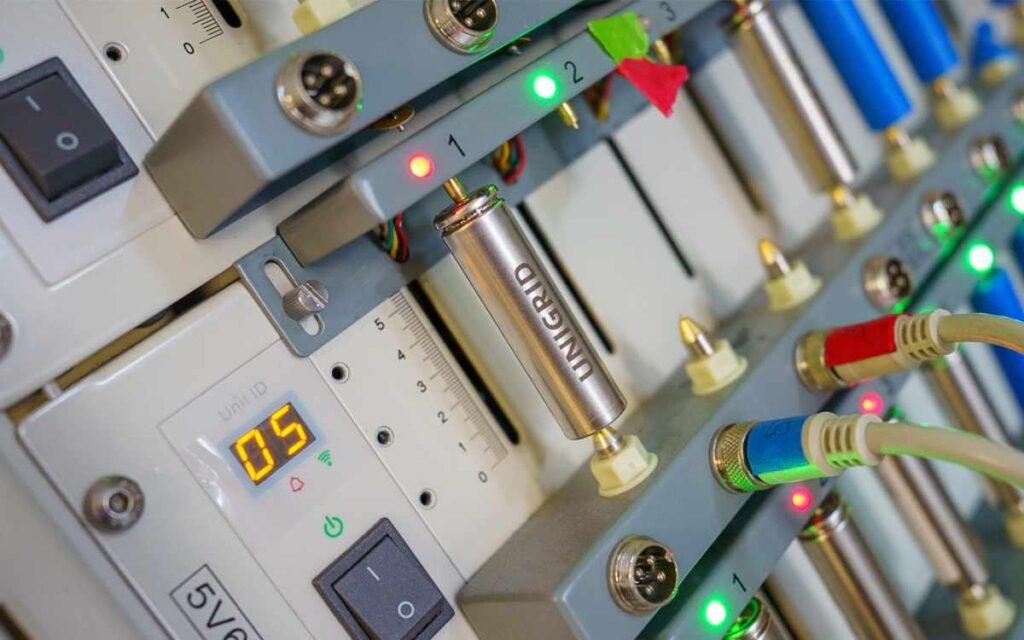
The battery industry is now pursuing several different paths simultaneously: sodium-ion, solid-state batteries, advanced lithium-ion chemistries and other technologies designed to improve safety, cost and energy density.
Sodium-ion has one particularly attractive advantage: it does not necessarily require the industry to completely rebuild its manufacturing infrastructure. Some production methods can build upon existing battery manufacturing capabilities while using different raw materials.
Hyundai’s testing of Unigrid’s technology is not proof that sodium-ion will win the battery race. But it is another indication that automakers are taking the chemistry increasingly seriously.
If results like these continue to hold up under larger-scale testing, while manufacturers improve energy density, cycle life and cost, future electric vehicles may not all rely on the same battery chemistry.
And that could mark the beginning of a much bigger change.
The future of the electric car may not simply be electric. It may also be sodium-ion.
The Tech Spot Editorial Team