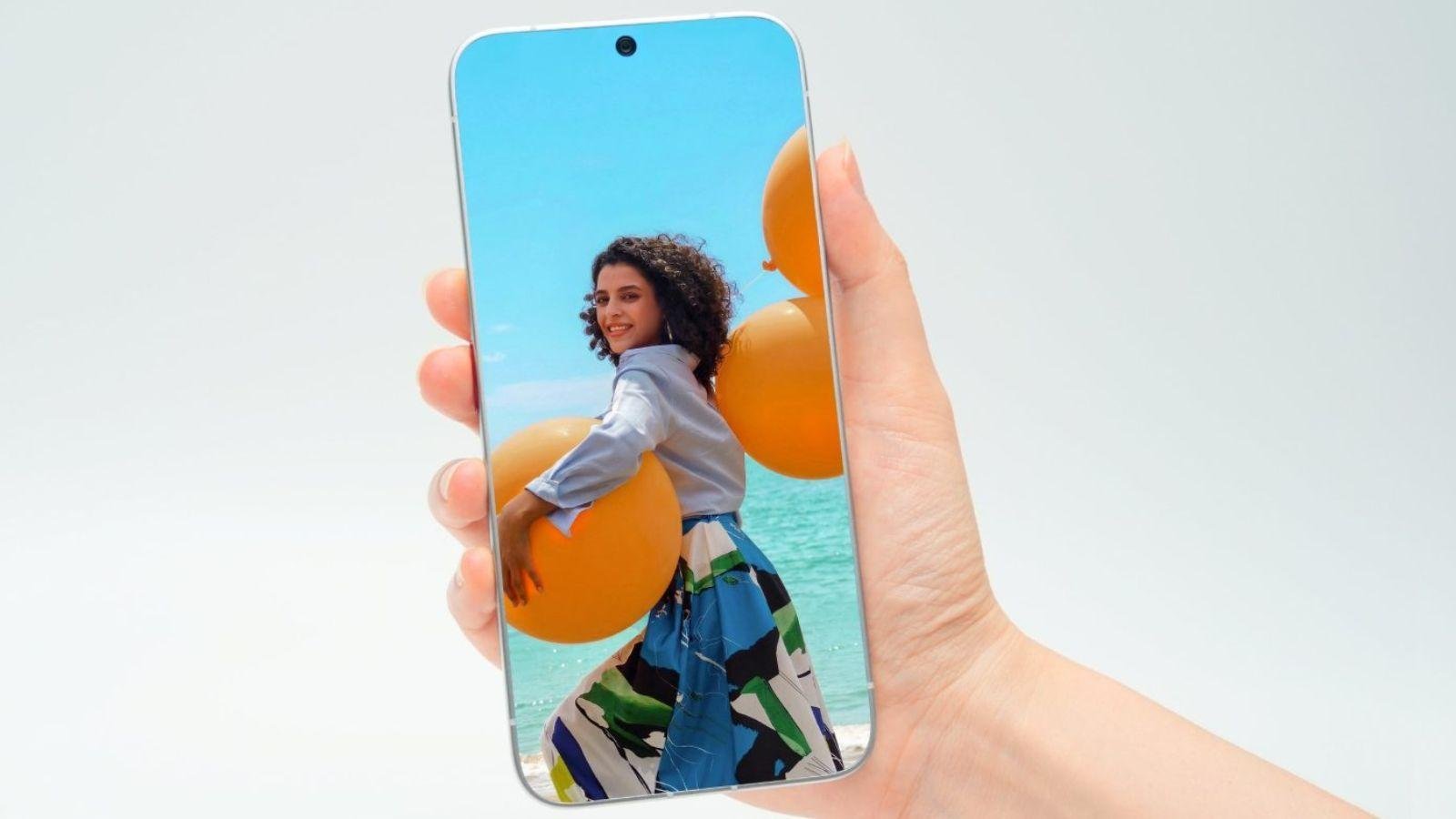
TECNO has showcased a concept smartphone with virtually no visible display bezel at IFA 2026, pushing the race to eliminate the black border around smartphone screens to another level.
The company calls the device the Next-Gen Bezelless Concept Phone and says it has achieved a true 0mm display border. The phone made its public appearance at IFA ShowStoppers in Berlin, attracting attention for the way its display appears to merge directly into the edges of the device. Unlike conventional smartphones, where even premium models retain a thin black border between the display and the frame, TECNO has redesigned the way the panel is assembled to hide that inactive area.
The result is a screen that, when viewed from the front, appears to extend almost completely to the edges of the phone.
A 6.78-Inch OLED Display With a 144Hz Refresh Rate

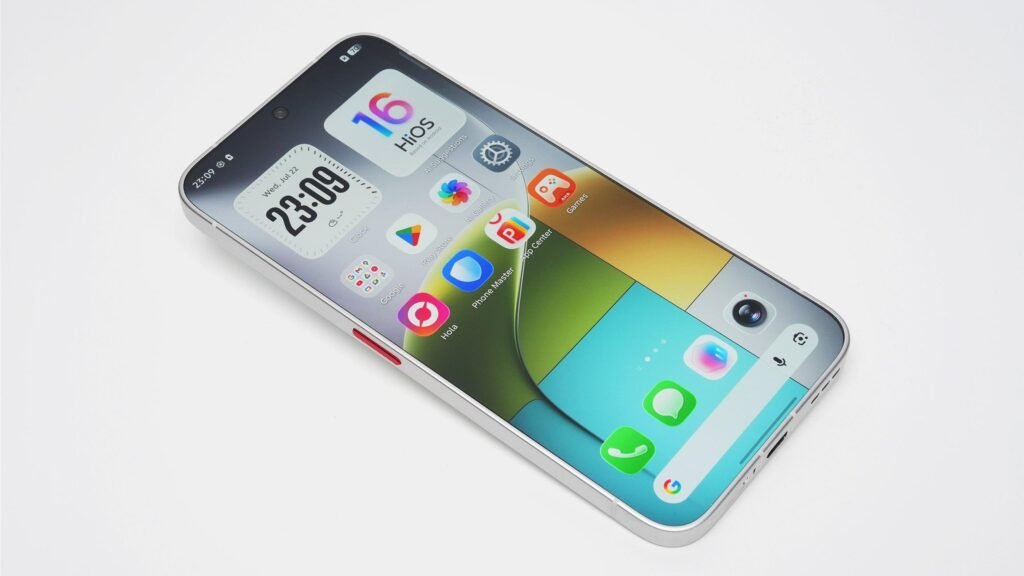
The concept phone features a 6.78-inch OLED display with a 1.5K resolution and a 144Hz refresh rate.
The key innovation, however, is not simply the panel itself. TECNO has developed a different display architecture involving internal stacking and a revised packaging approach that hides the inactive portion of the display behind the phone’s outer structure. Instead of mounting the panel in the traditional way from the front, the construction allows the display edge to be concealed by the frame, creating an edge-to-edge appearance without the black strip normally visible around smartphone screens.
The metal frame is still present and sits slightly above the display surface, helping users hold the phone without constantly touching the screen.
TECNO Is Hiding the Bezel Rather Than Simply Removing It
The 0mm bezel claim needs some context.
The OLED panel still has a very small inactive edge, but TECNO has positioned it so that it is hidden from the front. What the user sees is therefore an almost uninterrupted display surface.
It is primarily an engineering solution rather than a simple cosmetic change.
TECNO says it combined internal stacking, new screen-packaging techniques and structural re-engineering to achieve the effect.
The difference is particularly noticeable when watching videos or viewing photographs, where content appears to extend almost all the way to the edges.
A Working Concept Phone, Not Just a Prototype Shell
Although presented as a concept, the device shown at IFA is not simply a non-functional mock-up.
Reports from the show indicate that the phone runs Android and can be used as a working device. Media outlets that handled it reported specifications including a MediaTek Dimensity 7400e processor, 8GB of RAM, 256GB of storage and a 6,000mAh battery. The rear also features an unusual three-dimensional visual effect that changes depending on the viewing angle.
That makes the phone more of a demonstration of display and industrial-design technology than a conventional flagship aimed at immediate retail competition with Apple’s iPhone or Samsung’s Galaxy lineup.
The Design Comes With a Trade-Off
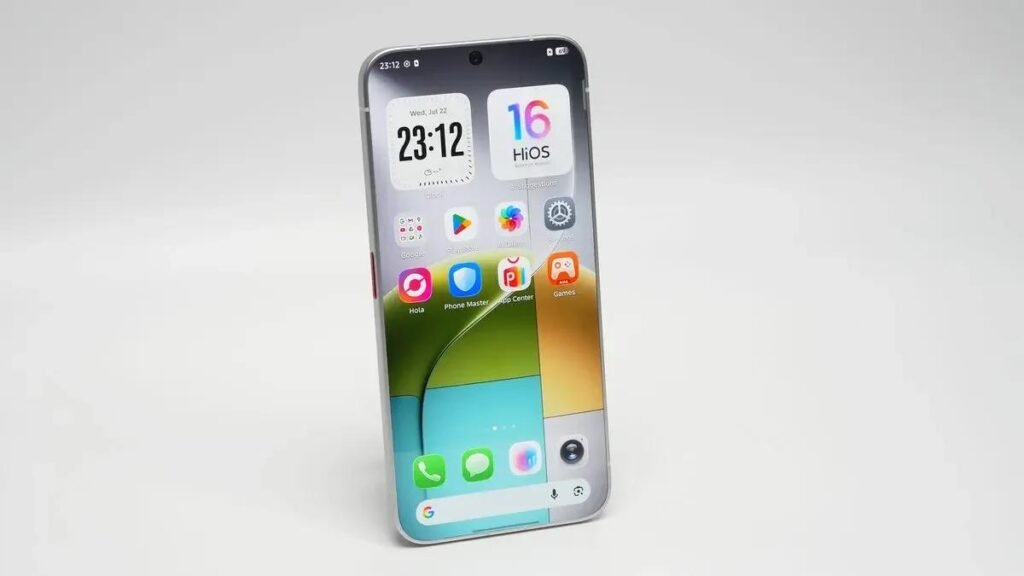
The bezel-free appearance looks impressive, but it also creates a usability challenge.
In hands-on testing published by Android Authority, the slightly raised frame can be felt when performing edge gestures. Swiping from the sides can cause a user’s finger to catch on the raised structure. That could become particularly noticeable for Android users who rely heavily on gesture navigation.
Still, for a concept device, that appears to be part of the experiment: how far can smartphone makers push the bezel-free design without making everyday interaction more difficult?
There Is Still No Retail Launch
TECNO has not announced a price or commercial release date for the Next-Gen Bezelless Concept Phone. The company has presented it as a concept, primarily to demonstrate technologies that could influence future smartphone designs.
That means there is no guarantee that this exact device will ever reach stores.
But the IFA demonstration shows that a smartphone with an almost invisible display border is no longer simply a concept rendered in promotional images. TECNO has built a working device in which the display edge is hidden so effectively that, from the front, the phone appears to be almost entirely screen. It may not fundamentally change how smartphones are used today, but the race to eliminate the final millimeters around displays has clearly entered a new stage.
And while major smartphone makers continue to refine thinner bezels, TECNO is taking a different approach: instead of making the border thinner, it is trying to make it practically invisible.