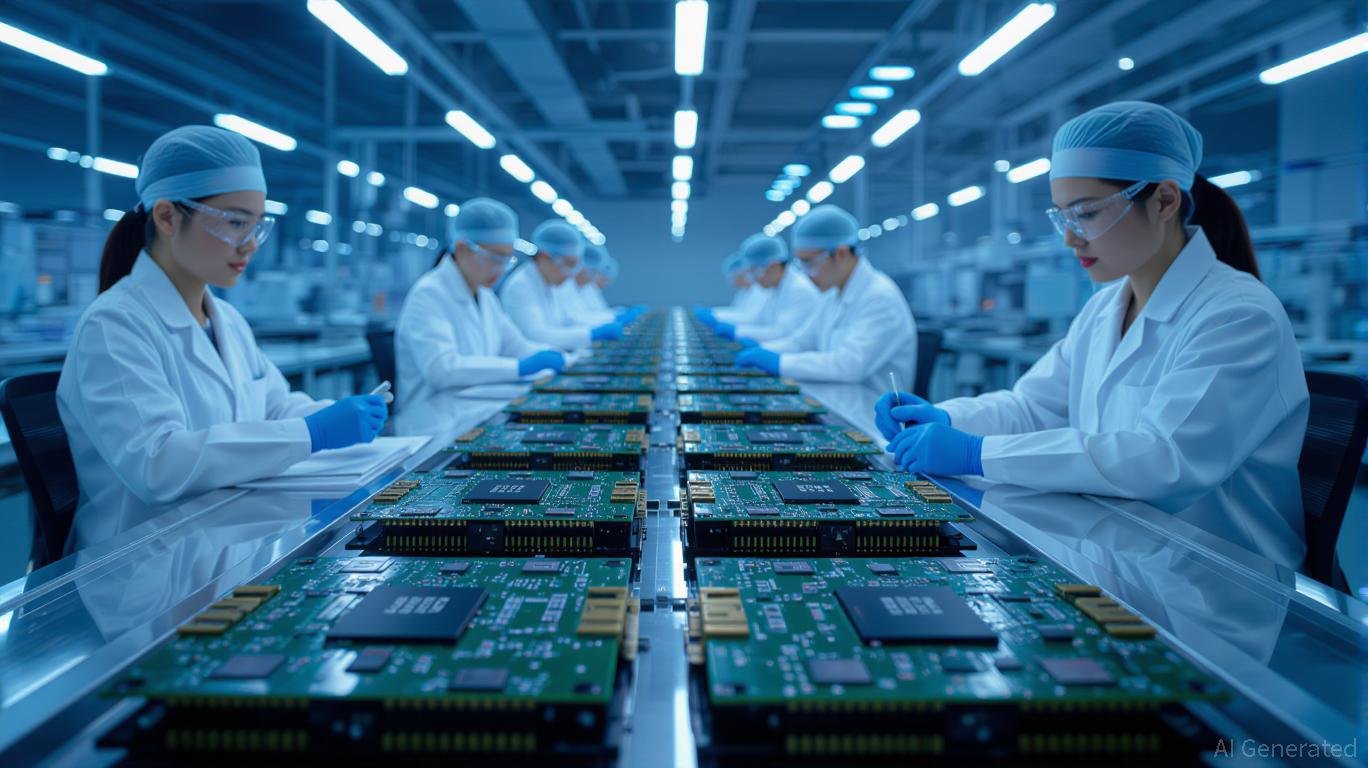
The next big technology shortage may not be a new processor or a missing graphics card. It could be something far less glamorous: memory.
The global technology industry is entering another uncomfortable period for hardware buyers as demand for memory chips accelerates, driven in large part by the enormous computing requirements of artificial intelligence. The pressure is already being felt across the supply chain, and analysts warn that higher memory costs could eventually reach the products consumers buy every day.
For years, RAM was one of those components most people rarely thought about. When buying a laptop or smartphone, consumers usually cared about the processor, camera, screen or battery. Memory was simply another number on the specification sheet.
That may be about to change.
The AI boom is consuming enormous quantities of computing hardware, and memory has become one of the critical bottlenecks. Modern AI systems require huge amounts of high-performance memory to process information, while data centers are expanding at an extraordinary pace.
The result is a familiar problem in the technology industry: when demand grows faster than manufacturers can increase supply, prices go up.
And this time, the consequences could extend far beyond AI companies.
Higher memory costs eventually have to be absorbed somewhere. Manufacturers can accept lower margins, reduce the amount of memory included in a product, or pass the additional cost to consumers.
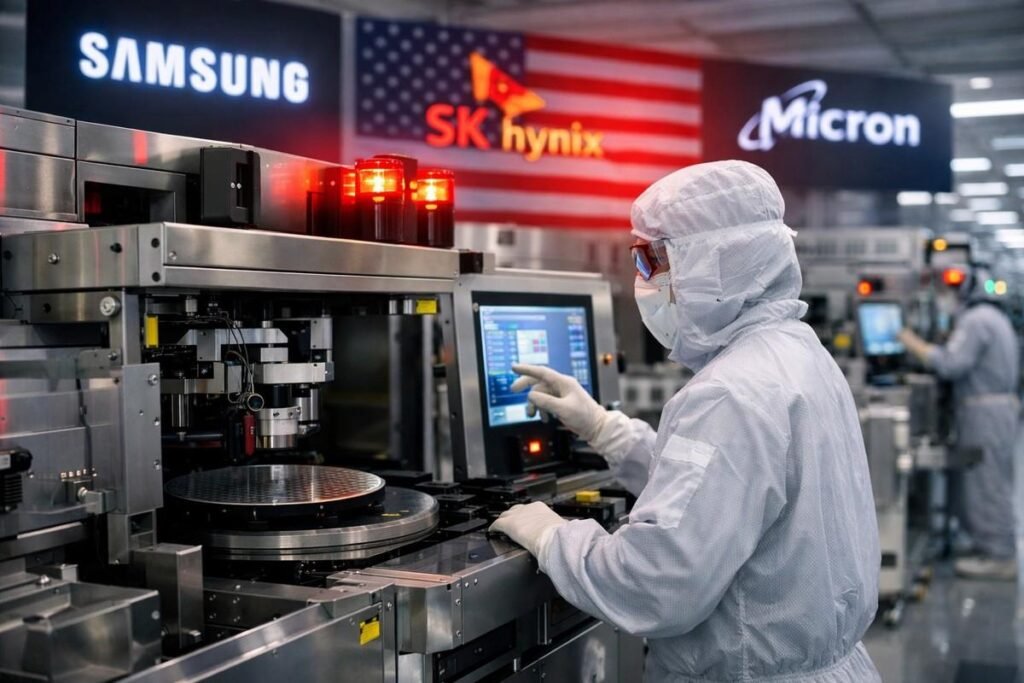
For smartphone and laptop buyers, that could mean higher prices—or devices with less memory at the same price.
The situation is particularly important because memory isn’t optional. A smartphone needs it. A laptop needs it. A gaming console needs it. Modern cars increasingly need it as well.
That means a shortage in one part of the semiconductor industry can spread into many different technology markets.
The irony is that consumers don’t necessarily see the AI data centers causing the problem.
Someone buying a new phone isn’t competing directly with an AI company for a smartphone. But both products depend on the same broader semiconductor ecosystem.
As companies race to build larger AI infrastructure, enormous amounts of money are being directed toward processors, high-bandwidth memory and advanced data-center hardware.
That creates a difficult balancing act for memory manufacturers.
If they build too much capacity and the AI boom slows, they risk another oversupply cycle. If they build too little, prices can rise sharply and hardware manufacturers face higher costs.
For consumers, the timing could hardly be worse.
Smartphones are already becoming more expensive in many markets, while manufacturers are adding more powerful processors, better cameras, larger batteries and increasingly sophisticated AI features.
Laptops are following the same path.
Gaming hardware has its own memory demands.
And cars are becoming computers on wheels.
Modern vehicles rely on memory for infotainment systems, driver-assistance technologies, cameras, sensors and increasingly sophisticated software architectures.
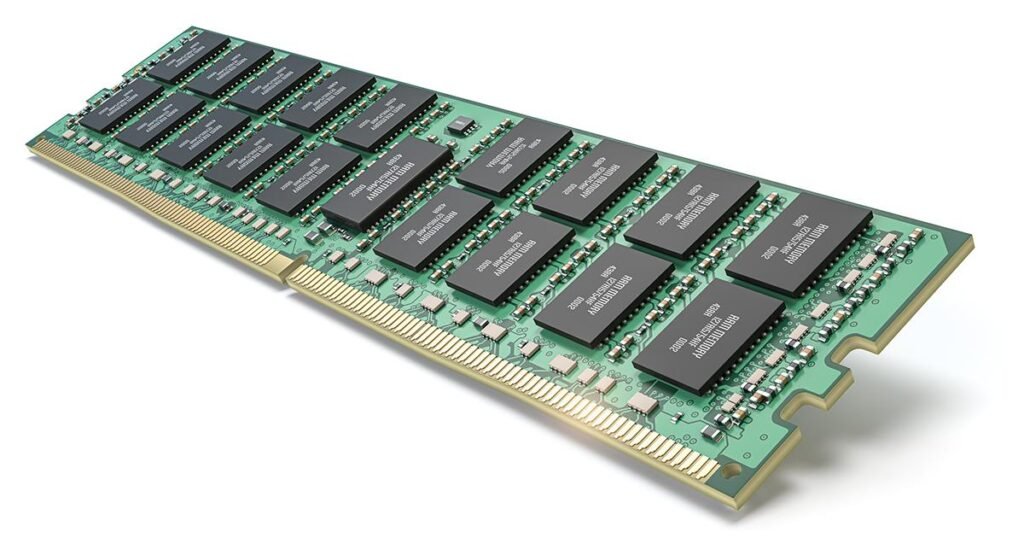
So when memory prices move, the effects can eventually reach industries that don’t appear to have anything to do with the AI boom.
This is why the current situation deserves attention.
The AI revolution isn’t happening only inside chatbots.
It is changing the economics of the physical technology industry.
Every new AI data center requires enormous quantities of processors, memory, networking equipment, storage and electricity. Companies are competing aggressively for limited supplies of advanced components.
And ordinary consumers are sitting at the end of that supply chain.
There is also a broader question about where the technology industry is heading.
For the past several years, companies have competed to make devices faster and more powerful. Now, some of that computing power is being redirected toward AI.
The smartphone in your pocket may have more processing capability than computers that were considered supercomputers decades ago. But manufacturers increasingly want that power to run AI features locally, while cloud providers are building gigantic systems to handle even larger workloads.
That requires memory.
A lot of it.
And the more ambitious AI becomes, the more memory the industry needs.
For consumers, the immediate question is simple: will this make our next phone or laptop more expensive?
Nobody can predict exactly how much prices will change, because manufacturers have several ways to absorb higher component costs.
But the direction of the market is becoming increasingly important.
The days when memory was treated as a cheap and almost invisible component may be coming to an end.
The next time you see a smartphone advertised with 12GB or 16GB of RAM, that number may tell you more about the global AI economy than you realize.
Because behind that specification is an enormous industrial chain stretching from semiconductor factories to data centers—and ultimately to the price tag in your local electronics store.
TheTechSpot verdict: The AI boom is creating a hardware problem that consumers can actually feel. The next technology price increase may not come from a flashy new feature. It could come from the tiny memory chips that make almost every modern device work.