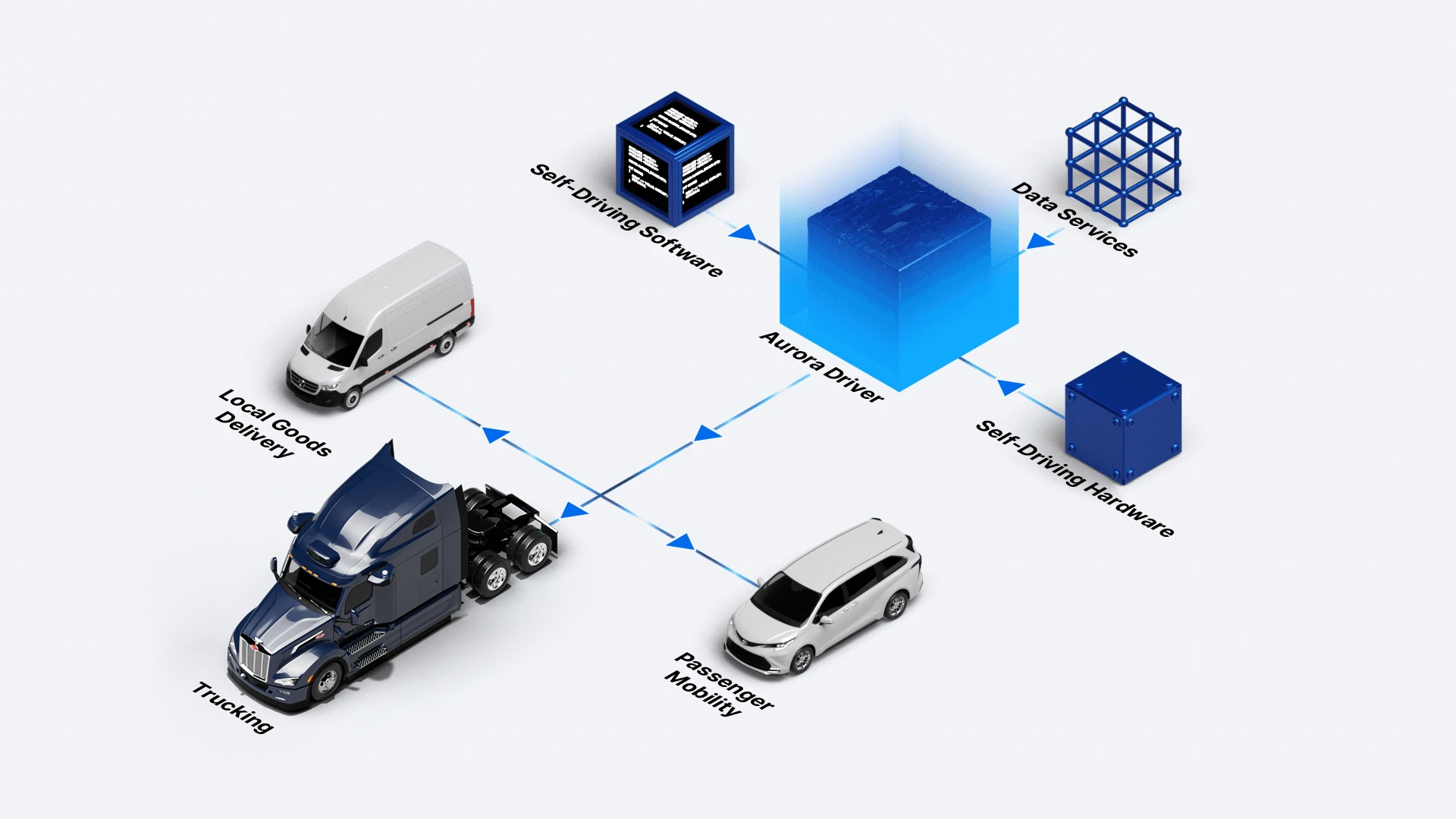
The United States has approved a five-year exemption allowing qualifying autonomous trucks to use cab-mounted warning beacons instead of traditional reflective warning devices placed around a stopped vehicle. The decision gives Aurora and other eligible operators a clearer regulatory path for driverless freight operations, while keeping safety reporting and operating conditions in place.
Why the Rule Had to Change

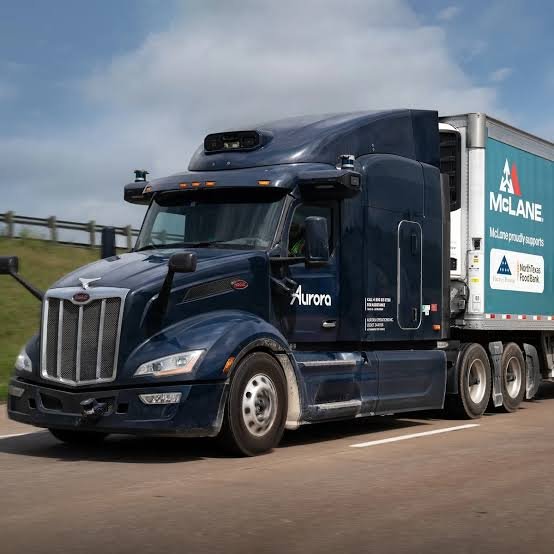
Under traditional US trucking rules, a driver whose truck stops on a roadway or shoulder must activate the hazard lights and place warning devices around the vehicle. That process requires a person to leave the cab and move close to traffic.
A driverless truck cannot carry out that procedure in the conventional way.
The new exemption allows qualifying operators to use high-visibility warning beacons mounted on the cab as an alternative. FMCSA determined that the setup is likely to provide a safety level equivalent to or greater than the existing rule. (FMCSA)
The decision is narrow: it addresses how a stopped autonomous truck warns other road users. It does not authorize every autonomous truck to operate anywhere or remove other safety requirements.
A Practical Step Toward Driverless Freight
Aurora has been developing autonomous trucking technology and was among the companies involved in seeking changes to the warning-device rules.
Reuters reported that Aurora had around 20 autonomous trucks in on-road operations when the decision was announced. (Reuters)
For the industry, the exemption offers greater regulatory certainty when planning fleets, investments and commercial operations. It also addresses a practical issue that becomes more significant as companies move from supervised testing toward larger-scale driverless freight services.
Still, a regulatory exemption is not proof that autonomous trucks are safer in every situation. Real-world performance will depend on system reliability, road conditions, vehicle design and compliance with operating limits.
What Operators Must Do
The exemption applies to qualifying Level 4 automated driving system-equipped commercial vehicles. Operators other than Aurora must notify FMCSA before using it and comply with the stated conditions.
Companies must also report crashes involving the warning beacons when they are activated or should have been activated. The agency retains authority to withdraw the exemption if the arrangement results in a lower level of safety.
The rules also place limits on how covered vehicles may operate, meaning the decision is not a blanket authorization for all routes, vehicles or freight operations.
Why Some Stakeholders Remain Concerned

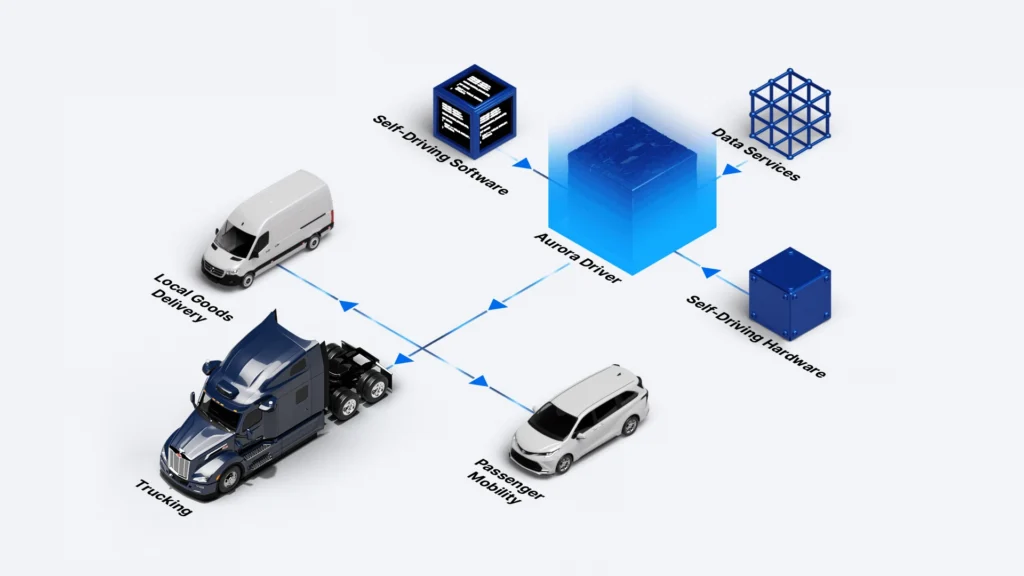

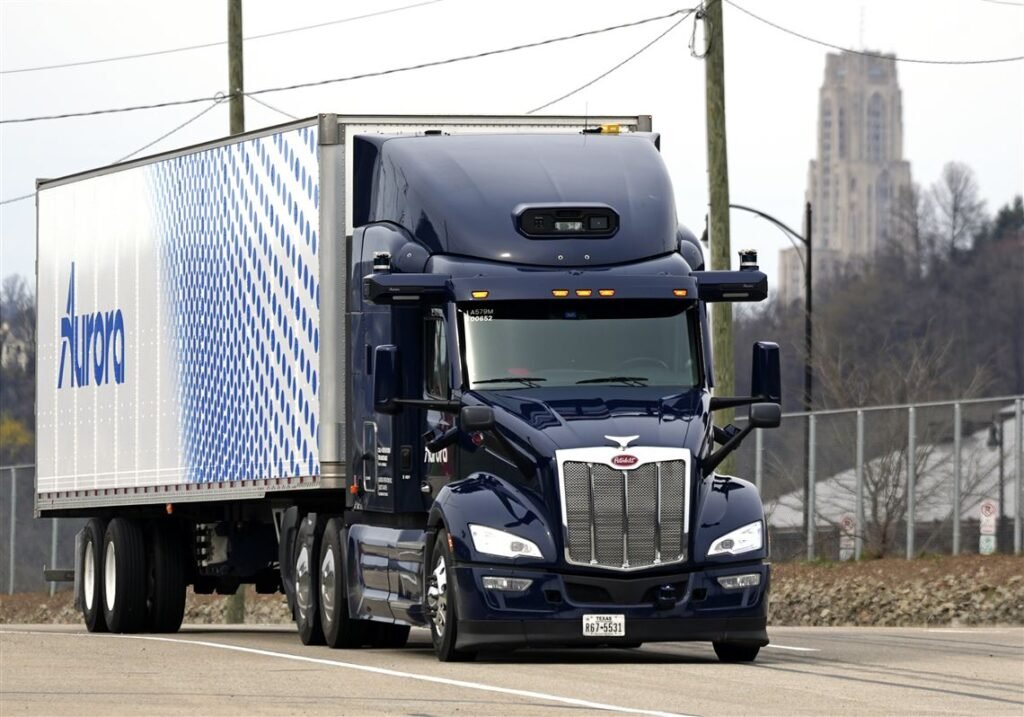

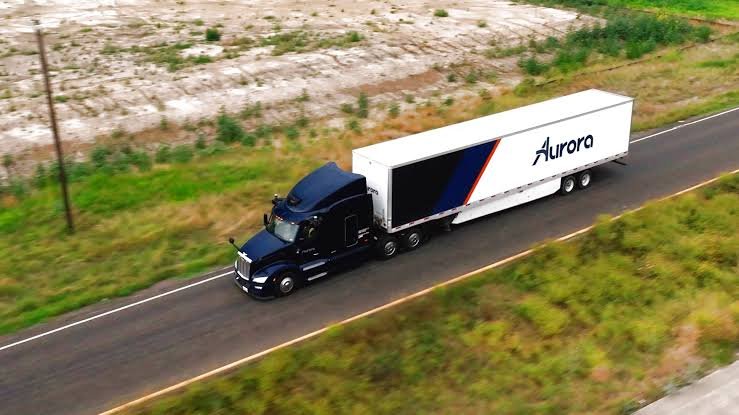
Critics have questioned whether cab-mounted lights will remain visible when a trailer is angled or obstructs the cab. They have also raised concerns about electrical failures and whether the available evidence adequately reflects difficult weather, lighting and road conditions.
FreightWaves reported that the agency’s decision followed hundreds of comments from industry stakeholders, including supporters of the exemption and groups opposed to easing the existing safety requirements.
These concerns underline a wider challenge for regulators: rules written around human drivers do not always translate directly to autonomous vehicles, but changing them requires credible evidence that the alternative protects other road users.
Key Takeaways
- The exemption took effect on October 7, 2026, and runs through October 7, 2031.
- Eligible Level 4 autonomous commercial trucks can use cab-mounted warning beacons instead of traditional roadside warning devices.
- The exemption covers Aurora and other qualifying carriers that notify the Federal Motor Carrier Safety Administration before operating under its terms.
- Operators must report relevant crashes and comply with the exemption’s operating conditions.
- FMCSA says the alternative is likely to provide an equivalent or greater level of safety than the existing requirements.
- Safety groups and industry stakeholders have raised concerns about beacon visibility, electrical failures and performance in difficult weather.
What Comes Next?
The five-year period provides a defined framework for qualifying operators to use the alternative warning system under regulatory oversight.
The broader expansion of autonomous trucking will depend on more than this single rule. Reliability, operating costs, infrastructure, public confidence and safety performance will all influence whether driverless freight can scale.
For now, the decision removes one specific regulatory obstacle. It does not settle the larger debate over how quickly autonomous trucks should expand across US highways.
FMCSA’s decision is a meaningful regulatory step for Aurora and the autonomous trucking industry. It permits qualifying operators to use cab-mounted warning beacons instead of traditional roadside warning devices, while maintaining reporting duties and operating conditions.
The next test is practical: whether the alternative warning system can deliver consistent safety in real-world conditions as autonomous freight operations grow.