

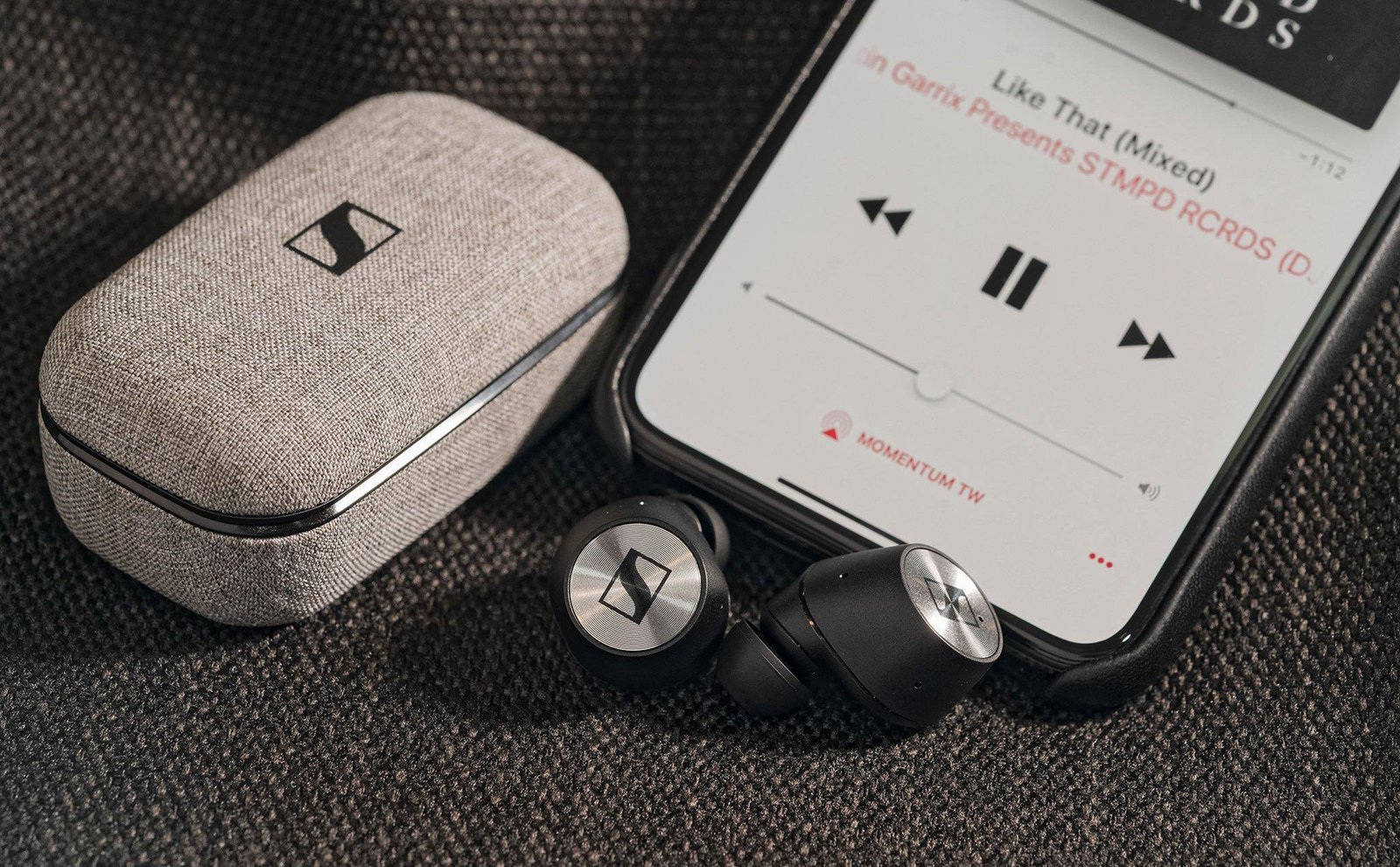
The Bluetooth SIG has adopted High Data Throughput (HDT), a new optional feature for Bluetooth Core 7.0 that raises Bluetooth Low Energy’s maximum supported bit rate from 2 Mbps to 7.5 Mbps. The first products are expected in 2027, with lossless wireless audio among the technology’s headline applications.
Bluetooth is one of the most widely used technologies in modern consumer electronics, but its data-transfer limits have long required a balance between speed, power consumption and connection reliability. That balance is about to change.
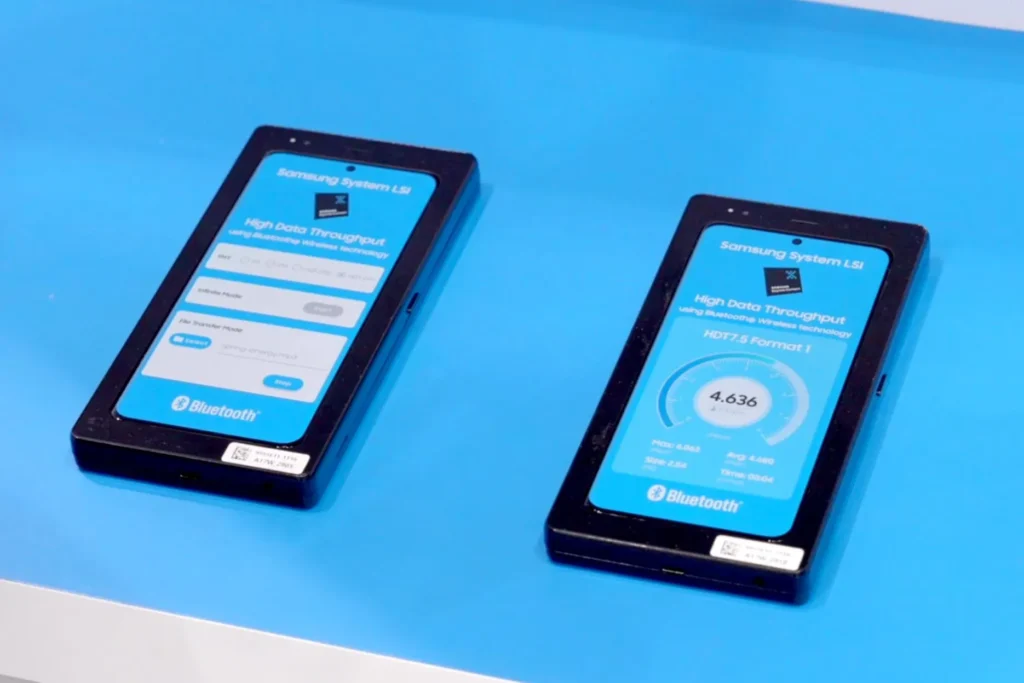
The Bluetooth Special Interest Group (Bluetooth SIG), the organization responsible for overseeing the standard, announced the adoption of Bluetooth High Data Throughput (HDT) on November 4. The new technology raises Bluetooth Low Energy’s maximum supported bit rate to 7.5 megabits per second, nearly four times the 2 Mbps limit of Bluetooth LE 2M PHY.
HDT is an optional feature in Bluetooth Core 7.0. That distinction matters: it is not an automatic upgrade that will make every existing phone, pair of headphones or smartwatch faster. Devices need the appropriate hardware and software support.
Why does the higher speed matter?
Bluetooth has traditionally been used to connect headphones, speakers, keyboards, smartwatches and other low-power devices. But the next generation of connected products is expected to exchange increasingly large amounts of data.
Premium headphones are pushing toward higher-quality audio, smartwatches collect more detailed activity and sensor information, while extended-reality devices and AI-enabled products need faster and more dependable communication.
HDT is designed to address those demands. According to the Bluetooth SIG, the upgrade is not limited to speed: it also aims to improve capacity, energy efficiency and connection reliability across different environments.
Lossless audio could be the biggest early application
The Bluetooth SIG is positioning premium wireless audio as HDT’s first flagship use case. The additional capacity is intended to support standardized high-resolution and lossless audio, alongside more advanced spatial audio and multichannel surround experiences.
That could reduce reliance on proprietary solutions for some high-quality wireless audio formats. Over time, products from different manufacturers may be able to build on a more consistent standards-based foundation.
There is an important qualification, however. The 7.5 Mbps figure is the maximum supported bit rate at the link level, not a guarantee that every pair of headphones will deliver that real-world transfer speed. Actual performance will depend on implementation, radio conditions, the devices at both ends and how manufacturers use the feature.
Beyond headphones: smartwatches, XR and connected homes
The upgrade could also matter well beyond audio.
A smartwatch, for example, could synchronize workout records and sensor data with a phone more quickly. Completing transfers in less time could allow the radio to return to a lower-power state sooner.
Extended-reality devices and spatial computing systems may benefit from faster data exchange between accessories and host devices. Smart-home products could also receive firmware updates more quickly.
The Bluetooth SIG also identifies AI-enabled devices and industrial systems as areas where additional capacity could create new opportunities. These are potential applications, not capabilities already available across today’s products.
When will the first devices arrive?
The Bluetooth SIG says the first HDT products are expected in 2027, with premium wireless audio as the initial focus. That does not mean every Bluetooth 7.0 device will necessarily include HDT, because the feature is optional.
Manufacturers will need to choose whether to implement it and ensure that compatible hardware is present. For consumers, that means buying headphones simply because they carry a Bluetooth 7.0 label will not necessarily guarantee HDT support. The product’s technical specifications will need to confirm it.
What should consumers expect?
In the short term, existing headphones should not be expected to gain HDT performance through an ordinary software update. The benefits will depend on new devices that support the feature at both ends of the connection.
If the technology is implemented successfully, Bluetooth could become more suitable for applications that previously required greater bandwidth or specialized wireless solutions. That includes higher-quality audio, faster data synchronization and some next-generation connected devices.
TheTechSpot Take:
HDT’s significance is about more than the 7.5 Mbps headline. Its bigger ambition is to make Bluetooth better suited to the products being developed today: higher-quality wireless headphones, wearables collecting more data and smart devices that communicate constantly. But the standard will only deliver real value once manufacturers implement it and consumers have compatible devices. 2027 will be the first major test of whether the technical promise becomes a meaningful everyday improvement.


