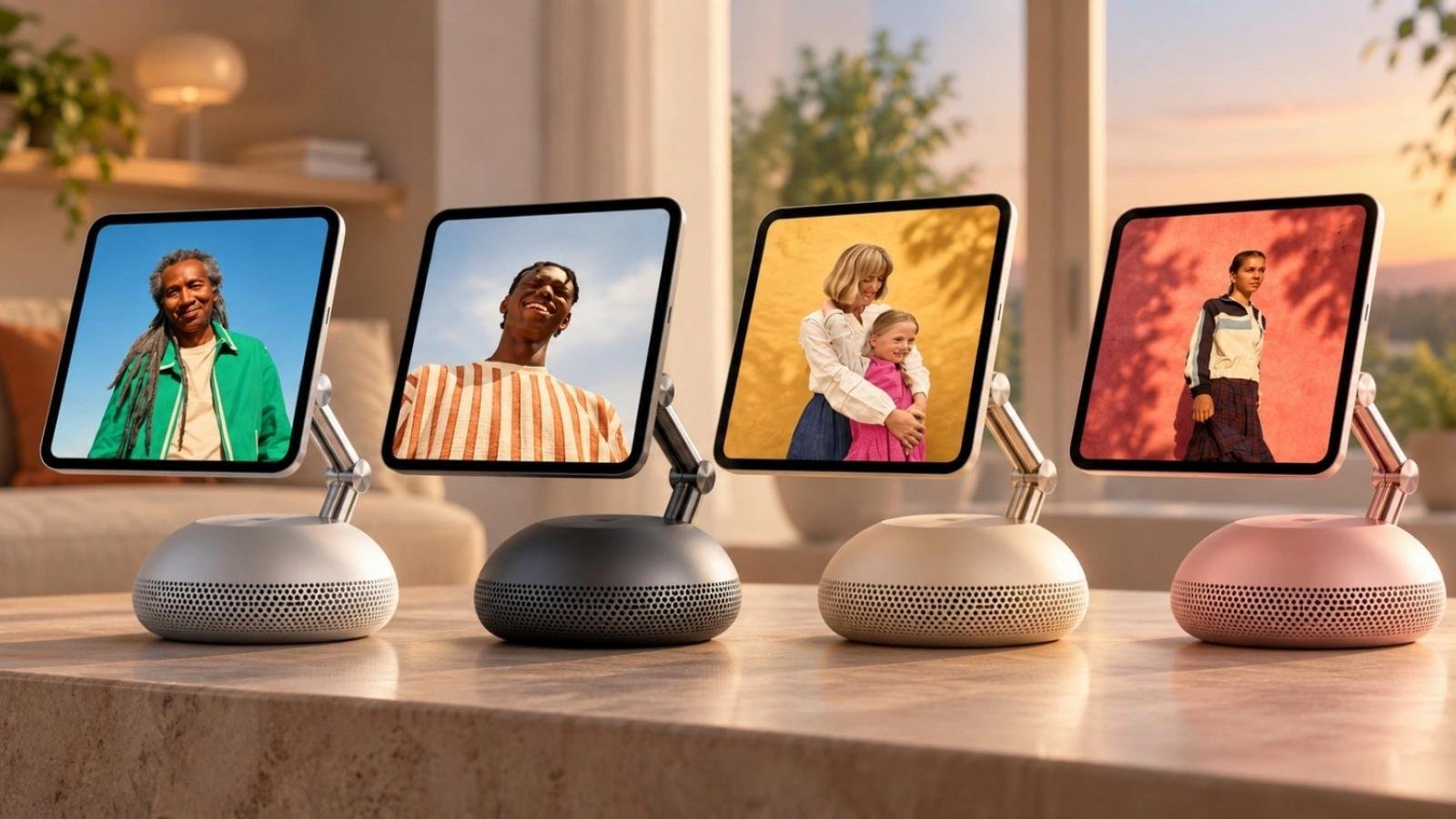
The new device combines a 7-inch display, smart-home controls, video calls and Siri. Its price and dependence on Apple’s ecosystem could limit its appeal.
Apple is expanding its smart-home ambitions with HomeView, a 7-inch display designed to bring home controls, communication and entertainment together in one place. The company opened preorders on October 13 and announced a U.S. starting price of $299, with availability scheduled to begin on November 13.
What does HomeView offer?
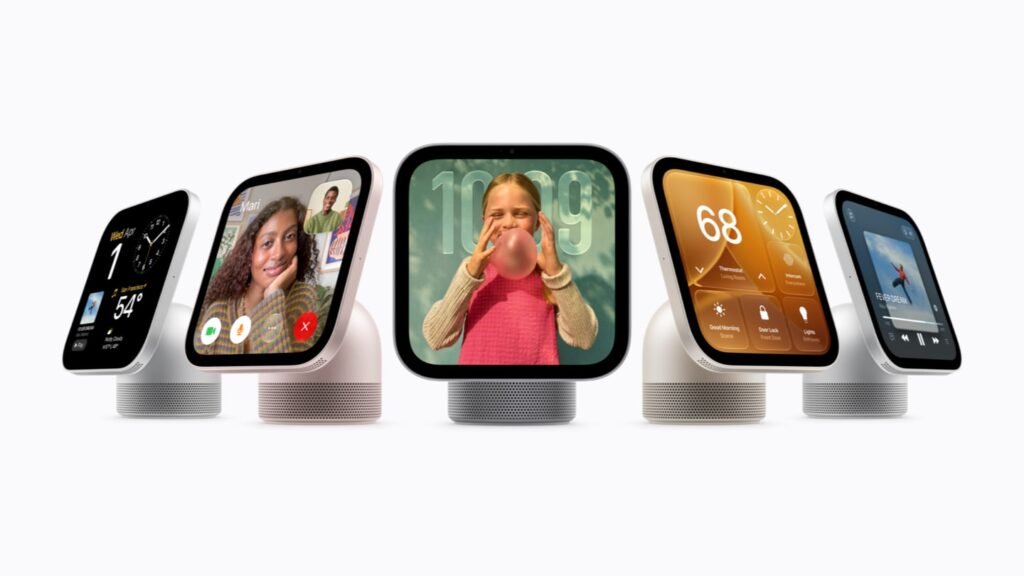
HomeView features a 7-inch Liquid Retina display and Apple’s A18 chip. It can sit on a tabletop or be mounted on a wall, serving as a central interface for a connected home.
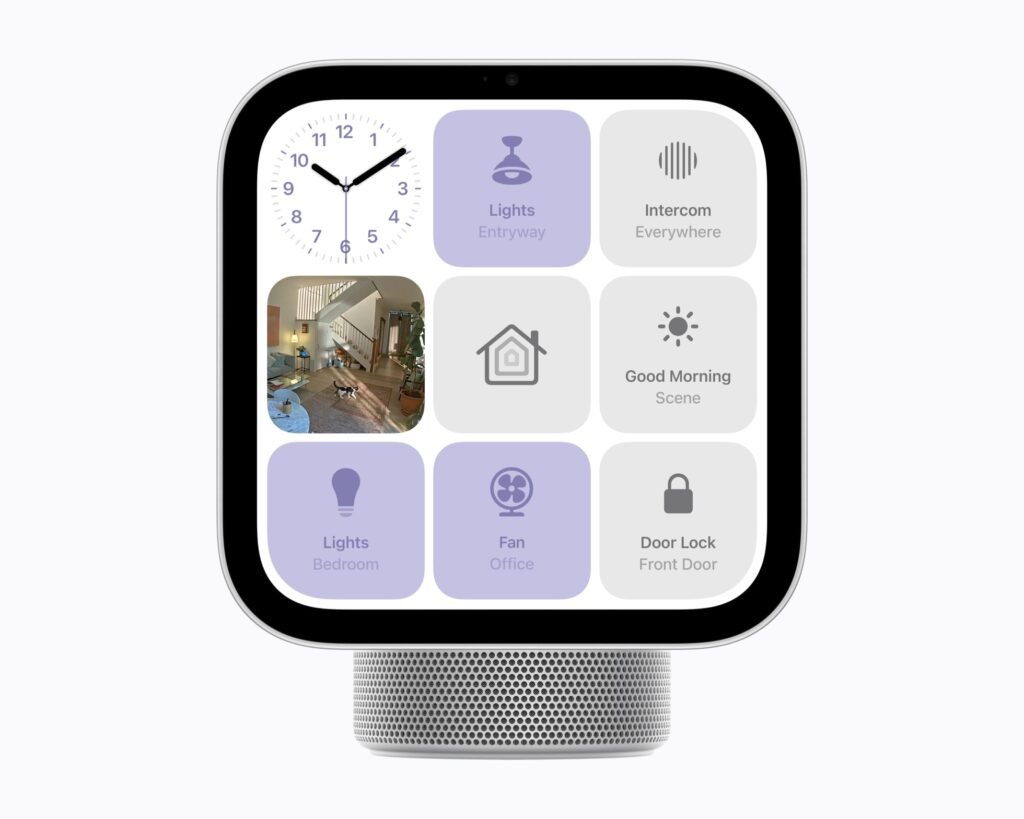
Apple says the device can recognize up to six people and personalize the experience for each user. It supports FaceTime, Messages, Calendar, Reminders and control of compatible Apple Home accessories. A 12-megapixel Center Stage camera is designed for video calls, while the audio system is built to deliver room-filling sound.
Siri AI is central to the experience. When paired with a compatible Apple Intelligence-enabled iPhone or iPad, HomeView can use more personal context for certain requests. Apple is positioning the device as more than an information screen: it wants HomeView to become an interface for managing everyday tasks and connected devices.
Price and availability
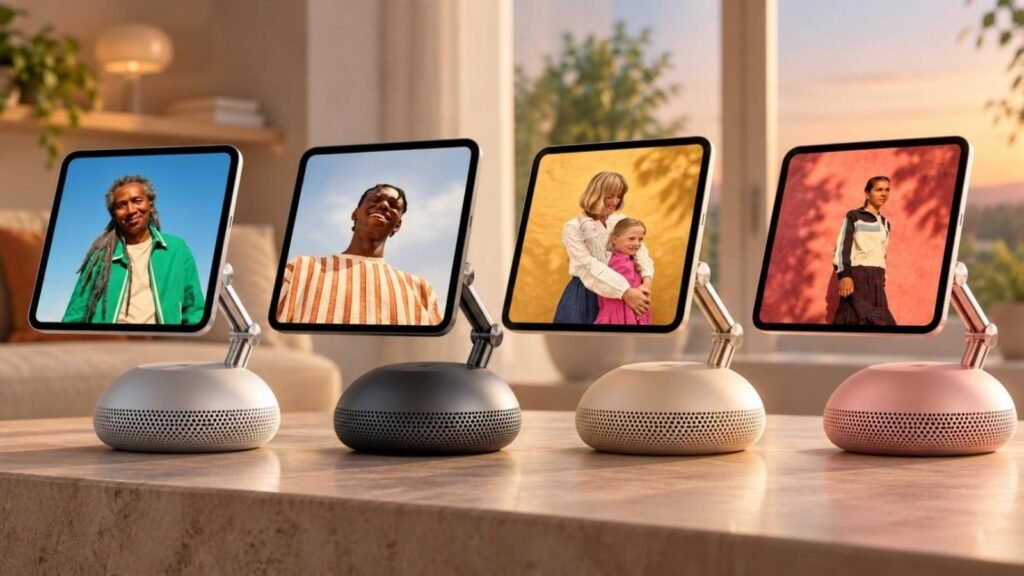
Apple has announced a $299 price for both the standard model and the wall-mounted version. Wall-mounting hardware is sold separately for some installation options, adding to the total cost.
There is also an important regional limitation. Apple’s official announcement says HomeView will not be sold in the European Union for now because Siri AI is not yet available in iOS there. Siri AI on HomeView launches in English, and availability varies by country.
The U.S. price and launch date should therefore not be treated as a confirmed offer for every market.
A smart-home hub—but how open is it?
Apple Home integration is one of HomeView’s main selling points for households already using iPhones and compatible smart-home accessories. User recognition and personalized profiles could make a shared screen more useful in a family setting.
But integration does not necessarily mean openness. The Verge reported that HomeView lacks native support for some major entertainment apps, including Apple TV, and that certain uses require AirPlay from an iPhone. That could make the device less flexible than some buyers expect from a smart display at this price.
TheTechSpot Take
HomeView is Apple’s attempt to establish a stronger presence in a category where Amazon and Google already have established products. Apple is leaning on design, personalized experiences, privacy and integration with devices customers may already own.
Its real value, however, will be determined by everyday use. If HomeView makes it easy to manage lights, locks, cameras and family communication, it could become a useful home control point. If key features depend on a compatible iPhone, additional subscriptions or apps that are not available natively, the $299 price may be harder to justify for households outside Apple’s ecosystem.
HomeView is a significant move into smart displays, but hardware alone will not determine its success. Regional availability, compatibility and access to the services people want will matter just as much.