
Game Industry Group Targets Retro Handhelds Over Piracy Concerns. The Entertainment Software Association wants U.S. officials to scrutinize devices sold with unauthorized games, raising questions about the responsibility of hardware makers, resellers and online marketplaces.
Retro gaming handhelds have become popular among players who want to run classic games on modern portable hardware. Now, part of that market is facing renewed pressure from the video game industry over devices sold with unauthorized copies of copyrighted titles.
What is the industry challenging?
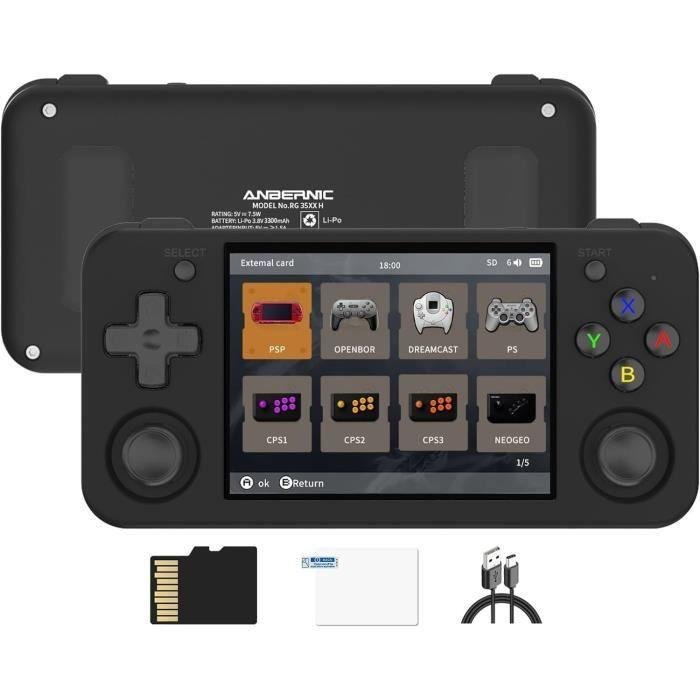
The ESA says some devices are sold with memory cards containing hundreds or thousands of unauthorized copies of copyrighted games. When a product is marketed as ready to play with a large game library, consumers can access unlicensed content without having to find or install it themselves.
The organization argues that this model makes piracy easier for consumers and easier to sell through mainstream e-commerce channels.
The ESA represents major video game publishers and companies, including Nintendo, Microsoft, Sony Interactive Entertainment, Electronic Arts and Ubisoft. Protecting copyright and intellectual property is a direct concern for these businesses.
Is the hardware itself illegal?
Not necessarily. That distinction is central to the case.
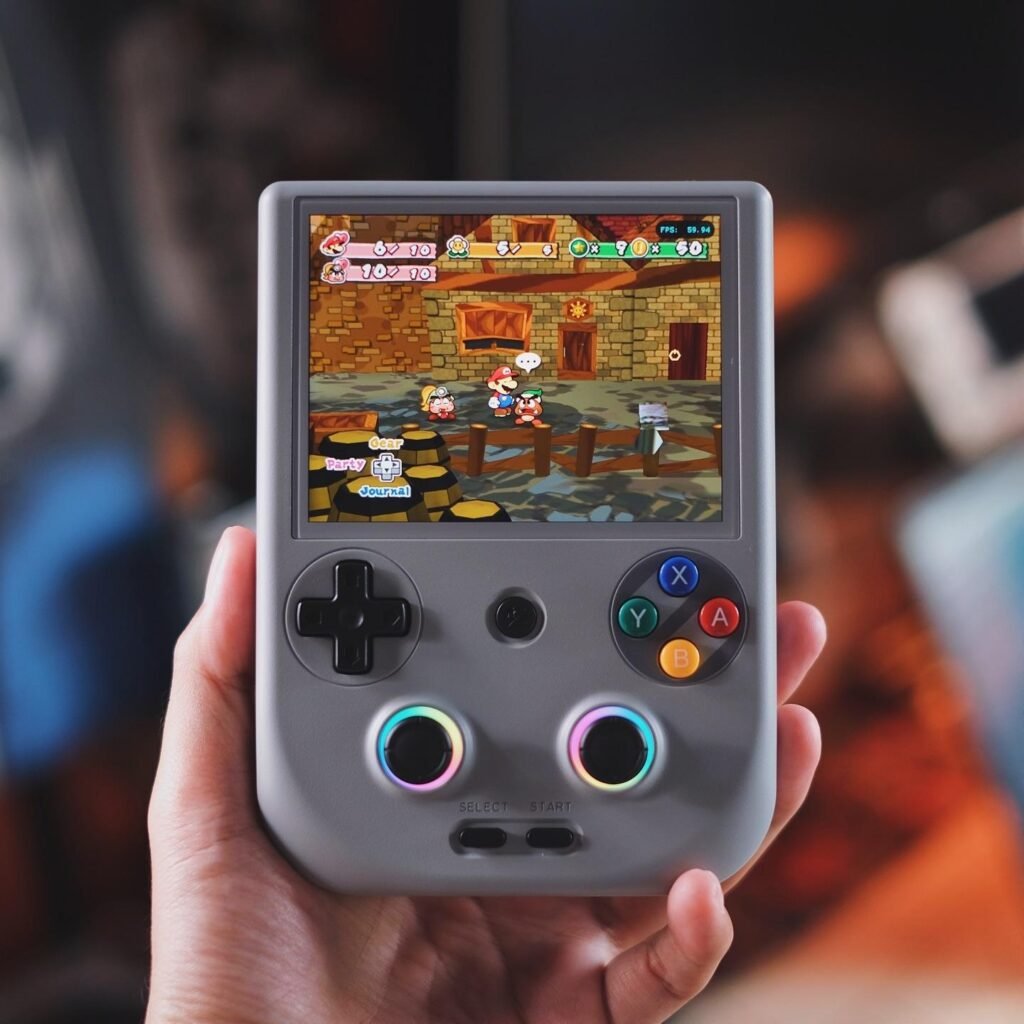
Emulation technology is not automatically illegal. It can be used for legitimate software, homebrew projects or games a user is legally entitled to run. The problem arises when a device is distributed with copyrighted games without authorization.
Ars Technica reports that many memory cards containing unauthorized ROMs are supplied by third-party sellers. The publication noted that it was not clear that Anbernic itself included such cards when selling directly through its own website. This distinction matters because making a handheld device is not the same activity as selling it bundled with unauthorized content.
User reports suggest that packages can vary by seller and purchase, so broad claims about every device or order would be unwarranted.
What does the “Notorious Markets” list mean?
The U.S. Trade Representative’s list identifies markets and services that U.S. officials consider associated with significant piracy or counterfeiting.
Being named on the list does not automatically ban a product from sale, nor is it equivalent to a court judgment finding a company liable. It can, however, increase scrutiny from authorities, marketplaces and the public.
The ESA’s request is an attempt to increase pressure on the market. It should not be described as a confirmed U.S. sales ban against Anbernic.
TheTechSpot Take
This case illustrates why copyright enforcement in modern gaming hardware is complicated. An emulation handheld can be a legitimate product, yet the same device can be sold with a memory card containing thousands of unauthorized games.
If enforcement focuses only on a hardware brand, legitimate manufacturers could be treated like sellers who deliberately distribute pirated ROMs. A more targeted approach would focus on listings, bundles and sellers that explicitly offer unauthorized game libraries.
Online marketplaces also have a role. They can identify listings advertising unlicensed game collections, remove infringing content and take action against repeat offenders.
What to watch next: the U.S. Trade Representative’s response, the final content of the list and whether enforcement focuses mainly on sellers distributing unauthorized ROMs or extends to hardware manufacturers.