The new gateway targets 20 Gbps broadband customers and combines next-generation wireless networking with local AI processing, although Wi-Fi 8 has not yet been formally ratified.
GFiber, Qualcomm and hardware manufacturer Gemtek have unveiled a new broadband gateway built around Wi-Fi 8, aiming to improve wireless connectivity in homes with very high-speed fiber internet.
According to the companies’ announcement and Tom’s Hardware’s October 14, 2026 report, the GFiber Wi-Fi 8 Premium Gateway will use Qualcomm’s Dragonwing NPro A8 Elite platform. The system combines next-generation Wi-Fi connectivity with local artificial intelligence processing, commonly described as edge AI.
GFiber customers subscribed to its 20 Gig service are expected to be the first to receive the device after the relevant certification process is completed. The companies have not announced a firm customer rollout date.
What Wi-Fi 8 is designed to deliver
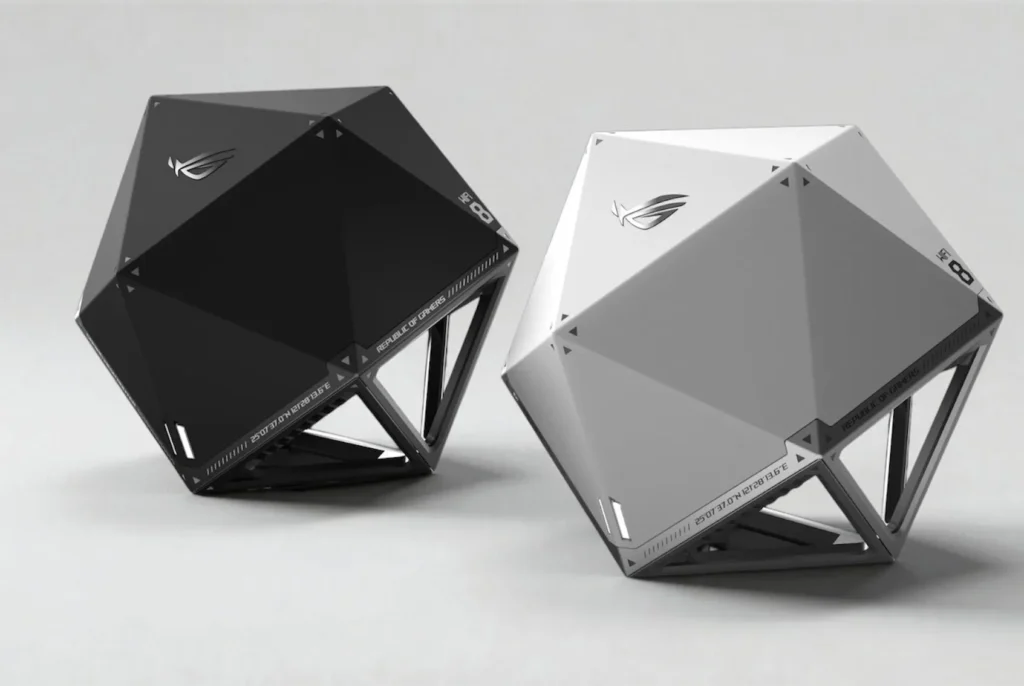
Wi-Fi 8 is the industry name for the next generation of the IEEE 802.11bn wireless networking standard. Its goals include improving reliability, efficiency and wireless performance, particularly in environments where many devices compete for network capacity.
However, IEEE has not yet formally ratified the standard. Early Wi-Fi 8 hardware is therefore being developed before the official process is complete, and final specifications and compatibility remain important considerations during certification.
The announcement should not be taken as proof that every existing device will automatically benefit from every feature associated with the new generation. Actual results will depend on connected hardware, network configuration and the final specification.
Qualcomm brings local AI processing to the gateway
The Dragonwing NPro A8 Elite platform includes a five-core CPU and a neural processing unit, or NPU. Qualcomm says the platform is designed to combine high-performance networking with AI applications running directly on the gateway.
Local processing can allow certain tasks to run without sending every request to a remote server. However, the companies have not published independent benchmark results showing how much the new gateway will improve everyday speed, latency or reliability.
Gemtek will manufacture the gateway, while Qualcomm supplies the processing platform. GFiber will deploy the device as part of its broadband service.
Why 20 Gbps broadband matters
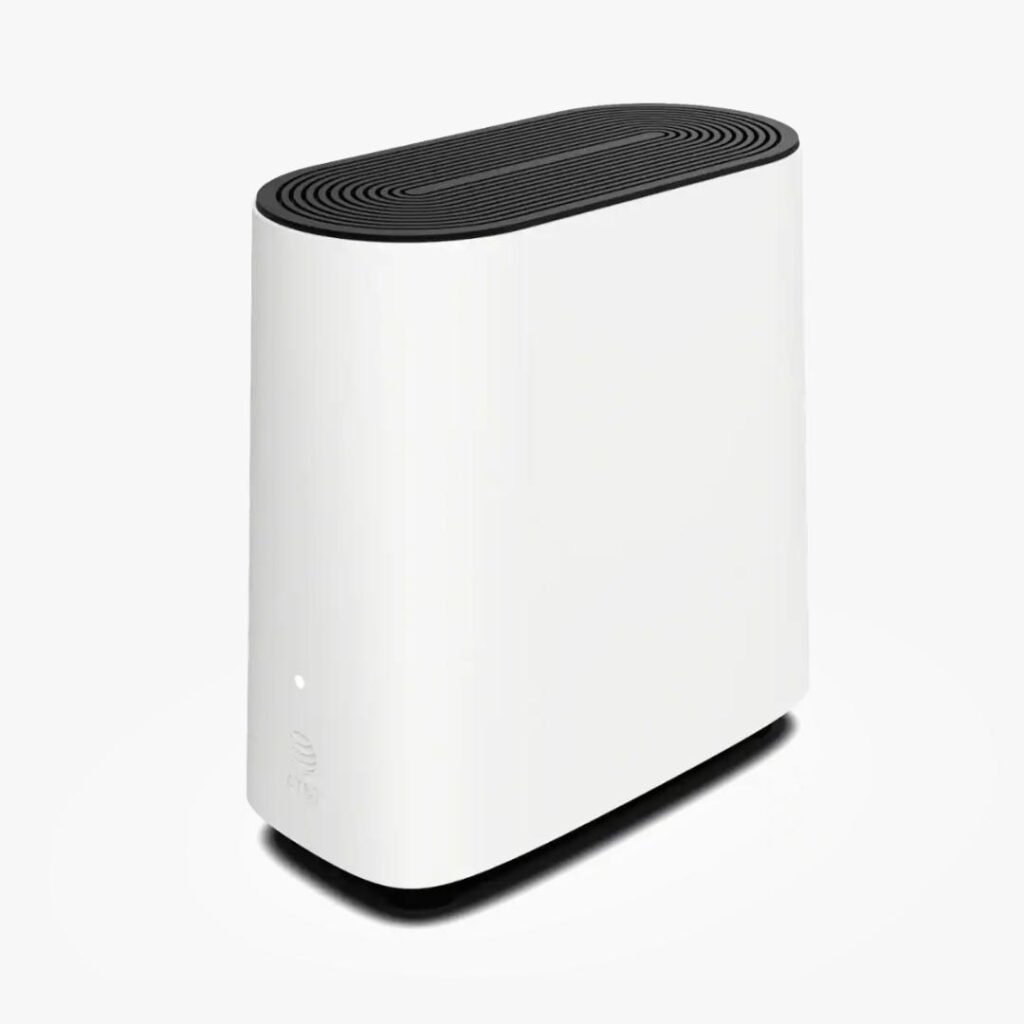
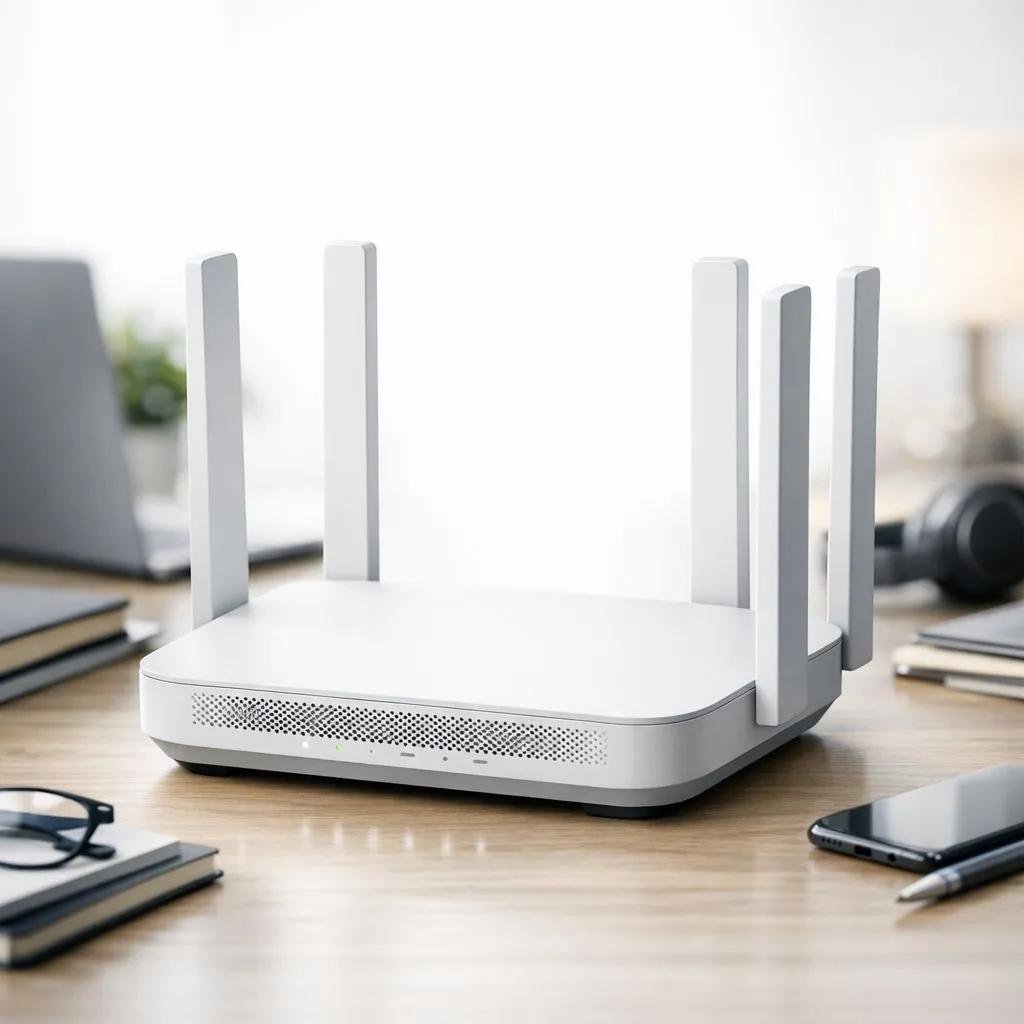
A 20 Gbps connection offers substantial capacity for downloads, uploads, video streaming and many connected devices operating simultaneously. But the internet speed delivered to a home is not the same as the speed each device receives over Wi-Fi.
Real-world performance depends on signal quality, distance from the gateway, interference, the capabilities of connected phones and computers, and the broadband connection itself.
A new Wi-Fi generation may help make better use of a high-capacity fiber connection, but it does not guarantee that an individual phone or laptop will achieve 20 Gbps over wireless.
GFiber has also said its 50 Gig service, based on 50G-PON technology, is expected to begin residential trials in spring 2027. The new gateway is designed to support that service as well.
When will customers get it?
Tom’s Hardware reports that GFiber’s 20 Gig customers will be first in line to move from their existing Wi-Fi 7 gateways to the new model once certification is complete. The 20 Gig plan costs $250 per month and is available only in select U.S. markets.
The companies have not confirmed whether existing customers will receive the upgrade at no additional charge. No broad international availability has been announced.
TheTechSpot Take
The move toward Wi-Fi 8 shows that the race for faster internet is not happening only across fiber networks. It is also taking place inside the home, where wireless hardware must distribute that capacity reliably to connected devices.
Still, this announcement represents an early step rather than proof that Wi-Fi 8 is ready for mass-market deployment. The standard remains in the ratification process, and the gateway’s practical benefits will need to be assessed through independent testing.
Consumers do not need to rush to replace Wi-Fi 6 or Wi-Fi 7 equipment solely because of this announcement. Whether an upgrade makes sense will depend on household needs, connected devices and the eventual cost of the new hardware.