Global PC shipments recorded their steepest third-quarter decline since 2012, according to Gartner. Rising memory costs and shifting investment priorities are putting pressure on computer affordability.
The PC market faces a sharp contraction
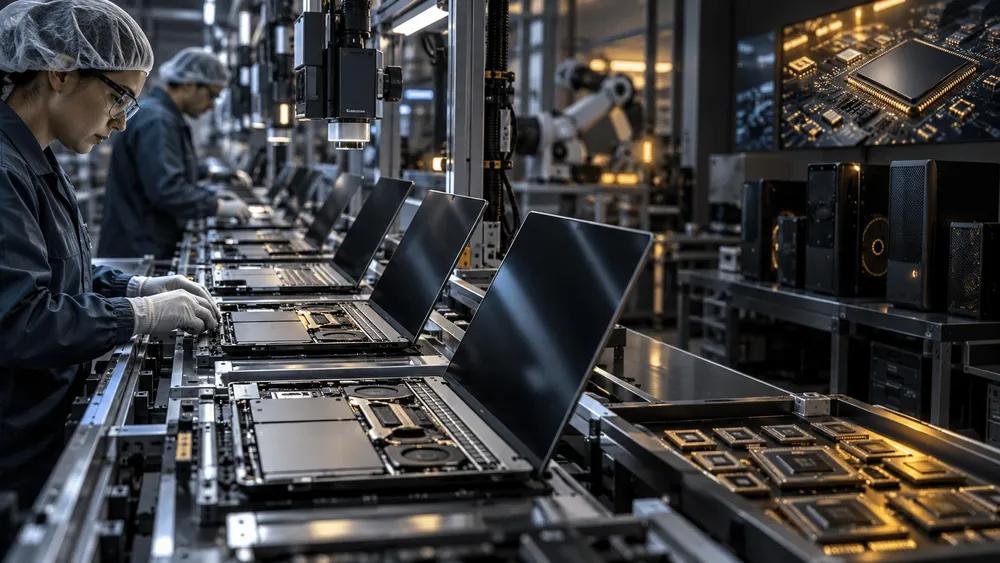
The global personal computer market is facing a difficult combination of higher component costs, less affordable devices and consumers with fewer reasons to upgrade.
According to preliminary results published by Gartner on October 12, 2026, worldwide PC shipments reached 55.4 million units in the third quarter, down 22.4% from the same period a year earlier. That was the lowest third-quarter level since 2012.
Gartner attributes much of the decline to rising memory and component costs, which manufacturers are passing on to customers through higher prices.
The figures are preliminary and measure shipments into sales channels, not necessarily the number of computers purchased by end users.
How is the AI boom affecting PC prices?
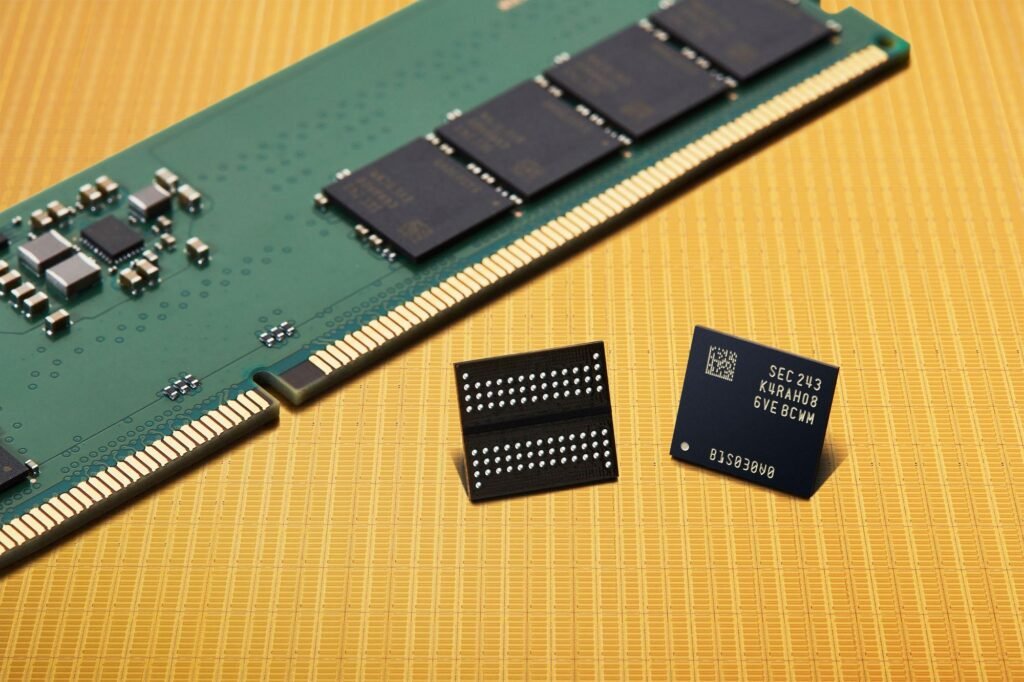
The expansion of AI data centers is increasing demand for computing resources and advanced components. At the same time, the market is facing pressure on memory supply and pricing.
Gartner reported that DRAM prices rose fivefold year over year in the second quarter of 2026. Higher component costs have affected production economics and the final prices of computers.
Manufacturers are responding by prioritizing higher-priced configurations and products that can deliver stronger margins. For consumers, that could mean fewer affordable options and a higher cost for replacing an existing device.
However, AI investment should not be treated as the sole cause of the market contraction. Consumer demand, replacement cycles and business spending decisions also influence shipments.
Which PC manufacturers were hit hardest?
According to Gartner’s preliminary estimates, all six leading PC manufacturers recorded shipment declines during the quarter.
Lenovo retained the top position, shipping approximately 15 million PCs and holding 27.1% of the market. Its shipments fell 22.4% year over year.
HP recorded the steepest decline among the six leading vendors, at 30.9%, while Dell shipments fell 25.4%. Apple was more resilient, with a 7.1% decline, increasing its market share to 10.5%.
Shipment figures do not directly measure revenue or profit. A manufacturer can sell fewer devices while maintaining or increasing revenue if average selling prices rise.
Why consumers may keep their computers longer
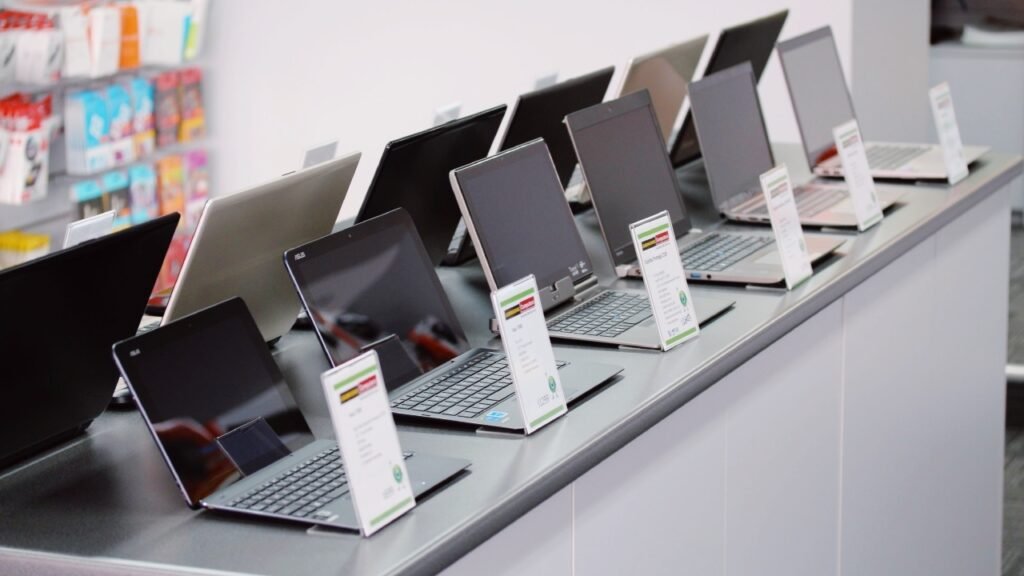
When a new computer costs substantially more than the model it replaces, upgrading becomes less attractive, especially for users with basic computing needs.
Households, students and small businesses may delay purchases or consider refurbished devices as a way to control costs.
There is a potential downside. Keeping older computers can postpone spending, but devices that no longer receive security updates may expose users and organizations to additional risks.
Businesses may also shift toward more targeted investments, upgrading high-performance workstations or AI-capable computers instead of replacing every machine across their organizations.
TheTechSpot Take
The PC market’s decline illustrates how the AI boom can affect consumers who are not directly buying AI products.
When manufacturers and suppliers prioritize components serving high-demand markets, mainstream products can become more expensive. That does not mean every dollar spent on data centers directly increases laptop prices, but supply-chain pressure is an important factor to monitor.
The industry’s challenge is to balance demand for advanced hardware with the need to keep mainstream computers affordable. If entry-level products become less viable, students, households and smaller businesses could face fewer options.
For consumers, neither buying immediately nor postponing every upgrade is automatically the right decision. The best choice depends on the condition of an existing device, whether it still receives security updates and what the user actually needs.
Over the coming months, two indicators will matter: whether component prices stabilize and whether manufacturers maintain affordable alternatives.
The bottom line: A 22.4% decline is a serious signal for the PC market. Its long-term impact will depend on component costs, consumer purchasing power and how manufacturers adjust their product ranges.
Primary source: Gartner, October 12, 2026. Figures are preliminary estimates of worldwide PC shipments.