

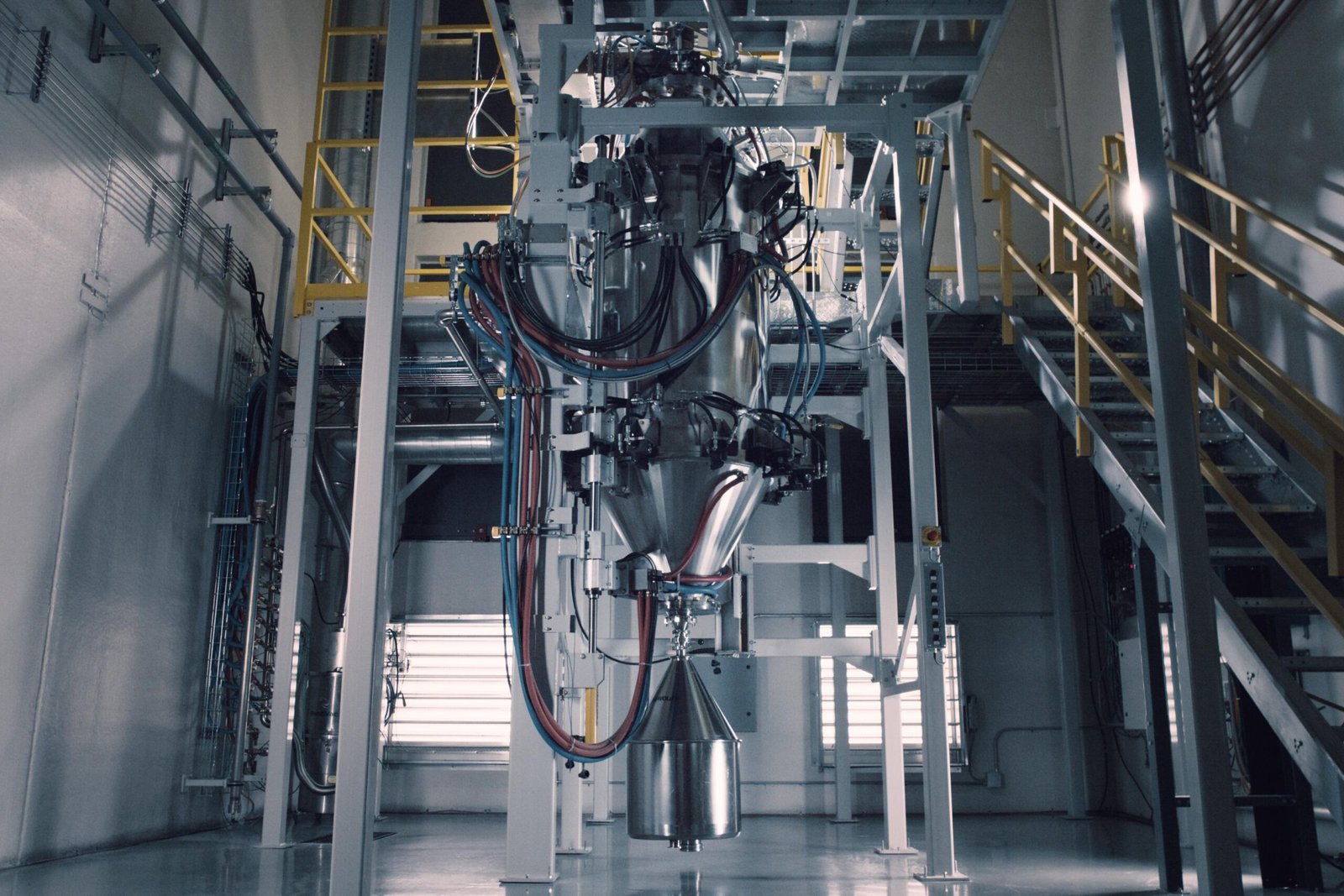
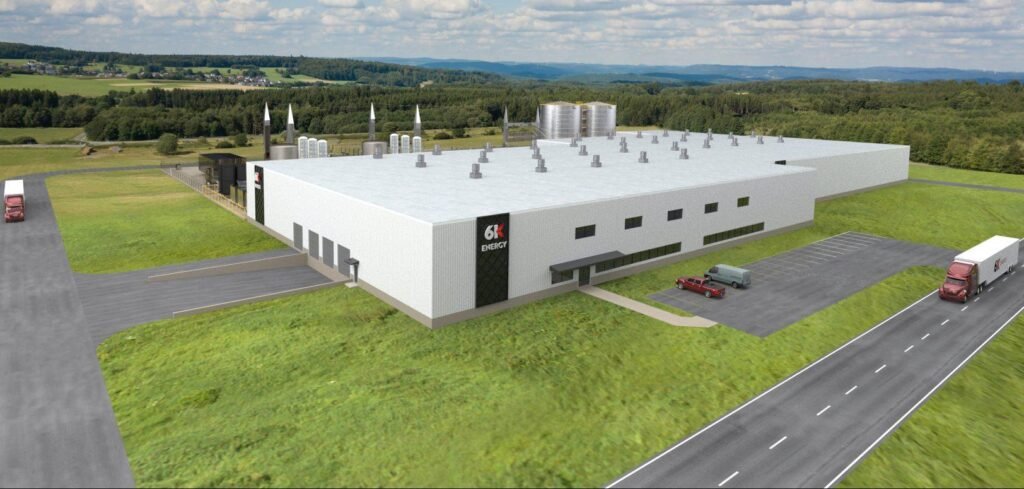
US battery materials company 6K has received a conditional loan commitment of up to $250 million from the Department of War to support the construction and development of a manufacturing facility in Jackson, Tennessee.
Announced on November 5, the commitment is intended to expand domestic production of cathode active materials, a critical component in lithium-ion batteries used in electric vehicles, energy storage, drones, robotics and defence systems.
The project reflects growing US efforts to reduce dependence on overseas suppliers for strategically important battery materials.
Microwave plasma technology at the centre
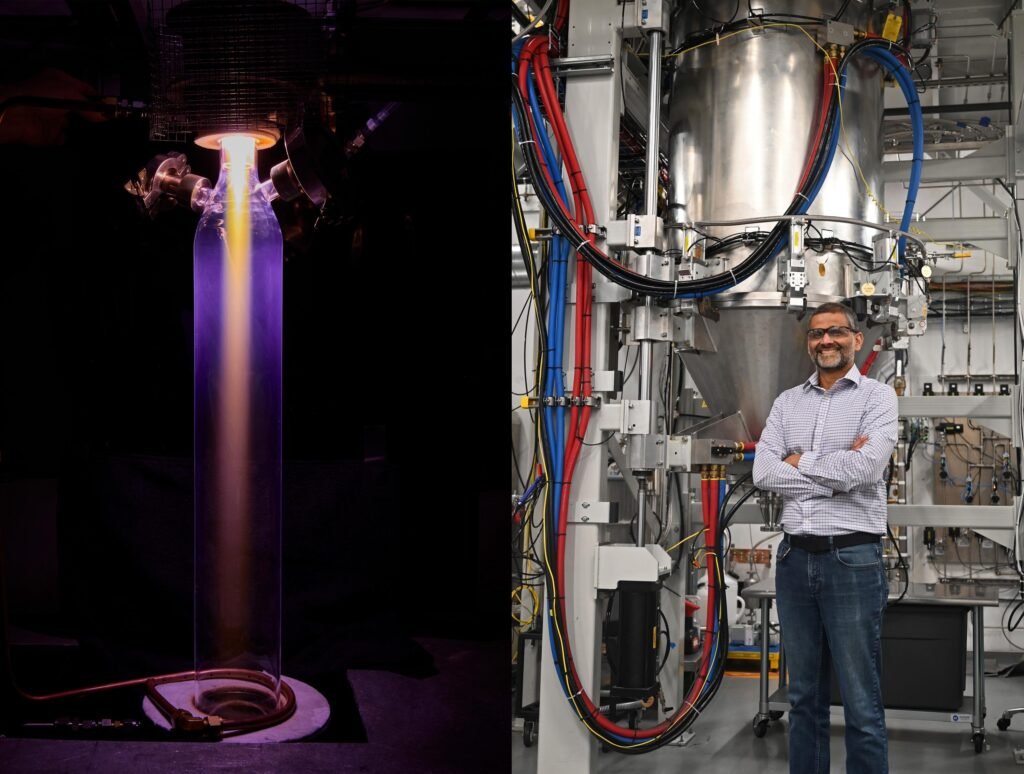
6K plans to use its proprietary UniMelt microwave-plasma process to manufacture metal-oxide cathode materials.
The company’s technology uses microwave energy to create plasma conditions that transform metal-based feedstocks into battery materials. 6K says its process can reduce manufacturing steps, limit waste and lessen dependence on conventional precursor supply chains.
The planned PlusCAM facility is designed to produce cathode materials at commercial scale. The company says the process can support different battery chemistries, including lithium iron phosphate.
These are company claims about the technology’s performance and potential. The scale, economics and long-term commercial competitiveness of the new facility will depend on production results and customer demand.
Why the US is investing in battery supply chains
Cathode materials are among the most strategically important parts of a lithium-ion battery. Their chemistry affects energy density, performance, cost and durability.
A concentrated supply chain creates risks for manufacturers when trade restrictions, geopolitical tensions or logistics disruptions affect access to materials.
The proposed Tennessee factory is intended to add US production capacity and support industries that increasingly depend on advanced batteries, including defence, mobility and grid-scale energy storage.
According to 6K, the facility is expected to support more than 200 jobs.
The financing is not yet final
The $250 million commitment is conditional. Before funds can be disbursed, the project must satisfy financial, legal, technical and regulatory requirements, including due diligence and relevant government authorisations.
The announcement therefore represents a significant financing milestone, but it does not mean the full amount has already been transferred or that the factory is operating at its planned capacity.
What happens next?
The next milestones include completion of the government’s due diligence process, fulfilment of the financing conditions, construction progress and eventual commercial production.
Investors and battery manufacturers will be watching whether the technology can deliver consistent quality and competitive costs at industrial scale.
TheTechSpot Take
Battery supply-chain security is becoming an industrial strategy issue, not simply an electric-vehicle concern. The same materials increasingly support defence systems, robotics, energy storage and other advanced technologies.
6K’s project is notable because it combines public financing with a manufacturing process designed to simplify cathode production. But the real test will be execution: commercial-scale output, reliable quality, competitive pricing and customers willing to commit to long-term supply agreements.
A conditional loan is an important first step. It is not yet proof that a new manufacturing model has won the market.


