

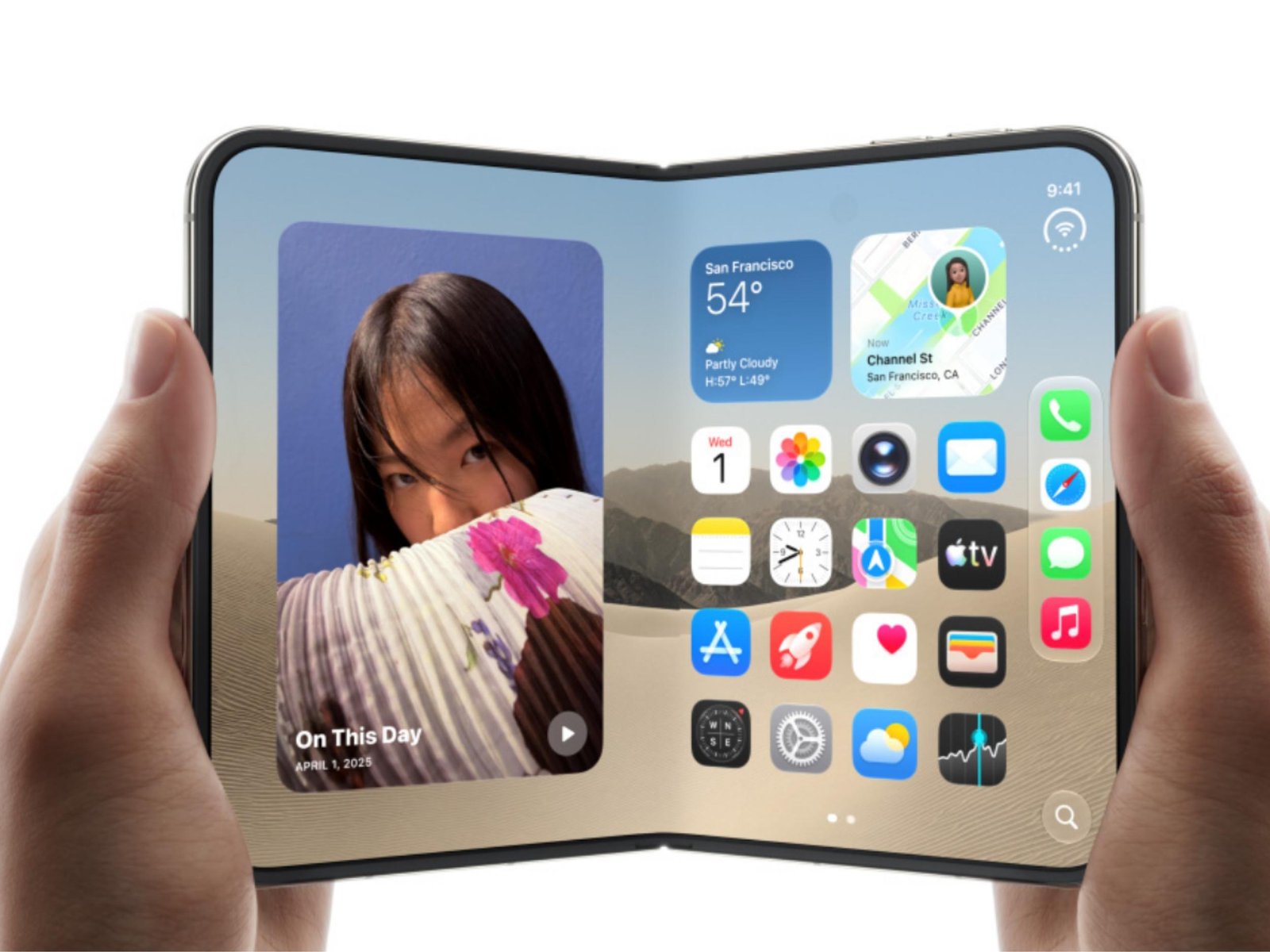
November 7, 2026 — Apple says more than 100,000 applications have been optimized for its new foldable iPhone Duo, marking a rapid expansion of the device’s software ecosystem just two weeks after the phone went on sale.
The company announced the milestone on November 6, saying thousands of additional optimized apps are being added to the App Store each day.
The update addresses one of the biggest questions surrounding Apple’s move into foldable smartphones: whether developers would adapt their applications quickly enough to make the larger display genuinely useful.
A growing library of foldable-ready apps
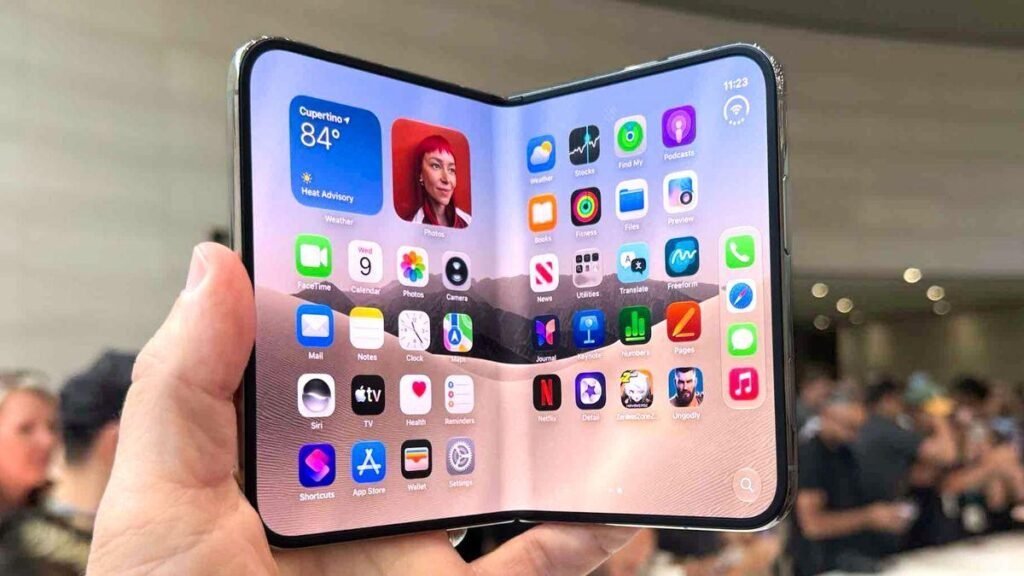
Apple says the optimized apps include software from Microsoft, Zoom, Netflix, WhatsApp, YouTube, Instagram and other major developers.
Newly highlighted additions include Microsoft Word, Outlook, Excel and PowerPoint, alongside productivity, shopping, sports and creative applications.
The company has also introduced a “Made for iPhone Duo” label to help users identify apps designed for the device.
The figure of 100,000 refers to applications built with the relevant iOS 27.1 SDK or later, according to MacRumors’ explanation of Apple’s announcement. It should not be interpreted as meaning that every app in the App Store has been redesigned for the foldable screen.
Why optimization matters
Foldable phones create a different design challenge from conventional smartphones.
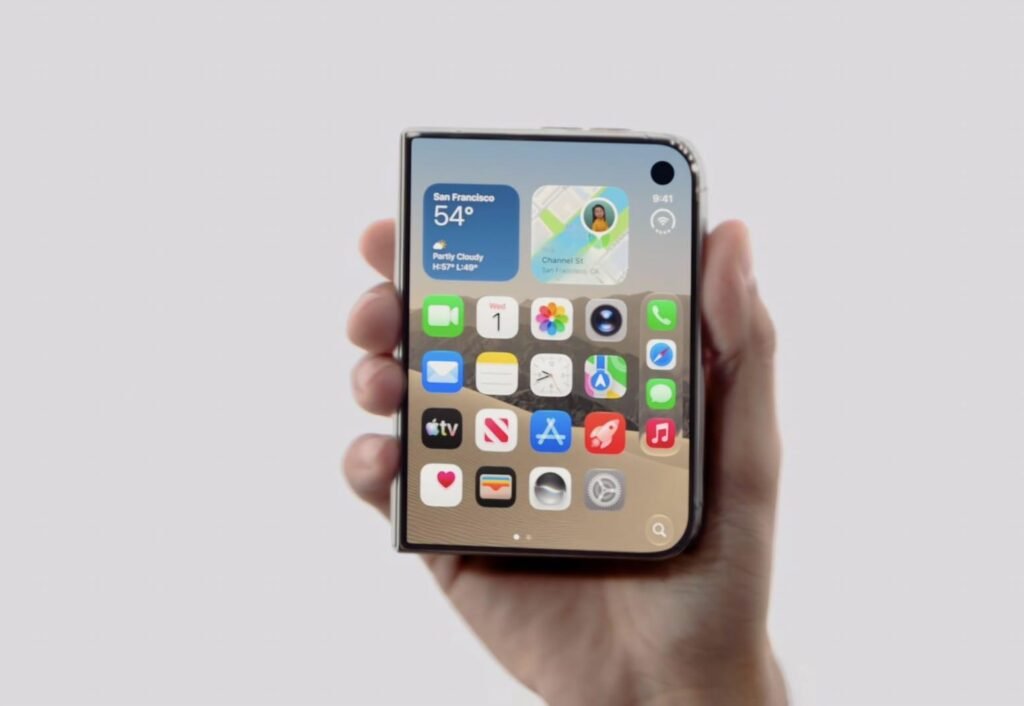
An application must work across the smaller outer display and the larger inner screen, while adapting to changes in orientation, layout and multitasking.
Apple’s iPhone Duo supports features such as Split View, allowing users to place two applications side by side. That can make the device more useful for working with documents, attending video calls, browsing and comparing information.
Apps that have not been properly adapted may display empty space or less efficient layouts. TechCrunch also noted that some announced updates were not yet fully available on its review device.
Developers still have work to do
The growth in optimized apps is significant, but it does not mean the compatibility challenge is over.
MacRumors identified a number of popular applications that were still not optimized for the device, including several services in shopping, transport, productivity and payments.
This distinction matters because users judge a new form factor by the everyday applications they rely on, not simply by the total number of apps carrying a compatibility label.
What happens next?
Apple is expected to continue encouraging developers through software tools, documentation and in-person workshops.
The next test will be whether the growing application library translates into better everyday experiences and whether developers maintain support as the device and operating system evolve.
TheTechSpot Take

For a foldable phone, hardware innovation is only half the product. The other half is software that understands the screen can change shape and size.
More than 100,000 optimized apps is an encouraging early milestone, but the headline number should not hide the remaining gaps. The real measure of success will be whether the applications people use every day feel natural on the larger display.
Apple’s challenge is no longer just convincing customers that a foldable iPhone is useful. It must make sure developers keep making it useful.


