

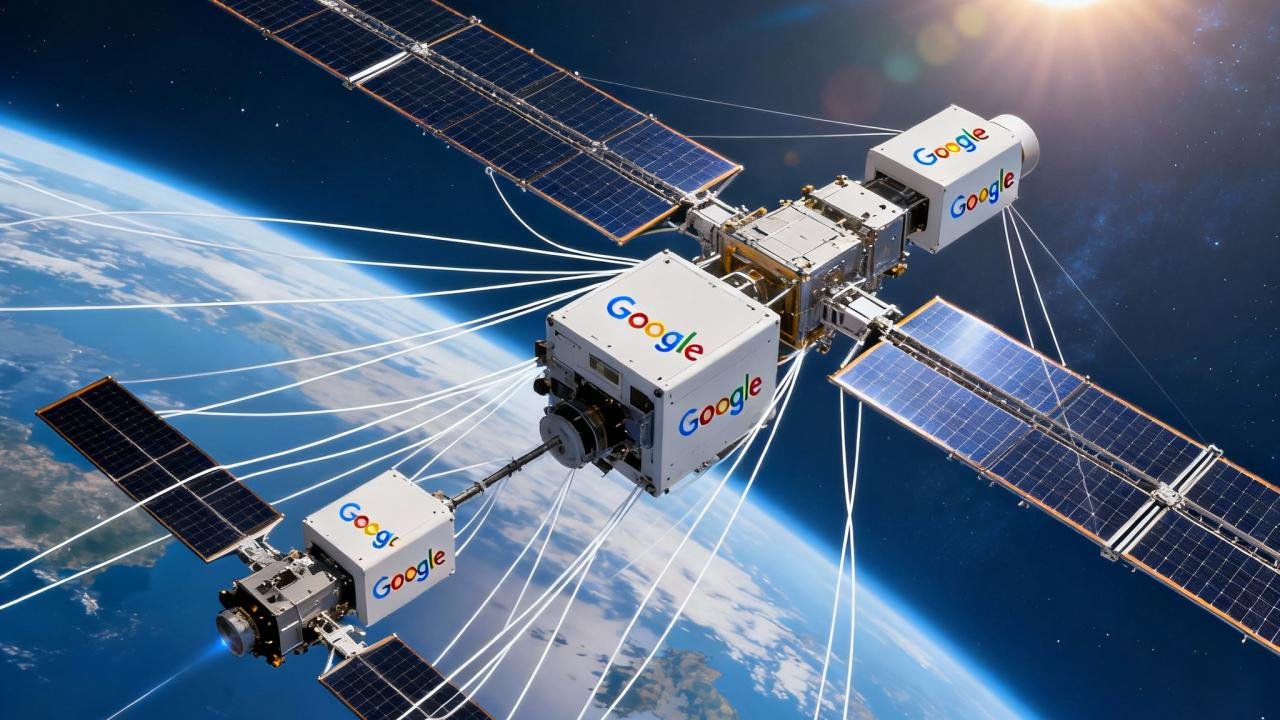
Google is exploring the possibility of running AI computing infrastructure in orbit, but one of the company’s top energy executives says space-based data centers could cost up to 100 times more than facilities built on Earth.
The idea of moving artificial intelligence data centers into space has attracted growing attention from technology companies seeking new ways to meet the enormous computing and energy demands of AI.
However, Google’s global head of data center energy, Amanda Peterson Corio, has offered a reality check on the economics of the concept.
Speaking at The Information’s WTF Summit in Napa Valley, Corio said that building and operating data centers in space could cost as much as 100 times more than comparable facilities on Earth.
Her comments, reported by TechRadar on November 8, highlight the financial and engineering challenges facing companies that want to move large-scale computing infrastructure beyond the planet.
Why are technology companies looking at space?
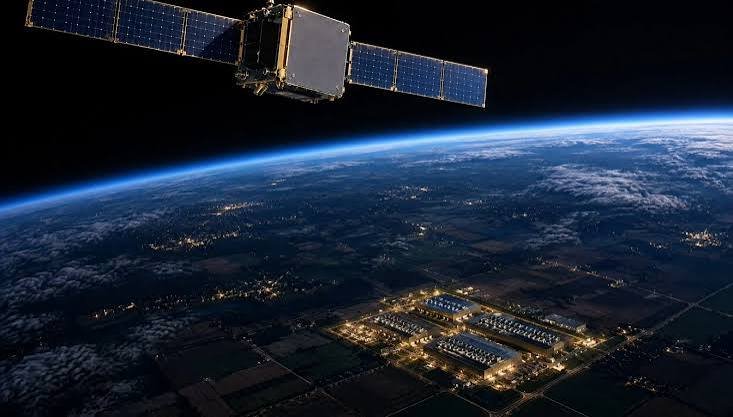
Artificial intelligence requires increasingly powerful computing infrastructure.
Large data centers need enormous amounts of electricity, cooling systems, networking equipment and physical space. At the same time, obtaining permits and connecting new facilities to electricity grids can take years.
Some technology companies believe that space could eventually offer an alternative.
In orbit, satellites could potentially use solar energy continuously during suitable orbital periods, while avoiding some of the land-use and local permitting challenges associated with terrestrial data centers.
The concept is particularly attractive to companies developing increasingly powerful AI systems that need access to additional computing capacity.
But the technology remains far from being ready to replace conventional data centers.
Google’s Project Suncatcher
Google is already investigating the concept through Project Suncatcher, an experimental initiative designed to explore the possibility of running AI hardware in space.
The project involves testing Google’s Tensor Processing Units (TPUs) aboard satellites.
The first prototype, developed with satellite company Planet, launched in October 2026.
Google has demonstrated that an AI model can run on an orbiting TPU and produce a response that is transmitted back to Earth.
The experiment represents an important technical milestone, but it should not be confused with a commercially operational space data center.
The prototype has limited computing capacity and power availability compared with the enormous facilities used by major AI companies.
The biggest challenge is cost
Although space offers interesting possibilities, launching hardware into orbit remains extremely expensive.
Every component must be designed to withstand launch conditions, radiation, temperature variations and the limitations of operating equipment far from Earth.
Maintenance also presents a major challenge. A conventional data center can be repaired or upgraded by technicians, while replacing damaged hardware in orbit is considerably more complicated.
According to Corio, the potential cost difference could reach a factor of 100 compared with terrestrial infrastructure.
That estimate is an executive’s assessment rather than a verified cost calculation for a commercial space data center. Actual costs would depend on launch prices, satellite lifetimes, power systems, cooling, maintenance and the scale of the infrastructure.
Earth still has one major advantage
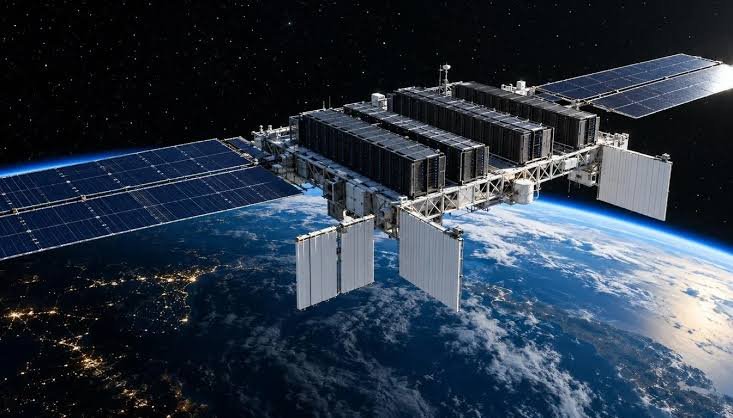
Despite the growing interest in orbital computing, Google believes that companies should continue exploring solutions on Earth before committing to expensive space-based alternatives.
Corio has pointed to permitting and infrastructure development as major obstacles for terrestrial data centers.
In many locations, the challenge is not simply whether electricity exists, but whether companies can obtain approval and connect new facilities to the power grid quickly enough.
This suggests that the immediate future of AI infrastructure will continue to depend heavily on conventional data centers, electricity networks and improvements in energy efficiency.
Could space data centers become a reality?
The technology is still at an experimental stage, and major economic and engineering questions remain unanswered.
Nevertheless, Google’s work demonstrates that the industry is beginning to test ideas that once belonged primarily to science fiction.
For now, space-based AI infrastructure is unlikely to replace traditional data centers in the near future.
The more realistic possibility is that companies will continue conducting small-scale orbital experiments while improving the cost and reliability of terrestrial computing.
The central question is no longer simply whether AI hardware can operate in space. It is whether doing so can eventually become economically practical.


