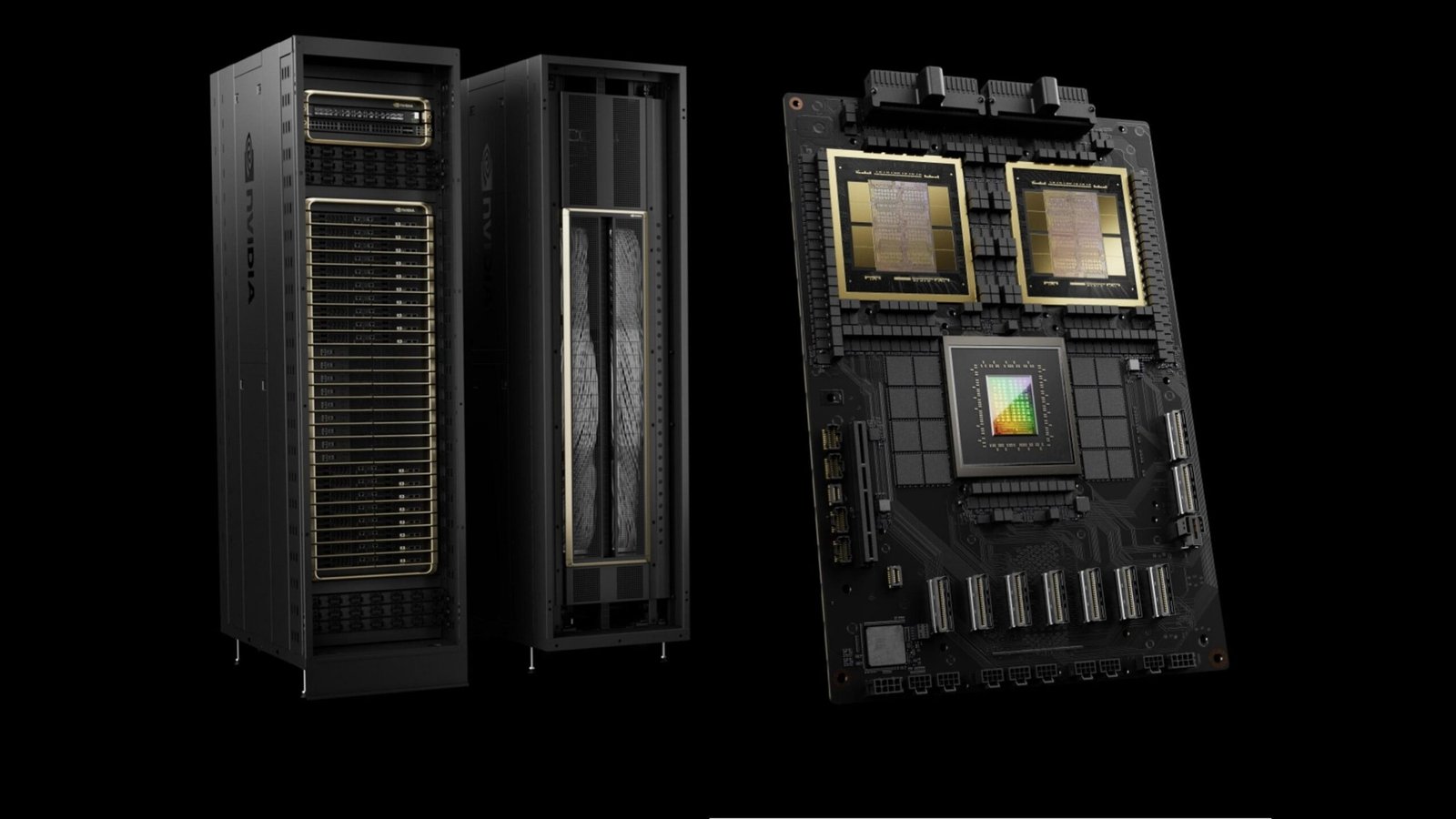
Nvidia has delivered another powerful signal that the artificial intelligence boom is far from over.
The chipmaker reported $96.2 billion in revenue for its fiscal second quarter, representing a 106% increase from the same period a year earlier. Data Center revenue was even more impressive, reaching $89 billion, up 117% year over year. Nvidia also forecast approximately $108 billion in revenue for its next quarter, exceeding Wall Street expectations.
The numbers are significant not simply because Nvidia is growing rapidly, but because they reveal how aggressively companies around the world are continuing to invest in artificial intelligence infrastructure. And there may be an even bigger signal hidden inside the earnings announcement.
Amazon Web Services and Nvidia announced plans to deploy 2 million additional Nvidia GPUs across AWS infrastructure during 2027 and 2028, expanding a partnership that has already grown dramatically because of surging demand for AI computing.
For the technology industry, the message is difficult to ignore: the AI infrastructure race is accelerating.
AI Infrastructure Is Becoming the Real Battleground
For years, artificial intelligence was primarily discussed as a software revolution.
That has changed.
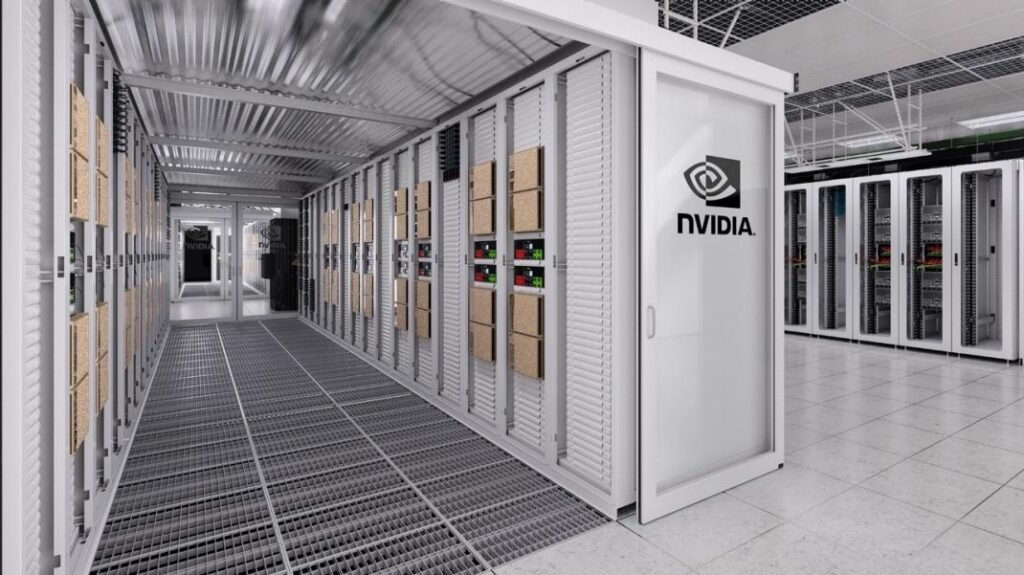
The companies building today’s most advanced AI systems need enormous amounts of computing power to train models, run inference, process data and support increasingly sophisticated applications.
Generative AI has also evolved beyond traditional chatbots. Companies are now developing AI agents, autonomous systems, robotics platforms and physical AI applications, all of which require significant computing resources.
Nvidia’s latest results demonstrate just how much money is flowing into that infrastructure.
The company’s Data Center business alone generated $89 billion during the quarter, more than doubling from the previous year. Nvidia says demand is coming from frontier AI laboratories, startups, enterprises, governments and other organizations scaling AI workloads.
This makes Nvidia more than a chip company.
Its GPUs, networking technologies, CPUs and software ecosystem are becoming part of the infrastructure layer supporting the broader AI economy.
Amazon Orders 2 Million More Nvidia GPUs
Perhaps the most eye-catching development is Nvidia’s expanded partnership with Amazon Web Services.
AWS and Nvidia plan to deploy 2 million additional Nvidia GPUs across AWS’s global infrastructure between 2027 and 2028. The deployment will include Nvidia’s Blackwell Ultra, Rubin and Rubin Ultra platforms.
The scale of the agreement is remarkable.
Just five months earlier, Amazon had announced plans to deploy more than one million Nvidia GPUs across AWS infrastructure. Nvidia said demand has since exceeded those expectations, leading to the additional deployment.
The partnership also goes far beyond GPUs.
Amazon and Nvidia are expanding their cooperation across CPUs, networking, open AI models, data processing and robotics. Nvidia’s Vera CPU technology will be brought to AWS, while Nvidia’s physical AI technologies will support Amazon Robotics.
That broader relationship is important because it demonstrates where Nvidia wants to compete next.
The company is attempting to provide an entire AI computing platform rather than simply selling accelerators.
Nvidia Expects AI Growth to Continue
Nvidia’s outlook may be even more important than its latest results.
The company expects revenue to reach approximately $108 billion in the next quarter, while management has indicated that revenue could grow by around 70% in fiscal 2028. That is an extraordinary projection for a company that has already reached a massive scale.
It suggests Nvidia believes AI infrastructure spending will remain strong for years rather than months. Nvidia CEO Jensen Huang has argued that AI has reached an important inflection point because AI systems are increasingly performing useful work and generating economic value. The company says the infrastructure buildout is continuing at full speed as more AI laboratories and startups scale their operations.
The next stage of the AI industry could therefore be much larger than the first. Instead of a small number of companies training massive models, Nvidia expects an expanding ecosystem of AI companies, enterprises, governments and robotics developers to require computing capacity.
The Competition Is Getting More Serious
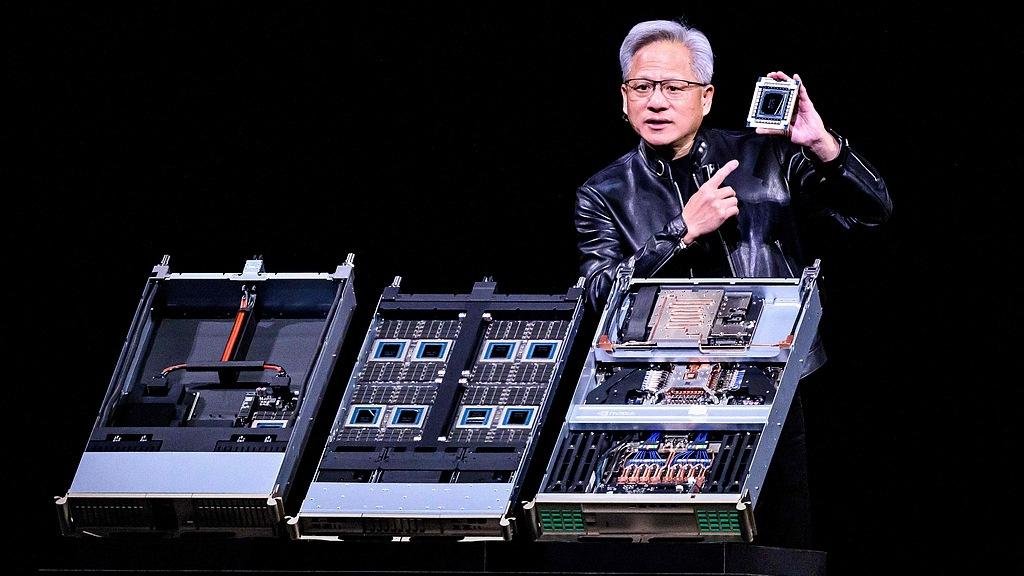
Nvidia’s dominance does not mean it has the market to itself.
Amazon, Google, Microsoft and other major technology companies are investing heavily in custom silicon designed to reduce their dependence on Nvidia.
Amazon, for example, continues to develop its own AI accelerators while simultaneously expanding its relationship with Nvidia. That may look contradictory, but it reflects the complexity of the AI hardware market.
Cloud providers want multiple options.
They need Nvidia’s performance and software ecosystem, but they also want their own chips to optimize certain workloads and potentially reduce costs. For Nvidia, maintaining its position will therefore require more than building faster GPUs.
Its software ecosystem, networking technology, CPUs, AI platforms and relationships with cloud providers will become increasingly important.
The Cost of the AI Revolution
There is another side to Nvidia’s impressive results.
Building AI infrastructure is extremely expensive.
The industry requires GPUs, advanced memory, networking equipment, data centers and enormous amounts of electricity. Nvidia has also warned that rising memory and component costs could put pressure on gross margins.
That creates a major question for the technology industry. How long can companies continue spending at this level? The answer will ultimately depend on whether AI systems generate enough economic value to justify the infrastructure investment.
For now, companies appear willing to keep spending.
The continued expansion of AWS infrastructure, growing demand from AI laboratories and Nvidia’s extraordinary revenue forecast all point in the same direction.
What Nvidia’s Numbers Really Mean
Nvidia’s latest earnings are much more than another strong quarterly report.
They provide a snapshot of where the global AI industry is heading.
The industry is moving from experimentation toward large-scale deployment. Companies are no longer simply testing AI in small pilot projects. They are building infrastructure designed to support AI agents, enterprise automation, scientific research and physical robotics at massive scale.
The Amazon agreement is perhaps the clearest example of that transition.
Two million additional GPUs represent an enormous commitment to future AI computing capacity.
At the same time, Nvidia’s forecast suggests the company expects demand to remain strong well beyond the current AI hype cycle.
There are still risks. Competition is increasing, hardware costs are rising and investors will eventually demand evidence that AI spending produces sustainable economic returns.
But for now, the signal from Nvidia is unmistakable.
The AI infrastructure boom is not slowing down. It is getting bigger.
🔥 THE TECHSPO ANGLE
This isn’t really a story about Nvidia selling more GPUs. It’s a story about AI moving from an experimental technology into permanent global infrastructure.
That is the angle I would emphasize on TheTechSpo because it makes the article more interesting than simply repeating Nvidia’s earnings numbers.