

Instagram will use AI-powered age estimation to identify teenagers who registered with adult birth dates and automatically place suspected accounts into its more restrictive Teen Account experience
Meta is expanding its AI-powered age-estimation technology globally on Instagram, aiming to identify more teenage users who may have entered an incorrect adult birth date when creating their accounts.
Announced on 9 November, the expansion is intended to bring millions more teenagers into Instagram’s Teen Account protections, even when their registered birth dates suggest they are adults.
The move represents a significant expansion of automated age assessment on one of the world’s largest social platforms. It also raises questions about how platforms should balance child protection, privacy and the possibility of incorrect age estimates. Facebook+1
How Meta’s age-estimation technology works
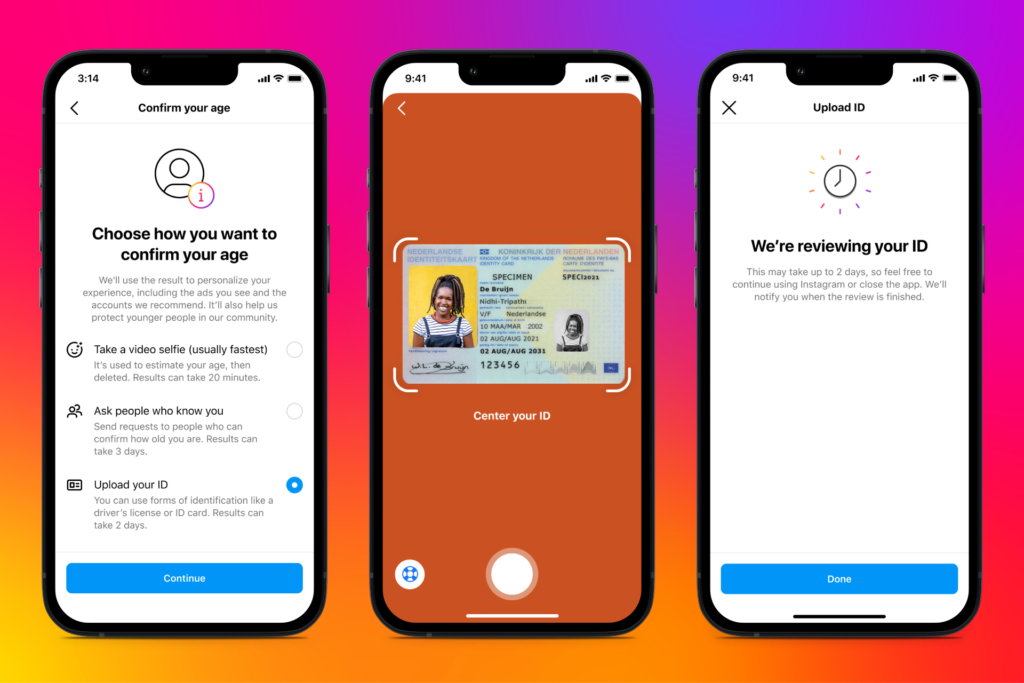
Instagram Teen Account safety settings displayed on a smartphone, illustrating Meta's global AI age-estimation expansion.Meta says its systems look for signals that suggest an account belongs to a teenager, rather than relying exclusively on the birthday entered during registration.
The company has previously described using AI to analyse contextual information across profiles, including posts, comments, biographies and captions.
Its broader age-assurance programme also includes visual analysis and other methods for identifying potentially underage accounts. Meta clarified in an earlier update that its visual-analysis technology is not facial recognition and does not identify specific individuals in photographs. Facebook
The distinction between age estimation and identity verification is important.
The technology is designed to infer an approximate age category from available signals. It does not necessarily establish a person’s exact date of birth.
What happens when an account is identified as belonging to a teenager?
Instagram’s Teen Account experience includes several built-in restrictions.
These include:
- Private account settings by default.
- Restrictions on who can contact teenagers.
- Limits on exposure to certain types of content.
- Additional protections around unwanted interactions.
- Time-management and parental supervision features.
Meta says the global expansion will place more suspected teenagers into these protections even if they previously registered using an adult birthday.
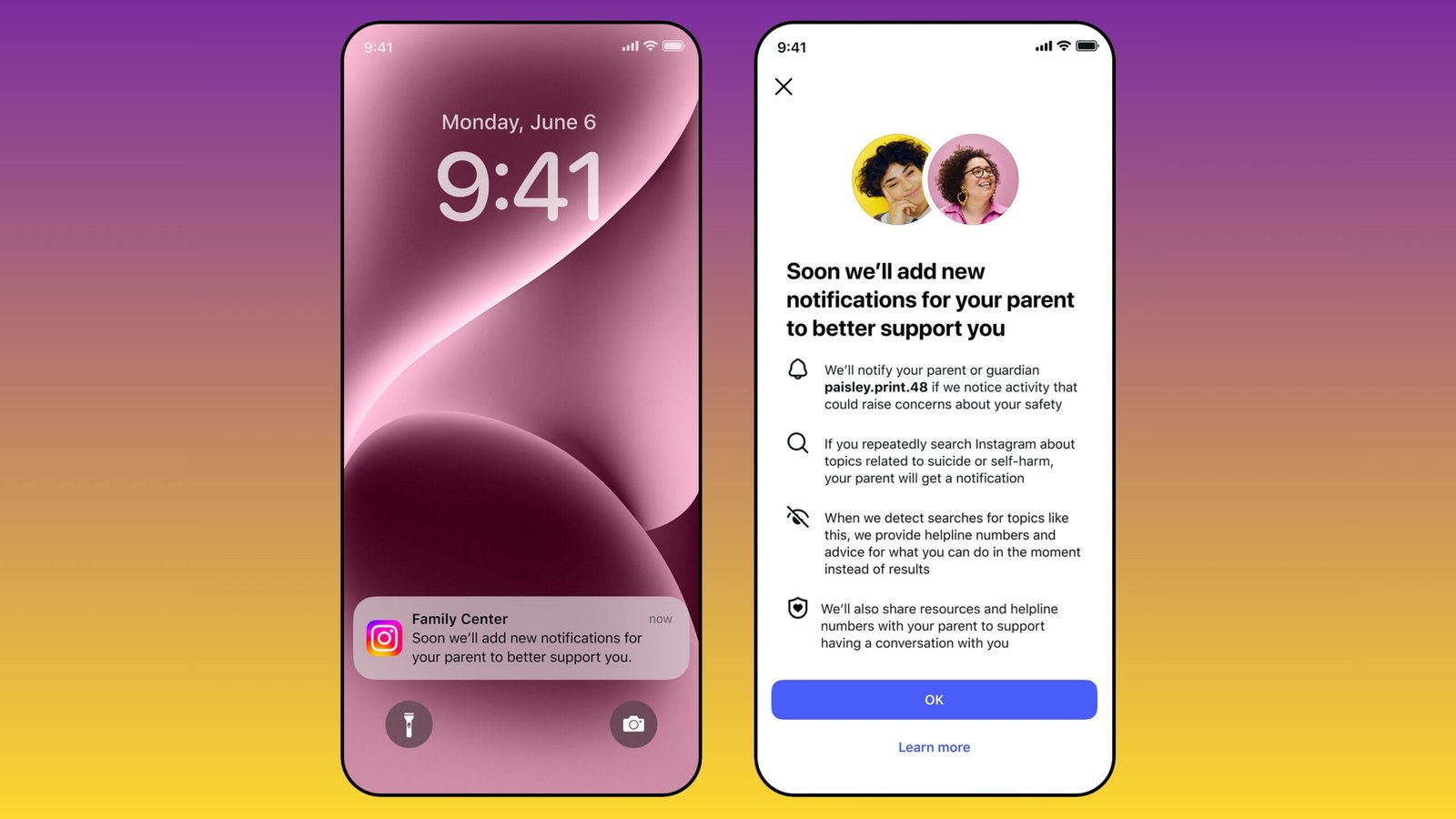
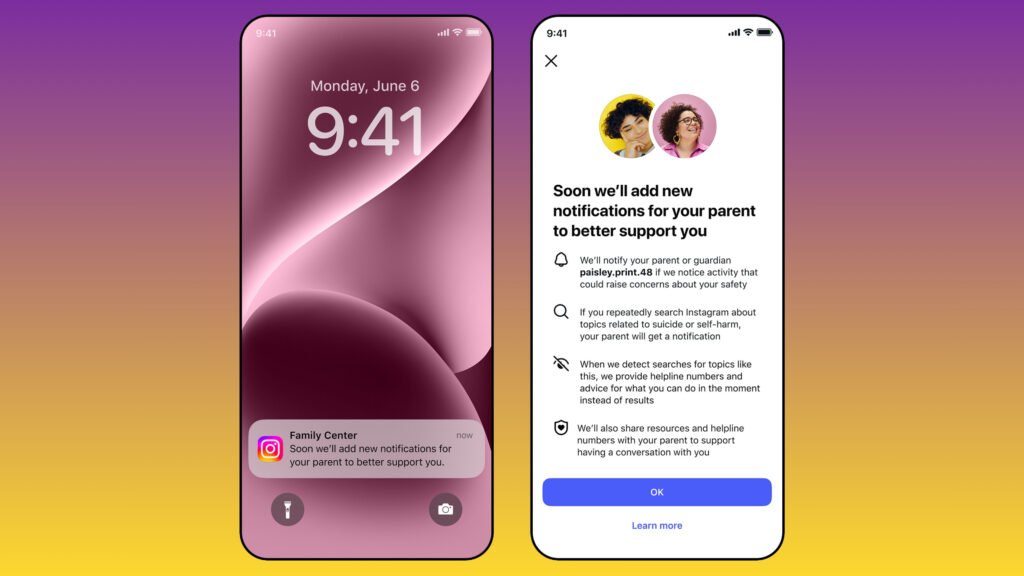
Parents in the United States are also expected to receive notifications explaining how the technology works and how they can help correct inaccurate age information. Facebook+1
Apple’s age-range signal enters the picture
One particularly interesting development concerns Australia.
Meta says it has begun using Apple’s age-range signal as an additional source of information when determining whether an Instagram user falls within a particular age category.
The system allows an app store to provide an age range associated with a device user, subject to the relevant sharing and consent arrangements.
Meta argues that a consistent age signal supplied through app stores could reduce the need for every individual application to collect and verify age information independently.
However, the company acknowledges that the current system remains optional for app stores and developers. This means age-related protections may still differ between services. Facebook+1
Why the announcement matters

Age assurance has become one of the most difficult regulatory and technical issues facing social media companies.
Platforms must identify younger users without unnecessarily collecting sensitive information or imposing excessive verification requirements on adults.
Meta’s approach attempts to solve part of this problem through automated estimation.
But it creates another challenge: what happens when the system gets someone’s age wrong?
An adult incorrectly classified as a teenager could face restrictions on their account. A teenager who is not identified could continue using an experience intended for adults.
The accuracy of the technology, the transparency of decisions and the availability of appeals will therefore be important factors in evaluating the system.
The announcement also comes as Meta faces legal and regulatory pressure over the safety of younger users. Reuters reported that the expansion follows settlements and continuing litigation concerning alleged harm to teenagers using the company’s platforms. Reuters
What happens next?
Meta says it will continue expanding age-estimation technology on Facebook and plans to introduce similar technology globally on Threads later in 2026.
The company also intends to strengthen systems for identifying accounts potentially belonging to children under 13.
The next important questions will concern accuracy, false positives, transparency and how users can challenge an incorrect classification.
Independent assessments of the technology’s effectiveness and error rates would provide a more complete picture than company announcements alone.
TheTechSpot Take
Meta’s announcement highlights a fundamental change in how social platforms manage age-related safety.
Instead of relying entirely on information entered during registration, platforms increasingly want to infer users’ ages from behavioural and contextual signals.
This may improve protection for teenagers who misrepresent their age, but it also creates significant privacy and accountability questions.
The most important issue is not simply whether AI can estimate someone’s age. It is whether the platform can explain its decisions, minimise unnecessary data collection and provide a reliable appeals process when the system is wrong.
Age estimation can become a useful safety tool, but it should not become an opaque substitute for transparent and proportionate age-assurance policies.


