

After a wave of cyber incidents affected businesses and government agencies, Japan is strengthening its digital defences with specialist response teams, artificial intelligence tools and closer public-private cooperation.
Japan has announced an emergency cybersecurity package worth approximately 10 billion yen, or $63 million, as the government responds to a series of cyber incidents affecting companies and public institutions.
The package was discussed and approved at a ministerial cybersecurity meeting on November 6. Prime Minister Sanae Takaichi said the measures are intended to improve the country’s ability to prevent attacks, identify threats, respond to incidents and support organisations that have been targeted.
The government has identified four main priorities: improving basic cybersecurity practices with the help of AI, strengthening information collection and analysis, coordinating responses to cyberattacks more strategically, and expanding assistance for victims.
A specialist team designed to fight back

One of the most notable elements is a specialist team planned by Japan’s Ministry of Economy, Trade and Industry. The government says it will be established by the end of November and will use AI to help identify weaknesses in networks and counter cyber threats.
The initiative is expected to involve cooperation with technology companies and AI developers in partner countries.
Japan also plans to establish a cyber-rescue team bringing together public- and private-sector specialists. Its role will be to provide initial support to organisations affected by attacks, while another group will help vulnerable businesses improve their security.
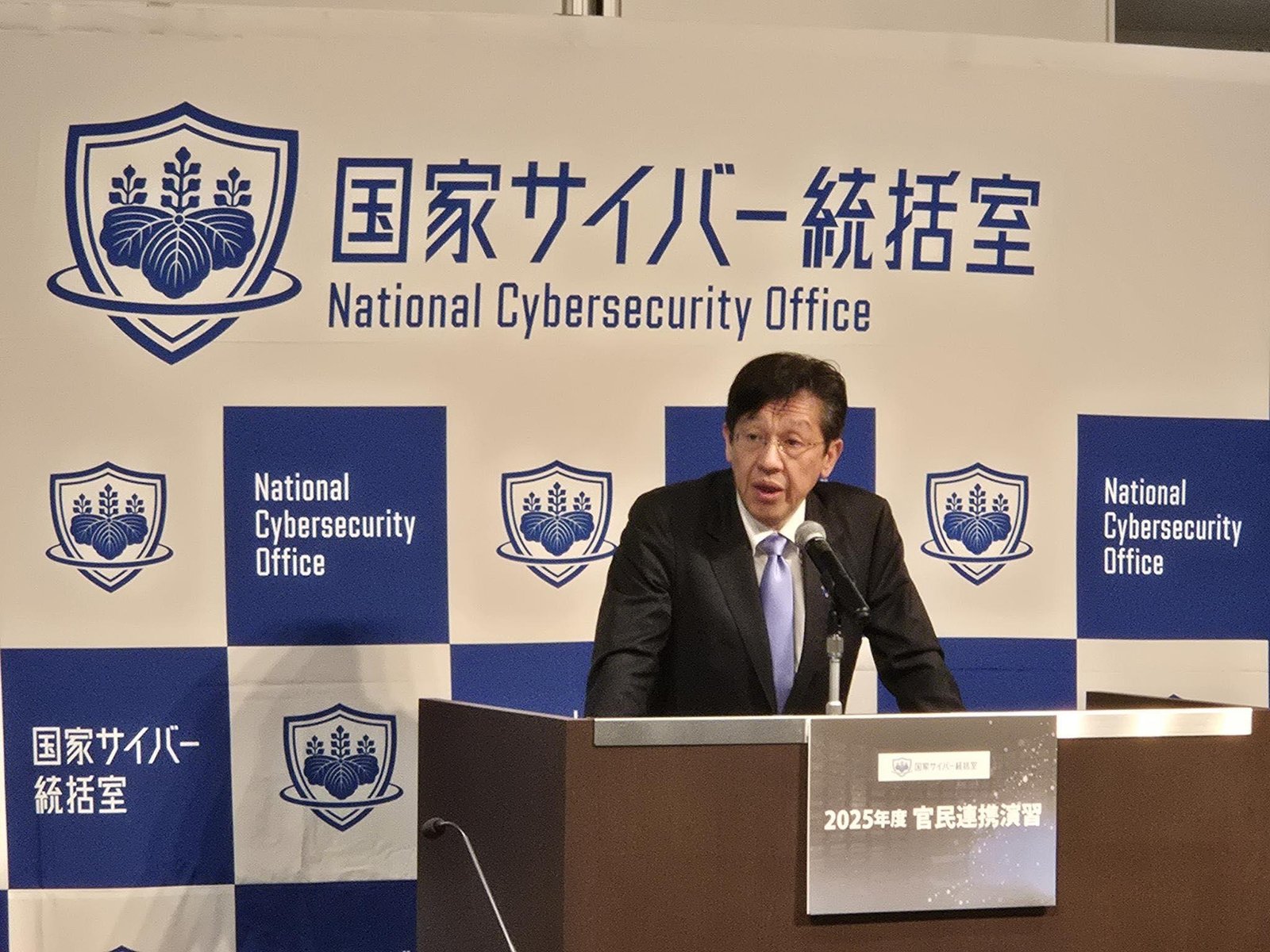
For national-security-related incidents, officials from the Defence Ministry, National Police Agency and National Cybersecurity Office are expected to work together through a dedicated support structure.
More than prevention: faster recovery

The package reflects a growing recognition that cybersecurity is not only about stopping intrusions. Organisations also need to restore services, contain damage and protect customers after an incident.
Recent attacks have demonstrated how digital compromises can affect everyday operations. A breach can expose customer information, interrupt services and create financial losses well beyond the organisation’s IT department.
Japan’s response therefore places emphasis on information sharing, rapid assistance and recovery capabilities, alongside the use of AI to detect weaknesses and support defensive operations.
The powers question
The new package also comes after Japan’s active cyber defence framework was legalised in October. The government says the framework expands its ability to respond to serious threats, including access to servers used by attackers in certain circumstances.
That raises an important question for democratic oversight: how can authorities improve their ability to disrupt cyber operations while ensuring that expanded powers remain proportionate, legally controlled and transparent?
The government has also directed officials to examine possible amendments to the Cyber Response Capability Enhancement Act, with the aim of improving intelligence gathering on attacks targeting Japan.
What happens next?
The immediate milestone is the planned creation of the specialist AI-focused team by the end of November. Ministries must also work out the funding and implementation arrangements for the wider package.
The 10 billion yen allocation is described as an initial emergency reserve. Japan’s prime minister said further financial measures may be needed to implement the full package.
The effectiveness of the plan will depend on whether the new teams can help organisations detect threats earlier, reduce disruption and recover faster — not simply on how many tools or specialists the government announces.
TheTechSpot Take
Japan’s announcement reflects a broader shift in cybersecurity: governments increasingly see digital attacks as a risk to economic continuity and national resilience, not just an IT problem.
AI can help defenders analyse large volumes of security data and identify vulnerabilities faster. But the same technology can also help attackers scale reconnaissance and exploit development. The advantage will go to organisations that combine automated tools with skilled teams, reliable incident response and clear accountability.
The key test for Japan will be execution. A new cyber unit and a funding package are useful starting points, but the real measure will be whether they make critical services and businesses harder to disrupt — while keeping expanded state powers under meaningful oversight.


