


A power-related incident in Google Cloud’s London region disrupted several financial and public services. Google says services recovered, while regulators are examining the risks associated with reliance on major cloud providers.
An outage affecting Google Cloud infrastructure in London disrupted a range of services in the United Kingdom on October 20, 2026, including banking platforms, websites and public services.
According to Reuters, Google said its engineering teams had restored service availability after an incident the company described as a “power event” in its europe-west2 cloud region, which includes infrastructure in London. Google Cloud’s official status dashboard recorded an incident affecting multiple services in that region.
The event illustrates how a problem within one part of a cloud platform can spread to many organizations that depend on the same infrastructure. However, this was not a global outage affecting every Google Cloud service. The reported disruption was primarily associated with the europe-west2 region and services dependent on it.
Which services were affected?

Reuters reported that users in the UK experienced problems with services associated with Lloyds and HSBC, digital bank Revolut, property website Rightmove, delivery company DPD, Royal Mail and NHS England.
The impact varied by organization. Revolut reported issues affecting multiple services, including card payments and ATM withdrawals. The company said customers’ money and data remained safe. Lloyds said the underlying problems had been resolved and expected services to return to normal, while HSBC acknowledged that some customers were having difficulty accessing its services.
Royal Mail said it was aware of the problems but that letter and parcel deliveries were unaffected. For some other services, the precise extent of the disruption was not clear at the time of reporting.
That distinction matters: reports of problems with one application do not necessarily mean that every service operated by the same organization is offline. The impact can vary by system, region and the way each company has built its infrastructure.
What caused the outage?
Google linked the incident to a power-related event in the europe-west2-b zone. In its status updates, the company said the event had been mitigated and services were recovering.
A modern data center relies on power, cooling, networking and server systems working together. A problem in one of these layers can affect dependent services even when customers’ applications have no underlying software defect.
Google had not yet published a full post-incident report at the time of reporting. The direct cause can therefore be described only as the power-related event identified by the company. There is no basis to claim that the outage was caused by a cyberattack or that customer data was compromised.
Google’s official status dashboard recorded the incident in europe-west2 and listed numerous affected products. The duration and practical impact could differ depending on the service and each customer’s configuration.
Why can one cloud incident affect so many companies?
Many organizations use cloud providers to host applications, databases, identity systems and other essential services. This can offer flexibility and scale, but it also creates dependencies on the provider’s infrastructure.
If several companies use the same cloud region or underlying services, a single incident can disrupt products that appear unrelated to consumers. A banking app and an online property service may be developed by different teams but still depend on the same infrastructure layer.
That does not mean cloud computing is inherently less reliable than private infrastructure. Resilience depends on architecture: using multiple availability zones, maintaining backups, planning recovery, testing failures and having the ability to move workloads to other regions.
Google advised affected customers to consider moving workloads to another available zone or region where feasible. Such a move is not always immediate and may require advance technical preparation.
Regulators are examining dependence on cloud providers
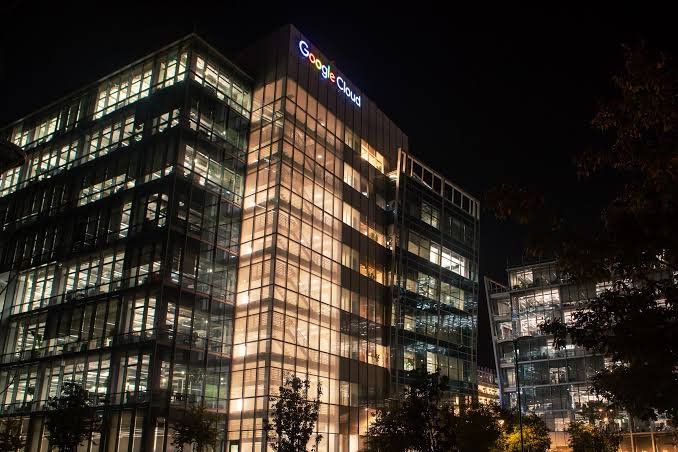
Reuters reported that UK and European authorities have increased their scrutiny of major cloud providers’ role in the financial sector. In July, the UK placed Google Cloud, Microsoft, Amazon Web Services and Oracle under direct oversight as critical third-party providers to financial services.
The UK Financial Conduct Authority said it was engaging with Google and affected organizations to understand the impact. At EU level, Google Cloud is also among the companies designated as critical technology providers to the financial sector.
These measures reflect concern that a major disruption at a single provider could affect multiple institutions simultaneously. For banks, outsourcing technology does not remove the responsibility to plan for service continuity and manage operational risk.
What should businesses do?
For companies that depend on cloud infrastructure, the incident is a reminder to review business-continuity plans. Practical measures include:
- Placing critical systems across different availability zones and, where appropriate, separate regions.
- Testing recovery procedures, not just backup creation.
- Defining which services must recover first and how much downtime the business can tolerate.
- Mapping dependencies on external services, including identity systems, databases and networking.
- Reviewing service agreements and the limits of compensation for outages.
For consumers, the advice is simpler: if an app stops working during a reported incident, check the bank’s or provider’s official updates and avoid suspicious links claiming to offer a “fix.”
TheTechSpot Take
The Google Cloud disruption in London is a concrete example of the risks created by concentration in digital infrastructure. When many organizations rely on the same underlying services, a regional incident can affect banking, e-commerce and public services at the same time.
The lesson is not that companies should abandon cloud computing. It is that moving systems to a major provider does not replace resilience planning. Redundant architecture, recovery exercises and alternative procedures need to be part of the design from the beginning.
Google has said it will publish an analysis after completing its internal investigation. That report should help clarify what failed, how many systems were affected and what steps may reduce the risk of a similar incident happening again.


